English Country Gardens Ideas That Create Timeless Romantic Beauty

English country gardens mesmerize through their seemingly effortless beauty. The lush borders, cottage charm, and layered plantings create spaces feeling developed over generations. Yet achieving this look requires understanding traditional principles and plant combinations.
English country gardens ideas reveal how structured informality, generous plantings, and classic materials create the romantic abundance defining this style. The approach balances careful planning with natural exuberance producing gardens that feel both designed and wild simultaneously.
We’re covering 15 English country gardens ideas that capture authentic character. These strategies use time-tested combinations, traditional elements, and proper scale creating gardens with genuine English charm rather than shallow imitations.
Defining Characteristics of English Country Gardens
- Structured Informality Creates Balance: Formal bones—hedges, paths, walls—contain abundant cottage plantings preventing chaos. It’s like organized freedom where framework allows exuberance. The contrast between structure and softness defines the aesthetic uniquely.
- Generous Mixed Borders Provide Abundance: Deep beds combining shrubs, perennials, and annuals create the layered fullness characteristic of style. It’s like botanical tapestries where plants weave together. The mixed plantings deliver continuous interest through varied textures and bloom times.
- Natural Materials Ground Design: Stone walls, brick paths, and wooden structures provide traditional context supporting plantings. It’s like historical backdrop where authentic materials add credibility. The natural elements age beautifully developing patina over time.
- Practical Beauty Serves Function: Kitchen gardens, cutting beds, and fruit trees combine productivity with aesthetics. It’s like useful beauty where gardens feed bodies and souls. The functional elements connect to agricultural heritage authentically.
15 English Country Gardens Ideas
Create timeless romantic landscapes with these English country gardens ideas that capture authentic traditional character.
Herbaceous Perennial Border
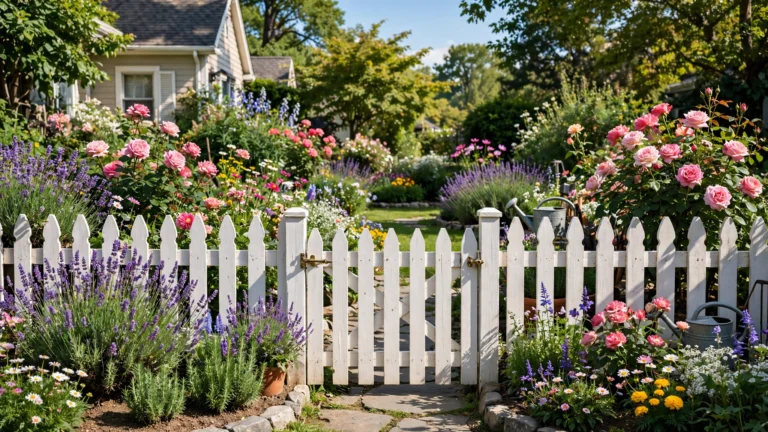
Design deep mixed borders featuring classic English perennials—delphiniums, peonies, roses, lupines. The traditional combinations deliver reliable beauty and authentic character. It’s like greatest hits where proven performers never disappoint.
Layer plants by height creating theatrical backdrop with tallest at rear. Include repeated key plants establishing rhythm within variety. This English country gardens essential provides the abundant flowering defining the style.
Clipped Boxwood Hedging
Edge beds with low boxwood hedges providing year-round structure. The evergreen frames contain exuberant plantings while adding formality. It’s like picture frames where formal edges showcase informal contents.
Trim hedges annually maintaining 8-12 inch heights. The permanent structure supports changing seasonal plantings. This English country gardens element provides essential bones supporting cottage abundance.
Rose-Covered Arbors
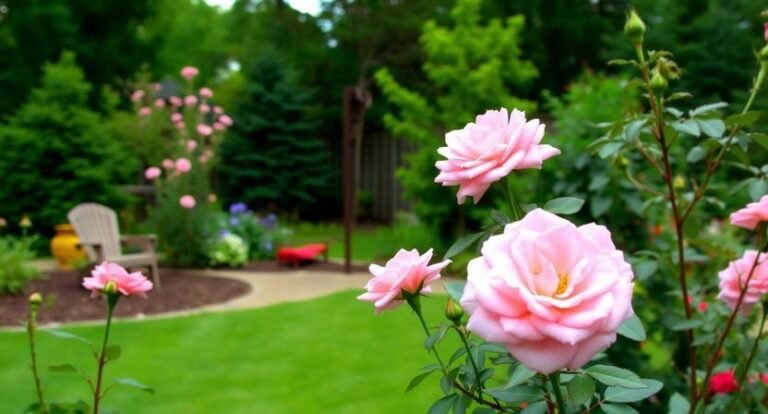
Train climbing roses over arched arbors creating romantic passages. The flowering tunnels provide spectacular displays and fragrant experiences. It’s like floral architecture where roses become structural elements.
Choose disease-resistant climbers—’New Dawn,’ ‘Zephirine Drouhin’—requiring less maintenance. Prune after flowering maintaining shapes. This English country gardens feature creates signature moments defining garden character.
Gravel Pathways
Install crushed stone paths providing all-weather access while maintaining informal character. The crunching gravel adds sensory element while complementing plantings. It’s like country lanes where gravel suits relaxed aesthetic.
Edge paths with stone or steel preventing spreading into beds. Allow low plants spilling onto gravel softening edges. This English country gardens element provides practical circulation with traditional appeal.
Kitchen Garden Integration
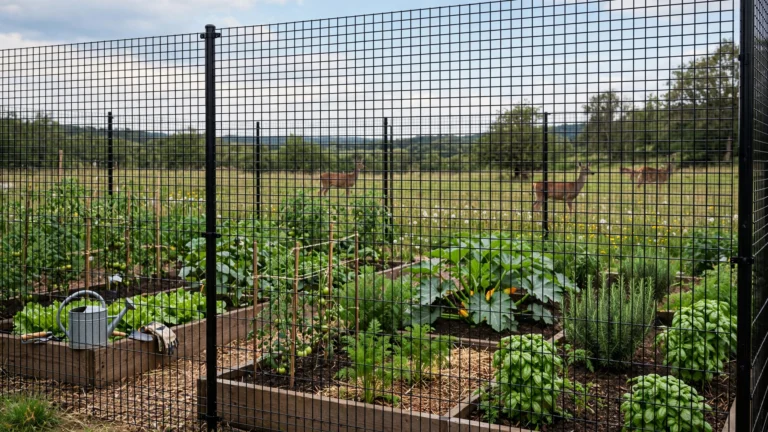
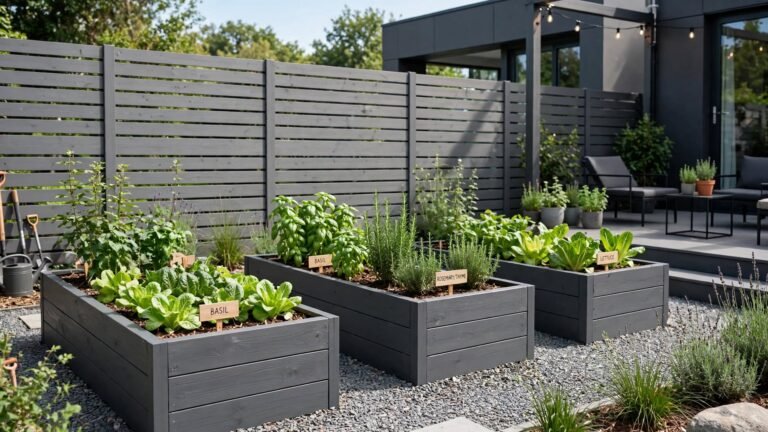
Include productive vegetable beds combining utility with beauty. The raised beds and organized rows provide harvest and visual structure. It’s like farming meets gardening where productivity and aesthetics merge.
Build beds using traditional materials—brick, stone, or wood. Include companion flowers attracting pollinators. This English country gardens tradition connects to agricultural heritage authentically.
Stone Wall Boundaries
Incorporate dry-stack stone walls defining spaces and providing planting opportunities. The traditional masonry adds permanence and craftsmanship. It’s like architecture where walls become garden features.
Use local stone matching regional character. Plant rock garden species in wall gaps creating living walls. This English country gardens element provides timeless structure and traditional beauty.
Lavender-Lined Walkways
Border paths with lavender creating fragrant corridors. The purple blooms and silvery foliage provide signature cottage character. It’s like aromatic guardrails where scent marks passages.
Choose varieties suited to climate—English lavender for cooler zones. Trim after flowering maintaining compact forms. This English country gardens staple adds fragrance and structure simultaneously.
Topiary Accent Features
Include clipped evergreens providing formal punctuation. The shaped plants add architectural interest and year-round presence. It’s like sculpture where living plants become art.
Choose simple shapes—spheres, cones, pyramids—rather than elaborate figures. Box, yew, or holly work well for shaping. This English country gardens detail adds sophistication through restrained formality.
Perennial Meadow Areas
Convert lawn sections to wildflower meadows reducing maintenance while increasing ecological value. The naturalistic plantings attract pollinators and provide seasonal beauty. It’s like mini prairies where wild beauty replaces manicured grass.
Seed with native wildflower mixes appropriate for region. Mow once annually in late fall. This English country gardens adaptation adds ecological benefits with romantic beauty.
Water Features
Include small ponds, fountains, or rills adding water elements. The reflective surfaces and soothing sounds enhance peaceful atmosphere. It’s like liquid mirrors where water expands beauty through reflection.
Line ponds with native plants creating ecological balance. Include water lilies and marginal plantings. This English country gardens feature adds dimension and wildlife habitat.
Espaliered Fruit Trees
Train fruit trees flat against walls using traditional espalier technique. The architectural approach maximizes fruit production in minimal space. It’s like botanical tapestries where trees become two-dimensional art.
Choose apples or pears suited to training. Install support wires spacing 18 inches apart. This English country gardens tradition combines productivity with ornamental beauty.
Garden Room Divisions
Create distinct “rooms” using hedges, walls, or trellises dividing larger gardens. The compartmentalized spaces provide discovery and variety. It’s like indoor rooms where divisions create intimacy.
Each room can feature different themes or purposes—rose garden, vegetable plot, meditation space. The progression creates journey through varied experiences. This English country gardens concept adds interest to larger properties.
Traditional Garden Shed
Include charming shed for tools and supplies adding architectural interest. The structure provides necessary function wrapped in beautiful form. It’s like garden jewelry where utility buildings become focal points.
Choose designs matching house architecture using similar materials. Add window boxes and climbing plants. This English country gardens feature provides essential storage beautifully.
Flowering Ground Covers
Plant low-growing bloomers—creeping thyme, alyssum, dianthus—filling gaps and softening edges. The spreading plants prevent weeds while adding continuous color. It’s like living mulch where plants cover rather than bark.
Choose varieties suited to sun exposure and traffic levels. The self-seeding habit creates natural carpets. This English country gardens strategy fills spaces while reducing maintenance.
Seasonal Bulb Displays
Layer spring bulbs—daffodils, tulips, alliums—providing early season color. The naturalized bulbs return reliably announcing spring’s arrival. It’s like buried treasures where bulbs surprise annually.
Plant bulbs in generous drifts rather than isolated specimens. Allow foliage yellowing naturally feeding next year’s blooms. This English country gardens element ensures early season interest before perennials emerge.
Maintaining English Country Gardens
- Accept Relaxed Maintenance Standards: English country gardens forgive imperfection better than formal landscapes. It’s like comfortable homes where lived-in trumps pristine. The relaxed approach reduces stress while maintaining character.
- Deadhead Regularly Extending Blooms: Remove spent flowers encouraging continued flowering rather than seed production. It’s like editing where removal allows new emerging. The consistent attention extends bloom seasons significantly.
- Divide Perennials Maintaining Vigor: Split crowded plants every few years encouraging healthy growth. It’s like rejuvenation where division renews tired specimens. The regular maintenance keeps gardens performing optimally.
- Mulch Generously Suppressing Weeds: Apply organic mulch conserving moisture and preventing weeds. It’s like protective blankets where mulch aids plants naturally. The regular application reduces maintenance while improving soil.
Frequently Asked Questions About English Country Gardens
Can You Create English Gardens in Hot Climates?
Adapt principles using heat-tolerant alternatives maintaining style essence. Replace delphiniums with salvias, lavender with Russian sage, and traditional roses with Knock Out varieties. The design approach translates through structure and abundance rather than specific plants.
Focus on capturing structured informality, generous borders, and traditional materials rather than exact plant replication. The philosophical adoption matters more than rigid plant adherence in challenging climates.
How Much Space Do You Need?
English country gardens scale from small urban courtyards to estate grounds. Even 10×15 foot spaces accommodate mixed borders, climbing roses, and structured plantings. The principles work at any size through appropriate scaling.
Smaller spaces benefit from vertical emphasis and compact varieties. The design approach suits intimate gardens perhaps better than vast estates through focused attention.
What’s Initial Investment Required?
Basic English country gardens cost $5,000-15,000 for quarter-acre spaces including paths, structures, and plants. Elaborate versions with walls, water features, and mature specimens exceed $30,000-50,000. Phasing projects over years spreads costs manageably.
DIY labor, propagation, and patient plant establishment reduce expenses significantly. The style actually rewards gradual development through authentic collected appearance.
How Long Until Gardens Look Established?
English country gardens show character within 2-3 years as perennials establish and self-seeders naturalize. Full maturity requiring 5-10 years develops the patina and abundance defining authentic style. Strategic mature specimens accelerate visual maturity.
The developing process adds charm as gardens evolve naturally. Patience rewards with depth impossible to instant-install regardless of budget.
Do They Require Expert Gardening Skills?
Basic English country gardens suit intermediate gardeners willing learning plant needs and maintenance routines. The forgiving style accepts mistakes better than formal gardens. Resources abound teaching traditional techniques and plant combinations.
Start small mastering basics before expanding. Join garden clubs or take classes learning regional adaptations from experienced gardeners. The gradual skill development parallels garden evolution naturally.
Creating Your English Garden Dream
English country gardens ideas prove that romantic abundance comes from understanding traditional combinations and design principles. The time-tested approach creates gardens that improve yearly rather than requiring constant renovation. The patient development rewards with authentic character impossible to achieve quickly.
Start with soil preparation and structural elements adding plant layers gradually. Choose varieties suited to your climate while maintaining style essence. The thoughtful foundation supports abundant beauty defining English country gardens universally.
What English garden element would you create first? Share your romantic garden dreams below!