14 Cottage Garden Patio Ideas That Bring Romance Outdoors
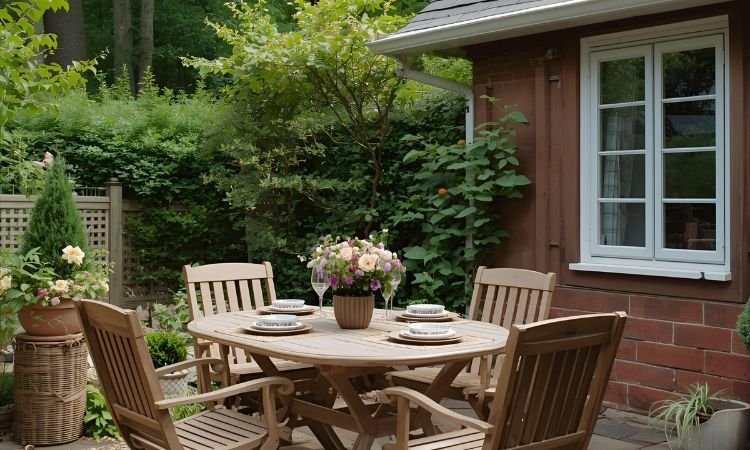
Cottage garden patios merge outdoor living with abundant plantings and relaxed charm. The combination transforms ordinary hardscaping into garden rooms feeling intimate and collected rather than stark or commercial. Yet creating this balance requires more than randomly adding containers.
Cottage garden patio ideas show how to integrate seating areas with overflowing plants, vintage elements, and casual arrangements. The best designs blend function with romance creating spaces equally suited to morning coffee or evening gatherings while maintaining authentic cottage character.
We’re covering 14 cottage garden patio ideas featuring proven approaches that work. These designs show how to choose materials, arrange plantings, and add details creating patios that feel like natural extensions of cottage gardens rather than interruptions.
Essential Elements of Cottage Garden Patios
- Soft Edges Blend Boundaries: Successful cottage patios blur lines between paving and plantings rather than creating sharp divisions. It’s like watercolor edges where transitions happen gradually. The softened boundaries make hardscaping feel integrated rather than imposed.
- Vintage Materials Add Authenticity: Traditional paving—brick, stone, gravel—suits cottage style better than contemporary concrete or modern pavers. It’s like antique furniture where age-appropriate materials feel right. The classic choices support rather than fight cottage aesthetics.
- Abundant Plantings Create Enclosure: Surrounding vegetation frames patios making them feel nestled within gardens. It’s like outdoor rooms where plants form walls. The generous planting creates intimate spaces rather than exposed platforms.
- Layered Details Build Character: Multiple small touches—weathered pots, vintage accessories, climbing vines—accumulate creating collected-over-time appearance. It’s like jewelry where individual pieces combine into complete looks. The accumulated details develop authentic rather than staged cottage charm.
14 Cottage Garden Patio Ideas
Create romantic functional outdoor spaces with these cottage garden patio ideas featuring time-tested approaches delivering authentic charm.
Reclaimed Brick Patio
Build patios using reclaimed brick laid in traditional patterns—herringbone, basketweave, or running bond. The weathered materials and classic layouts establish cottage credentials immediately. It’s like vintage flooring where aged materials bring instant character.
Leave joints slightly open allowing creeping thyme or chamomile softening surfaces. Mix brick colors creating varied rather than uniform appearance. This cottage garden patio foundation provides authentic base supporting overall design.
Gravel Court Surrounded by Borders
Create gravel patios edged with overflowing perennial borders. The crunchy surface drains perfectly while costing less than solid paving. It’s like ballroom floors where loose material feels appropriate.
Edge gravel clearly preventing migration into beds. Choose pea gravel or decomposed granite matching cottage aesthetics. This cottage garden patio option delivers excellent drainage and budget-friendly installation.
Flagstone with Planted Gaps
Install irregular flagstone leaving generous gaps planted with low spreaders—creeping thyme, Scotch moss, or sedums. The planted joints soften hardscaping dramatically. It’s like puzzle pieces where gaps matter as much as stones.
Choose stones with varied shapes and natural colors. Plant tough varieties tolerating foot traffic. This cottage garden patio approach balances function with abundant planting beautifully.
Climbing Rose Pergola
Add wooden pergola draped with climbing roses creating overhead interest and filtered shade. The structure defines space while supporting quintessential cottage plants. It’s like garden architecture where function meets beauty.
Choose fragrant climbers—’New Dawn,’ ‘Cecile Brunner,’ or ‘Zephirine Drouhin.’ Stain or paint wood matching cottage palette. This cottage garden patio feature provides structure and romantic flowering simultaneously.
Container-Filled Corners
Group substantial containers in patio corners filling them with cottage favorites—geraniums, trailing lobelia, or mixed plantings. The massed pots add vertical interest and seasonal color. It’s like gathered friends where groups create impact.
Use weathered terracotta or aged ceramic matching cottage character. Vary pot heights creating layered arrangements. This cottage garden patio strategy adds flexible planting without permanent beds.
Vintage Furniture Groupings
Arrange painted wooden chairs, metal bistro sets, or antique benches creating conversation areas. The furniture becomes garden art when not in use. It’s like stage sets where pieces define scenes.
Choose weathered or distressed finishes over pristine new furniture. Add cushions in faded florals or muted solids. This cottage garden patio element adds function and decorative interest.
Wisteria-Covered Arbor Entry
Frame patio entrance with arbor supporting wisteria, honeysucle, or clematis. The flowering archway creates anticipation and defines transitions. It’s like doorways where entries mark passages.
Build sturdy structures supporting mature vine weight. Choose varieties appropriate for climate and space. This cottage garden patio feature establishes romantic entry points effectively.
Stone Wall Backdrop
Back patios against existing stone walls or build dry-stack walls creating enclosure. The vertical surfaces support climbers while adding cottage texture. It’s like garden walls where enclosure creates intimacy.
Plant wall gaps with rock garden plants or allow self-sowers colonizing naturally. Add wall fountains or plaques as focal points. This cottage garden patio boundary provides structure and planting opportunities.
Herb Garden Integration
Surround patio edges with herb plantings providing fragrance and culinary utility. The aromatic borders smell wonderful while serving practical purposes. It’s like kitchen gardens where beauty meets function.
Include lavender, rosemary, thyme, and sage for structure. Add parsley, basil, and chives for cooking. This cottage garden patio approach combines aesthetics with usefulness perfectly.
Cottage Lighting Elements
Install vintage-style lanterns, string lights with Edison bulbs, or candle holders extending evening enjoyment. The period-appropriate fixtures support cottage mood. It’s like twilight magic where lighting transforms spaces.
Avoid harsh modern fixtures choosing warm-toned lighting instead. Add multiple low sources rather than single bright lights. This cottage garden patio detail creates atmospheric evening ambiance.
Built-In Seating with Plantings
Construct low stone or wood benches integrating planting pockets. The combined seating and growing space maximizes small patios. It’s like garden furniture where built-ins feel permanent.
Fill planting gaps with trailing varieties cascading over edges. Use comfortable cushions making seats inviting. This cottage garden patio solution addresses both seating and planting needs efficiently.
Water Feature Focal Point
Add small fountain, birdbath, or stone trough providing water sounds and wildlife attraction. The aquatic element adds sensory dimension and cottage charm. It’s like garden jewelry where water features draw eyes.
Choose simple traditional designs over contemporary statements. Position where splashing sounds audible from seating. This cottage garden patio accent adds movement and sound beautifully.
Mixed Material Paving
Combine different materials—brick borders with gravel centers, stone pathways through planted areas—creating textural interest. The varied surfaces feel collected rather than newly installed. It’s like patchwork where different pieces unite.
Maintain cottage-appropriate materials avoiding modern innovations. Blend materials gradually rather than creating jarring transitions. This cottage garden patio technique adds visual complexity and authentic character.
Espalier Fruit Trees
Train fruit trees—apples, pears, or figs—against walls flanking patios. The formal training method suits cottage gardens surprisingly well. It’s like living tapestries where trained growth creates patterns.
Choose varieties suited to climate and space limitations. Maintain pruning preserving flat forms. This cottage garden patio feature adds edible landscaping and vertical interest simultaneously.
Creating Successful Cottage Patios
- Start with Proper Base: Install adequate foundation preventing settling or drainage problems. It’s like building bones where invisible structure supports visible beauty. The solid base ensures long-term success.
- Soften All Edges: Allow plants spilling over patio borders from every direction. It’s like blurred lines where boundaries disappear. The overflowing vegetation integrates hardscaping naturally.
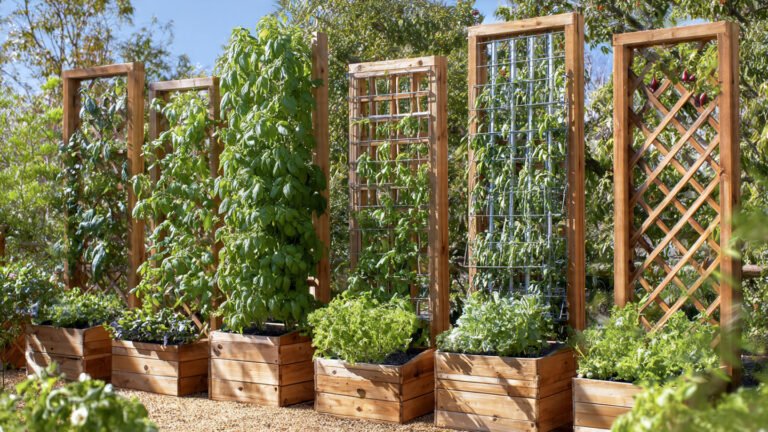
- Add Vertical Interest: Include climbing plants, trellises, or overhead structures preventing flat monotonous spaces. It’s like room dimensions where height matters. The vertical elements create enclosed garden room feeling.
- Incorporate Fragrance: Choose scented plants near seating—roses, lavender, jasmine—enhancing sensory experience. It’s like aromatherapy where perfume enriches atmosphere. The fragrant selections make patios more memorable.
Frequently Asked Questions About Cottage Garden Patios
What Size Should Cottage Patios Be?
Minimum functional patio measures 10×10 feet accommodating small dining set. Comfortable entertaining spaces need 12×16 feet or larger. Scale appropriately to garden size preventing overwhelming small yards or creating inadequate spaces in large gardens.
Remember cottage patios feel nestled rather than expansive. Smaller intimate spaces often suit cottage style better than vast entertainment decks.
Which Materials Work Best?
Brick, natural stone, gravel, and aged wood suit cottage aesthetics. Avoid contemporary concrete pavers, stamped concrete, or ultra-modern materials. Choose weathered or antique-looking options over pristine new materials.
Mix materials adding textural interest and collected appearance. Imperfect aged surfaces suit cottage style better than perfect installations.
How Do You Handle Drainage?
Slope patios slightly away from structures ensuring water runoff. Gravel patios drain naturally while solid paving needs proper grading. Leave gaps between pavers allowing water percolation.
Poor drainage creates puddles, ice, and eventual structural problems. Address drainage during initial construction preventing future headaches.
Can You Build Cottage Patios on Budgets?
Yes—gravel patios cost significantly less than stone or brick. Reclaimed materials reduce expenses while adding character. DIY installation saves labor costs for capable homeowners.
Start small expanding gradually as budget allows. Simple gravel court with container plantings creates cottage charm inexpensively. Add permanent features over time.
What About Small Space Solutions?
Tiny patios benefit from built-in seating maximizing usable space. Vertical planting—climbers, wall pockets, trellises—adds greenery without consuming floor area. Choose compact furniture preventing cramped feeling.
Small cottage patios can feel intimate rather than inadequate through careful design. Focus on quality details rather than size.
Growing Your Cottage Patio Dream
Cottage garden patio ideas show that romantic outdoor living comes from blending functional hardscaping with abundant plantings and vintage details. The successful designs feel collected and comfortable rather than newly installed or overly formal. The thoughtful approach creates spaces improving through years and use.
Start with appropriate materials and solid construction adding plantings and details gradually. Choose elements supporting overall cottage aesthetic rather than introducing conflicting styles. The patient development creates patios that truly extend cottage garden charm into outdoor living areas.
What patio feature appeals most to you? Share your cottage patio ideas below!