16 French Formal Garden Ideas That Bring Classical Elegance Home
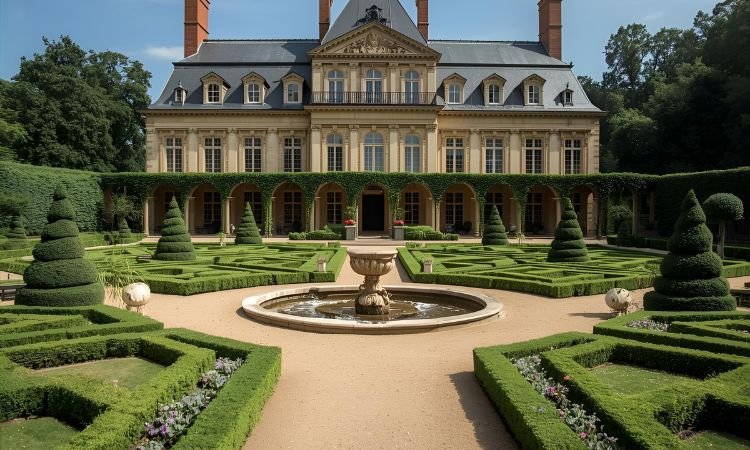
Ever walked through a grand estate and stopped dead in your tracks at those perfectly clipped hedges, symmetrical paths, and geometric beds that look straight out of Versailles? Most homeowners assume French formal gardens require massive properties and full-time gardeners, so they never even try creating this elegant style at home.
French formal garden design isn’t about size—it’s about proportion, symmetry, and structured plantings that create timeless beauty. The challenge is knowing which elements actually define this style and how to scale them for regular residential yards without the maintenance nightmare.
We’re covering 16 french formal garden ideas that bring classical European elegance to everyday spaces. You’ll learn the essential symmetrical layouts, which hedging and topiary options work best, how to create focal points with fountains and statuary, and practical ways to maintain that manicured look without hiring staff. We’re exploring parterre designs, gravel pathways, formal rose gardens, clipped boxwood borders, and structured water features.
Plus proper pruning schedules, plant spacing for geometric beds, and adapting grand-scale concepts to modest yards. These proven approaches deliver sophisticated formal beauty that actually fits real life.
Core Principles of French Formal Gardens
- Symmetry Defines Everything: French formal gardens mirror perfectly on central axis creating balanced compositions where left side duplicates right exactly. It’s like architectural blueprints where precision matters more than spontaneity. The symmetrical layouts create order and elegance defining formal style completely.
- Geometry Shapes Plantings: Beds follow strict geometric patterns—circles, rectangles, triangles—rather than flowing organic curves. It’s like mathematical precision where angles and shapes get calculated deliberately. The geometric approach creates man-made beauty celebrating control over nature.
- Clipped Precision Shows Control: Plants get trimmed into exact shapes maintaining crisp edges and defined forms rather than natural loose growth. It’s like sculpture where shearing creates living architecture. The manicured appearance demonstrates mastery and intentional design.
- Focal Points Anchor Views: Central fountains, statuary, or ornamental features terminate sight lines drawing eye through garden deliberately. It’s like stage design where focus gets directed intentionally. The strategic focal points organize space and guide movement through gardens.
16 French Formal Garden Ideas
Create classical European elegance with these french formal garden ideas featuring time-honored elements delivering sophisticated beauty.
Boxwood Parterre Gardens
Design geometric beds outlined with low clipped boxwood hedges creating intricate patterns viewed best from above. The traditional parterres form garden foundation displaying formal precision. It’s like embroidery where plant hedges create decorative patterns on ground plane.
Fill interior spaces with crushed stone, colored gravel, or seasonal flowers maintaining color contrast against evergreen borders. Trim boxwood twice yearly maintaining crisp edges and compact growth. Choose Buxus sempervirens or dwarf varieties suited to climate. This french formal garden centerpiece delivers signature French elegance requiring dedicated maintenance but lasting generations.
Central Axis Pathway
Establish strong central path running garden length creating primary sight line and organizational spine. The dominant axis divides space symmetrically providing structure for entire layout. It’s like backbones where central elements support everything else.
Surface with crushed gravel, brick, or stone pavers wide enough for comfortable strolling. Flank with matching plantings, hedges, or borders mirroring exactly on both sides. Terminate axis with significant focal point—fountain, statue, or ornamental feature. This french formal garden essential organizes space and directs movement creating purposeful garden flow.
Clipped Conical Topiaries
Place cone-shaped trimmed evergreens in symmetrical arrangements providing vertical punctuation and architectural interest. The geometric plant sculptures add height and formality throughout seasons. It’s like exclamation points where shaped plants create emphasis.
Use yew, boxwood, or privet training into tight cone shapes through regular shearing. Position in pairs flanking gates, paths, or garden entrances. Maintain shapes with quarterly trimming during growing season. This french formal garden signature adds three-dimensional structure and unmistakable formality.
Formal Rose Garden Beds
Plant roses in geometric beds arranged symmetrically creating traditional French rose garden. The structured plantings combine romance with formality perfectly. It’s like organized beauty where roses get tamed into patterns.
Choose hybrid tea or floribunda roses with upright habits suiting formal layouts. Plant in repeating color blocks rather than mixed varieties maintaining visual order. Edge beds with low boxwood or lavender hedges defining shapes crisply. This french formal garden classic delivers seasonal color within strict geometric framework.
Gravel Courtyard or Forecourt
Create crushed gravel forecourt establishing formal entry and practical circulation space. The pale gravel surfaces reflect light while providing excellent drainage and authentic French character. It’s like elegant flooring where simple materials create sophisticated surfaces.
Edge gravel with brick or stone borders preventing spreading. Keep depth around 3 inches providing stable walking surface. Rake regularly maintaining smooth neat appearance. This french formal garden foundation provides practical hardscaping with classical appeal.
Reflecting Pool or Water Basin
Install formal rectangular or circular reflecting pool creating mirror-like water surface and elegant focal point. The still water reflects sky and plantings doubling visual impact. It’s like liquid glass where calm water creates contemplative centerpiece.
Keep designs simple with clean geometric shapes avoiding naturalistic curves. Edge with cut stone or concrete maintaining precise boundaries. Position strategically on central axis or garden intersection points. This french formal garden feature adds sophistication and tranquil beauty.
Pleached Tree Allées
Plant matching trees in parallel rows training branches into flat horizontal planes creating living walls and shaded walkways. The architectural tree forms define garden rooms and corridors. It’s like green hallways where trees become structural elements.
Use hornbeam, linden, or plane trees with flexible branches accepting training. Install horizontal support wires guiding branch growth. Prune twice yearly maintaining flat planes and removing wayward growth. This french formal garden technique creates dramatic spatial definition requiring patience but delivering spectacular results.
Symmetrical Herbaceous Borders
Design matching perennial borders flanking paths or central features repeating plant selections and arrangements exactly on both sides. The mirrored plantings create formal balance while providing seasonal color. It’s like botanical mirrors where both sides duplicate precisely.
Choose plants with tidy upright habits avoiding sprawling varieties disrupting neat edges. Plant in repeating blocks using limited color palette preventing chaos. Include evergreen structural plants maintaining winter interest. This french formal garden approach adapts traditional border style to formal requirements.
Ornamental Statuary on Pedestals
Position classical statues, urns, or ornamental vessels on pedestals creating vertical focal points and cultural references. The sculptural elements add artistic interest and historical connection. It’s like museum pieces where art elevates garden significance.
Choose weathered stone, lead, or cast concrete pieces suiting classical aesthetic. Place symmetrically in pairs or singularly terminating sight lines. Keep scale appropriate—oversized pieces overwhelm while too-small disappear. This french formal garden accent adds sophistication and permanent interest.
Clipped Hedge Walls
Install tall trimmed hedges creating garden walls and defining spaces or boundaries. The living walls provide privacy, wind protection, and dramatic green backdrops. It’s like architecture where plants become structural walls.
Use yew, hornbeam, or privet growing tall while accepting tight shearing. Maintain straight vertical faces and level tops through regular trimming. Keep hedges narrower at top than bottom ensuring lower branches receiving adequate light. This french formal garden element creates rooms and defines boundaries architecturally.
Circular or Oval Central Feature
Design round or oval planting bed, fountain, or lawn as central organizing element creating formal gathering point. The circular geometry contrasts linear axes while maintaining formality. It’s like medallions where round centers anchor geometric layouts.
Surround with crushed gravel or paving creating clean transition between center and radiating paths. Plant central beds symmetrically using repeating patterns. Keep proportions balanced to overall garden scale. This french formal garden strategy creates focal gathering spaces organizing entire layouts.
Potted Citrus or Bay Trees
Display clipped citrus or bay laurel trees in formal containers flanking entries or arranging symmetrically throughout garden. The Mediterranean plants add exotic elegance and moveable structure. It’s like portable architecture where containerized trees provide flexible formality.
Use large terracotta, Versailles boxes, or lead containers suiting classical style. Trim trees into tight standards or lollipop shapes maintaining geometric forms. Move tender varieties indoors during cold months protecting investment. This french formal garden element adds seasonal flexibility and sophisticated detail.
Graveled Quadrants with Central Fountain
Divide square garden into four equal sections separated by gravel paths meeting at central fountain. The traditional layout creates organized spaces perfect for formal plantings. It’s like quarters where division creates manageable sections.
Plant each quadrant identically or create complementary designs maintaining overall symmetry. Keep pathways width consistent providing comfortable circulation. Choose central fountain scaled appropriately to overall space. This french formal garden layout provides classical organization suiting various garden sizes.
Espalier Pear or Apple Trees
Train fruit trees flat against walls or freestanding supports creating productive plantings with formal geometric appeal. The architectural tree forms combine beauty with utility. It’s like living trellises where trees become decorative and productive simultaneously.
Install sturdy horizontal wire supports spacing 12-18 inches apart. Prune regularly maintaining flat forms and encouraging fruiting spurs. Choose varieties suited to espalier technique and climate. This french formal garden approach maximizes space while adding structured interest.
Knot Gardens with Contrasting Foliage
Design interwoven hedge patterns using plants with different foliage colors creating interlaced knot appearance. The intricate designs showcase gardening skill and provide year-round interest. It’s like Celtic artwork where plants weave visual patterns.
Use contrasting plants like green boxwood with gray santolina or purple barberry. Trim frequently maintaining distinct pattern edges preventing plants merging. Fill interior spaces with gravel or seasonal flowers. This french formal garden specialty delivers maximum visual impact requiring significant maintenance commitment.
Formal Seating in Symmetrical Alcoves
Create matching seating areas on both sides of garden using benches, chairs, or built structures positioned identically. The paired rest spots maintain symmetry while providing functional gathering spaces. It’s like bookend lounges where seating serves beauty and purpose.
Use stone benches, metal furniture, or hedged alcoves framing seating areas. Keep arrangements simple avoiding clutter disrupting formal composition. Add potted plants or small fountains enhancing alcove appeal. This french formal garden feature balances aesthetic perfection with practical usability.
Maintaining French Formal Gardens Successfully
- Commit to Regular Shearing: Formal gardens require consistent trimming maintaining precise shapes and crisp edges rather than occasional attention. It’s like haircuts where regular maintenance prevents overwhelming catching-up sessions. The disciplined schedule keeps gardens looking intentional rather than neglected.
- Start Small and Expand: Begin with manageable formal section proving maintenance commitment before tackling extensive layouts. It’s like test runs where small successes build confidence and skills. The gradual approach prevents overwhelming yourself with unsustainable maintenance demands.
- Choose Appropriate Plants: Select varieties naturally compact and accepting heavy pruning rather than fast-growing types requiring constant cutting. It’s like employee hiring where right candidates reduce management burden. The smart plant selection dramatically impacts ongoing workload.
- Design for Your Climate: Adapt formal principles using regionally appropriate plants rather than insisting on traditional choices unsuited to conditions. It’s like recipe substitutions where adjustments maintain spirit while ensuring success. The localized approach creates sustainable formal gardens thriving in specific environments.
Frequently Asked Questions About French Formal Gardens
How Much Maintenance Do French Formal Gardens Require?
French formal gardens demand significantly more maintenance than naturalistic styles requiring regular shearing, edging, and grooming. Expect trimming boxwood hedges twice yearly, topiaries three to four times, and constant edge maintenance. Weekly deadheading and grooming keeps formal beds pristine during growing season.
The disciplined maintenance isn’t necessarily time-consuming if gardens stay reasonably sized. Small formal parterres require just hours monthly while extensive layouts demand substantial ongoing commitment. Be realistic about available time before installing formal gardens.
Can You Create French Formal Garden on Small Property?
Absolutely—formal gardens actually suit small spaces beautifully through inherent organization and structure. Scale elements appropriately using dwarf boxwood, compact roses, and proportionate focal features. Even tiny front yards accommodate formal symmetry through simple designs.
The key is maintaining proper proportions rather than attempting grand-scale elements in limited space. Formal principles work at any size when thoughtfully adapted to available square footage.
What Are Best Plants for Formal Gardens?
Boxwood remains gold standard for formal hedging and parterres accepting tight clipping and maintaining compact growth. Yew works beautifully for tall hedges and topiaries tolerating heavy shearing. Roses, particularly hybrid teas and floribundas, suit formal beds perfectly. Lavender provides excellent low hedging with bonus fragrance.
Choose plants with naturally tidy habits, evergreen foliage, and proven tolerance for frequent pruning. Avoid aggressive growers or loose informal forms disrupting manicured appearance.
How Do You Start Formal Garden from Scratch?
Begin with careful planning drawing symmetrical layout on paper before purchasing anything. Establish central axis first creating organizational spine. Install permanent hardscaping—paths, edging, focal features—before planting. Start with structural bones—hedges, topiaries, evergreen framework—allowing establishment before adding seasonal elements.
Accept that formal gardens develop over several years as hedges mature and shapes develop. The patient approach creates sustainable gardens rather than forced installations failing quickly.
Are Formal Gardens Expensive to Install?
Initial installation costs run higher than informal gardens due to plant quantities needed for hedging and structured layouts. Quality boxwood, topiaries, and hardscaping materials represent significant investment. However, formal gardens use fewer plant varieties in larger quantities potentially reducing some costs.
Shop for smaller hedge plants growing them to size saving money versus purchasing mature specimens. DIY installation reduces labor costs significantly for capable gardeners. The investment pays dividends through timeless beauty and lasting structure.
Bringing Classical Beauty Home
These french formal garden ideas reveal that elegant European style comes from understanding symmetry, geometry, and proper plant selection rather than requiring massive estates. The time-honored principles scale to residential properties when adapted thoughtfully to available space and maintenance capacity. The structured approach creates gardens improving yearly as plantings mature and gardeners develop trimming skills.
Start with clear symmetrical plan establishing strong central organization. Invest in quality structural plants providing formal bones supporting entire design. Commit to regular maintenance schedule keeping gardens looking intentional and manicured. The disciplined approach creates formal gardens delivering sophisticated timeless beauty that elevates any property dramatically.
Which formal element would you tackle first in your garden? Share your classical garden dreams or formal gardening experiences below!