15 French Country Garden Landscaping Ideas That Transform Outdoor Spaces
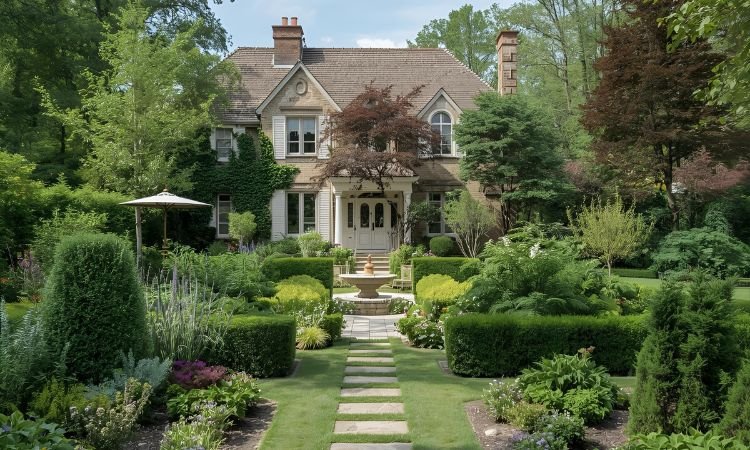
You’ve seen those gorgeous French countryside properties where every element—from the driveway entrance to the vegetable garden—flows together creating cohesive outdoor paradise. Your yard probably has random disconnected areas that don’t relate to each other, making the whole property feel choppy and unfinished instead of that seamless European estate feeling.
French country garden landscaping solves the challenge of creating unified outdoor spaces where hardscaping, planting beds, pathways, and structures work together harmoniously. This isn’t about individual pretty gardens—it’s about whole-property planning that connects front yard to backyard, creates logical circulation, and establishes coherent style throughout every outdoor area.
We’re covering 15 french country garden landscaping ideas addressing complete property design from curb appeal through private backyard spaces. You’ll learn how to establish proper garden bones, create effective transitions between areas, choose materials unifying various spaces, and develop layered planting schemes working across seasons.
Core Principles of French Country Landscaping
- Symmetry and Balance Create Order: French landscaping uses balanced arrangements and mirrored plantings establishing visual harmony across property. It’s like architectural planning where proportions and relationships matter critically. The organized approach creates cohesive professional appearance rather than random scattered elements.
- Hardscaping Provides Permanent Structure: Gravel paths, stone walls, and defined bed edges establish year-round framework supporting seasonal plantings. It’s like skeleton providing shape regardless of changing surface details. The solid bones maintain beauty even during dormant winter months when plants rest.
- Layered Planting Adds Depth: Combining trees, shrubs, perennials, and groundcovers in thoughtful arrangements creates dimensional interest and year-round coverage. It’s like theater staging where varied heights and depths create visual richness. The layered approach prevents flat one-dimensional landscapes lacking complexity.
15 French Country Garden Landscaping Ideas
Transform entire properties with these french country garden landscaping ideas featuring comprehensive design approaches and strategic planning.
Gravel Driveway with Lavender Borders
Replace standard asphalt or concrete driveway with crushed stone or pea gravel edged by continuous lavender hedges. The pale gravel surface reflects light while providing excellent drainage and authentic French character. Plant lavender 18-24 inches apart along both sides creating fragrant welcoming approach.
Edge gravel with brick, stone, or metal preventing spreading into lawn areas while maintaining crisp definition. The combination immediately establishes French country aesthetic visible from street announcing property character. Include occasional larger specimen plants—clipped boxwood balls or small ornamental trees—adding punctuation along lengthy drives. This french country garden landscaping element creates stunning first impression setting tone for entire property.
Formal Entry Courtyard
Design enclosed or semi-enclosed front courtyard using low walls, hedges, or iron fencing creating defined entry experience. Center simple fountain, planted urn, or specimen tree providing focal point. Arrange symmetrically with matching plantings flanking entrance and balanced hardscaping.
Surface courtyard with gravel, aged pavers, or natural stone avoiding stark concrete. Include built-in or container seating creating welcoming transition space between public street and private home. Wall-mounted lanterns or post lights provide evening illumination. This french country garden landscaping approach transforms standard front yards into elegant European-style entry courts establishing immediate character.
Allée of Pleached Trees
Plant parallel rows of matching trees along driveway or main pathway training branches into flat horizontal planes creating formal tree tunnel. Hornbeam, linden, or crabapple work beautifully accepting training and providing seasonal interest. Space trees 10-15 feet apart maintaining manageable scale.
Install horizontal support wires guiding branch training and prune twice yearly maintaining flat architectural forms. The living architecture creates dramatic approach defining circulation while providing dappled shade. Underplant with low groundcovers or bulbs adding seasonal color beneath trained canopy. This french country garden landscaping feature delivers sophisticated European elegance requiring patience but producing spectacular long-term results.
Structured Kitchen Garden Integration
Position ornamental potager prominently near house rather than hiding vegetables in backyard corners. Design geometric raised beds separated by gravel or brick paths creating beautiful productive feature garden. Edge beds with boxwood, lavender, or herbs providing permanent structure year-round.
Include central focal point—obelisk, sundial, or fountain—anchoring design and creating organizational center. Plant vegetables for ornamental impact using colorful varieties and artistic arrangements. Add arbors or tuteurs supporting climbing crops while contributing vertical architectural interest. This french country garden landscaping strategy elevates food growing to primary landscape feature celebrating French potager tradition beautifully.
Stone or Gravel Terrace Extension
Create substantial outdoor living terrace adjacent to house using natural stone, aged pavers, or crushed gravel. Design generously—minimum 12×16 feet—accommodating dining table, seating, and circulation comfortably. Edge with low lavender or boxwood hedges defining space and adding softness.
Include pergola or market umbrella providing shade and architectural presence. Surround with generous planted borders—roses, perennials, herbs—creating garden room feeling. Add container plantings—citrus, topiaries, seasonal flowers—softening hard edges and adding flexibility. This french country garden landscaping element extends living space outdoors creating functional beautiful area for daily use and entertaining.
Clipped Boxwood Garden Rooms
Define distinct garden zones using boxwood hedges creating separate outdoor rooms throughout property. Low 18-24 inch hedges divide without blocking views while taller 3-4 foot hedges create privacy and strong definition. Geometric arrangements—squares, rectangles, circles—establish formal organization.
Each room serves different purpose—cutting garden, herb garden, seating area, rose garden—connected by pathways creating logical circulation. The structured approach organizes larger properties preventing overwhelming sprawl while adding sophisticated European character. Maintain hedges twice yearly keeping crisp edges and compact growth. This french country garden landscaping technique provides timeless framework supporting ever-changing plantings within defined spaces.
Rustic Stone Retaining Walls
Build dry-stacked stone walls handling grade changes while adding rustic architectural character. Natural fieldstone, limestone, or regional stone suits French aesthetic perfectly. Keep walls low—under 3 feet—avoiding engineered structures requiring professional installation.
Plant wall tops and pockets with cascading plants—thyme, sedums, trailing rosemary—softening edges and adding vertical gardening opportunities. The weathered stone adds instant age and authenticity impossible with new materials. Include built-in seating areas or niches for planted urns adding functional and decorative elements. This french country garden landscaping feature handles practical grading issues while contributing significant aesthetic value.
Mixed Hedge Property Borders
Plant varied informal hedges along property boundaries using mixed shrubs rather than single-variety formal hedges. Combine flowering shrubs—lilacs, roses, hydrangeas—with evergreens—boxwood, yew, holly—creating textured borders with year-round interest and seasonal blooms.
The cottage-style mixed hedge provides privacy and definition without rigid formality. Include taller background trees—flowering cherries, ornamental pears—adding height and structure. Allow hedge growing naturally with selective pruning maintaining shape without constant shearing. This french country garden landscaping approach creates living boundaries with character and seasonal beauty rivaling any fence.
Orchard Underplanted with Wildflowers
Establish small orchard area with standard or semi-dwarf fruit trees underplanted with naturalized bulbs and wildflowers. Spring bulbs—daffodils, crocuses, tulips—bloom before trees leaf out followed by summer meadow flowers creating continuous color beneath productive trees.
Mow paths through longer growth maintaining access while preserving meadow character. The combination delivers fruit harvest, pollinator habitat, and romantic naturalistic beauty. Choose disease-resistant fruit varieties reducing maintenance and spray requirements. This french country garden landscaping element combines productivity with beauty celebrating French countryside agricultural heritage adapted to residential scale.
Formal Reflecting Pool or Water Feature
Install rectangular reflecting pool or formal fountain as garden centerpiece creating mirror-like water surface and architectural focal point. Keep designs simple with clean geometric shapes avoiding naturalistic curves. Edge with cut stone maintaining precise boundaries and formal character.
Position strategically on main axis or garden intersection point maximizing visibility from house and key viewing areas. Surround with symmetrical plantings—clipped boxwood, potted topiaries—reinforcing formality. The still water reflects sky and plantings doubling visual impact while adding tranquil element. This french country garden landscaping feature adds sophistication and contemplative beauty anchoring garden designs dramatically.
Espalier Fruit Wall Along Fencing
Transform boring fence lines into productive decorative features by training espaliered fruit trees along entire lengths. Apple, pear, or stone fruits grow flat against fences creating living productive wall art. Install horizontal wire supports spacing 15-18 inches apart.
Plant trees 6-8 feet apart allowing adequate spreading while covering fence efficiently. Prune regularly maintaining flat forms and encouraging fruiting wood development. Underplant with low herbs or flowers adding ground-level interest and maximizing space productivity. This french country garden landscaping approach turns necessary property boundaries into beautiful functional assets delivering fruit and aesthetic enhancement simultaneously.
Gravel Pathway Network
Establish comprehensive pathway system connecting all garden areas using crushed gravel creating unified circulation throughout property. Primary paths should measure 3-4 feet wide accommodating comfortable walking and wheelbarrow access. Secondary paths can narrow to 2 feet between smaller beds.
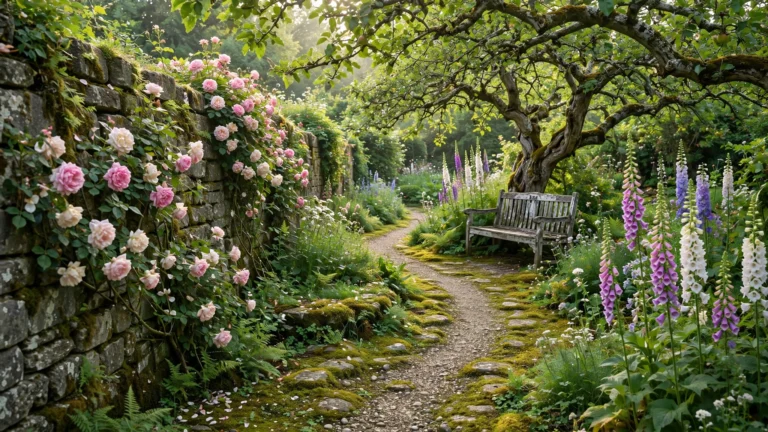
Edge consistently using brick, stone, or metal maintaining crisp definition and preventing gravel migration. The cohesive path material unifies diverse garden areas while providing practical all-weather access. Include occasional seating areas—benches, chairs—at pathway intersections creating destination points encouraging garden exploration. This french country garden landscaping infrastructure ensures accessibility while contributing significant aesthetic character through material choice and comprehensive planning.
Tiered Garden Beds on Slopes
Address sloped properties by creating terraced planting beds using low stone walls or timber edging. Multiple level changes break up steep grades making planting and maintenance manageable while adding dimensional interest. Design terraces following contours creating natural flowing arrangements.
Plant upper levels with drought-tolerant sun-lovers while reserving moister lower areas for plants preferring consistent moisture. Include steps connecting levels using natural stone or wood maintaining rustic character. The terraced approach transforms challenging slopes into showcase gardens with European hillside character. This french country garden landscaping solution handles practical grading challenges while creating stunning multi-level display opportunities.
Rose Garden with Geometric Layout
Design dedicated rose garden using geometric bed arrangements—square quadrants, circular beds, rectangular borders—separated by gravel or brick paths. Edge beds with low boxwood or lavender hedges adding permanent structure supporting seasonal rose blooms.
Choose mix of hybrid teas, floribundas, and shrub roses providing varied heights and extended blooming. Include climbing varieties on obelisks, arches, or walls adding vertical interest. Central focal point—sundial, birdbath, or fountain—anchors design creating organizational center. This french country garden landscaping specialty celebrates rose’s prominence in French gardens through dedicated structured space showcasing these beloved flowers properly.
Strategic Specimen Tree Placement
Position significant ornamental trees—flowering cherries, magnolias, ornamental pears—as focal points anchoring views and organizing surrounding plantings. Place individually or in symmetrical pairs flanking entrances, terminating sight lines, or anchoring garden rooms.
Choose trees with multi-season interest—spring flowers, attractive form, fall color, interesting bark—maximizing year-round value. Underplant with shade-tolerant perennials, bulbs, or groundcovers creating complete vignettes. The strategic placement creates framework organizing entire landscape while providing vertical structure, shade, and seasonal beauty. This french country garden landscaping approach uses trees architecturally creating bones supporting overall property design comprehensively.
Planning Successful French Country Landscapes
- Develop Master Plan First: Create overall property plan establishing circulation, major features, and style consistency before installing individual elements. It’s like architectural blueprints where comprehensive planning prevents disjointed results. The advance planning ensures all elements working together cohesively.
- Install Hardscaping Before Planting: Establish paths, walls, and structures providing permanent framework before adding plants. It’s like building skeleton before adding flesh. The structural foundation prevents damaging established plantings during construction while establishing proper organization from beginning.
- Plan for Four-Season Interest: Choose plants and features ensuring year-round beauty rather than focusing only on peak summer display. It’s like wardrobe planning where all seasons receive consideration. The comprehensive approach creates landscapes looking intentional and beautiful throughout entire year.
Frequently Asked Questions About French Country Garden Landscaping
How Much Does French Country Landscaping Cost?
Costs vary dramatically based on property size and material choices. Basic gravel paths and DIY planting run $5-10 per square foot. Professional installation with quality stone, mature plants, and structures costs $20-50+ per square foot. Complete property makeovers for average suburban lots typically range $15,000-50,000.
Phased installation spreads costs over multiple years making projects more manageable financially. DIY hardscaping and growing plants from small sizes reduces expenses significantly while building skills and knowledge.
Can You Mix French Country With Other Landscape Styles?
French country elements blend beautifully with cottage gardens, Mediterranean landscapes, and traditional designs sharing natural materials and generous plantings. The structured framework accepts various planting styles within organized bones. Avoid mixing with stark modern minimalism or tropical themes creating jarring style conflicts.
The key is maintaining consistent materials—stone, gravel, wood—and design principles—symmetry, layering, natural aging—throughout property even when varying specific plant choices or detail execution.
What’s First Priority When Starting From Scratch?
Establish primary circulation—driveway, main pathways—first creating functional infrastructure and organizational framework. Address drainage and grading issues preventing future problems. Install major hardscaping—walls, terraces, fencing—before planting vulnerable plants.
Add structural evergreen plantings—hedges, specimen trees—establishing bones before filling with seasonal layers. The systematic approach builds from foundation upward creating solid framework supporting all subsequent additions logically.
How Long Until French Country Landscape Looks Established?
Hardscaping provides immediate structure while plantings require 3-5 years reaching maturity and displaying intended character fully. Hedges need several years developing density and height. Trees require decade or more achieving substantial presence.
The patient approach creates authentic character impossible to achieve instantly. Meanwhile, annual flowers, containers, and fast-growing perennials fill gaps while slower elements mature. Accept that best French gardens develop over time rather than completing overnight.
Do French Country Landscapes Require High Maintenance?
Moderate maintenance keeps landscapes looking intentional rather than neglected. Expect hedge trimming twice yearly, regular deadheading, seasonal cleanup, and occasional path edging. The organized layout actually simplifies maintenance through clear bed definition and accessible pathways.
Choosing appropriate plants for your climate and conditions dramatically impacts workload. The structured approach with defined beds and permanent edges requires less ongoing effort than sprawling informal landscapes lacking organization.
Creating Cohesive European-Inspired Properties
These french country garden landscaping ideas demonstrate how comprehensive property planning creates unified outdoor spaces with authentic French countryside character.
The strategic approaches address entire landscapes—circulation, structures, major plantings, seasonal details—ensuring all elements supporting cohesive whole rather than disconnected individual gardens. The thoughtful integration transforms ordinary suburban properties into European-inspired estates with timeless beauty and practical functionality.
Which landscaping element would most transform your property? Share your outdoor design challenges or project plans below!