18 French Vegetable Garden Ideas That Make Growing Food Beautiful
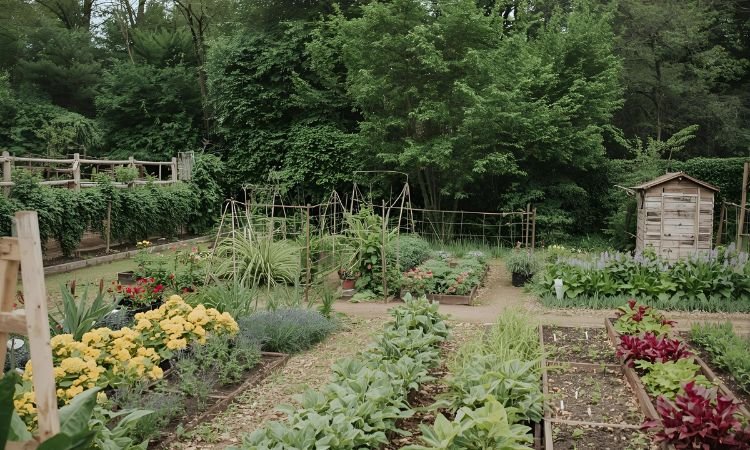
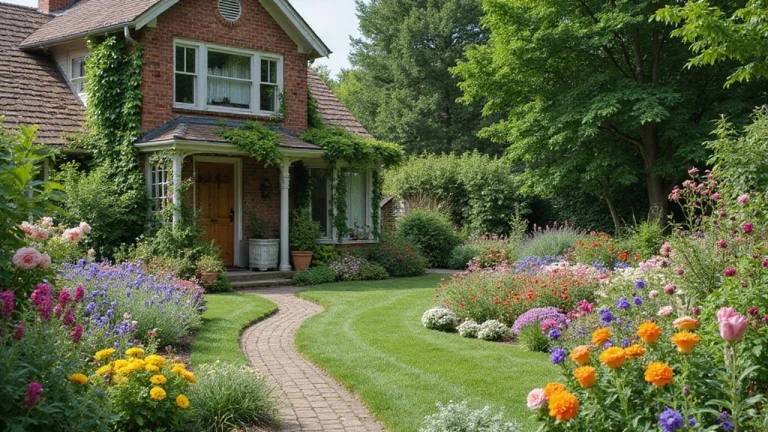
Most vegetable gardens get banished to the backyard’s least attractive corner, hidden behind garages or tucked along property lines like some embarrassing necessity. Meanwhile, the French have been flaunting their vegetable gardens as centerpiece features for centuries—positioning gorgeous productive plots front and center where everyone can admire the tomatoes growing alongside dahlias and the leeks lined up like soldiers next to perfectly clipped boxwood.
Here’s what most American gardeners miss that is French vegetable gardens aren’t about sacrificing beauty for production or vice versa. It’s about designing growing spaces so thoughtfully that neighbors stop and stare, guests take photos, and you actually want to spend time weeding because the space itself feels like art. The potager tradition proves vegetables can be stunning when you stop treating them like utilitarian crops and start showcasing them as the colorful architectural plants they actually are.
We’re sharing 18 french vegetable garden ideas that completely rethink how and where you grow food. You’ll discover geometric layouts that organize chaos into beauty, companion planting combinations that work visually and horticulturally, vertical structures that add drama while supporting beans, and edging techniques that keep productive beds looking polished all season.
What Makes French Vegetable Gardens Different
- Ornamental Structure Contains Productivity: Permanent features like clipped hedges, gravel paths, and focal points create year-round beauty holding seasonal crops. It’s like picture frames where structure showcases changing contents. The architectural bones maintain appearance even when beds transition between plantings.
- Vegetables Become Design Elements: Purple cabbage, frilly kale, and rainbow chard get featured prominently for visual impact equal to flowers. It’s like casting where appearance matters as much as performance. The aesthetic-first selection creates gardens that photograph beautifully while producing abundantly.
- Geometric Precision Organizes Abundance: Square, rectangular, or circular beds arranged symmetrically prevent vegetable chaos creating ordered productive beauty. It’s like urban planning where organization allows density without overwhelm. The structured layouts make intensive planting manageable and attractive simultaneously.
18 French Vegetable Garden Ideas
Transform food growing with these french vegetable garden ideas featuring beauty and productivity in perfect balance.
Boxwood-Edged Raised Beds
Border raised vegetable beds with low clipped boxwood hedges creating permanent elegant frames for rotating crops. The evergreen edges remain beautiful year-round while vegetables change seasonally inside. Plant boxwood 12-15 inches apart maintaining 10-12 inch height through twice-yearly trimming creating crisp green borders.
Build beds 3-4 feet wide ensuring easy reach from both sides without stepping inside compacting soil. Use cedar, composite, or stone construction lasting decades and complementing boxwood’s refined appearance. The combination elevates humble vegetables to landscape features worthy of prominent placement. Fill with quality soil ensuring excellent drainage and fertility supporting intensive production within compact elegant spaces.
Four-Square Potager Layout
Divide garden into four equal square sections separated by gravel or brick paths meeting at central focal point. This classic layout organizes crop families—brassicas, legumes, nightshades, root vegetables—simplifying rotation planning while creating balanced symmetrical design. Each quadrant measures 8-12 feet square providing substantial growing space within manageable sections.
Position sundial, fountain, birdbath, or planted obelisk at center where paths intersect creating organizational anchor and visual destination. Plant each quadrant following geometric patterns—concentric circles, radiating wedges, checkerboard blocks—emphasizing ornamental arrangement. Edge quadrants with herbs or flowers adding color and beneficial insect attraction. The traditional design delivers both practical organization and timeless beauty.
Vertical Obelisks for Climbing Crops
Place decorative wooden or metal obelisks throughout vegetable beds providing support for beans, peas, tomatoes, and cucumbers while adding architectural punctuation. These vertical structures—6 to 8 feet tall—create height variation and sculptural interest within predominantly low plantings. Position strategically at bed centers, corners, or along edges establishing rhythm and focal points.
Choose designs with classical proportions and weather-resistant finishes—natural cedar, painted wood, or powder-coated metal. Train climbing crops spiraling upward maximizing vertical space while creating living sculptures. The functional art pieces solve practical growing needs while dramatically improving visual appeal transforming flat vegetable beds into dimensional garden features.
Gravel Pathway Grid System
Install comprehensive crushed gravel pathway network creating grid pattern connecting all growing areas. Primary paths should measure 3-4 feet wide accommodating wheelbarrows and comfortable walking. Secondary paths between smaller beds can narrow to 2 feet maintaining access while maximizing growing space.
Edge paths precisely with brick, stone, or metal preventing gravel spreading into beds while maintaining crisp professional appearance. The neutral pale gravel reflects light brightening gardens while providing excellent all-weather access. Rake regularly maintaining smooth neat surfaces demonstrating care and attention. The cohesive circulation system unifies diverse plantings while establishing refined infrastructure characteristic of French potager tradition.
Espalier Fruit Trees as Living Fences
Train dwarf apple, pear, or stone fruit trees flat along bed edges or property boundaries creating productive vertical elements. Install horizontal wire supports spacing 15-18 inches apart on posts or existing fencing. Plant trees 6-8 feet apart allowing adequate spreading while creating continuous fruiting hedge.
Prune regularly maintaining flat two-dimensional forms and encouraging spur development where flowers and fruits form. The technique maximizes productivity in minimal space while adding sophisticated architectural interest. Choose disease-resistant varieties reducing spray requirements and ensuring reliable harvests. Underplant with low herbs, lettuce, or flowers maximizing every square foot productively and beautifully.
Colorful Vegetable Blocks
Plant vegetables in single-variety color blocks rather than mixed rows emphasizing ornamental qualities. Purple cabbage, ruby chard, frilly kale, and colorful lettuce varieties become living art when massed together. Create checkerboard patterns alternating colors or plant concentric circles radiating from bed centers.
The bold graphic planting approach transforms vegetables into legitimate landscape features rivaling any flower display. Choose varieties specifically for visual impact—’Redbor’ kale, ‘Bright Lights’ chard, ‘Red Russian’ kale—alongside productive standards. Succession plant maintaining full beds throughout season preventing gaps that diminish aesthetic impact. The artistic arrangements prove vegetables can be absolutely stunning when treated as design elements.
Central Fountain Feature
Install simple stone or metal fountain at potager center creating soothing water sounds and elegant focal point. Choose classical designs—tiered basins, wall-mounted spouts, simple bubbling urns—maintaining restraint appropriate to vegetable garden context. Keep scale modest avoiding overwhelming proportions that dominate rather than complement.
Surround fountain base with herbs—thyme, oregano, parsley—creating fragrant living collar benefiting from proximity to water. The practical irrigation source for surrounding containers also serves as architectural anchor organizing entire garden layout. Position seating nearby creating contemplative spot for morning coffee or evening harvest review enjoying garden’s beauty and productivity simultaneously.
Herb Spiral Integration
Construct stone spiral structure rising 2-3 feet creating microclimate zones for herbs with different requirements. Plant moisture-loving varieties like parsley and chives at bottom, Mediterranean herbs preferring drainage—rosemary, thyme, oregano—at elevated top. The compact productive sculpture suits small gardens beautifully while adding vertical architectural interest.
Position prominently near kitchen entrances ensuring convenient access during meal preparation. The space-efficient design produces incredible herb variety within minimal footprint. Tuck annual flowers—nasturtiums, calendula—throughout adding color and edible blooms. The functional art piece demonstrates French genius for combining beauty, productivity, and clever problem-solving elegantly.
Succession Planting for Continuous Fullness
Plant quick-maturing crops—lettuce, radishes, beans, arugula—every 2-3 weeks ensuring continuous harvests and constantly full beds. The staggered approach prevents overwhelming single harvests while maintaining attractive abundance throughout season. As early crops finish, immediately replant same space with next succession or different season-appropriate crops.
Keep detailed planting calendar tracking successions and planning ahead ensuring smooth transitions. The disciplined approach requires planning but rewards with beds looking intentionally full rather than patchy and incomplete. Mixed successions—early lettuce followed by summer basil then fall spinach—maximize productivity while maintaining year-round beauty essential to French aesthetic standards.
Decorative Tuteurs and Tripods
Install rustic branch tripods or elegant painted tuteurs providing support for indeterminate tomatoes, pole beans, or ornamental climbers. These vertical structures add height variation and informal charm contrasting with geometric bed formality. Construct from bamboo poles, branches, or lumber lashing together at top creating stable cone shapes.
Paint wooden versions in sophisticated colors—soft gray, cream, sage—coordinating with overall palette or leave natural allowing silvering patina development. The temporary seasonal structures dismantle for winter storage or remain providing winter interest and early spring support. The practical beautiful supports demonstrate how every functional element can contribute aesthetic value when thoughtfully designed and positioned.
Perimeter Lavender Hedges
Edge entire potager with continuous lavender hedges creating fragrant boundary and pollinator magnet. The silvery evergreen foliage provides year-round structure while summer blooms add purple haze and incredible scent. Plant English lavender varieties 18-24 inches apart maintaining 18-inch height through post-bloom trimming.
The Mediterranean herb thrives in similar conditions as many vegetables—full sun, good drainage—making it ideal companion. Aromatic foliage may deter some pests while flowers attract beneficial insects improving pollination and pest control. The classic French combination creates instantly recognizable potager character while delivering practical benefits beyond beauty alone.
Integrated Cutting Flowers
Weave cutting flowers throughout vegetable plantings rather than segregating in separate beds. Zinnias, cosmos, sunflowers, and dahlias provide bouquets while attracting pollinators and beneficial insects. Choose varieties with upright habits and substantial presence reading clearly within vegetable context.
Plant in rows, blocks, or strategic corners creating intentional color masses rather than random scattered individuals. Cut regularly encouraging continued blooming and providing fresh arrangements. The dual-purpose planting maximizes space productivity while improving overall garden health through biodiversity. The beautiful practical integration exemplifies French potager philosophy combining multiple benefits within cohesive attractive design.
Standard Rose Features
Position rose standards—grafted roses on tall single stems—at bed corners or path intersections adding elegant vertical punctuation. The formal trained roses complement structured vegetable layouts beautifully while providing seasonal color and fragrance. Choose repeat-blooming varieties in sophisticated colors maintaining months-long display.
Underplant standards with low herbs—thyme, parsley, dwarf basil—creating complete vignettes maximizing space. The roses require staking and deadheading maintaining perfect appearance but deliver unmatched elegance within utilitarian context. The sophisticated combination demonstrates vegetables can share space with traditional ornamentals creating gardens that transcend typical categorizations beautifully.
Companion Planting Trios
Group complementary vegetables together creating both aesthetic and horticultural benefits. Classic combinations include tomatoes with basil and marigolds, carrots with onions and lettuce, or cucumbers with nasturtiums and radishes. The strategic partnerships improve growth, deter pests, and create attractive varied plantings.
Choose combinations considering color, texture, and form creating visually interesting groupings beyond just practical benefits. The mixed plantings prevent monoculture pest and disease issues while creating more complex beautiful arrangements. Research traditional companion wisdom adapting to your specific climate and preferences creating personalized productive beautiful combinations.
Terra Cotta Forcing Pots
Display traditional terracotta rhubarb forcers, cloches, and bell jars throughout garden adding decorative historical elements. These functional pieces protect tender seedlings, force early crops, and overwinter borderline-hardy plants while contributing charming cottage character. Position strategically creating focal points and visual interest especially valuable during sparse early season.
The earthy terracotta color complements vegetables beautifully while practical function justifies presence beyond pure decoration. Source antique pieces from estate sales or purchase quality reproductions investing in items lasting decades. The traditional tools connect contemporary gardens to centuries of French potager heritage honoring time-tested practices while creating photogenic romantic scenes.
Wattle Fencing and Edging
Weave rustic wattle panels from flexible branches creating low fencing or bed edging. The traditional technique using willow, hazel, or other pliable woods creates charming barriers guiding growth and defining spaces. Construct panels 12-18 inches tall edging beds or creating low internal divisions organizing different crop areas.
The natural biodegradable material eventually composts enriching soil while requiring periodic replacement maintaining appearance. The handcrafted rustic elements add texture and historical authenticity contrasting beautifully with formal clipped hedges and precise layouts. The traditional craft demonstrates sustainable practices and celebrates handwork central to French gardening philosophy.
Season Extension Structures
Incorporate decorative cold frames, cloches, or low tunnels extending growing seasons while adding architectural interest. Glass or plastic structures protect crops from frost enabling earlier spring planting and later fall harvests. Choose or construct frames with attractive proportions and finishes complementing overall aesthetic—painted wood, weathered metal, antique glass.
Position permanently along south-facing bed edges or use portably moving as needed. The practical structures enable year-round productivity demonstrating serious commitment to food growing. During summer when unneeded, open or remove storing neatly or displaying as decorative garden elements. The functional beauty extends both growing season and visual interest maintaining active attractive gardens nearly year-round.
Antique Tool Displays
Hang vintage watering cans, hand tools, and garden implements on walls or potting shed exteriors creating artful utilitarian displays. Weathered metal, aged wood handles, and rustic patinas celebrate gardening heritage and practical beauty. Choose pieces genuinely useful rather than purely decorative maintaining honest working-garden character.
The displayed tools remain accessible for actual use while contributing decorative interest and historical connection. Source from antique shops, estate sales, or inherit family pieces adding personal story. The practical beauty honors work and craftsmanship central to French potager tradition where utility and aesthetics naturally intertwine.
Growing Beautiful Productive Gardens Successfully
French vegetable gardens prove beauty and productivity aren’t opposing goals requiring compromise—they’re complementary qualities enhancing each other through thoughtful design.
The structured layouts organize intensive plantings making maintenance manageable while creating gorgeous compositions that elevate vegetables to landscape features. The integrated approach combining edibles, herbs, and flowers within unified elegant framework demonstrates gardening at its most sophisticated and practical simultaneously.
Which French potager element would revolutionize your vegetable growing? Share your productive garden dreams below!