Kids Fairy Garden Ideas That Actually Get Used And Loved

Your kid keeps asking about fairies and you’re thinking if building a fairy garden is actually worth the effort or if it’ll be forgotten in two weeks like most craft projects. You’ve seen those elaborate fairy gardens on Pinterest with tiny handmade furniture and painted houses that clearly took adults hours to create. That’s not what you’re after.
The best fairy gardens for kids are ones they can actually help build and then play with regularly. Not precious displays nobody can touch, but interactive spaces where imagination happens and things get rearranged constantly. Less museum installation, more outdoor playhouse that happens to be tiny.
Here’s where parents go wrong. They either buy expensive pre-made fairy garden kits that look cute but offer zero creativity, or they go full DIY creating something so elaborate the kids are afraid to touch it. The sweet spot is simple structures kids help build, using materials that can handle kid hands, in spots where outdoor play naturally happens anyway.
I’m covering 10 kids fairy garden ideas that balance cute with actually functional. You’ll see which scale works for different ages, how to make gardens that survive weather and kid play, what materials hold up versus fall apart immediately, and the features that keep kids coming back instead of abandoning after the first week.
What Makes Kids Fairy Gardens Actually Get Used
- Kid-Appropriate Scale Matters: Toddlers need larger elements they can manipulate, older kids can handle tiny detailed pieces. It’s like toy selection where age determines what works. The right scale means kids actually play rather than just looking.
- Durable Materials Survive Play: Plastic, resin, metal, and sealed wood last through weather and handling while delicate ceramics break immediately. It’s like playground equipment where durability determines usefulness. The tough materials mean gardens last multiple seasons.
- Interactive Elements Keep Interest: Moveable furniture, openable doors, things to rearrange keep kids engaged. It’s like toy sets where play possibilities matter. Static displays get boring while interactive gardens stay interesting.
- Easy Access Encourages Use: Gardens positioned where kids naturally play get used daily while tucked-away corners get forgotten. It’s like toy storage where visibility affects play frequency. The accessible location makes fairy gardens part of regular outdoor time.
Kids Fairy Garden Ideas
Create magical play spaces kids will actually use with these fairy garden approaches designed for real outdoor play.
Container Fairy Garden
Build fairy garden in large shallow planter or pot creating portable contained space. The defined border keeps garden manageable while portability lets you move it around. I’ve found this works great for renters or people wanting to test interest before permanent installation.
Use 18-24 inch diameter shallow planter ($20-50). Add potting soil, small plants, mini accessories from craft stores or dollar stores ($20-60). Include miniature house or structure kids can access. Total cost $50-150. The container approach keeps garden defined and prevents spreading throughout yard.
Tree Stump Fairy Village
Transform old tree stump into fairy dwelling using natural features as foundation. The organic base integrates with yard while providing ready-made structure. And honestly, this makes stumps you were planning to remove into play features instead.
Clean stump, add small door leaning against base ($5-15), arrange pebble path, add tiny accessories, plant moss or small succulents in crevices. Use hot glue attaching decorations. Costs $20-50 using mostly natural materials. The natural base creates magical feeling while being practically free.
Raised Garden Bed Fairy World
Dedicate corner of raised bed to fairy garden mixing functional planting with play space. The elevated design puts garden at kid-accessible height while teaching gardening alongside imaginative play. This gives you two purposes from one bed.
Section off 2×2 foot corner of raised bed. Plant miniature or dwarf varieties, add small structures, create paths with pebbles or bark. Kids help plant and maintain real garden around fairy area. Costs $30-80 for miniature plants and accessories. The combined approach teaches responsibility while encouraging play.
Hollow Log Fairy House
Use hollow log section creating natural fairy dwelling. The found material costs nothing while looking genuinely magical. This works especially well in wooded yards or near established trees.
Source hollow log from fallen tree, firewood pile, or landscaping supplier. Position in garden, add moss, small door at opening, arrange accessories inside and around. Include solar lights or battery tea lights for evening magic. Costs $15-40 using mostly found materials. The natural structure integrates beautifully while feeling legitimately enchanted.
Wagon or Wheelbarrow Garden
Create portable fairy garden in old wagon or wheelbarrow allowing movement and rearrangement. The mobility means following sun or bringing garden closer to play areas. Plus you can store it away during bad weather.
Use old Radio Flyer wagon or garden wheelbarrow. Fill with potting soil, plant small flowers and groundcover, add miniature furniture and houses. Total costs $40-100 if buying wagon new, $15-40 if repurposing. The wheeled approach adds flexibility while kids love moving their fairy world around.
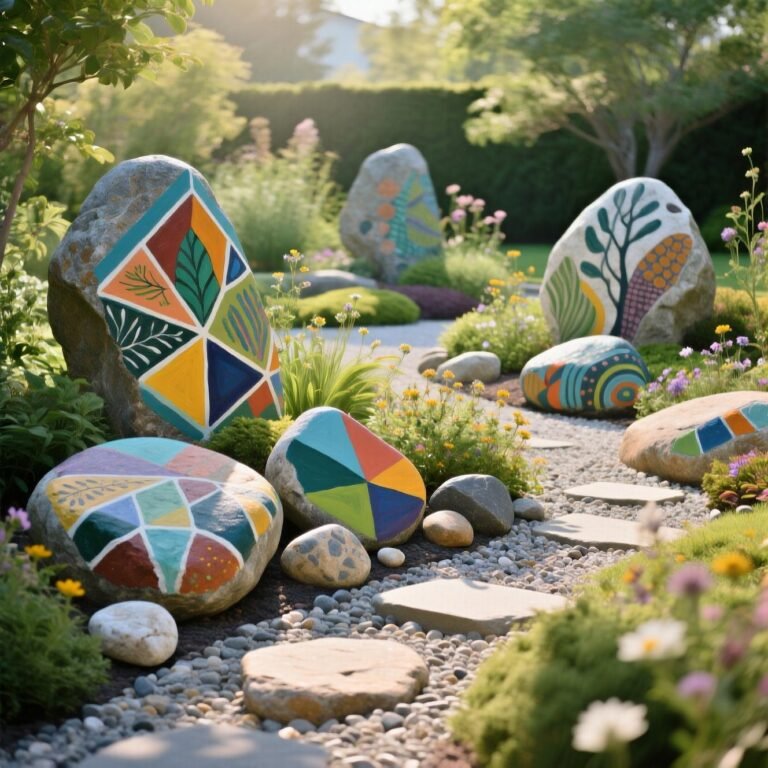
Rock Garden Fairy Retreat
Build fairy garden among larger decorative rocks creating natural landscape for tiny world. The rocks provide built-in structure and elevation changes. Sound familiar to those rock gardens you see everywhere? This is kid-play version.
Arrange 4-6 large landscaping rocks creating small nooks and levels. Fill spaces with potting soil, plant creeping thyme or moss, add miniature accessories tucked in rock crevices. Rocks cost $3-10 each, plants and accessories add $20-60. The varied terrain creates exploration opportunities while looking natural.
Window Box Fairy Garden
Install window box at kid height filling with fairy garden instead of flowers. The eye-level positioning means kids actually see and interact with garden easily. This works great for apartments or homes with limited yard space.
Mount window box planter ($25-50) on fence or low wall at 2-3 feet height. Fill with soil, plant small varieties, add fairy structures and accessories. Include hook for hanging lantern or wind chime. Total costs $50-120. The accessible height means kids engage daily rather than garden being out of reach.
Bicycle Basket Fairy Garden
Transform old bike with basket into stationary fairy garden display. The whimsical element appeals to kids while basket provides perfect contained space. And honestly, old bikes as garden features just look charming.
Position kid-sized bike permanently, fill basket with soil, plant trailing flowers and small plants, add miniature furniture and fairy house. Bike costs $20-60 from garage sales, plants and accessories add $30-80. The unexpected location creates talking point while providing functional play space.
Fairy Garden Path Through Yard
Create winding miniature path with multiple fairy stopping points throughout garden or yard. The treasure hunt aspect keeps kids exploring rather than staying in one spot. This turns entire yard into fairy territory instead of single location.
Use stepping stones or flat rocks creating 6-8 inch wide path, position small fairy doors on trees along route, add miniature rest stops with benches or houses every few feet. Costs $40-100 depending on length and detail. The journey approach creates narrative encouraging imaginative play across larger space.
Sandpit Fairy Beach
Dedicate section of existing sandbox to fairy beach creating dual-purpose play area. The sand provides perfect fairy-scale “beach” while integrating with sandbox play kids already do. This uses space you already have rather than adding new areas.
Section corner of sandbox, add small shells, pebbles creating beach effect, include tiny beach furniture, add blue glass beads or marbles representing water. Costs $15-40 using mostly found beach materials. The combination play lets kids transition between fairy play and regular sand play naturally.
Building Fairy Gardens With Kids
- Let Kids Help Choose Location: Their input on placement increases investment and use. It’s like room decorating where involvement matters. The collaborative decision makes garden feel like theirs rather than yours.
- Start Simple, Add Gradually: Begin with basic setup letting kids request additions. It’s like birthday gifts where spacing out additions maintains interest. The gradual building keeps fairy garden feeling new instead of overwhelming immediately.
- Use Kid-Friendly Materials: Choose accessories and plants kids can touch without breaking or getting in trouble. It’s like toy selection where durability and safety matter. The touchable elements encourage actual play instead of just looking.
- Make Maintenance Easy: Select low-maintenance plants requiring minimal care kids can actually handle. It’s like pet selection where care requirements match abilities. The manageable upkeep means gardens survive instead of dying from neglect.
Frequently Asked Questions About Kids Fairy Gardens
What Age Is Best For Fairy Gardens?
Ages 4-10 typically show most interest though younger and older kids enjoy them too. Toddlers (2-3) need larger pieces preventing choking hazards and simpler setups. Elementary-aged kids (5-10) handle detailed miniatures and complex arrangements. Preteens often still enjoy fairy gardens but might prefer fantasy or gnome themes feeling less babyish.
Interest varies individually—some kids obsess for years, others lose interest quickly. Start small testing engagement before major investment.
How Much Should You Spend?
Basic container fairy garden costs $50-150 including planter, soil, plants, and accessories. Elaborate permanent installations run $200-500+ depending on structures and details. Dollar stores, craft stores, and garage sales provide affordable accessories versus specialty fairy garden shops charging premium prices.
Start under $100 seeing how much kids actually play before investing heavily. Many best fairy garden elements cost nothing—rocks, sticks, moss, found objects create magical spaces cheaply.
Do You Need Real Plants?
Real plants look prettier and teach gardening but require maintenance. Fake plants eliminate watering and seasonal die-back but look less magical. Combination works well—use sturdy real plants like succulents, sedum, or moss as base with fake flowers adding detail.
Younger kids do better with fake plants eliminating care responsibilities. Older kids benefit from learning plant care through fairy garden maintenance.
How Do You Weatherproof Fairy Gardens?
Use outdoor-rated accessories, seal wooden pieces with polyurethane or paint, choose resin or plastic structures over ceramic. Bring delicate items inside during harsh weather. Accept some wear as natural—weathered fairy gardens often look more authentically magical than pristine new ones.
Position gardens in somewhat protected spots—under tree, beside shed, near house. The partial shelter extends accessory life without requiring full coverage.
What About Winter?
Some families leave fairy gardens year-round letting nature take course. Others store accessories indoors during winter months preserving pieces. Consider making winter fairy garden with evergreen plants, pinecones, winter-themed accessories celebrating cold months.
Perennial plants emerge spring recreating garden naturally. The seasonal cycle teaches kids about nature while fairy garden evolves throughout year.
Creating Your Fairy Garden Magic
Kids fairy garden ideas prove magical play spaces don’t require elaborate setups or expensive accessories. The simple approaches kids help build and can actually touch create more play value than perfect displays nobody uses. And honestly, watching kids create elaborate fairy stories around outdoor play spaces beats expensive toys sitting unused indoors.
Start with whatever appeals to your kid’s current interests and your available space. Build basic structure together letting kids help every step. Add accessories gradually as interest continues. The collaborative building creates investment while keeping costs manageable.
What’s your yard situation—small patio, big garden, something in between? Tell me what you’re working with and your kid’s age and I’ll help figure out which fairy garden approach makes most sense!