Turf Backyard Ideas That Keep Your Yard Green Year-Round
Your lawn looks terrible half the year—brown patches in summer, muddy messes in spring, dead spots where the dog runs. You’re tired of watering, mowing, fertilizing, and still ending up with grass that barely looks decent. Meanwhile your neighbors with artificial turf have perfect green yards without lifting a finger.
Artificial turf has come a long way from the plastic-looking stuff that screamed fake from across the street. Modern options look surprisingly realistic and solve real problems for people dealing with drought restrictions, heavy pet use, or just wanting their weekends back. The question isn’t whether turf works—it’s figuring out how to use it in ways that actually improve your backyard.
I’m covering everything from full lawn replacements and pet areas to creative combinations with real plants and hardscaping. You’ll see which turf types work for different uses, how to blend artificial with natural elements, what installation mistakes cost people money, and where turf makes the most sense versus where natural grass still wins. These ideas work in real yards where you’re balancing aesthetics, budget, and actual lifestyle needs.
What Makes Turf Backyards Work
Realistic Appearance Matters Most: Modern turf with varied blade heights, multiple green tones, and thatch layers looks natural from normal viewing distances. It’s like quality fakes where details sell the illusion. The realistic options blend with landscaping rather than announcing themselves.
Drainage Design Prevents Problems: Proper base preparation and perforated backing allow water draining through preventing puddles and odors. It’s like plumbing where water management determines long-term success. The correct drainage keeps turf functional through weather.
Strategic Placement Maximizes Benefits: Using turf where natural grass fails—high traffic areas, deep shade, steep slopes—makes more sense than replacing perfectly good lawn. It’s like problem solving where you address specific pain points. The targeted approach delivers benefits without unnecessary expense.
Quality Grades Affect Longevity: Premium turf lasts 15-20 years while cheap options look worn in 5-8 years. It’s like investment thinking where upfront cost relates to lifespan. The quality selection determines whether you’re happy years later.
Turf Backyard Ideas That Keep Your Yard Green Year-Round
Create low-maintenance outdoor spaces with these turf backyard ideas featuring practical applications.
Full Lawn Replacement
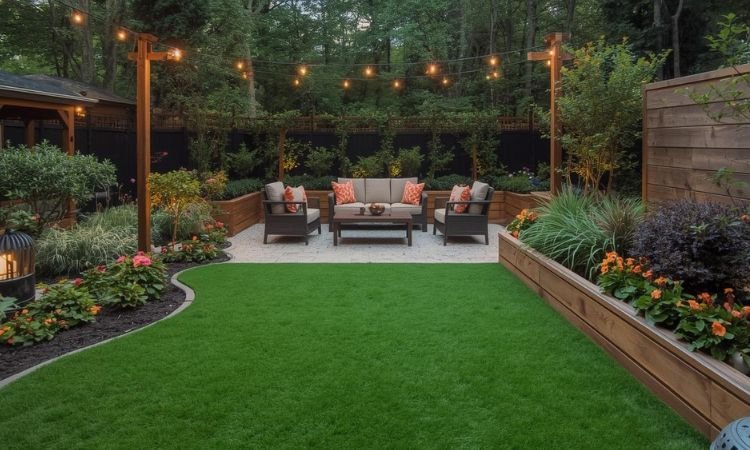
Replace your entire lawn with quality artificial turf eliminating mowing, watering, and fertilizing forever. The uniform green appearance stays perfect year-round regardless of weather or season. It’s like permanent vacation where maintenance disappears.
Choose turf with 1.5-2 inch pile height and multiple shades mimicking natural grass. Install proper drainage base preventing water issues. This turf backyard transformation makes most sense in drought-prone areas or for people who hate lawn care.
Dedicated Pet Area
Create a designated pet zone with turf specifically designed for animal use featuring enhanced drainage and antimicrobial backing. The durable surface handles digging, running, and bathroom use without turning into mud pits. It’s like pet paradise where dogs can be dogs without destroying your yard.
Install extra drainage layers and use infill designed for odor control. Rinse weekly with water keeping the area fresh. This turf backyard solution saves the rest of your yard from pet damage while giving dogs proper play space.
Turf and Hardscape Combination
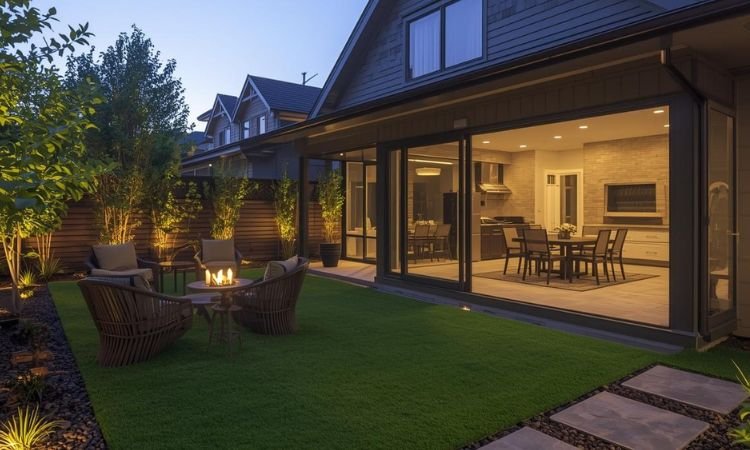
Blend artificial turf with pavers, gravel, or decomposed granite creating modern mixed-material designs. The combination breaks up large turf areas preventing monotony while adding visual interest. It’s like layering textures where variety creates sophistication.
Use geometric patterns with turf panels between hardscape sections or create organic shapes. The mixed approach costs less than full turf installation while looking more intentional. This turf backyard design suits contemporary landscapes and reduces overall turf footage needed.
Rooftop or Balcony Installation
Install turf on rooftops or balconies creating green spaces where natural grass won’t survive. The lightweight options work on elevated surfaces without excessive weight or irrigation requirements. It’s like bringing ground level up where grass wouldn’t normally grow.
Use turf specifically rated for rooftop installation with proper drainage mats underneath. The installation transforms unusable space into functional outdoor areas. This turf backyard idea extends living space upward in urban settings.
Narrow Side Yard Solution
Cover difficult narrow side yards with turf eliminating awkward mowing and maintenance in tight spaces. The low-maintenance surface keeps side areas looking intentional rather than neglected. It’s like problem solving where turf handles what grass can’t.
Side yards often get too much shade, too little water, or too much foot traffic for natural grass. Turf thrives in these conditions without special care. This turf backyard application tackles one of the most annoying maintenance areas.
Putting Green Installation
Create a backyard putting green with specialized golf turf designed for ball roll and durability. The practice area adds entertainment value while eliminating a maintenance-heavy lawn section. It’s like home recreation where function meets hobby.
Use short-pile golf-specific turf with proper base compaction. Add sand infill creating realistic ball behavior. This turf backyard feature appeals to golf enthusiasts wanting convenient practice space.
Play Area Safety Surface
Install cushioned turf in kids’ play areas providing soft landing surfaces under play equipment. The padded options reduce injury risk compared to grass, dirt, or wood chips. It’s like safety flooring where falls hurt less.
Choose turf with foam padding backing rated for playground use. Position it under swings, slides, and climbing structures. This turf backyard safety feature gives parents peace of mind while looking better than traditional playground surfaces.
Steep Slope Coverage
Cover steep slopes with turf eliminating dangerous mowing and preventing erosion. The lightweight material installs on grades where maintaining natural grass becomes hazardous. It’s like solving geometry problems where turf handles what grass won’t.
Secure turf with extra fasteners on slopes preventing shifting. The no-maintenance solution beats constantly fighting gravity with mowers. This turf backyard application handles challenging terrain natural grass struggles with.
Pool Deck Perimeter
Surround pool areas with turf creating soft, non-slip surfaces that stay cool underfoot. The chlorine-resistant material handles pool splashes while providing comfortable barefoot walking. It’s like pool carpeting where comfort meets function.
Use turf rated for pool use with enhanced UV resistance and drainage. The installation eliminates hot concrete or rough paving around pools. This turf backyard feature improves pool area comfort significantly.
Bocce Ball or Game Court
Install firm, level turf creating bocce ball courts, croquet lawns, or other game surfaces. The consistent surface provides better gameplay than uneven natural grass. It’s like sports facility where home courts stay playable.
Use dense, short-pile turf for sports applications. Install over compacted base ensuring level playing surface. This turf backyard recreation area adds entertainment value and stays ready for use year-round.
Turf and Natural Grass Blend
Combine artificial turf in problem areas with natural grass in suitable zones creating hybrid yards. The mixed approach uses turf strategically while maintaining real grass where it grows well. It’s like best of both where you’re not all-or-nothing.
Install turf in heavy shade, high traffic paths, or pet areas while keeping natural grass in sunny open spaces. The blended approach looks more natural than full artificial coverage. This turf backyard strategy balances maintenance reduction with authenticity.
Making Turf Installations Last
Prepare Base Properly: Excavate 3-4 inches installing compacted base rock and drainage layers before turf goes down. It’s like foundations where what’s underneath determines performance. The proper base prevents settling and drainage issues.
Choose Quality Turf: Invest in premium turf with UV protection, varied blade heights, and realistic coloring rather than cheap options. It’s like buying quality where initial cost affects years of satisfaction. The good stuff looks better and lasts longer.
Install Proper Edging: Use commercial-grade edging securing turf perimeters preventing lifting or separation. It’s like borders where edges determine installation integrity. The quality edging maintains neat appearance long-term.
Maintain Regularly: Brush turf monthly keeping blades upright, rinse pet areas weekly, and remove debris preventing matting. It’s like basic care where minimal effort maintains appearance. The simple maintenance keeps turf looking fresh.
Frequently Asked Questions About Turf Backyards
How Much Does Artificial Turf Cost?
Professional artificial turf installation costs $12-20 per square foot including materials and labor for residential projects. Basic turf runs $6-8 per square foot installed while premium options cost $15-20 per square foot. A typical 500 square foot backyard costs $6,000-10,000 for quality turf professionally installed.
DIY installation saves 40-50% on labor but requires proper tools and technique. Material costs alone run $3-8 per square foot depending on quality. Factor in additional costs for base preparation, edging, infill, and equipment rental. The investment pays back through eliminated water bills and lawn care costs over 10-15 years.
Does Artificial Turf Get Hot In Summer?
Yes—artificial turf gets hotter than natural grass in direct sunlight, sometimes reaching 160-180°F on hot days. Dark green turf heats more than lighter shades while quality matters—premium turf with heat-reflective technology stays cooler. Turf in full sun gets hottest while shaded areas stay more comfortable.
You can cool turf by hosing it down before use—it cools quickly when wet. Choose lighter colored turf for hot climates and consider partial shade from trees or structures. Infill choice also affects heat—sand infill heats less than rubber. The heat factor matters most for barefoot use and pet areas.
How Long Does Artificial Turf Last?
Quality artificial turf lasts 15-20 years with proper maintenance while budget options deteriorate in 5-8 years. UV protection, backing quality, and blade construction determine longevity. Heavy use areas wear faster than low-traffic zones. Pet areas might need replacement sooner due to constant use and exposure to urine.
Manufacturers typically warranty premium turf for 10-15 years against fading and wear. The actual lifespan depends on climate, use intensity, and maintenance consistency. Most turf shows noticeable wear after 12-15 years even with good care. Factor replacement costs into long-term budgeting—it’s not truly a permanent solution.
Is Artificial Turf Safe For Kids And Pets?
Modern artificial turf is generally safe for kids and pets when you choose quality products and maintain them properly. Lead-free turf with non-toxic infill poses minimal health risks. Pet-specific turf includes antimicrobial backing preventing bacteria growth and enhanced drainage handling urine.
Some concerns exist about heat exposure and abrasion burns from falls on hot turf. Infill choices matter—avoid crumb rubber if you’re worried about chemicals, choosing sand or organic alternatives instead. Regular cleaning prevents bacteria buildup. The safety factor depends heavily on product quality and maintenance habits.
Can You Install Turf Yourself?
Yes—DIY turf installation is possible for handy homeowners willing to invest time and rent proper equipment. You’ll need plate compactor, utility knife, turf cutter, and power broom. The process involves excavating, installing base layers, laying turf, seaming sections, securing edges, and adding infill.
Expect 2-3 full days for a 500 square foot installation working with a helper. Mistakes with base preparation or seaming show up as bumps, gaps, or drainage problems later. Small areas under 200 square feet make good DIY projects while larger installations often justify professional costs. Watch installation videos and rent quality equipment if attempting DIY.
Creating Your Perfect Turf Backyard
Turf backyard ideas prove that artificial grass can genuinely improve outdoor spaces when used thoughtfully. The smart strategies combine turf with other elements creating functional yards that look intentional rather than lazy. I’ve found that the best turf installations solve specific problems rather than just replacing grass because it’s trendy.
Start by identifying where turf actually makes sense—problem areas where natural grass fails or high-maintenance zones eating your time. Choose quality turf that looks realistic from normal viewing distances. Invest in proper installation with adequate drainage and quality base. The thoughtful approach creates low-maintenance yards you’ll actually enjoy rather than regret years later.
What’s driving your interest in artificial turf? Share your backyard challenges below!