Artificial Turf Backyard Ideas That Look Natural And Stay Perfect
Your yard looks terrible and you’re done fighting it. The grass dies in summer drought, turns to mud in spring, and never looks as good as your neighbors’ perfect lawns. You’ve tried everything—different seed types, irrigation systems, fertilizers—but you’re still stuck with a patchy mess that demands constant attention. There’s got to be a better way.
Artificial turf has evolved way beyond the obviously fake stuff that screamed “plastic grass” from across the street. Modern options look surprisingly realistic and solve real problems for people tired of lawn maintenance, dealing with drought restrictions, or just wanting their weekends back. The difference between good and bad turf installations comes down to smart design choices that blend artificial with natural elements.
I’m covering everything from full lawn replacements and mixed material designs to creative applications and styling tricks. You’ll see which turf types look most realistic, how to blend turf with real plants and hardscaping, what mistakes make installations look cheap, and design ideas that actually enhance your outdoor space. These approaches work in real yards where you’re balancing aesthetics, budget, and practical needs.
What Makes Artificial Turf Backyards Work
Realistic Turf Quality Matters: Modern premium turf with varied blade heights, multiple green tones, and brown thatch layers looks natural from normal distances. It’s like quality replicas where details sell the authenticity. The realistic options fool most people until they touch it.
Blending With Natural Elements: Mixing turf with real plants, trees, hardscaping, and natural borders prevents the artificial look that comes from wall-to-wall synthetic surfaces. It’s like integration where variety creates believability. The mixed approach makes turf feel intentional rather than lazy.
Proper Installation Shows: Professional-grade base preparation, quality edging, and correct infill create installations that look and perform well long-term. It’s like foundations where what’s underneath determines results. The quality installation separates great from mediocre.
Strategic Placement Maximizes Benefits: Using turf where natural grass fails—high traffic areas, deep shade, slopes—makes more sense than replacing healthy lawn. It’s like problem solving where you address specific pain points. The targeted approach delivers benefits without unnecessary expense.
Artificial Turf Backyard Ideas That Look Natural And Stay Perfect
Transform your outdoor space with these artificial turf backyard ideas featuring smart design approaches.
Full Lawn Replacement
Replace your entire lawn with quality artificial turf creating uniformly perfect green space year-round. The complete coverage eliminates all mowing, watering, and fertilizing while maintaining pristine appearance. It’s like permanent vacation where lawn care disappears completely.
Choose turf with 1.5-2 inch pile height and at least three shades of green mimicking natural grass variation. Install proper drainage base and quality edging. This artificial turf backyard transformation works best in drought-prone areas or for people who genuinely hate yard work.
Turf and Garden Bed Combination
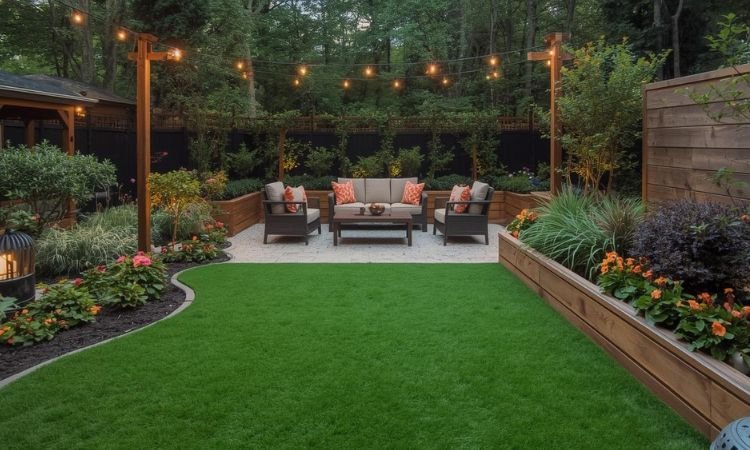
Blend artificial turf with lush garden beds creating contrast between manicured lawn areas and natural plantings. The combination softens the artificial look while reducing overall maintenance. It’s like balance where variety creates authenticity.
Use curved borders rather than straight lines making transitions feel organic. Plant beds with varying heights and textures frame turf sections naturally. This artificial turf backyard design looks intentional rather than like you gave up on real grass.
Geometric Pattern Installation
Create modern designs using different turf types, colors, or mixing turf with hardscape in geometric patterns. The contemporary approach makes the artificial nature part of the aesthetic rather than something to hide. It’s like owning it where bold design becomes the point.
Use contrasting colors or materials defining squares, stripes, or angular shapes. The graphic approach suits mid-century modern or contemporary homes. This artificial turf backyard style works when you want modern over natural-looking.
Turf and Paver Checkerboard
Alternate turf squares with pavers creating interesting patterns that reduce overall turf footage while adding visual appeal. The mixed material approach costs less than full turf coverage while looking more intentional. It’s like parquet floors where pattern creates interest.
Use 12×12 or 18×18 inch squares for balanced proportion. The combination also improves drainage compared to solid turf coverage. This artificial turf backyard design delivers contemporary style with practical benefits.
Sloped Area Solution
Cover difficult slopes with turf eliminating dangerous mowing and preventing erosion. The installation transforms unusable steep areas into attractive green space requiring zero maintenance. It’s like reclaiming territory where turf handles what grass won’t.
Secure turf with extra stakes on slopes preventing shifting. The no-maintenance solution beats fighting gravity with mowers or letting slopes turn to weeds. This artificial turf backyard application tackles challenging terrain natural grass struggles with.
Shaded Area Coverage
Install turf in deep shade where natural grass refuses to grow creating consistently green spaces under trees or beside structures. The shade-tolerant solution solves one of the most frustrating lawn problems. It’s like filling gaps where nothing else works.
Choose lighter colored turf for shaded areas preventing the too-dark look some green turf gets without sunlight. The installation eliminates the endless battle trying to grow grass where it won’t succeed. This artificial turf backyard fix addresses a problem every homeowner with mature trees faces.
Pool Surround Installation
Surround pool areas with turf creating soft, non-slip surfaces that stay cool underfoot and handle chlorine splashes. The pool-friendly material beats hot concrete or rough decking for barefoot walking. It’s like carpeting where comfort improves the pool experience.
Use turf rated for pool use with enhanced UV resistance and drainage. Extend turf at least 3-4 feet around pool perimeter. This artificial turf backyard feature transforms pool areas into resort-style spaces.
Rooftop or Balcony Garden
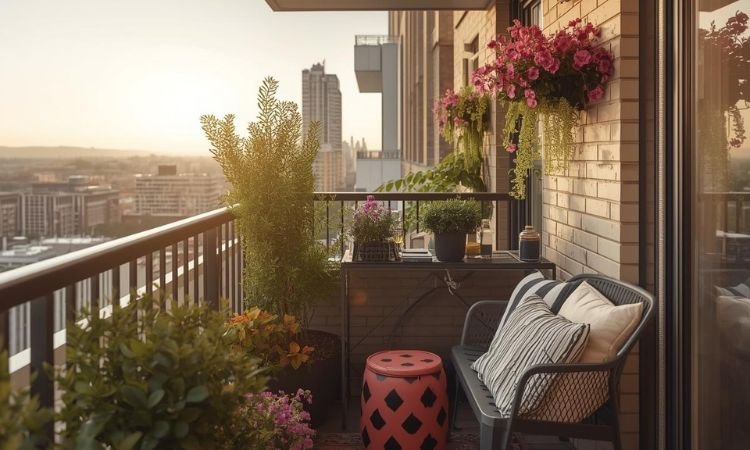
Install turf on rooftops, balconies, or terraces creating green spaces where natural grass can’t survive. The lightweight options work on elevated surfaces without excessive weight or irrigation needs. It’s like bringing ground level up where grass wouldn’t normally grow.
Use turf specifically rated for rooftop installation with proper drainage mats underneath. The transformation turns concrete into usable green space. This artificial turf backyard idea extends outdoor living upward in urban settings.
Pet-Friendly Yard Design
Create dedicated pet areas with turf designed for animal use featuring enhanced drainage and antimicrobial backing. The durable surface handles digging, running, and bathroom use without turning into mud pits. It’s like dog paradise where pets can be pets without destroying your yard.
Install extra drainage layers and use infill designed for odor control. Rinse weekly keeping the area fresh. This artificial turf backyard solution saves your yard from pet damage while giving dogs proper space.
Mixed Texture Landscape
Combine turf with gravel, decomposed granite, mulch, or other ground covers creating varied textures and visual interest. The multi-material approach prevents monotony while defining different zones. It’s like layering where variety creates sophistication.
Use turf for main lawn areas and alternative materials for paths, borders, or accents. The blended design looks more natural than solid turf coverage. This artificial turf backyard strategy creates professional landscape design rather than just fake grass.
Entertainment Area Base
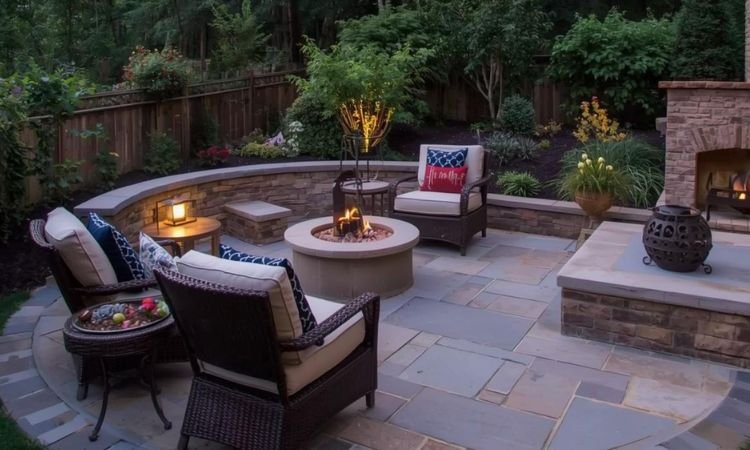
Create outdoor entertainment spaces with turf providing clean, comfortable surfaces for seating areas, outdoor kitchens, or game zones. The versatile base handles furniture, foot traffic, and activities without wear. It’s like outdoor flooring where turf becomes foundation.
Define entertainment zones with turf while using pavers or decking for structures and heavy furniture. The combination creates functional spaces that stay neat year-round. This artificial turf backyard application turns yards into true outdoor living rooms.
Making Artificial Turf Look Natural
Choose Quality Over Price: Invest in premium turf with realistic appearance and durability rather than cheap options that scream fake. It’s like buying quality where upfront cost affects years of satisfaction. The good stuff makes or breaks the whole installation.
Blend With Real Plants: Surround turf with natural plantings, trees, and garden beds softening edges and adding authenticity. It’s like framing where natural elements make synthetic look better. The living plants prevent the artificial takeover appearance.
Use Proper Edging: Install quality edging securing turf perimeters and creating clean transitions to other materials. It’s like finishing touches where edges determine professional appearance. The neat borders make installations look intentional.
Maintain Regularly: Brush turf monthly, remove debris weekly, and keep infill levels correct maintaining appearance and function. It’s like basic care where minimal effort preserves quality. The simple maintenance keeps turf looking fresh for years.
Frequently Asked Questions About Artificial Turf Backyards
Does Artificial Turf Look Fake In Backyards?
Premium artificial turf with multiple blade types, varied green tones, and brown thatch looks surprisingly realistic from normal viewing distances. Most people can’t tell the difference until they touch it or look very closely. Cheap turf with uniform color and texture screams fake immediately—the quality difference is dramatic.
The overall design matters as much as turf quality. Blending turf with natural plantings, using curved borders, and avoiding wall-to-wall coverage makes installations look intentional rather than cheap. Turf surrounded by garden beds and trees reads as landscaping choice while solid turf yards often look obviously artificial. Context and quality combine determining whether it looks natural or fake.
How Long Does Artificial Turf Last In Backyards?
Quality artificial turf lasts 15-20 years in residential backyards with proper maintenance. Premium options with UV protection and durable backing maintain appearance throughout this lifespan. High-traffic areas might show earlier wear but generally remain functional. Budget turf deteriorates in 5-8 years showing fading, matting, and blade breakdown.
Actual longevity depends on climate, use intensity, and maintenance consistency. Harsh sun exposure, heavy foot traffic, and poor maintenance shorten lifespan while moderate use and good care extend it. Most manufacturers warranty premium turf for 10-15 years against fading and structural failure. Factor replacement into long-term planning—it’s not permanent like concrete but significantly longer-lasting than natural grass.
What’s The Biggest Downside Of Artificial Turf?
Heat is the primary complaint—turf gets significantly hotter than natural grass in direct sunlight, sometimes reaching 160-180°F on hot days. This makes barefoot use uncomfortable during summer afternoons and can heat surrounding air. The temperature issue affects southern climates more than northern areas.
The upfront cost is the other major downside. Professional installation runs $12-20 per square foot—a 1,000 square foot yard costs $12,000-20,000. While it saves money long-term through eliminated water bills and maintenance, the initial investment is substantial. Additionally, turf doesn’t provide the cooling effect real grass does and some people simply prefer the feel and smell of natural grass.
Can You Mix Artificial Turf With Real Grass?
Yes—many homeowners use turf in problem areas while maintaining natural grass where it grows well. This hybrid approach uses turf for heavy traffic zones, deep shade, steep slopes, or pet areas while keeping real grass in sunny open spaces. The mixed strategy balances maintenance reduction with maintaining some natural lawn.
The key is creating intentional transitions between real and artificial using garden beds, pathways, or edging defining each zone clearly. Avoid trying to blend them directly since the texture and color differences become obvious side-by-side. Use turf strategically solving specific problems rather than replacing entire lawns when grass grows adequately in some areas. The hybrid approach often looks more natural than full turf coverage.
Does Artificial Turf Increase Home Value?
Artificial turf’s impact on home value varies by market and installation quality. In drought-prone areas like Southern California and Arizona, quality turf installations often add value by reducing water costs and maintenance. In regions where lush natural lawns are standard, turf might actually hurt resale value since buyers see it as cheap or undesirable.
Quality matters enormously—professional installations with realistic turf and proper integration look like landscaping upgrades while cheap turf with poor installation screams “corner-cutting.” The return on investment typically ranges from 50-80% of installation costs in favorable markets. Consider your local market preferences before assuming turf adds value. In some neighborhoods, buyers specifically seek low-maintenance yards making turf attractive, while others prize natural landscapes.
Creating Your Perfect Artificial Turf Yard
Artificial turf backyard ideas prove that synthetic grass can genuinely enhance outdoor spaces when designed thoughtfully. The smart strategies blend turf with natural elements creating yards that look intentional rather than like you gave up on real grass. I’ve found that the best turf installations solve specific problems while maintaining visual appeal through mixed materials and quality products.
Start by identifying where turf actually makes sense rather than replacing perfectly healthy grass. Choose realistic turf that doesn’t scream plastic from across the yard. Blend with natural plantings, vary materials, and use quality installation creating professional results. The thoughtful approach delivers low-maintenance yards you’ll actually enjoy rather than installations you end up regretting.
What’s pushing you toward artificial turf? Share your lawn frustrations below!