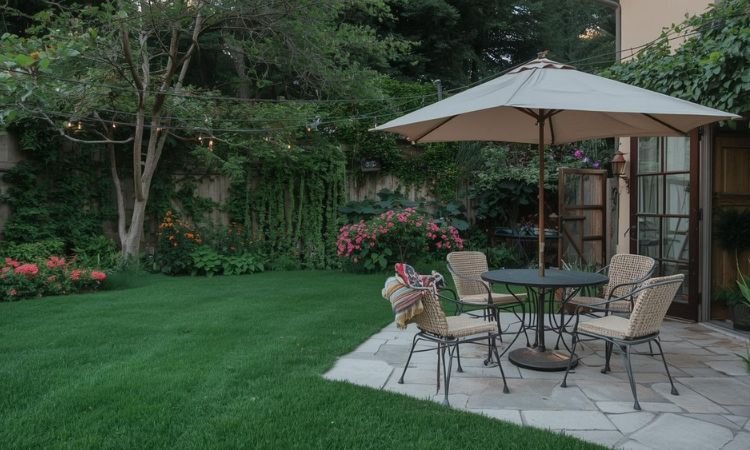
10 Backyard Privacy Ideas from Neighbors That Work Without Building a Wall
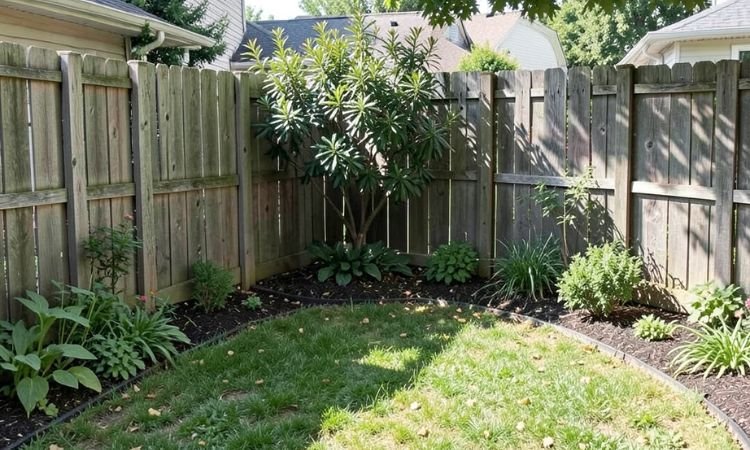
You don’t need a 6-foot fence to block prying eyes or reduce noise. Most urban and suburban backyards are 30 to 60 feet wide, with neighboring windows just 15 to 25 feet away—close enough to see into your patio or garden.
The right solution adds screening without making your yard feel closed in.
These 10 ideas focus on layered, non-permanent, and code-friendly approaches that work with existing fences, patios, or landscaping—no permits required.
Why Layered Screening Works Better Than Solid Walls
Soft barriers feel more open: Plants and screens filter views without blocking light or air.
Many HOAs restrict solid fencing: But often allow greenery, trellises, or fabric—check your rules first.
Height isn’t everything: Strategic placement at eye level (4–6 ft) blocks sightlines better than tall walls in small yards.
Temporary = flexible: Renters or short-term residents can use removable solutions.
10 Backyard Privacy Ideas from Neighbors That Work Without Building a Wall
All concepts assume standard lot sizes and typical neighbor proximity.
1. Tall Potted Plants Along the Edge
Place large containers (24″–30″ diameter) with fast-growing evergreens like arborvitae, bamboo, or olive trees along your property line. Group 3–5 pots together for continuous screening.
Use lightweight plastic or fiberglass pots if you rent. Water weekly. Move seasonally to adjust coverage.
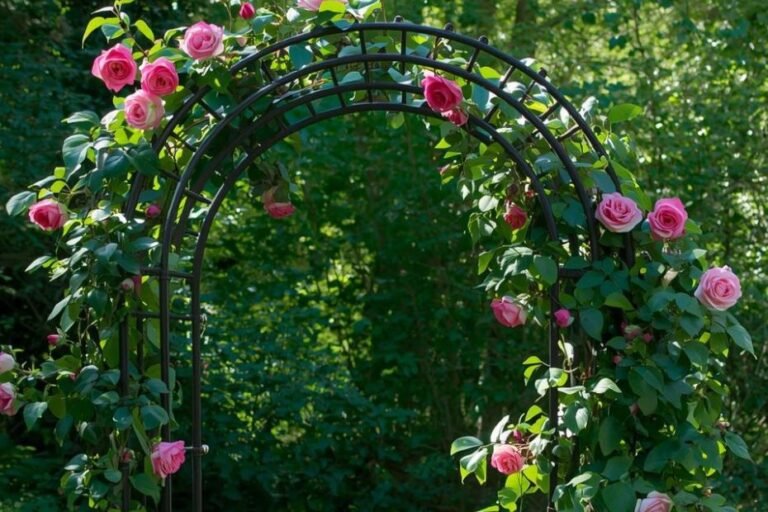
2. Freestanding Trellis with Climbing Vines
Install a 6’–8′ tall freestanding trellis (wood or metal) and train climbing plants like clematis, jasmine, or trumpet vine. Provides living privacy that thickens over time.
Anchor securely in wind-prone areas. Place 3–5 feet in front of a neighbor’s window for best effect—not right against your fence.
3. Outdoor Privacy Screen Panels
Use modular lattice or woven reed panels (6′ H x 4′ W) mounted on posts or weighted bases. Can be moved or stored seasonally. Choose rot-resistant cedar or vinyl.
Place diagonally in corners to block diagonal sightlines. Pair with string lights for evening ambiance.
4. Raised Planter Box with Greenery
Build or buy a 24″–36″ tall planter box along your patio edge. Fill with ornamental grasses, boxwood, or dwarf shrubs. Acts as a visual barrier while adding garden interest.
Width: 18″–24″—deep enough for roots, narrow enough to save space. Line with landscape fabric to retain soil.
5. Hanging Fabric or Bamboo Shades
Attach outdoor-rated fabric or bamboo roll-up shades to your existing fence or pergola. Pull down when needed, roll up for open views. Use grommets and hooks for easy removal.
Choose mildew-resistant materials like Sunbrella or PVC-free bamboo. Ideal for patios under 12’x12′.
6. Strategic Tree Placement
Plant a single deciduous tree (like Japanese maple or dogwood) 10–15 feet from your seating area. Its canopy blocks upper-level neighbor windows while allowing light below.
Avoid invasive roots near foundations. Check mature height—most small trees top out at 15’–25′.
7. Vertical Garden on Existing Fence
Mount pocket planters or modular green wall panels on your current fence. Fill with ferns, ivy, or succulents. Adds texture and breaks up hard lines.
Use self-watering systems for low maintenance. Best on fences that get partial sun.
8. Angled Pergola or Sail Shade
Install a pergola with slats angled toward the neighbor’s house—or a triangular shade sail—to block direct lines of sight while keeping your yard open.
Mount posts 2–3 feet inside your property line. Use weather-resistant wood or powder-coated steel.
9. Decorative Privacy Screen on Wheels
Use a folding 3–4 panel screen (6′ tall) on casters. Roll into place when guests are over or neighbors are outside. Store against a wall when not needed.
Choose all-weather wicker, metal, or treated wood. Great for renters or temporary setups.
10. Mixed Shrub Border (Low + Tall Layers)
Plant a two-tier border: 2’–3′ tall shrubs (boxwood, hydrangea) in front, 5’–6′ tall evergreens (arborvitae, holly) behind. Creates depth and full-year screening.
Space plants 3′ apart for quick fill-in. Mulch to retain moisture and suppress weeds.
Common Mistakes and Fixes
- Blocking your own light
Fix: Keep tall screens only where needed—e.g., beside a neighbor’s window, not across your whole yard. - Choosing invasive plants
Fix: Avoid bamboo species that spread underground. Opt for clumping varieties or contained pots. - Ignoring wind load
Fix: Anchor freestanding screens with concrete-filled bases or ground stakes—never rely on weight alone. - Over-screening in small yards
Fix: In yards under 400 sq ft, use partial screens (e.g., just behind seating) instead of full perimeter coverage. - Skipping seasonal care
Fix: Prune vines annually. Replace faded fabric. Healthy plants = better privacy.
Screen Smart, Not Tall
True backyard privacy comes from blocking specific sightlines—not enclosing your entire yard. Focus on the angles that matter: your patio, hot tub, or dining area.
Use greenery, fabric, or simple structures to create calm without confinement.
Which of these 10 ideas fits your yard’s layout and your neighbor’s sightlines? Start with one potted tree or a single trellis—then add more only where needed.