11 Balcony Garden Decor Ideas That Maximize Greenery in Small Outdoor Spaces
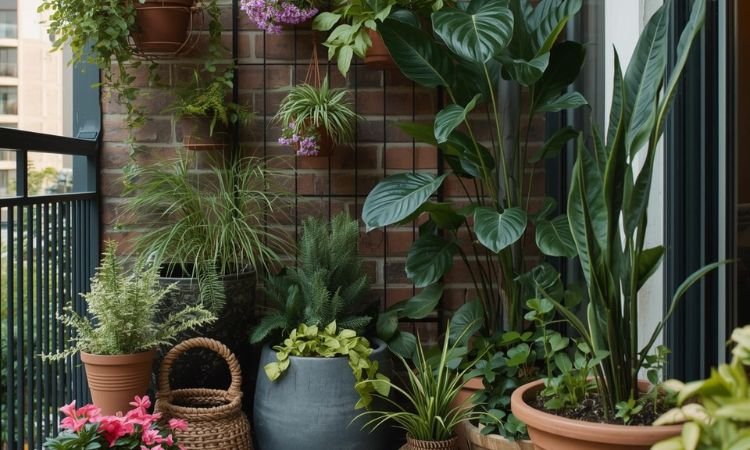
Most residential balconies range from 4’x6′ to 8’x12′—just enough room for two chairs, a small table, and vertical greenery.
The key to a thriving balcony garden isn’t square footage, but smart use of walls, railings, and height.
These 11 ideas focus on space-efficient planting, durable materials, and layouts that work with sun exposure, wind, and weight limits—so your balcony feels lush, not cluttered.
Why Vertical and Layered Design Wins
Weight matters: Most balconies support 50–100 lbs per sq ft—pots, soil, and furniture must stay within limits.
Sun exposure varies: East = morning light (great for herbs); west = hot afternoon sun (needs drought-tolerant plants).
Wind is constant: Tall or top-heavy planters can tip—secure everything.
Drainage is non-negotiable: Saucers trap water; use pots with holes and elevate them slightly.
11 Balcony Garden Decor Ideas That Maximize Greenery in Small Outdoor Spaces
All concepts work on balconies as small as 4’x6′ and assume standard railing height (36″–42″).
1. Railing-Mounted Planter Boxes
Attach lightweight metal or composite boxes (6″–8″ deep) directly to the railing. Grow herbs, lettuce, or trailing flowers like petunias. Choose models with built-in drainage.
Secure with brackets—not just hooks. Ideal for renters (no drilling into floor).
2. Tiered Vertical Plant Stands
Use a 3–4 tier metal or wood stand (24″–30″ wide) to hold multiple pots at varying heights. Place taller plants (like dwarf citrus or olive) on bottom, herbs on top.
Keep total footprint under 2’x2′. Anchor with sand-filled base if windy.
3. Hanging Pots from Ceiling or Railing
Suspend 6″–8″ diameter pots with macramé hangers or S-hooks from the ceiling frame or upper railing. Perfect for trailing plants: string of pearls, ivy, or sweet potato vine.
Use lightweight plastic or fiberglass pots—ceramic is too heavy overhead.
4. Wall-Mounted Pocket Planters
Install felt or recycled-plastic vertical gardens on a wall or privacy screen. Fill with succulents, ferns, or herbs. Water from the top—the moisture wicks down.
Best in partial sun. Avoid full afternoon sun—it dries pockets too fast.
5. Fold-Down Table with Integrated Herb Garden
Mount a wall-mounted drop-leaf table (24″x18″) with shallow planter boxes built into the surface. Grow basil, thyme, or mint right where you’ll use them.
Folds flat when not in use. Use food-safe liners and ensure drainage.
6. Corner Trellis with Climbing Vines
Place a 4’–6′ tall freestanding trellis in a corner. Train fast-growing vines like black-eyed Susan, morning glory, or jasmine. Creates privacy and vertical interest.
Anchor in a weighted planter (20+ lbs) or bolt to floor if allowed.
7. Stackable Self-Watering Pots
Use modular stackable planters with built-in reservoirs (e.g., 3-tier herb towers). Reduces watering frequency—ideal for busy schedules.
Place near a water source. Keep in partial sun to prevent algae in reservoirs.
8. Compact Bistro Set with Under-Table Storage
Choose a small metal or acacia wood table (24″x24″) with two chairs. Store gardening tools or extra pots in a lidded bin underneath.
Look for sets under 60 lbs total. Add cushions only when in use to avoid mildew.
9. String Lights + Potted Plants Combo
Hang warm-white LED string lights along the railing or ceiling. Place 3–5 potted plants (snake plant, olive tree, geraniums) on the floor or table beneath.
Creates ambiance without taking up space. Use solar-powered lights if no outlet.
10. Rolling Planter Cart
Use a narrow utility cart (18″ W x 12″ D) on lockable casters. Top shelf: herbs; middle: flowers; bottom: storage bin. Roll aside for cleaning or entertaining.
Choose rust-resistant metal or sealed wood. Keep fully loaded weight under 50 lbs.
11. Monochromatic Pot Palette
Stick to one pot material and color: e.g., all matte black ceramic, all terracotta, or all white fiberglass. Creates calm amid greenery.
Avoid mixing plastic, metal, and clay—it looks chaotic in tight spaces.
Common Mistakes and Fixes
- Overloading with too many plants
Fix: Limit to 5–7 plants max on small balconies. More feels crowded, not lush. - Using heavy ceramic pots on upper floors
Fix: Choose fiberglass, resin, or fabric pots—they’re lighter and just as durable. - Ignoring wind exposure
Fix: Secure tall plants with stakes. Avoid top-heavy arrangements on high floors. - Skipping saucer alternatives
Fix: Use pot feet or risers to elevate containers—lets water drain without staining floors. - Planting shade lovers in full sun
Fix: Match plants to your balcony’s light:
- Full sun (6+ hrs): Geraniums, lavender, rosemary
- Partial sun (3–6 hrs): Mint, parsley, begonias
- Shade (<3 hrs): Ferns, hostas, snake plants
Grow Up, Not Out
A successful balcony garden uses height, not floor space. Focus on vertical planters, railing boxes, and hanging pots—then add seating only after greenery is placed. The best balcony feels like a hidden garden, not a storage deck.
Which of these 11 ideas fits your balcony’s size and sun exposure? Start with three plants and one railing box—you’ll create impact without overwhelm.