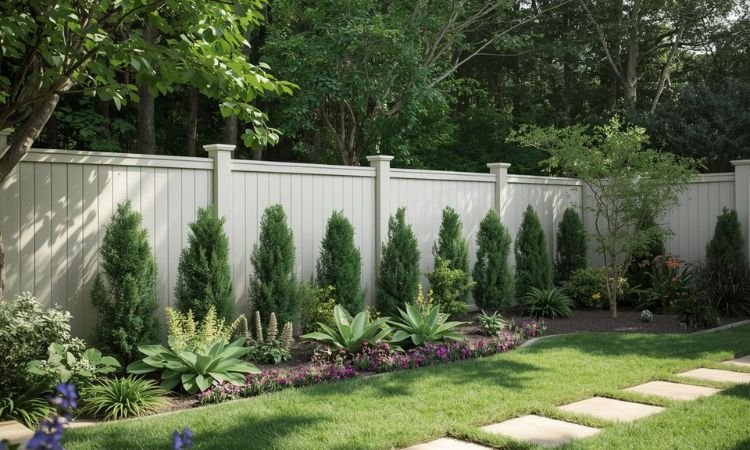
Flat Balcony Ideas That Make the Most of Rooftop or Ground-Level Outdoor Space
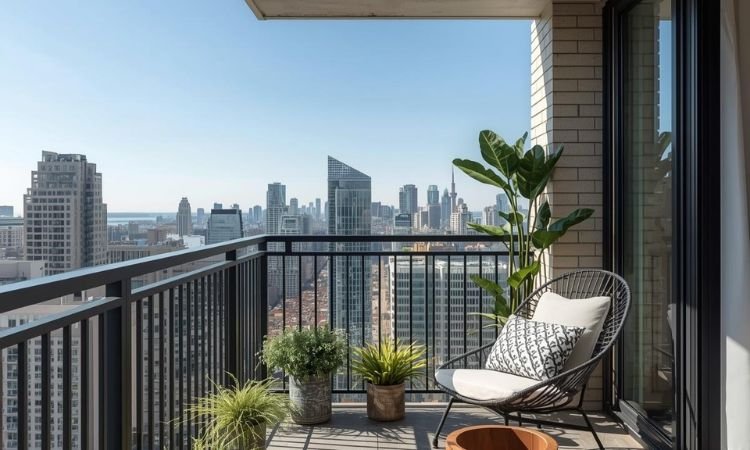
Flat balconies—whether rooftop terraces, ground-level patios, or concrete slabs off an apartment—often lack built-in charm but offer full design control.
Typically 6’x8′ to 12’x12′, these open rectangles can feel exposed, barren, or undefined without intentional layout. The key is creating zones for seating, greenery, and movement while managing sun exposure, wind, and drainage.
These 11 ideas focus on defining edges, adding comfort, and using every inch without overcrowding—so your flat balcony feels like a true outdoor room.
Why Flat Balconies Need Definition
No natural shelter: Open on all sides, they’re exposed to sun, wind, and rain—requiring smart shading and anchoring.
Drainage is critical: Water must flow freely; avoid rugs or planters that block floor drains.
Zones prevent emptiness: Without walls, you must create “rooms” with rugs, furniture, and screens.
Weight limits still apply: Even ground-level slabs may have load restrictions—check before adding heavy planters or furniture.
11 Flat Balcony Ideas That Make the Most of Rooftop or Ground-Level Outdoor Space
All concepts work on open, unenclosed balconies as small as 6’x8′.
1. Define with an Outdoor Rug
Lay a large flat-weave polypropylene rug (5’x8′ or larger) to anchor your seating area and add comfort underfoot.
Choose fade- and mildew-resistant material in neutral tones like oat, gray, or olive to avoid visual clutter in open sightlines.
2. Low Privacy Screen on One Side
Install a freestanding 4’–5′ tall screen made of reed, metal, or wood slats on the most exposed side to block wind or neighbor views.
Use a weighted base or sand-filled planter for stability—never rely on weight alone on windy rooftops.
3. Compact Bistro Set with Umbrella
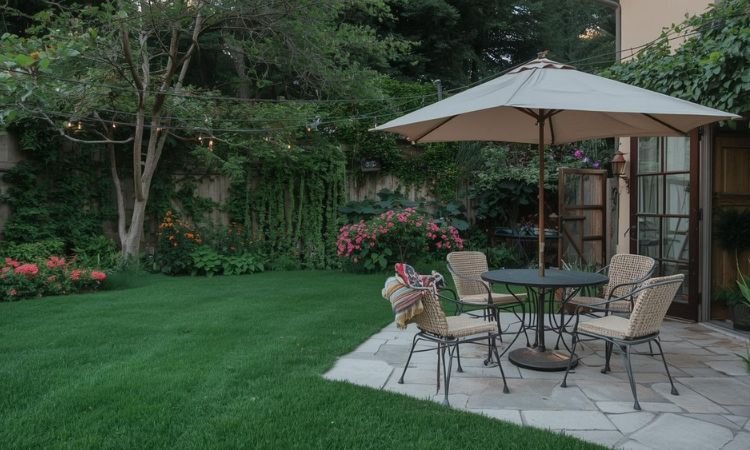
Place a 24″x24″ table with two chairs and a small cantilever umbrella (offset so it doesn’t take up floor space).
Choose powder-coated metal or acacia wood for durability, and secure the umbrella base with extra weight on high floors.
4. Potted Trees in Large Planters
Use two large planters (24″–30″ diameter) with upright trees like olive, dwarf citrus, or arborvitae to add height and softness.
Group them near seating to create a sense of enclosure without blocking views or airflow across the open space.
5. String Lights Overhead Grid
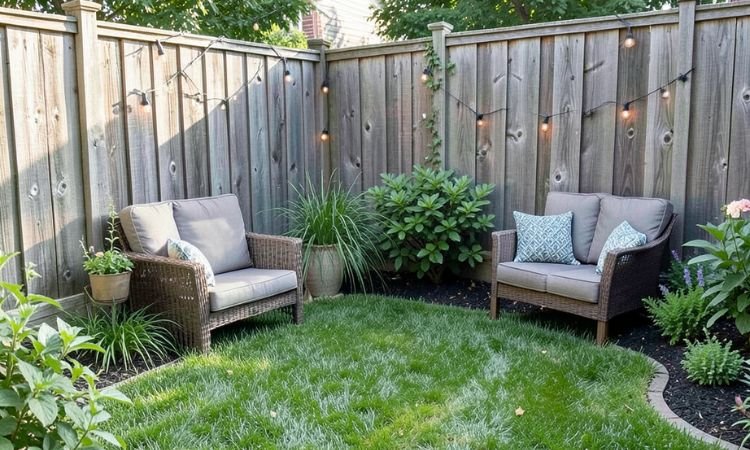
String warm-white LED lights in a grid or crisscross pattern overhead between walls or posts to define the ceiling of your outdoor room.
Use commercial-grade strands with low voltage for safety, and plug into a GFCI outlet or solar power if wiring isn’t available.
6. Rolling Utility Cart for Flexibility
Place a narrow rolling cart (18″ W x 12″ D) with lockable casters to hold drinks, plants, or a small grill near the seating zone.
Roll it aside for cleaning or entertaining, and store it against a wall when not in use to keep the center open.
7. Floor Cushions with Storage Ottoman
Use two floor cushions paired with a lidded storage ottoman (18″x18″) that holds blankets, games, or extra pillows.
Choose performance fabric that resists moisture, and bring cushions indoors during rain or extended wet periods.
8. Vertical Trellis in Corner
Place a 5’–6′ tall freestanding trellis in one corner with a climbing vine like jasmine or black-eyed Susan to add greenery and vertical interest.
Anchor the base in a 20+ lb sand-filled planter to prevent tipping in open, windy conditions.
9. Shade Sail or Cantilever Umbrella
Install a triangular shade sail anchored to walls or posts, or use a heavy-duty cantilever umbrella for adjustable sun protection.
Position it over the seating area only—not the whole balcony—to preserve openness while providing relief during peak sun hours.
10. Monochromatic Furniture Palette
Choose all furniture in one finish—e.g., matte black metal, natural teak, or white resin—to create cohesion in the open space.
Avoid mixing styles or colors; uniformity helps the small area feel intentional, not scattered or temporary.
11. Drain-Friendly Plant Grouping
Arrange 3–5 potted plants of varying heights on the perimeter, keeping the center floor clear and ensuring no pots block floor drains.
Use lightweight fiberglass or resin pots with drainage holes, elevated on pot feet to allow water to flow freely beneath.
Common Mistakes and Fixes
- Blocking floor drains
Fix: Keep all planters and rugs away from drain grates. Elevate pots on feet to let water pass underneath. - Using non-anchored furniture
Fix: Secure umbrellas, screens, and tall planters with sand-filled bases or bungee cords on exposed rooftops. - Skipping sun protection
Fix: Add a shade sail, umbrella, or canopy—even in partial sun—to make the space usable during hot afternoons. - Overcrowding with decor
Fix: Limit to one rug, one seating group, and perimeter greenery. Open space needs breathing room. - Ignoring wind exposure
Fix: Test your layout on a breezy day. If cushions fly or screens wobble, add weight or switch to lower-profile items.
Turn Open Air into Outdoor Room
A flat balcony isn’t just a slab—it’s a blank canvas. With clear zones, smart boundaries, and weather-ready pieces, it can become your favorite spot for morning coffee or sunset wind-downs.
Have you transformed a flat, open balcony? Did you use a shade sail, potted trees, or a rolling cart?
Share your setup in the comments—we’d love to hear how you’ve turned empty space into an outdoor room you actually use.