Japanese Zen Garden Landscaping That Turns Silence Into Design
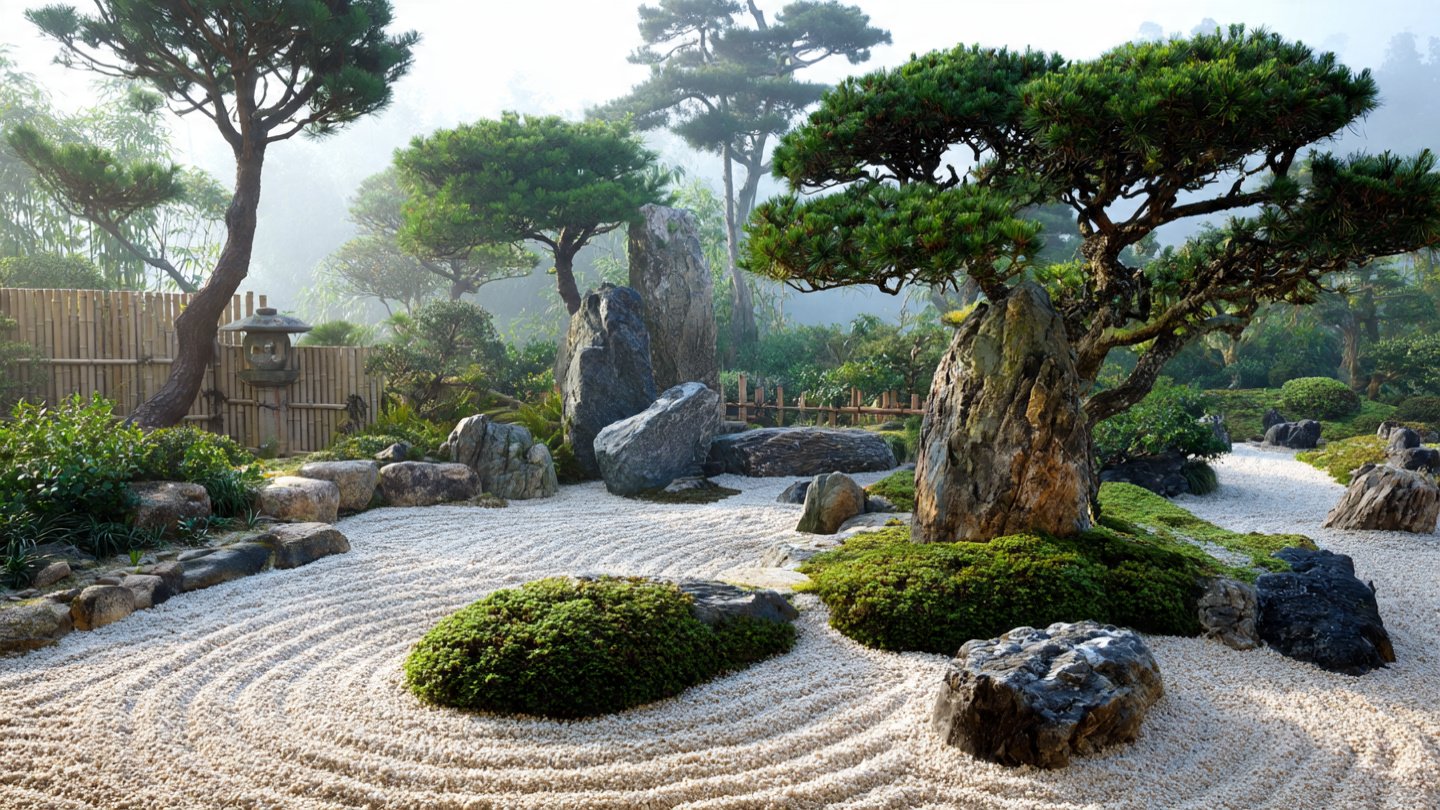
Step in and the world narrows to stone, sand, and one perfect branch. Japanese Zen Garden Landscaping isn’t planted; it’s placed. Every rock is a mountain, every rake line is water, and empty space is the loudest part.
Think of the garden as a scroll you can walk. With Japanese Zen Garden Landscaping, you’re editing hard — boulder, gravel, moss, pine — so the eye rests and the mind follows. You’ll learn how to set stones, shape flow, and prune for shadow so the space meditates even when you don’t.
1. Flow It Calm Like Rocks and Water
Place rocks, plants, and a water feature so the garden flows calm, like a stream that learned to whisper. You’ll see how Japanese Zen Garden Landscaping uses sound to blur the street. Low basin, quiet pump, no splash.
Keep the plant list tight: fern, iris, moss. With Japanese Zen Garden Landscaping, tight is like haiku — few words, deep meaning. The water does the talking.
2. Ring It Simple Like Rocks Around Plants
Set rocks around plants in a small garden so it rings simple, like a bracelet for earth. You can make Japanese Zen Garden Landscaping work when stones are chosen, not gathered. Odd numbers, varied size.
Bury one-third of each rock. In Japanese Zen Garden Landscaping, bury is like root — it looks born there. The space feels old.
3. Light It Low Like Stones and Ground
Lay stepping stones with lights in the ground so it lights low, like moon on path. You’ll love how Japanese Zen Garden Landscaping glows when fixtures hide and only the stone shines. 2700K, never blue.
Space stones for slow steps. With Japanese Zen Garden Landscaping, slow is like bow — it shows respect. The walk becomes ritual.
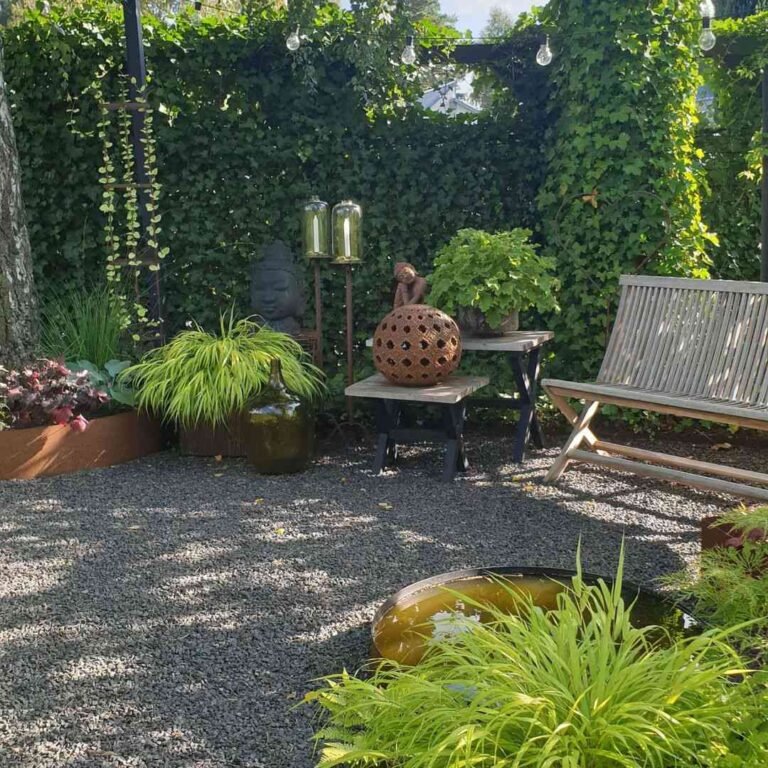
4. Still It Sacred Like Buddha and Stone
Center a Buddha statue surrounded by stone so it stills sacred, like breath held. You can let Japanese Zen Garden Landscaping hold meaning when the statue faces east and sits low. No pedestal shout.
Frame it with raked gravel. In Japanese Zen Garden Landscaping, frame is like silence — it sets off the sound. The garden listens.
5. Stone It Bare Like Rocks and Plants
Use a room with rocks and plants so it stones bare, like a mountain in miniature. You’ll find that Japanese Zen Garden Landscaping needs negative space. If it feels empty, it’s working.
Pick one hero rock. With Japanese Zen Garden Landscaping, one is like moon — it rules the sky. The rest supports.
6. Fountain It Soft Like Rocks Around Water
Set an outdoor fountain surrounded by rocks and plants so it fountains soft, like rain on roof. You can make Japanese Zen Garden Landscaping move without rush when water sheets, not sprays. Black basin hides.
Plant hosta and fern at the edge. In Japanese Zen Garden Landscaping, edge is like shore — it defines. The water looks found.
7. Step It Mindful Like Stones and Bonsai
Lay stepping stones to a bonsai tree so it steps mindful, like words chosen. You’ll see how Japanese Zen Garden Landscaping slows time when the path zigzags. Straight is street.
Keep stones irregular but flat. With Japanese Zen Garden Landscaping, flat is like floor — it invites. The walk is meditation.
8. Stand It Strong Like Rocks and Trees
Anchor rocks with trees so it stands strong, like cliff and pine. You can let Japanese Zen Garden Landscaping use verticals sparingly — one maple, one pine. Prune for shape, not size.
Mulch with gravel, not bark. In Japanese Zen Garden Landscaping, gravel is like paper — you draw on it. The garden reads clean.
9. Center It Still Like Rocks in Middle
Place rocks and plants in the middle so it centers still, like an island in thought. You’ll love how Japanese Zen Garden Landscaping draws eyes when the center holds. Rake circles around.
Leave 60% empty. With Japanese Zen Garden Landscaping, empty is like pause — it makes the note. The space breathes.
10. Step It Small Like Rocks and Stairs
Tuck a small garden with rocks, plants, and steps outside so it steps small, like a poem by the door. You can make Japanese Zen Garden Landscaping fit when the change in level becomes feature. Stone risers, moss treads.
Light each riser low. In Japanese Zen Garden Landscaping, low is like whisper — it guides. The entry slows you.
11. Foreground It Deep Like Rocks and Trees
Set rocks and trees in the foreground so it foregrounds deep, like a painting with space. You’ll find that Japanese Zen Garden Landscaping uses layers — stone, shrub, tree, sky. Each has air.
Prune to show branch. With Japanese Zen Garden Landscaping, show is like bone — structure matters. The garden has skeleton.
12. Ground It Simple Like Rocks and Trees
Combine rocks and trees so it grounds simple, like earth and sky shook hands. You can let Japanese Zen Garden Landscaping stay quiet when the palette is green, grey, and brown. No flowers.
Add one lantern for scale. In Japanese Zen Garden Landscaping, one is like dot — it places you. The garden feels human.
13. Place It Humble Like Buddha and Center
Center small Buddha statues with plants so it places humble, like prayer without words. You’ll see how Japanese Zen Garden Landscaping honors when statues are weathered, not new. Age is earned.
Set them on stone, not dirt. With Japanese Zen Garden Landscaping, stone is like mat — it respects. The garden bows.
14. Pair It Bare Like Rocks and Plants
Use Japanese garden rocks and plants so it pairs bare, like ink and page. You can make Japanese Zen Garden Landscaping speak when the composition is triangle — tall, medium, low. Never line.
Rake straight for calm, wave for wind. In Japanese Zen Garden Landscaping, rake is like pen — it writes. The garden changes daily.
15. List It Clear Like 21 Zen Ideas
Study 21 Zen garden ideas for backyard and indoor so it lists clear, like lessons from stone. You’ll love how Japanese Zen Garden Landscaping scales — tray garden to courtyard, same rules. Proportion, not size.
Pick three and repeat. With Japanese Zen Garden Landscaping, three is like chant — it holds. The garden feels whole.
16. Easy It Up Like 30 Zen Designs
Choose from 30 best easy Zen garden designs so it easies up, like path with no thorns. You can let Japanese Zen Garden Landscaping start simple — gravel square, one rock, one pine. Master that.
Add over years, not weekends. In Japanese Zen Garden Landscaping, years are like rain — they shape. The garden grows you.
17. Tuck It Tight Like Rocks and Plants
Fit a small garden with rocks and plants so it tucks tight, like secret in pocket. You’ll find that Japanese Zen Garden Landscaping loves constraints — fence, wall, corner. Boundaries make beauty.
Use vertical: bamboo, grasses. With Japanese Zen Garden Landscaping, up is like out — it gives space. The corner expands.
18. Bridge It Old Like Rocks and Plants
Arch a bridge over rocks and plants so it bridges old, like path through time. You can make Japanese Zen Garden Landscaping cross when water is dry — gravel river counts. Red bridge, if you dare.
Keep it arched, low, wood. In Japanese Zen Garden Landscaping, arch is like breath — it rises and falls. The garden moves.
19. Glow It Night Like Rocks and Lights
Set lights in garden rocks so it glows night, like embers under moon. You’ll see how Japanese Zen Garden Landscaping lives after dark when uplight hits stone. One beam, not flood.
Hide fixtures behind rock. With Japanese Zen Garden Landscaping, hide is like magic — source unseen. The stone glows from within.
20. Center It Tall Like Rocks and Trees
Plant trees in the center with rocks along the edge so it centers tall, like island with shore. You can let Japanese Zen Garden Landscaping rise when one tree rules. Black pine or maple.
Ring with white gravel for sea. In Japanese Zen Garden Landscaping, ring is like tide — it marks. The garden tells a place.
21. Root It Still Like Tree in Middle
Let a tree sit in the middle of the garden so it roots still, like heart in chest. You’ll love how Japanese Zen Garden Landscaping revolves when the tree is shaped by hand. Cloud prune, don’t shear.
Keep ground bare but raked. With Japanese Zen Garden Landscaping, bare is like stage — it shows the star. The tree becomes the garden.
Stone and Space Rules: Composing Quiet With Weight
Treat the garden like calligraphy — every stroke counts, and white space is half the word. With Japanese Zen Garden Landscaping, you’re placing meaning, not mulch. Edit until it breathes.
- Odd Over Even: Group rocks in 3, 5, or 7, because Japanese Zen Garden Landscaping avoids pairs. Even is static.
- Bury the Base: Sink one-third of each stone, since Japanese Zen Garden Landscaping wants stones grown, not dropped. Roots show age.
- Rake the Rest: Straight lines for calm, waves for wind, for Japanese Zen Garden Landscaping draws with gravel. Change it often.
- Prune the View: Open windows in branches to frame sky, because Japanese Zen Garden Landscaping borrows scenery. That’s shakkei.
- Limit the Palette: Stone, moss, pine, one flower, since Japanese Zen Garden Landscaping says no to noise. Green is enough.
Water and Path Method: Moving Without Motion
Make stillness look like flow. Let Japanese Zen Garden Landscaping use dry to mean wet and path to mean pause.
- River the Gravel: Shape white or grey gravel into streams, because Japanese Zen Garden Landscaping uses dry as water. Curves beat straight.
- Bridge the Gap: One simple wood or stone slab over gravel, since Japanese Zen Garden Landscaping crosses without touching. Crossing is ceremony.
- Island the Stone: Tall rocks as islands in the gravel sea, for Japanese Zen Garden Landscaping builds place with placement. Face them to view.
- Step the Slow: Irregular stones, varied gaps, because Japanese Zen Garden Landscaping walks like thought — not march. Feet must choose.
- Sound the Soft: Tsukubai basin or deer scare for drip, since Japanese Zen Garden Landscaping listens. Water marks time. The garden speaks low.
Frequently Asked Questions
Q: What plants work in Japanese Zen Garden Landscaping?
Ans: Pine, maple, moss, fern, bamboo, and azalea, because Japanese Zen Garden Landscaping uses controlled, structural green. Flowers are rare accents.
Q: Can I do Japanese Zen Garden Landscaping in a small yard?
Ans: Yes, even a 4×6 foot space works, since Japanese Zen Garden Landscaping is about proportion, not size. Tray gardens count.
Q: How do I maintain Japanese Zen Garden Landscaping?
Ans: Rake gravel weekly, prune for shape, and weed moss, because Japanese Zen Garden Landscaping needs care to keep calm. Neglect shows fast.
Q: What’s the difference between Zen and Japanese garden?
Ans: Zen is dry, abstract, minimal — karesansui. Other Japanese gardens use water and more plants. With Japanese Zen Garden Landscaping, stone is water.
Q: Do I need a Buddha for Japanese Zen Garden Landscaping?
Ans: No, it’s optional and personal, because Japanese Zen Garden Landscaping is about nature and space, not religion. One stone can be enough.
Conclusion
A Zen garden doesn’t grow — it’s arranged, and then it teaches you to see. With Japanese Zen Garden Landscaping, you’re not filling space; you’re revealing it. Stone holds the mountain, gravel holds the sea, and you hold the rake.
So start with a square of gravel and three rocks. Add one pine, one lantern, and rake lines before coffee to begin. With Japanese Zen Garden Landscaping, you’re not building a yard — you’re practicing a place, and the practice is the point.