15 Vegetable Container Gardening Ideas for Small Spaces
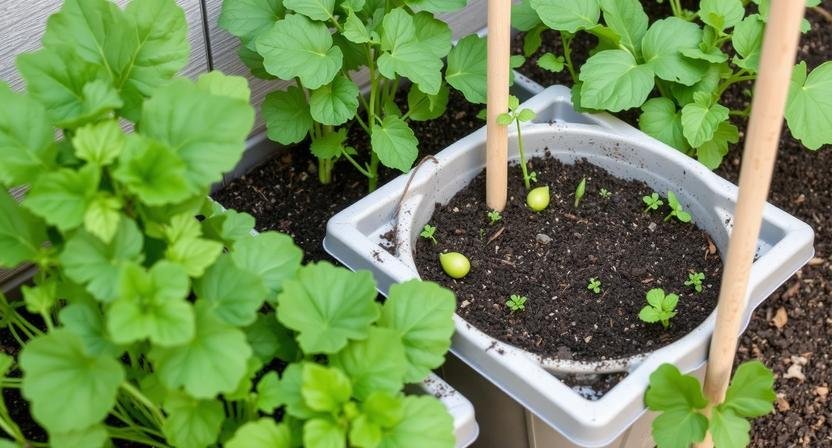
Vegetable container gardening is the perfect solution for anyone who wants fresh produce but lacks traditional garden space. With the right containers and care, you can grow a bountiful harvest on a balcony, patio, or even a windowsill.
This guide to vegetable container gardening will show you how to maximize your yield in minimal space. From choosing the right pots to selecting the best vegetable varieties, you will find everything you need to start your own edible container garden today.
Getting Started with Vegetable Container Gardening
Everything you need to know before you plant your first seed in a pot.
- Select Containers: Choose pots with drainage holes to prevent waterlogged roots.
- Use Quality Soil: Fill containers with a lightweight, nutrient-rich potting mix designed for vegetables.
- Pick the Right Veggies: Opt for compact or dwarf varieties that thrive in confined spaces.
- Water Consistently: Container plants dry out faster, so check soil moisture daily.
- Provide Sunlight: Most vegetables need at least six hours of direct sunlight per day.
- Fertilize Regularly: Use a balanced, slow-release fertilizer to replenish nutrients.
- Monitor for Pests: Inspect leaves often and treat any infestations early with organic methods.
1. Imagine Vegetable Container Gardening on a Sunny Deck
Imagine vegetable container gardening transforming your sunny deck into a productive oasis. You can grow tomatoes, peppers, and herbs in colorful pots arranged along railings or steps for easy access.
This vegetable container gardening setup maximizes vertical space with tiered planters. It creates a beautiful and functional outdoor living area that provides fresh ingredients daily.
2. Picture Vegetable Container Gardening with Self-Watering Planters
Picture vegetable container gardening becoming effortless with self-watering planters that maintain consistent moisture. These systems are ideal for busy gardeners who cannot water daily in hot weather.
This vegetable container gardening method reduces water waste and keeps roots healthy. It is perfect for growing leafy greens like lettuce and spinach on a patio.
3. Discover Vegetable Container Gardening with Recycled Totes
Discover vegetable container gardening using recycled plastic totes for an affordable and eco-friendly approach. Drill drainage holes in the bottom and fill with potting soil for instant growing beds.
This vegetable container gardening idea is budget-friendly and perfect for growing root crops like carrots and radishes. It repurposes items you already have at home.
4. Consider Vegetable Container Gardening in Fabric Grow Bags
Consider vegetable container gardening with fabric grow bags that provide excellent aeration and drainage for roots. These lightweight containers are easy to move around to chase the sun.
This vegetable container gardening option prevents root circling and promotes healthier plant growth. It is especially effective for potatoes and tomatoes.
5. Anchor Vegetable Container Gardening with a Vertical Trellis
Anchor vegetable container gardening with a sturdy vertical trellis to support climbing plants like cucumbers and beans. This technique saves floor space and increases your harvest per square foot.
This vegetable container gardening strategy creates a living wall of produce. It adds visual interest and makes harvesting easier on your back.
6. Layer Vegetable Container Gardening in a Strawberry Pot
Layer vegetable container gardening by using a strawberry pot with multiple pockets for planting herbs and small vegetables. Each opening provides a spot for a different plant variety.
This vegetable container gardening technique maximizes vertical growing space in a compact footprint. It works wonderfully for trailing plants like thyme and oregano.
7. Build Vegetable Container Gardening with Wooden Raised Beds
Build vegetable container gardening into your landscape with custom wooden raised beds on legs. These elevated planters are perfect for gardeners with limited mobility or poor soil.
This vegetable container gardening approach keeps plants off the ground and away from pests. It also warms up faster in spring for an earlier harvest.
8. Bring Vegetable Container Gardening to Your Balcony
Bring vegetable container gardening to your balcony with railing planters that attach securely to the edge. These containers hold small crops like cherry tomatoes and hot peppers without taking up floor space.
This vegetable container gardening solution is ideal for apartment dwellers. It creates a green, productive space even in the smallest outdoor areas.
9. Transform Vegetable Container Gardening with Colorful Ceramic Pots
Transform vegetable container gardening into a decorative statement with glazed ceramic pots in vibrant colors. These containers retain moisture well and add style to your outdoor decor.
This vegetable container gardening idea pairs beauty with function. It makes growing vegetables feel like an extension of your home design.
10. Frame Vegetable Container Gardening with a Window Box
Frame vegetable container gardening with window boxes mounted beneath your kitchen windows for instant access. Grow salad greens, chives, and dwarf kale right outside your cooking area.
This vegetable container gardening setup provides fresh ingredients at your fingertips. It also adds charm and curb appeal to your home.
11. Explore Vegetable Container Gardening with Hanging Baskets
Explore vegetable container gardening using hanging baskets for trailing vegetables like cherry tomatoes and strawberries. These suspended gardens free up valuable ground space and look stunning.
This vegetable container gardening method keeps fruit off the soil and reduces rot. It is a creative way to add edible plants to any porch or pergola.
12. Shape Vegetable Container Gardening with Galvanized Tubs
Shape vegetable container gardening with large galvanized steel tubs that offer a rustic, durable home for vegetables. These metal containers are long-lasting and resist rust when properly drained.
This vegetable container gardening choice is perfect for growing larger plants like zucchini and bush beans. It gives a farmhouse aesthetic to any garden setting.
13. Define Vegetable Container Gardening with a Tiered Stand
Define vegetable container gardening with a multi-tiered wooden stand that holds several pots at different heights. This arrangement ensures every plant receives adequate sunlight and air circulation.
This vegetable container gardening system organizes your garden neatly and efficiently. It turns a small corner into a productive mini-farm.
14. Introduce Vegetable Container Gardening with a Pallet Planter
Introduce vegetable container gardening by repurposing a wooden pallet into a vertical planter. Lean it against a wall, fill the slats with soil, and plant herbs and greens in each opening.
This vegetable container gardening project is a fun DIY activity. It creates a lush, living wall of vegetables that saves space and looks impressive.
15. Suspend Vegetable Container Gardening with a Macrame Hanger
Suspend vegetable container gardening with macrame plant hangers holding small pots of trailing vegetables. This bohemian style adds texture and greenery to any indoor or outdoor space.
This vegetable container gardening approach is perfect for small herbs like basil and mint. It keeps plants within reach and adds a decorative touch to your home.
Frequently Asked Questions
Q. What are the best vegetables for vegetable container gardening for beginners?
Ans. The best vegetables for vegetable container gardening include tomatoes, lettuce, peppers, and bush beans, as they are easy to grow and thrive in pots.
Q. How often should I water my vegetable container gardening setup in summer?
Ans. In summer, vegetable container gardening requires daily watering, sometimes twice a day, to keep the soil consistently moist but not waterlogged.
Q. Can I do vegetable container gardening indoors without direct sunlight?
Ans. Yes, vegetable container gardening indoors is possible with grow lights, but leafy greens like spinach and kale are more tolerant of lower light than fruiting vegetables.
Conclusion
Vegetable container gardening opens up a world of fresh, homegrown produce regardless of your available space. By choosing the right containers, soil, and plant varieties, you can enjoy a thriving garden on any balcony, patio, or windowsill.
Start small, experiment with different techniques, and watch your vegetable container gardening skills grow. With consistent care and the ideas shared here, you will be harvesting your own vegetables in no time.