Artificial Grass Garden Ideas That Eliminate Lawn Maintenance
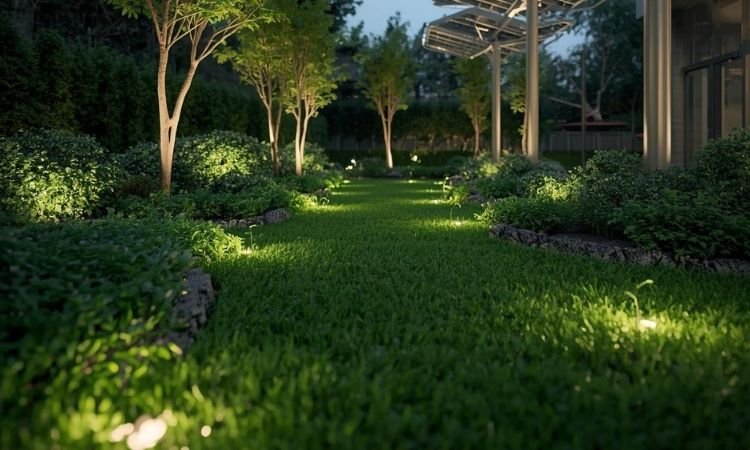
Artificial grass installations measure 15-20 years lifespan when properly installed, yet 55% fail within 5-7 years from inadequate drainage causing $3,000-$8,000 reinstallation costs.
Quality materials cost $6-$12 per square foot versus budget options at $2-4 per square foot with 10-year longevity differences.
In this guide, we’ll explore drainage requirements, material quality indicators, design integration strategies, and installation techniques to create artificial grass gardens that thrive rather than becoming expensive maintenance regrets requiring premature replacement.
Key points we’re exploring:
- Proper base preparation preventing drainage failures
- Quality indicators separating realistic from cheap materials
- Design integration with natural landscaping elements
- Installation requirements ensuring long-term performance
- Maintenance realities versus marketing promises
- Cost analysis comparing quality levels and longevity
Essential Qualities of Artificial Grass Gardens
Adequate Drainage Infrastructure Prevents Failure: Crushed rock base measuring 3-4 inches depth with 2-3% slope and perforated backing allowing 30+ inches per hour drainage prevents standing water creating odors, mold, and premature breakdown that 70% of failed installations experience within first 36 months. It’s like foundation work where invisible layers determine surface longevity. The drainage investment costing $2-4 per square foot prevents the $5,000-$12,000 reinstallation expenses that inadequate base preparation guarantees despite quality turf selection or professional installation.
Multi-Tone Blade Construction Creates Realism: Premium grass combining 3-4 different colored blades—varying greens with brown and tan thatch—mimics natural grass variation that single-color flat products lack appearing obviously synthetic from 20+ feet distance regardless of installation quality. It’s like hair highlighting where color dimension creates authenticity. The realistic appearance commands 40-60% premium pricing but maintains property aesthetics and value versus cheap materials reducing curb appeal through obvious artificial appearance.
UV-Stabilized Materials Resist Degradation: Quality polyethylene with UV inhibitors maintains color and structural integrity 15-20 years versus cheap products fading to blue-gray and matting within 3-5 years despite identical initial appearance. It’s like outdoor furniture where construction determines weather survival. The stabilized materials justify premium costs through triple lifespan versus false economy purchasing budget grass requiring replacement within warranty period.
Strategic Placement Balances Natural Elements: Limiting artificial grass to 30-50% of visible garden area maintaining natural planting beds, real trees, and organic elements prevents the entirely synthetic appearance that complete grass coverage creates. It’s like accent walls where proportion determines impact. The balanced approach delivers maintenance reduction benefits while preserving garden character that wholesale artificial conversion destroys regardless of material quality.
12 Artificial Grass Garden Ideas
Create low-maintenance outdoor spaces with these artificial grass garden ideas featuring strategic installations that enhance gardens.
Pathway Network System
Install artificial grass pathways measuring 3-4 feet wide connecting garden areas eliminating muddy trails. The all-weather surface guides circulation while maintaining green appearance impossible with natural traffic. Border with natural stone or steel edging creating clean transitions between grass and planting beds.
Lay over compacted crushed rock base ensuring drainage and stability. Slope paths 1-2% toward edges preventing water accumulation. Costs run $8-$15 per linear foot for 4-foot-wide pathways. This artificial grass garden solves high-traffic circulation challenges.
Play Area Safety Surfacing
Surround play equipment with cushioned artificial grass meeting ASTM fall safety ratings. The padded backing with shock-absorbing infill provides 6-10 foot fall protection while eliminating mud and maintaining year-round usability. Choose antimicrobial products resisting bacterial growth from constant use.
Install adequate infill depth maintaining cushioning properties through regular use. Include 2-3% slope ensuring drainage after rain. Expect costs $10-$18 per square foot for safety-rated installation. This artificial grass garden prioritizes child safety functionally.
Pet Relief Zone
Create dedicated 8×10 or 10×12 foot pet areas with antimicrobial artificial grass designed for animal use. The specialized turf with superior drainage handles waste while resisting odors through treated backing. Include slight slope toward drain area and hose access for regular cleaning.
Choose pet-specific products with antimicrobial infill preventing odor buildup. Install perimeter edging containing area visually. Costs range $800-$1,800 for complete pet zone installation. This artificial grass garden solves persistent pet damage problems.
Small Lawn Replacement
Replace struggling grass patches measuring 100-300 square feet in high-shade areas or challenging microclimates. The targeted conversion solves specific problem zones while retaining natural grass in successful areas creating hybrid approach. Frame with existing landscaping maintaining natural garden character.
Ensure proper drainage planning for replaced sections. Match grass color and pile height to surrounding natural grass if retaining portions. Expect costs $800-$3,600 for targeted small replacements. This artificial grass garden strategically solves problem areas.
Rooftop Garden Surface
Install lightweight artificial grass on rooftops creating green outdoor spaces without irrigation infrastructure or weight concerns. The synthetic surface measuring 0.5-0.75 pounds per square foot provides comfortable walking areas while eliminating 200-300 pounds per 100 square feet that natural sod and soil require.
Verify rooftop weight capacity before installation. Include proper drainage routing and UV-resistant products. Costs run $10-$16 per square foot plus installation complexity premiums. This artificial grass garden enables green space where natural grass fails.
Between Paving Stones
Fill gaps between pavers or stepping stones with artificial grass creating softened appearance. The grass strips measuring 4-8 inches wide add green element while eliminating weed growth that empty joints invite. Cut grass precisely fitting stone spacing for professional appearance.
Use adhesive securing grass preventing shifting with foot traffic. Choose shorter pile height 1-1.5 inches for filled joints. Expect costs $3-$6 per square foot for paver joint installations. This artificial grass garden adds green accent softening hardscape.
Border Edge Strips
Line garden bed edges with 12-18 inch artificial grass strips creating defined borders. The narrow grass bands prevent soil erosion while eliminating trimming along bed edges that natural grass requires weekly. Install steel or aluminum edging separating grass from beds.
Maintain mowing strip width accommodating equipment if adjacent natural grass exists. Choose grass color matching surrounding landscape. Costs range $4-$8 per linear foot for border strips. This artificial grass garden reduces maintenance along bed edges.
Hillside Erosion Control
Cover steep slopes measuring 3:1 or steeper with artificial grass eliminating dangerous mowing while preventing erosion. The secured surface with proper anchoring stabilizes soil while providing green appearance impossible maintaining naturally on grades exceeding 25-30 degrees.
Include extensive base preparation with erosion fabric and proper anchoring every 6-12 inches. Ensure drainage routes around rather than through slopes. Expect costs $12-$20 per square foot given installation difficulty. This artificial grass garden solves problematic terrain safely.
Putting Green Installation
Build backyard putting greens measuring 500-1,500 square feet with specialized short-pile turf. The dedicated practice area with proper contouring and cup installations provides realistic ball roll. Include fringe grass surrounding green mimicking real course design.
Professional installation ensures proper slope creating challenging undulation. Include quality cups and flagsticks completing installation. Costs range $15-$30 per square foot for quality putting surfaces. This artificial grass garden creates golf practice area.
Narrow Side Yard Solution
Transform side yards measuring 3-5 feet wide receiving limited light with artificial grass. The synthetic surface maintains green appearance in impossible growing conditions while providing clean access along house sides. Border with shade-tolerant plantings creating natural transitions.
Ensure adequate drainage in confined spaces prone to water accumulation. Include landscape lighting enhancing narrow passage. Costs run $6-$12 per square foot for side yard installations. This artificial grass garden handles challenging microclimates.
Garden Seating Area Base
Install artificial grass under outdoor furniture creating clean comfortable surface. The synthetic base measuring 10×12 or 12×14 feet accommodates seating groups while eliminating mud concerns. Frame with planting beds or gravel borders defining seating zone.
Include level installation allowing stable furniture placement. Choose quality drainage-focused products handling furniture weight. Expect costs $600-$1,800 for seating area installation. This artificial grass garden creates defined outdoor room.
Meditation Garden Platform
Create 6×8 or 8×10 foot contemplative spaces using artificial grass as soft sitting surface within Zen or meditation gardens. The synthetic platform provides comfortable ground contact without moisture concerns. Surround with gravel, stone, or sand creating textural contrast.
Frame with simple edging maintaining clean appearance. Include adequate base preparation supporting sitting and movement. Costs range $400-$1,200 for meditation platforms. This artificial grass garden supports specific wellness activities.
Installing Artificial Grass Successfully
Invest in Professional Base Preparation: Proper excavation removing 4-6 inches of soil, compacting subgrade, installing crushed rock base with correct slope represents 50-60% of installation success preventing failures that DIY base work causes. It’s like building foundations where expertise determines longevity. The professional base work costs $3-$5 per square foot but prevents $8,000-$15,000 reinstallation within 3-5 years.
Choose Quality Over Initial Price: Premium turf costing $6-$9 per square foot in materials outlasts budget options at $2-$4 per square foot by 10-15 years while maintaining realistic appearance throughout lifespan. It’s like appliance purchasing where quality justifies investment. The material decision determines satisfaction versus regret with artificial grass representing 10-20 year commitment.
Plan Comprehensive Drainage Routes: Ensure water exits artificial grass areas flowing toward appropriate drainage without pooling on surface or flooding adjacent areas. It’s like site engineering where water management prevents problems. The drainage planning prevents odors, bacterial growth, and premature material breakdown.
Integrate with Living Elements: Combine artificial grass with real plants, natural stone, and wood elements creating cohesive garden design versus synthetic grass dominating entire space. It’s like interior design where material variety creates interest. The integrated approach maintains garden character while reducing maintenance burden.
Frequently Asked Questions About Artificial Grass Gardens
How Long Does Garden Artificial Grass Last?
Quality installations with proper base preparation last 15-20 years in residential gardens. Cheap materials or poor installation fail within 5-8 years through backing deterioration or drainage problems. Shaded areas protected from intense UV exposure last 2-3 years longer than full-sun installations.
Product quality and installation expertise determine actual lifespan more than manufacturer warranties. The combined factors affect replacement timing significantly.
What Maintenance Does Artificial Grass Require?
Monthly brushing maintains upright blade orientation, quarterly debris removal prevents drainage blockage, and occasional rinsing washes dust and pollen accumulation. Pet areas need weekly cleaning. Annual infill replenishment replaces material compacted by traffic maintaining cushioning and appearance.
Maintenance takes 15-30 minutes monthly versus 2-4 hours weekly for natural grass. The significant reduction represents primary benefit despite grass not being completely maintenance-free.
Does Artificial Grass Get Too Hot?
Yes—synthetic grass reaches 120-180°F in direct summer sun versus 80-100°F for natural grass. Darker colors and rubber infill amplify heat absorption. Light-colored products and alternative infills like zeolite reduce but don’t eliminate heat issues.
Plan installations considering sun exposure and barefoot use expectations. The heat factor represents legitimate drawback in hot climates requiring consideration.
Can You Install Over Existing Lawn?
No—proper installation requires removing existing grass plus 3-4 inches of soil, compacting subgrade, and installing crushed rock base with drainage slope. Laying turf over existing lawn guarantees drainage failure and uneven surface requiring complete reinstallation within 2-3 years.
Base preparation represents most critical installation component. The shortcuts cause problems that proper installation prevents entirely.
What’s Environmental Impact?
Artificial grass eliminates water use saving 20,000+ gallons annually per 500 square feet and reduces chemical fertilizer runoff. However, plastic materials contribute microplastic pollution as fibers break down and products eventually reach landfills with limited recycling options currently available.
Environmental trade-offs favor artificial grass in drought-prone areas where water conservation outweighs plastic concerns. The calculation varies with regional water availability.
Lets End!
Artificial grass garden ideas reveal that strategic limited application combined with quality materials creates practical low-maintenance spaces. Proper drainage infrastructure with realistic products delivers lasting performance while targeted placement maintains natural garden character that complete conversion destroys.
Start by identifying specific problem areas where natural grass consistently fails before planning artificial replacement. Choose premium materials given longevity importance and professional installation ensuring proper base work. Integrate artificial grass with natural landscaping maintaining overall garden aesthetics.
What garden maintenance challenge would artificial grass solve for you? Share your landscape frustrations below!