Astro Turf Garden Ideas That Create Low-Maintenance Outdoor Spaces
Garden maintenance consumes 150-200 hours annually for average homeowners with 70% citing lawn care as most time-intensive task, yet natural grass in garden settings often struggles competing with tree roots, shade, and foot traffic creating perpetually patchy appearance requiring constant overseeding costing $200-$400 yearly. The cycle of poor performance and endless remediation discourages garden enjoyment.
Astro turf garden ideas reveal which synthetic grass applications enhance garden spaces versus installations that clash with natural plantings creating jarring artificial appearance. The best designs use artificial turf purposefully within garden contexts complementing rather than overwhelming living plants while solving specific functional problems.
We’re covering 11 astro turf garden ideas featuring installations that balance practicality with garden aesthetics. These strategic approaches work within existing landscapes providing the reduced maintenance and consistent appearance that makes synthetic turf valuable without sacrificing garden character.
Key points we’re exploring:
- Strategic placement complementing garden plantings
- Integration techniques creating natural transitions
- Functional applications solving garden challenges
- Material selection for garden-specific conditions
- Design strategies maintaining organic garden feel
- Budget considerations for garden-scale projects
Essential Qualities of Astro Turf Garden Installations
Realistic Texture Blends with Plantings: Premium multi-tone products with varied blade heights mimic natural grass well enough to complement flower beds and shrubs rather than creating obvious synthetic contrast. It’s like quality reproductions where craftsmanship determines believability. The realistic appearance prevents jarring visual disconnect within garden settings.
Appropriate Scale Prevents Overwhelming Spaces: Limited strategic use—pathways, small patches, accent areas—maintains garden character while synthetic grass dominating entire space creates artificial appearance contradicting garden purposes. It’s like seasoning where proportion matters. The restrained application preserves natural garden atmosphere.
Proper Drainage Supports Adjacent Plantings: Quality installation with adequate drainage prevents water diversion from nearby plants requiring moisture while eliminating pooling that breeds mosquitoes. It’s like irrigation planning where water movement affects everything. The drainage consideration protects both turf longevity and plant health.
Clean Edges Create Intentional Appearance: Professional edging with metal, stone, or treated wood defines turf boundaries preventing encroachment into beds while creating deliberate design element versus messy transitions suggesting afterthought installation. It’s like picture frames where borders enhance presentation. The defined edges separate synthetic from natural creating visual clarity.
11 Astro Turf Garden Ideas
Create functional attractive garden spaces with these astro turf garden ideas featuring thoughtful installations that enhance rather than dominate landscapes.
Garden Pathway System
Install astro turf pathways connecting garden areas providing clean walking surfaces that eliminate muddy trails and compacted soil zones. The 2-3 foot wide strips guide circulation while maintaining green appearance natural paths lose through traffic. It’s like hiking trails where designated routes protect surroundings.
Lay over crushed rock base with landscape fabric preventing weed growth beneath. Border with brick, stone, or steel edging creating permanent definition. Costs run $600-$1,800 for typical garden pathway network. This astro turf garden application solves practical circulation needs elegantly.
Raised Bed Surrounds
Frame raised vegetable or flower beds with narrow astro turf strips creating clean kneeling and working surfaces. The 18-24 inch wide borders eliminate mud transfer into beds while providing comfortable plant tending areas. It’s like workshop mats where clean surfaces improve function.
Ensure width accommodates kneeling pads and tool baskets without crowding beds. Slope slightly away from beds preventing water pooling. Expect costs $400-$1,200 for bed perimeter installation. This astro turf garden idea enhances productive gardening spaces practically.
Seating Area Patches
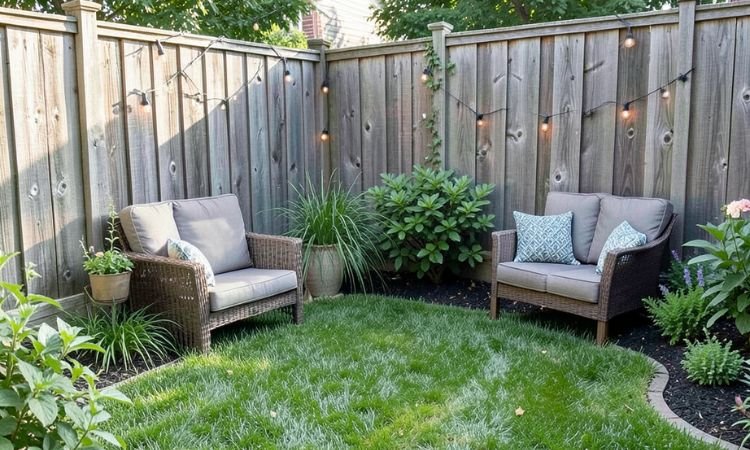
Create small astro turf seating zones within gardens providing furniture placement areas that natural grass can’t maintain under constant weight and shade. The 6×8 foot or larger patches offer comfortable gathering spots without bare dirt or struggling grass. It’s like outdoor rugs where soft surfaces invite sitting.
Position near focal points—water features, specimen plants, garden art—creating destination spaces. Include level installation allowing stable furniture placement. Costs range $500-$1,500 for seating patches. This astro turf garden application adds functional relaxation areas within plantings.
Tree Ring Installation
Surround mature trees with astro turf eliminating struggling grass in deep shade and root competition zones. The circular or organic-shaped installations maintain green appearance while ending futile overseeding attempts. It’s like problem-solving where accepting reality beats fighting nature.
Extend rings 3-4 feet from trunk allowing adequate coverage and visual balance. Add mulch border between turf and trunk preventing moisture issues. Expect costs $300-$800 per tree ring. This astro turf garden solution handles persistent shade challenges.
Cottage Garden Accents
Use small astro turf sections as green carpet between cottage garden plantings creating visual rest areas within busy floral displays. The simple green patches provide eye relief and practical stepping spots without competing with flowers. It’s like negative space where emptiness enhances surroundings.
Keep patches irregular and organic in shape preventing geometric formality. Surround with overflowing perennials softening edges. Costs run $200-$600 for accent patches. This astro turf garden technique adds functional breathing room within dense plantings.
Meditation Garden Platforms
Build contemplative spaces using astro turf as soft sitting surfaces within Zen or meditation gardens. The synthetic grass provides comfortable ground contact for yoga or meditation without moisture concerns affecting practice consistency. It’s like dedicated mats where purpose drives surface choice.
Frame with gravel, stone, or sand creating textural contrast and defined boundaries. Include simple edging maintaining clean appearance. Expect costs $400-$1,200 for meditation platforms. This astro turf garden application supports specific wellness activities.
Vertical Garden Bases
Install astro turf at base of vertical gardens, living walls, or espalier installations providing green foundation that complements rather than competes with vertical plantings. The horizontal synthetic surface contrasts with vertical growing patterns while handling irrigation runoff. It’s like stage floors where understated bases support dramatic features.
Ensure adequate drainage handling water from overhead irrigation. Keep turf away from wall bases preventing moisture issues. Costs range $300-$900 for vertical garden bases. This astro turf garden use supports vertical growing trends practically.
Garden Room Flooring
Create outdoor garden rooms using astro turf as comfortable flooring within pergolas, arbors, or defined spaces. The synthetic surface provides year-round usability and furniture-friendly surface that natural grass struggles maintaining in covered areas. It’s like interior floors where consistent surface enables function.
Combine with pavers or gravel borders defining room boundaries. Include lighting extending evening usability. Expect costs $800-$2,400 for room-sized installations. This astro turf garden concept creates defined outdoor living zones within larger landscapes.
Narrow Side Garden Strips
Transform narrow side gardens receiving limited light with astro turf eliminating perpetually struggling grass. The synthetic surface maintains green appearance in impossible growing conditions while providing clean access along house sides. It’s like accepting limitations where practical solutions beat constant failure.
Ensure adequate drainage in confined spaces prone to water accumulation. Border with shade-tolerant groundcovers or hostas creating natural transition. Costs run $500-$1,500 for side yard installations. This astro turf garden application handles challenging microclimates.
Children’s Garden Areas
Designate astro turf zones within family gardens creating safe play surfaces near kid-friendly plants and activities. The synthetic grass provides clean rolling and sitting areas while teaching beds remain protected. It’s like classroom carpets where defined spaces serve specific purposes.
Include gentle borders preventing turf edge tripping hazards. Position near kid-height raised beds and sensory plantings. Expect costs $600-$1,800 for play garden areas. This astro turf garden design supports family gardening engagement.
Container Garden Bases
Create astro turf foundations for container garden displays providing uniform green backdrop that elevates pots visually while offering soft surface for tending plants. The synthetic base eliminates weeds, maintains consistent appearance, and defines container areas. It’s like display platforms where staging matters.
Keep installation level allowing stable container placement. Include adequate size accommodating seasonal display changes. Costs range $300-$900 for container bases. This astro turf garden technique enhances potted plant presentations.
Integrating Astro Turf in Gardens
Use Natural Borders Softening Edges: Transition between astro turf and garden beds using plants that spill over edges—creeping thyme, sweet alyssum, creeping Jenny—disguising hard boundaries. It’s like blending where gradual transitions prevent stark lines. The planted edges create organic appearance despite synthetic materials.
Match Color Tones to Surroundings: Choose turf colors complementing garden palette—darker greens for woodland gardens, lighter for sunny cottage gardens—preventing color clash with nearby plants. It’s like interior design where harmony requires coordination. The color matching creates cohesive garden appearance.
Combine with Natural Materials: Integrate astro turf with stone, wood, and gravel rather than pairing exclusively with synthetic materials preventing artificial appearance. It’s like mixed media where varied textures create authenticity. The natural combinations ground synthetic elements within garden context.
Limit Total Coverage Percentage: Restrict astro turf to 20-30% of visible garden area maintaining natural character through plant dominance rather than synthetic grass overwhelming space. It’s like accent walls where restraint prevents overwhelm. The proportional approach preserves garden identity.
Frequently Asked Questions About Astro Turf Garden Ideas
Does Astro Turf Look Natural in Gardens?
Quality astro turf with multi-tone blades and appropriate pile height blends acceptably when used sparingly and bordered by living plants. Premium products from 10+ feet distance fool most observers. Cheap single-color materials or large uninterrupted expanses look obviously synthetic regardless of quality.
Realistic appearance depends equally on product quality and design integration. The best materials fail creating natural look when poorly integrated while moderate products succeed with thoughtful placement and borders.
How Does Synthetic Turf Affect Garden Soil?
Properly installed astro turf with adequate base preparation doesn’t directly contact garden soil. The crushed rock base and weed barrier separate turf from existing soil preventing impact on soil biology or drainage patterns. Adjacent beds remain unaffected when installation includes appropriate edging and drainage.
Poorly installed turf laid directly over soil without preparation suffocates beneficial organisms and creates anaerobic conditions. The installation method determines whether turf coexists with garden soil or damages it.
Can You Install Astro Turf Around Existing Plants?
Yes—careful installation around established trees, shrubs, and perennials works when maintaining adequate root zones and avoiding trunk contact. Leave 6-12 inch circles around plant bases preventing moisture accumulation against stems and allowing root access to rainfall.
Installation requires more labor cutting around existing plants versus open areas. The additional complexity increases costs 20-30% but allows integrating turf within mature gardens without removing valuable plantings.
What About Garden Wildlife and Pollinators?
Astro turf provides no food or habitat value for beneficial insects, soil organisms, or wildlife unlike natural grass supporting ecosystem functions. Limited strategic use minimally impacts garden ecology while wholesale conversion significantly reduces biodiversity support.
Balance turf convenience against ecological goals. Gardens prioritizing wildlife support should minimize synthetic surfaces while low-maintenance focused spaces accept reduced habitat provision as trade-off for practicality.
How Do You Maintain Garden Astro Turf?
Rinse monthly removing dust, pollen, and organic debris. Remove fallen leaves and plant material preventing decomposition and drainage blockage. Brush quarterly maintaining blade orientation. Garden turf requires more frequent cleaning than open lawn installations due to surrounding plant debris.
Trim overhanging plants preventing excessive shading and organic accumulation. Check drainage quarterly ensuring water flow remains adequate. The garden context increases maintenance slightly versus standalone lawn applications.
Creating Your Garden Turf Space
Astro turf garden ideas reveal that thoughtful limited application enhances garden functionality without sacrificing natural character. The strategic placement solving specific challenges—shade, traffic, maintenance—creates practical solutions while plant-dominated design maintains garden identity. The balanced approach delivers convenience without transforming gardens into artificial landscapes.
Start by identifying persistent garden frustrations—muddy paths, struggling grass, maintenance burden—where synthetic solutions provide genuine improvement. Choose premium materials given visibility within garden settings and integrate carefully using natural borders and complementary materials. The selective application creates practical improvements while preserving garden soul.
What garden challenge would astro turf solve for you? Share your garden maintenance frustrations below!