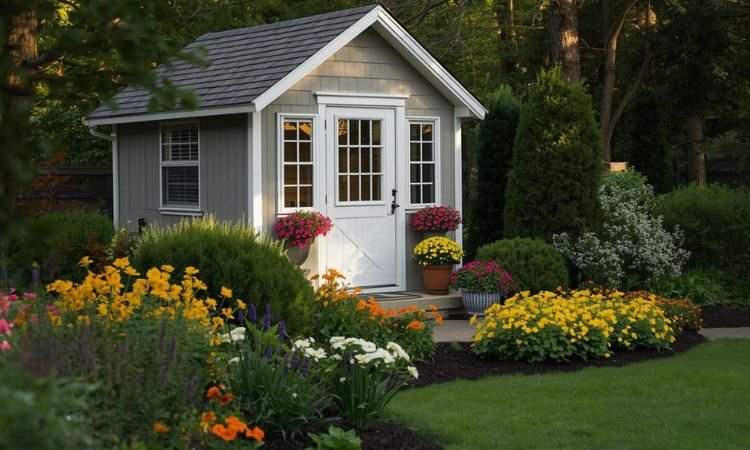
10 Backyard Tiny Home Ideas That Work as Guest Suites, Offices, or ADUs
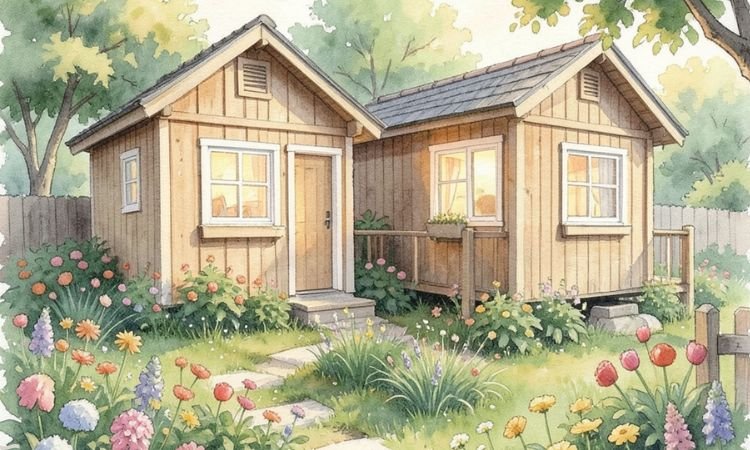
Backyard tiny homes—often called accessory dwelling units (ADUs)—typically range from 200 to 400 sq ft, fitting neatly on standard residential lots without major zoning issues in many U.S. cities.
These compact structures can serve as guest houses, home offices, rental units, or personal studios—all while using a fraction of the resources of a full home.
These 10 ideas focus on smart layouts, efficient systems, and real-world constraints like power access, drainage, and local building codes.
Why Small Backyard Homes Make Sense
Lower cost: Most backyard tiny homes cost $50,000–$150,000—far less than an addition or new build.
Faster build time: Prefab or modular units can be installed in 4–8 weeks after permits.
Flexible use: One structure can shift from guest house to office to rental over time.
Minimal footprint: A 24’x12′ (288 sq ft) unit fits in most suburban backyards with room for landscaping.
10 Backyard Tiny Home Ideas That Work as Guest Suites, Offices, or ADUs
All concepts assume a detached structure on a concrete slab or piers, with no shared walls.
1. Studio Layout with Murphy Bed
Use a single open room (12’x20′) with a wall-mounted Murphy bed that folds up into a cabinet. By day, it’s a living/office space; by night, a bedroom. Include a small closet and under-bed storage.
Standard ceiling height: 9 ft—creates openness in tight quarters. Ideal for guest use or part-time rentals.
2. Kitchenette Instead of Full Kitchen
Install a compact kitchenette: 24″ sink, 18″ induction cooktop, undercounter fridge, and microwave. Skip the oven to save space and avoid complex venting.
Fits in 6 linear feet of wall. Meets most city codes for “efficiency units” without requiring full plumbing upgrades.
3. Wet Bath with All-in-One Fixture
Use a 36″x36″ wet bath: shower, toilet, and sink share one waterproof room. Sloped floor drains to a central point. Saves 20–30 sq ft vs. separate rooms.
Line walls with large-format porcelain tile or seamless fiberglass. Install a tankless water heater nearby for endless hot water.
4. Loft for Sleeping (If Ceiling Allows)
In units with 12’+ ceilings, add a sleeping loft (6’x8′) accessible by ladder or stairs. Keeps the main floor open for living. Ensure minimum 6’8″ headroom under loft per code.
Best for solo use or teens—tight for adults long-term. Add a skylight above for natural light.
5. Sliding Glass Doors for Indoor-Outdoor Flow
Install 6’–8′ wide sliding or folding glass doors that open to a small patio. Blurs the line between inside and out, making 300 sq ft feel larger.
Pair with a covered roof overhang (24″+) for rain protection. Use low-E glass for insulation in hot or cold climates.
6. Solar + Battery Power System
Mount 4–6 solar panels (1.5–2 kW system) on the roof with a lithium battery bank (10–15 kWh). Powers lights, fridge, laptop, and fan—no grid tie needed.
Cost: $8,000–$15,000 installed. Ideal for sheds used 3–5 days/week. Add more panels if running AC or heat.
7. Composting Toilet to Avoid Sewer Tie-In
Use a self-contained composting toilet (e.g., Nature’s Head or Separett). No plumbing required—just vent to outside. Cuts installation cost by $5,000–$10,000 vs. sewer connection.
Empty every 2–4 weeks depending on use. Perfect for guest houses or weekend studios.
8. Built-In Furniture Along One Wall
Design a “utility wall”: Murphy bed, fold-down desk, shelves, and closet all in one 12′-long module. Maximizes open floor space when not in use.
Use plywood or MDF with simple hardware. Paint to match walls for seamless look. Reduces furniture clutter.
9. Large Operable Windows for Cross-Ventilation
Install at least two windows on opposite walls (e.g., 36″x36″ casements). Creates natural airflow—cuts need for AC in mild climates.
Place lower window at 24″ for view while seated; upper at 60″ for privacy. Add insect screens and exterior shade.
10. Gravel or Paver Patio (Not Concrete)
Surround the tiny home with ¾” crushed gravel or permeable pavers. Cheaper than concrete, allows drainage, and feels more garden-like.
Add a 4’x6′ paved area at the entry for stability. Total patio size: 8’x10′—enough for two chairs and a small table.
Common Mistakes and Fixes
- Ignoring local ADU laws
Fix: Check zoning first—many cities now allow 400 sq ft ADUs without setbacks or parking. - Skipping insulation
Fix: Use R-13 walls, R-30 ceiling minimum. Uninsulated units become ovens or iceboxes. - Overbuilding for full-time use
Fix: If used <10 nights/year, skip full kitchen/bath. A kitchenette and composting toilet are enough. - Poor door/window placement
Fix: Position main door away from neighbors. Place windows for cross-breeze, not just view. - No dedicated electrical panel
Fix: Run a 60-amp subpanel from main house. Required for safety and future upgrades.
Build Smart, Not Big
A successful backyard tiny home solves one clear need—guest space, quiet office, or extra income—without trying to be everything.
Prioritize insulation, ventilation, and simple systems. Skip luxury finishes; invest in durability instead.
Which of these 10 ideas fits your lot size and intended use? Start with layout and power—then add comfort later.