12 Backyard Privacy Fence Ideas That Balance Screening, Style, and Local Rules
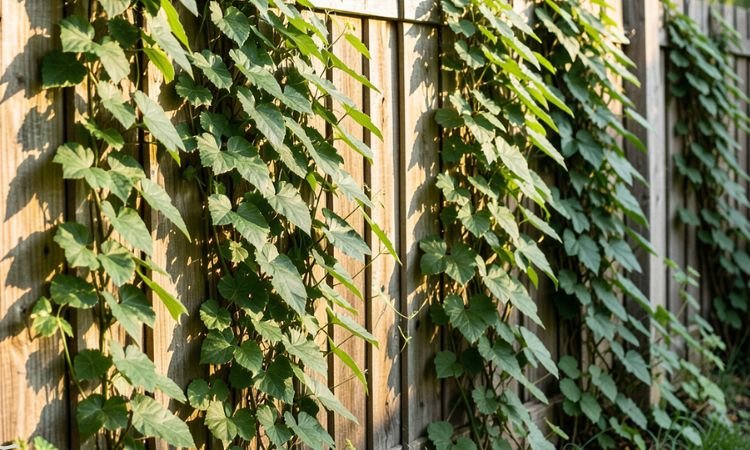
A backyard privacy fence typically runs 4 to 6 feet tall—the standard height allowed by most U.S. municipalities without a special permit.
Most residential lots need 50 to 150 linear feet of fencing to enclose a usable backyard, so material choice directly impacts cost, maintenance, and long-term performance.
These 12 ideas focus on real-world solutions: durable materials, smart layouts, noise reduction, and designs that comply with common HOA or zoning rules—without sacrificing curb appeal.
Why Fence Choice Matters
Privacy isn’t just visual: Solid fences also reduce street noise by 5–10 dB—enough to muffle traffic or neighbor chatter.
Local codes limit height and materials: Many cities cap fences at 6′ in backyards, 3–4′ in front yards. Always check before building.
Maintenance varies widely: Vinyl lasts 25+ years with zero upkeep; wood needs sealing every 2–3 years.
Wind load matters: Fully solid fences act like sails—adding gaps or lattice reduces pressure and prevents blowdown.
12 Backyard Privacy Fence Ideas That Balance Screening, Style, and Local Rules
All options assume standard residential lots and typical soil conditions.
1. Horizontal Cedar Slat Fence (With Gaps)
Install 1×6 cedar boards horizontally with ½”–1″ gaps between slats. Provides 85–90% privacy while allowing airflow—reducing wind stress. Natural cedar weathers to silver-gray over time.
Height: 6 ft max. Posts set 24″ deep in concrete. Stain or seal every 2–3 years to prevent graying if desired.
2. Vinyl Privacy Panel Fence
Use pre-assembled vinyl panels (6′ H x 8′ W) with tongue-and-groove boards. Zero maintenance, resists rot, and comes in white, tan, or gray. Mimics wood but lasts 25+ years.
Cost: $25–$40 per linear foot installed. Ideal for HOA communities that ban wood. Avoid dark colors—they warp in hot sun.
3. Board-on-Board Wood Fence
Traditional vertical fence with overlapping boards on both sides. No gaps = full privacy. Use pressure-treated pine or cedar. Boards typically 6″–8″ wide.
Requires concrete footings for posts. Paint or stain every 3 years. Best for low-wind areas—solid design catches gusts.
4. Lattice-Top Privacy Fence
Build a 5′ solid fence with a 1′ lattice cap. Meets 6′ height limits in many cities while softening the look. Lattice allows light and air but blocks direct sightlines.
Use rot-resistant wood or vinyl lattice. Great for side yards where full screening isn’t needed.
5. Mixed Material Fence (Wood + Metal)
Combine 4′ wood privacy base with 2′ black metal rail or mesh above. Reduces material cost, adds modern contrast, and complies with 6′ height rules.
Metal section allows airflow and views upward. Use powder-coated steel for rust resistance. Works well in contemporary yards.
6. Evergreen Hedge + Low Fence Combo
Plant arborvitae, boxwood, or Leyland cypress in front of a 3’–4′ fence. The hedge fills in above, creating full privacy over 2–3 years. Fence provides immediate screening and support.
Space shrubs 3’–5′ apart. Water regularly for first year. Cheaper long-term than 6′ solid fencing.
7. Shadowbox Fence Design
Alternate boards on both sides of the rails—creating a staggered, symmetrical look. Offers full privacy from both sides and better wind resistance than solid fences.
Use cedar or redwood for longevity. Boards spaced ¼” apart for expansion. Looks clean from neighbor’s yard too.
8. Bamboo Screen on Existing Fence
Attach rolled bamboo panels (6′ H x 8′ W) to an old chain-link or wood fence. Adds instant privacy and texture. Secure with zip ties or u-nails.
Lasts 3–5 years depending on sun exposure. Not permanent—but affordable ($2–$4/sq ft) and biodegradable.
9. Tongue-and-Groove Plywood Fence
Use exterior-grade T&G plywood sheets (4’x8′) mounted vertically between posts. Paint with exterior-grade paint for durability. Smooth surface blocks sound and sight effectively.
Seal edges to prevent swelling. Best for dry climates—plywood can warp in high humidity.
10. Gabion Wall with Greenery
Stack wire cages filled with river rock or recycled stone. Plant ivy or creeping fig in gaps for softness. Provides full privacy and excellent noise dampening.
Height: 4’–6′. Requires level base and heavy equipment for large builds. Modern, industrial look—ideal for sloped yards.
11. Picket Fence with Privacy Backing
Keep classic picket front for curb appeal, add plywood or composite backing on the interior side for privacy. Dual-purpose: pretty from street, private from yard.
Backer board should match fence height. Paint both sides to prevent warping.
12. Angled Slats for Sun Control
Mount cedar or composite slats at a 30–45 degree angle. Blocks ground-level views but allows light and air through upper gaps. Creates dynamic shadow patterns.
Great for west-facing fences—reduces afternoon heat buildup in yard. Custom look with moderate DIY skill.
Common Mistakes and Fixes
- Ignoring property lines
Fix: Hire a surveyor or use your plat map. Building on a neighbor’s land causes costly disputes. - Skipping post depth
Fix: Set posts at least 24″ deep (or below frost line). Shallow posts lean within 2 years. - Using untreated wood in wet climates
Fix: Choose cedar, redwood, or pressure-treated lumber rated for ground contact. - Building fully solid in windy areas
Fix: Add 10–15% open space (gaps, lattice, angled slats) to reduce wind load. - Forgetting gate access
Fix: Include at least one 36″-wide gate for trash bins, lawn equipment, or deliveries.
Fence with Purpose, Not Just Height
The best privacy fence solves multiple problems: blocking views, reducing noise, complying with rules, and lasting for years with minimal care.
Start with your climate, budget, and local code—then choose style second.
Which of these 12 ideas fits your yard’s layout and your privacy needs? Measure your lot line first—most solutions scale to 50–150 linear feet.