Backyard Privacy Screen Ideas That Block Views Without Breaking Budgets
Your neighbors see everything you do in your backyard and it’s awkward. You can’t relax on your deck, the kids can’t play freely, and every outdoor gathering feels like you’re performing for an audience.
Privacy screens solve the visibility problem faster and cheaper than traditional fences or mature plantings. I’m covering 10 approaches from DIY panels and living walls to creative pergola solutions and budget-friendly options.
You’ll see which screens block views effectively, how to install without professional help, what mistakes waste money, and designs that look intentional rather than desperate.
Key Factors For Effective Privacy Screens
Height Determines Effectiveness: Screens need reaching at least 6 feet blocking sightlines from neighboring decks and windows. It’s like walls where height creates barriers. The adequate elevation prevents overlooking.
Strategic Placement Beats Full Coverage: Blocking specific sightlines works better than surrounding entire yards. It’s like targeted solutions where focused beats comprehensive. The selective screening saves money while solving problems.
Anchoring Prevents Wind Damage: Solid screens catch wind requiring proper anchoring or they’ll topple in storms. It’s like foundations where stability determines longevity. The secure installation protects investments.
Materials Affect Maintenance: Wood requires staining, metal rusts, and fabric tears—material choice determines ongoing care needs. It’s like clothing where fabric dictates upkeep. The thoughtful selection matches maintenance willingness.
Backyard Privacy Screen Ideas That Block Views Without Breaking Budgets
Create private outdoor spaces with these backyard privacy screen ideas featuring practical solutions.
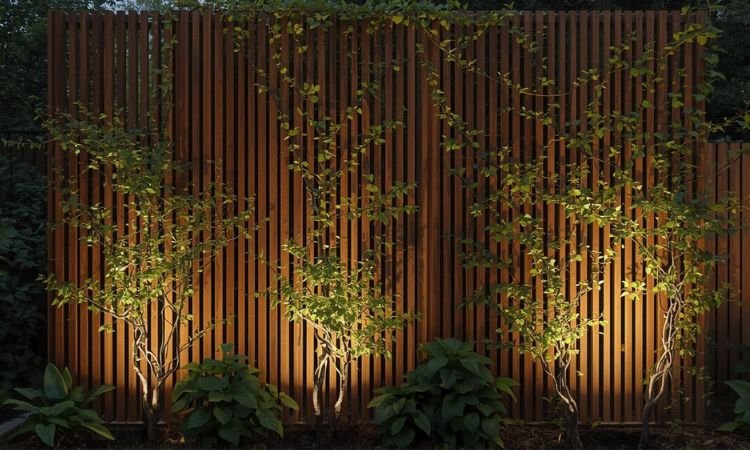
Vertical Slat Fence Panels
Install vertical slat panels creating modern privacy through closely spaced boards. The contemporary design blocks views while allowing air circulation. It’s like louvers where spacing provides both privacy and flow.
Use cedar or composite materials preventing rot. Space slats 1-2 inches apart for partial transparency or tighter for complete blocking. This backyard privacy screen idea delivers clean modern aesthetics while solving visibility issues affordably.
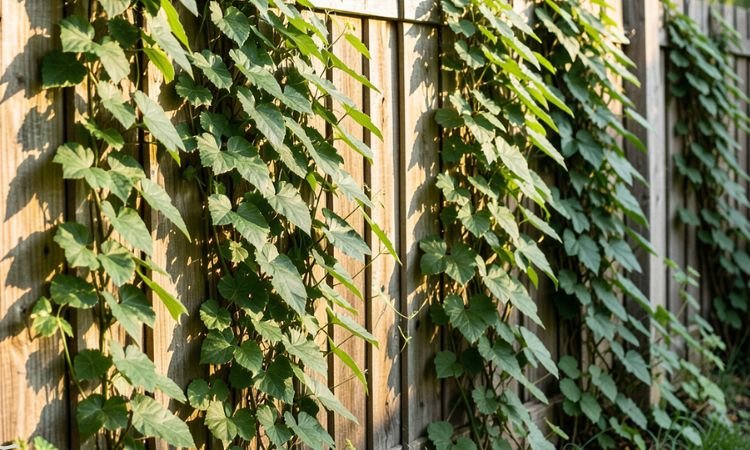
Lattice With Climbing Vines
Attach lattice panels to posts planting fast-growing vines creating living privacy screens. The combination provides immediate partial screening while vines fill gaps over months. It’s like partnership where structure supports nature.
Plant clematis, climbing roses, or annual vines for quick coverage. The lattice costs $20-40 per panel. This backyard privacy screen idea blends hardscape with softscape creating natural-looking barriers.
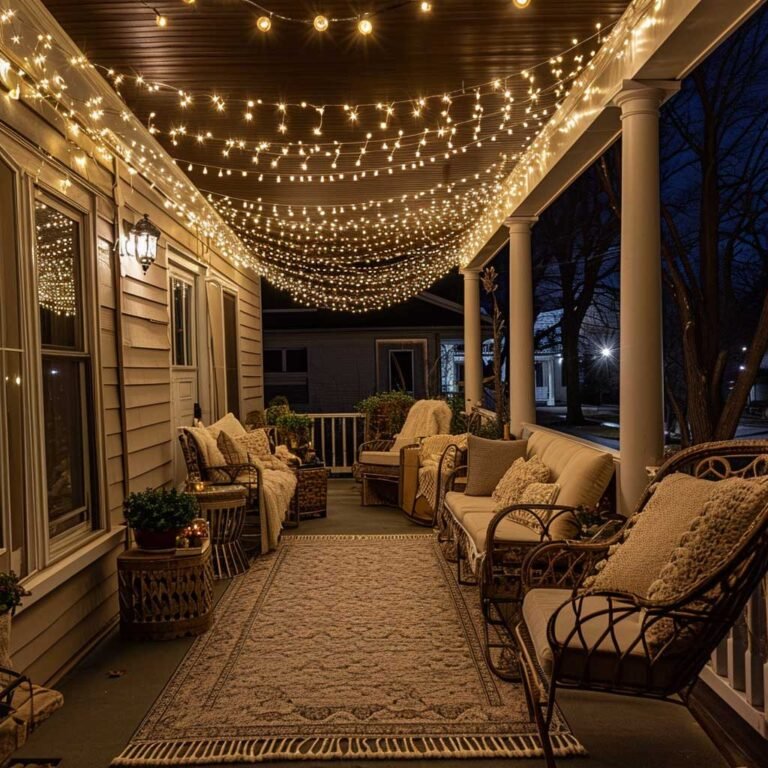
Outdoor Curtains On Pergola
Hang weather-resistant curtains from pergola beams creating flexible privacy you can open or close. The fabric panels add softness while blocking views when needed. It’s like indoor curtains moved outside where function stays the same.
Choose outdoor-rated fabrics resisting mold and fading. The movable screening adapts to different privacy needs. This backyard privacy screen idea works especially well for patios and decks under roof structures.
Bamboo Roll Fencing
Unroll bamboo fencing attaching to existing fence posts or frames creating instant natural screening. The quick installation and tropical appearance transform spaces in hours. It’s like wallpaper where application creates immediate change.
Secure with zip ties or wire. Bamboo rolls cost $30-80 for 6-foot height sections. This backyard privacy screen idea delivers fast affordable results with organic aesthetics.
Living Plant Wall
Build vertical planter systems growing dense foliage creating living privacy screens. The green walls provide maximum privacy while adding garden space. It’s like vertical gardens where function meets beauty.
Use pocket planters or stacked containers planting trailing or bushy plants. Requires regular watering and maintenance. This backyard privacy screen idea creates lush natural barriers while maximizing planting area.
Cedar Plank Screen
Construct simple frames installing horizontal cedar planks creating custom privacy panels. The DIY approach allows sizing for specific spaces and budgets. It’s like building furniture where customization matches needs exactly.
Use 1×6 or 1×8 cedar boards on basic 2×4 frames. Stain or leave natural for weathered gray. This backyard privacy screen idea costs $100-200 per 6×8 panel delivering custom results through DIY effort.
Metal Corrugated Panels
Install corrugated metal panels creating industrial-modern privacy screens. The durable material requires zero maintenance while blocking views completely. It’s like metal siding where strength meets style.
Choose weathering steel for rust patina or painted panels in colors. The metal withstands weather indefinitely. This backyard privacy screen idea suits contemporary industrial aesthetics while providing permanent solutions.
Potted Evergreen Trees
Line property edges with large potted evergreens creating mobile privacy you can rearrange. The container planting provides flexibility permanent screening can’t match. It’s like portable walls where mobility adds options.
Use arborvitae, bamboo, or columnar evergreens in large containers. Move seasonally as needed. This backyard privacy screen idea works great for renters or commitment-phobic homeowners.
Pallets Upcycled As Screens
Stand wooden pallets vertically creating rustic privacy screens from free or cheap materials. The reclaimed approach delivers budget privacy with farmhouse charm. It’s like upcycling where trash becomes treasure.
Sand and stain pallets or leave weathered for rustic looks. Add planter boxes enhancing functionality. This backyard privacy screen idea creates nearly-free screening through creative repurposing.
Shade Cloth On Posts
Stretch commercial shade cloth between posts creating quick affordable privacy. The mesh fabric blocks views while allowing airflow preventing wind problems. It’s like screens where permeability provides stability.
Choose 70-90% shade cloth for privacy. Install with grommets and zip ties. This backyard privacy screen idea delivers the cheapest fastest screening possible at $50-100 for large areas.
Installing Privacy Screens Successfully
Check Property Lines First: Verify exact boundaries before installing anything permanent preventing neighbor disputes. It’s like surveys where certainty beats assumptions. The confirmed placement avoids legal headaches.
Consider Wind Load: Solid screens need stronger anchoring than slatted designs allowing airflow. It’s like sails where surface area determines force. The appropriate anchoring prevents toppling.
Start Small And Expand: Block worst sightlines first before tackling entire perimeter. It’s like triage where priorities guide action. The phased approach spreads costs while solving biggest problems.
Coordinate Materials With Home: Match screen materials to house exterior maintaining cohesive aesthetics. It’s like outfits where coordination creates polish. The thoughtful matching prevents clashing additions.
Frequently Asked Questions About Backyard Privacy Screens
How Tall Should Privacy Screens Be?
Most effective privacy screens measure 6-8 feet tall blocking views from neighboring yards and ground-level windows. If neighbors have elevated decks or second-story windows overlooking your yard, you might need 8-10 feet for adequate screening. Local regulations often limit fence heights to 6 feet front yard and 8 feet backyard—check codes before building taller.
Consider your specific sightline issues rather than arbitrary heights. Sit in your yard where you want privacy and have someone stand where neighbors typically are, determining exact height needed blocking their view. Sometimes 5 feet suffices while other situations need 9+ feet. The targeted approach ensures adequate screening without building higher (and more expensive) than necessary.
Do I Need Permission To Install Privacy Screens?
Permanent structures attached to property often require permits depending on local regulations. Freestanding screens under certain heights (typically 6-8 feet) might not need permits but rules vary widely by municipality. HOAs frequently have additional restrictions on materials, colors, and placement beyond city codes.
Check with your local building department and HOA before starting. Temporary or portable solutions like potted plants or fabric screens rarely need permission since they’re not permanent structures. Attaching screens to existing fences usually doesn’t require permits but verify locally. Getting proper approvals prevents expensive removal orders or neighbor complaints derailing your privacy plans.
What’s The Cheapest Way To Create Privacy?
Shade cloth stretched between posts costs $50-100 for covering large areas making it the absolute cheapest option. Bamboo roll fencing runs $30-80 per 6-foot section providing slightly more attractive budget screening. Upcycled pallets offer nearly-free options when you can source them without cost.
Fast-growing annual vines on inexpensive lattice ($20-40 per panel) create living screens for under $100 total. The trade-off with budget options is aesthetics and longevity—cheap solutions often look temporary or require replacement every few years. Spending $200-400 on cedar panels or composite materials delivers better-looking longer-lasting results justifying the investment for permanent solutions.
How Do You Create Privacy Without Blocking Light?
Slatted designs with 1-2 inch spacing between boards block direct sightlines while allowing light filtering through. Lattice with climbing vines provides privacy when mature while permitting dappled sunlight. Frosted acrylic or translucent panels obscure views completely while transmitting light creating bright private spaces.
Strategic placement also helps—screen only the specific sightlines to neighbors rather than surrounding your entire yard. This targeted approach maintains openness and light from other directions while blocking problematic views. Shade cloth in lighter percentages (50-70%) provides privacy without creating dark enclosed feelings. The key is balancing opacity for privacy with translucency for light.
Can Privacy Screens Increase Property Value?
Well-designed attractive privacy screens can add value by making outdoor spaces more usable and appealing. Poorly executed cheap-looking screens might hurt value by appearing makeshift or desperate. The impact depends heavily on execution quality and neighborhood expectations—upscale areas expect professional solutions while casual neighborhoods accept DIY approaches.
Privacy itself adds value by making yards more functional for entertaining, relaxing, and playing. Buyers appreciate outdoor spaces that feel secluded and private. However, excessive screening making yards feel like fortresses or blocking all views can negatively impact value. The balanced approach enhancing privacy while maintaining attractive aesthetics typically adds modest value or at minimum doesn’t detract from property worth.
Creating Your Private Outdoor Retreat
Backyard privacy screen ideas prove you don’t need expensive full fences creating secluded outdoor spaces. Strategic screening targeting specific sightlines solves visibility problems affordably while maintaining open feeling. Choose solutions matching your budget and aesthetic preferences, install properly for stability, and enjoy reclaiming your backyard from prying eyes.
What’s your biggest backyard privacy challenge? Share your screening questions below!