Backyard Shed Landscaping Ideas That Hide Eyesores and Create Garden Features
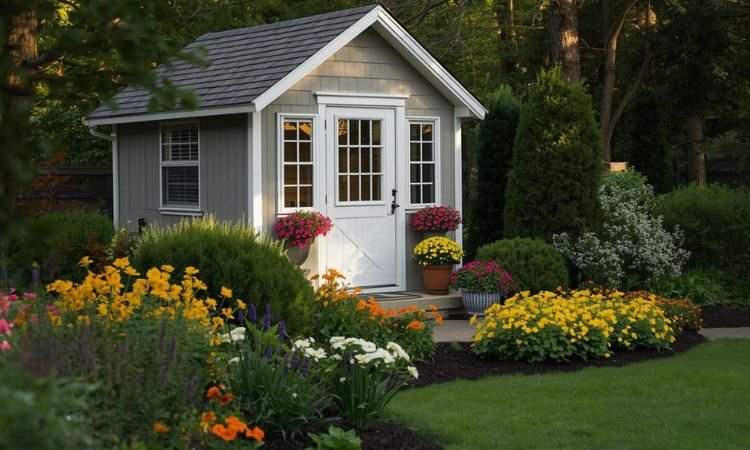
Your backyard shed probably sits there looking like exactly what it is—a utilitarian storage box you stuck in the corner and hoped nobody would notice.
The landscaping challenge is making that necessary-but-ugly structure blend into your yard or better yet, turning it into an actual attractive feature instead of something you’re constantly apologizing for when people come over.
Plant too little and it’s still an eyesore, plant too much and you’ve created a jungle you can’t access or maintain, or worse, moisture problems rotting your shed walls because plants are growing right against it.
What we’ll tackle in this landscaping guide:
- Strategic planting that enhances without damaging structures
- Foundation concealment techniques that actually work
- Pathways connecting sheds to your overall yard design
- Vertical gardening maximizing limited space around buildings
- Proper clearances preventing moisture and pest issues
- Transforming functional storage into garden focal points
What Makes Shed Landscaping Actually Work
Proper Clearance Prevents Expensive Problems: Leaving 12-18 inches between plantings and shed walls allows air circulation preventing moisture buildup and rot while creating access for maintenance—the spacing protects your investment. It’s like breathing room for buildings. The clearance prevents damage long-term.
Foundation Planting Anchors Structures Visually: Arranging plants at ground level where shed meets earth softens the harsh transition making buildings feel integrated rather than dropped randomly—the foundation treatment connects structures to landscape. It’s like framing that grounds architecture. The base planting creates visual flow.
Vertical Growing Maximizes Limited Space: Using trellises, wall planters, or climbing vines adds greenery without eating ground space around small sheds—the upward approach decorates without crowding. It’s like going up when you can’t go out. The vertical strategy works in tight quarters.
Pathways Create Intentional Access: Defining routes to shed doors with pavers, gravel, or stepping stones makes structures feel like destinations rather than random boxes—the path treatment signals purpose. It’s like walkways that create story. The access route adds legitimacy.
11 Backyard Shed Landscaping Ideas
Transform utilitarian storage with these backyard shed landscaping ideas turning eyesores into garden assets.
Foundation Shrub Border
Plant a row of evergreen shrubs along shed base concealing foundation while creating green backdrop. The year-round foliage softens hard edges while the continuous planting visually anchors the structure. It’s like a living skirt hiding foundations.
Choose compact varieties staying under 3 feet tall. Maintain 18-inch clearance from walls. Shrubs cost $15-$40 each. These backyard shed landscaping ideas hide bases beautifully.
Gravel Path with Border
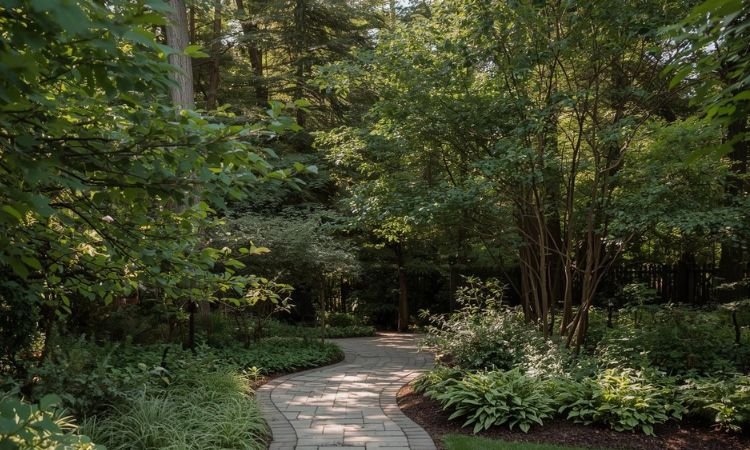
Create a defined gravel walkway leading to shed door edged with small plants or pavers. The pathway provides clean access while the edging plants soften the route making it feel intentional. It’s like a welcome mat that’s actually functional.
Lay landscape fabric under gravel preventing weeds. Edge with Belgian block or metal edging. Gravel costs $30-$60 per cubic yard. These backyard shed landscaping ideas create purposeful access.
Climbing Vine Trellis Wall
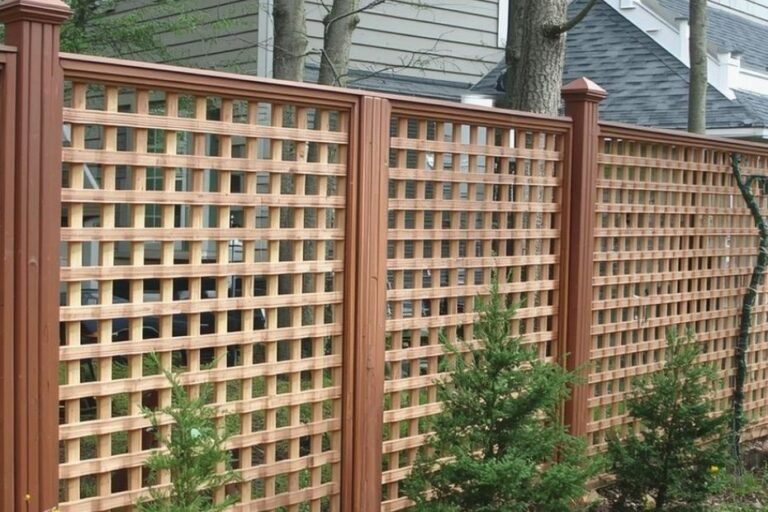
Install trellis panels on one or two shed walls training climbing vines creating living green walls. The vertical garden adds massive visual impact while using minimal ground space. It’s like wallpaper that grows.
Maintain small gap between trellis and shed wall for air circulation. Choose non-invasive vines like clematis or climbing roses. Trellis panels cost $30-$80 each. These backyard shed landscaping ideas maximize vertical space.
Flower Garden Foreground
Plant a cottage garden-style flower bed in front of shed creating colorful distraction from the building itself. The layered blooms draw attention while the structure becomes attractive backdrop. It’s like putting art in front of plain walls.
Use tall plants in back graduating to shorter in front. Include seasonal bloomers for continuous color. Garden bed installation costs $200-$600. These backyard shed landscaping ideas shift focus beautifully.
Window Box Planters
Mount window boxes beneath shed windows filling with trailing flowers or herbs. The elevated planters add charm while bringing eye-level interest to plain walls. It’s like jewelry for buildings.
Use self-watering boxes reducing maintenance. Choose trailing plants cascading over edges. Window boxes cost $25-$70 each. These backyard shed landscaping ideas add cottage charm.
Stone or Paver Apron
Install a stone or paver apron around shed perimeter creating clean transition from grass to structure. The hardscaping prevents mud splash while providing maintenance access and visual definition. It’s like a moat made of stone.
Extend apron 2-3 feet from shed walls. Slope slightly away for drainage. Pavers cost $3-$8 per square foot installed. These backyard shed landscaping ideas create clean borders.
Potted Plant Grouping
Arrange multiple large containers near shed entrance creating flexible garden that moves with seasons. The potted collection adds color and life while containers can relocate as needed. It’s like moveable landscaping.
Group pots in odd numbers varying heights. Use quality potting soil for healthy growth. Large planters cost $40-$150 each. These backyard shed landscaping ideas offer flexible beauty.
Living Roof Garden
Transform flat or low-slope shed roofs into green roofs planted with sedums or native grasses. The planted roof provides insulation while creating stunning visual feature from above. It’s like a garden you walk under.
Requires proper waterproofing and structural support. Professional installation recommended. Green roofs cost $10-$25 per square foot. These backyard shed landscaping ideas go overhead.
Mixed Border Garden
Create a layered planting bed along shed side mixing shrubs, perennials, and annuals in graduated heights. The diverse border provides year-round interest while concealing the structure behind living layers. It’s like a privacy screen that blooms.
Place tallest plants nearest shed working down to front. Include evergreens for winter structure. Border gardens cost $300-$800 depending on size. These backyard shed landscaping ideas layer beautifully.
Lighting Integration
Add landscape lighting highlighting plantings around shed while illuminating pathways for nighttime access. The strategic lighting transforms sheds into evening focal points while providing functional illumination. It’s like jewelry lights for gardens.
Use solar or low-voltage LED fixtures. Light paths and interesting plants. Landscape lighting costs $200-$600 for basic systems. These backyard shed landscaping ideas extend visibility.
Coordinated Paint and Plantings
Paint shed in colors complementing your planting palette then landscape accordingly creating cohesive designed look. The color coordination between structure and plants makes everything feel intentional. It’s like matching accessories to outfits.
Choose shed colors echoing flower hues or foliage tones. Use exterior-grade paint. Quality exterior paint costs $40-$70 per gallon. These backyard shed landscaping ideas unify color stories.
Planning Your Shed Landscape
Assess Sun Exposure Throughout Day: Observe which shed sides get full sun, partial shade, or full shade before selecting plants—matching plants to actual conditions prevents struggling growth. The sun mapping ensures appropriate plant choices.
Start With Hardscaping First: Install paths, edging, or stone aprons before adding plants creating clean foundations for gardens—the structure-first approach prevents trampling new plantings. The hardscape provides finished framework.
Choose Low-Maintenance Plants: Select varieties suited to your climate requiring minimal water or care once established—the practical approach keeps landscaping attractive without becoming second job. The easy-care selection maintains beauty long-term.
Plan for Growth at Maturity: Space plants based on their full-grown size not current nursery dimensions preventing overcrowding in 2-3 years—the forward-thinking prevents constant replanting. The mature sizing saves money and effort.
Shed Landscaping Questions Answered
How Close Can You Plant to Sheds?
Maintain at least 12-18 inches clearance between plants and shed walls allowing air circulation and preventing moisture damage. This spacing protects siding while still softening edges effectively.
Larger shrubs need even more space—follow mature width recommendations leaving room for growth.
What Plants Work Best Around Sheds?
Choose compact varieties that won’t outgrow their space—dwarf shrubs, perennials under 3 feet, and well-behaved vines. Avoid aggressive spreaders or plants with invasive roots.
Consider evergreens for year-round coverage or mix deciduous and evergreen for seasonal interest.
Do You Need Special Drainage Around Sheds?
Ensure ground slopes away from shed preventing water pooling at foundation. Add gravel or stone creating drainage buffer. Avoid heavy watering immediately adjacent to structures.
Good drainage protects shed longevity preventing rot and pest issues.
Can You Landscape Rental Property Sheds?
Use containers and temporary solutions avoiding permanent plantings. Potted gardens, removable trellises, and portable lighting work well for rental situations.
Container gardens give you all the beauty with flexibility to take plants when you move.
How Much Should Shed Landscaping Cost?
Basic foundation plantings with path cost $300-$800 for average sheds. Elaborate gardens with hardscaping, lighting, and extensive plantings run $1,000-$3,000. Container-only approaches cost $200-$500.
DIY cuts costs significantly—materials typically half the cost of professional installation.
Transforming Storage Into Garden Features
Backyard shed landscaping works when you balance concealment with access, choose plants that enhance without damaging, and create intentional connections between structures and overall yard design. The foundation-first approach then vertical elements maximize limited space.
Start by observing sun patterns and existing conditions around your shed. Install necessary hardscaping creating clean access and drainage. Add foundation plantings maintaining proper clearances. Include vertical elements like trellises or window boxes. Finish with lighting or color coordination tying everything together.
What’s your shed landscaping biggest challenge? Drop your questions in the comments!