Balcony With Artificial Grass Ideas That Create Urban Green Retreats
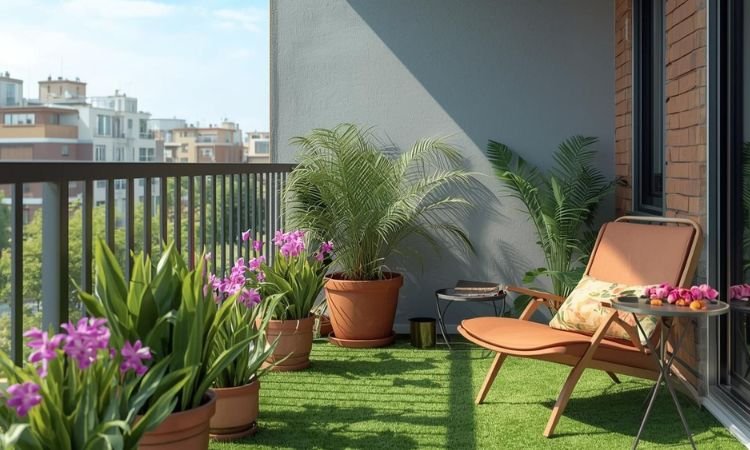
Balcony artificial grass installations measuring 40-100 square feet transform concrete spaces into green oases, yet improper drainage causes 55% of failures within 18-24 months.
Quality outdoor-rated grass with UV stabilization maintains appearance 8-12 years while indoor-rated materials fade within 2-3 years despite lower cost.
In this guide, we’ll explore balcony-specific installation techniques, drainage solutions, weight considerations, and design strategies to create artificial grass balconies that handle weather exposure without becoming waterlogged maintenance problems or HOA violations.
Key points we’re exploring:
- Drainage systems preventing water accumulation
- Weight limitations for balcony installations
- Weather-resistant material requirements
- Installation methods for rental-friendly applications
- Design integration with balcony furniture
- Maintenance requirements for elevated installations
Essential Qualities of Balcony With Artificial Grass
Adequate Drainage Prevents Water Damage: Perforated backing with drainage holes every 3-4 inches plus 1-2% slope toward drainage outlets prevents standing water that causes mold, odors, and structural damage to balcony surfaces costing $1,000-$3,000 repairs that inadequate drainage creates within 12-18 months. It’s like roof design where water management determines building protection. The proper drainage installation prevents the hidden moisture problems that appear suddenly after accumulation causes visible damage requiring expensive remediation and possible grass reinstallation.
Lightweight Construction Meets Building Limits: Products weighing 0.5-0.8 pounds per square foot including infill stay within typical 40-50 pound per square foot balcony load limits that heavier installations exceed risking structural issues. It’s like weight distribution where limits determine safety. The appropriate materials enable full balcony coverage without the structural concerns that heavy natural sod or thick grass products create potentially violating building codes or safety margins.
UV-Stabilized Materials Resist Fading: Outdoor-rated polyethylene with UV inhibitors maintains color 8-12 years despite constant sun exposure versus indoor or cheap products fading to yellow-brown within 18-24 months requiring premature replacement. It’s like outdoor furniture where ratings indicate true durability. The stabilized materials justify 50-70% cost premium through triple lifespan and maintained appearance versus budget grass looking worn after single season.
Secure Installation Withstands Wind: Edge fastening with commercial adhesive or weighted perimeter strips prevents wind lift at 25-35 mph gusts that loose-laid grass experiences peeling from balcony edges creating safety hazards and aesthetic problems. It’s like roofing where attachment determines storm survival. The proper securing prevents the embarrassing and dangerous grass sections blowing away during weather events despite initial installation appearing adequate.
12 Balcony With Artificial Grass Ideas
Create inviting green balconies with these artificial grass ideas featuring solutions for elevated outdoor spaces.
Full Coverage Installation
Cover entire balcony floor with artificial grass creating complete green carpet. The wall-to-wall installation measuring balcony dimensions transforms concrete into comfortable outdoor room. Include proper drainage layer beneath grass preventing water accumulation against building structure.
Install perimeter edging containing grass and creating finished edges. Choose realistic multi-tone grass for premium appearance. Costs run $400-$1,200 for complete small balcony coverage. This balcony with artificial grass creates maximum green impact.
Modular Grass Tiles
Use interlocking grass tiles measuring 12×12 inches creating flexible removable installation. The tile system installs without adhesive or modification allowing removal for rentals while individual tiles replace if damaged. Tiles work over existing balcony surfaces creating quick transformation.
Include drainage tiles beneath grass if existing surface doesn’t drain adequately. Choose quality tiles with realistic grass appearance. Expect costs $6-$12 per square foot for tile systems. This balcony with artificial grass provides renter-friendly solution.
Grass Rug Placement
Position outdoor grass rugs measuring 4×6 or 5×8 feet creating defined green zones. The portable rugs with rubber backing install without permanent attachment while removing for cleaning or storage. Rugs work for renters or temporary installations testing grass appeal.
Choose rugs with drainage backing preventing mold growth. Include non-slip padding if needed. Costs range $80-$250 for quality grass rugs. This balcony with artificial grass offers lowest-commitment option.
Mixed Surface Design
Combine grass sections with deck tiles or pavers creating varied texture outdoor floor. The mixed materials with 40-60% grass and remaining hardscape provide visual interest while practical surfaces handle furniture placement. Install materials in geometric or organic patterns.
Plan layout ensuring furniture-supporting surfaces where needed. Include proper drainage through all materials. Expect costs $8-$16 per square foot for mixed installations. This balcony with artificial grass balances soft and hard surfaces.
Furniture Base Platforms
Place grass specifically under seating areas creating comfortable zones. The strategic sections measuring 4×6 or 5×7 feet beneath chairs and tables provide soft flooring while surrounding areas remain concrete or tile. Position grass where furniture placement remains relatively constant.
Use quality products handling furniture weight without crushing. Secure grass preventing shifting under furniture. Costs run $150-$500 per furniture platform section. This balcony with artificial grass creates defined comfortable zones.
Wall-to-Wall With Border
Install grass across entire floor leaving 4-6 inch border around perimeter maintaining drainage gap. The nearly full coverage with edge spacing prevents water trapping against walls while maximizing green surface area. Include sloped drainage directing water toward outlets.
Use quality edging defining grass border cleanly. Choose darker grass hiding dirt near edges better. Expect costs $350-$1,000 for bordered full coverage. This balcony with artificial grass combines maximum green with proper drainage.
Grass Pathway Runner
Create grass runner measuring 2-3 feet wide traversing balcony length providing comfortable walking surface. The strip installation leaving side areas for furniture and plants balances green comfort with functional space allocation. Include non-slip backing preventing movement.
Position runner along main traffic path from door to railing. Choose durable high-traffic rated grass. Costs range $100-$350 for balcony-length runners. This balcony with artificial grass adds green accent practically.
Raised Grass Platform
Build low platform measuring 2-4 inches high with grass top creating defined lounge area. The elevated section with built-in drainage separates grass from balcony surface preventing moisture issues while platform edges provide seating. Construct lightweight frame supporting grass plus occupant weight.
Include storage beneath platform maximizing space utility. Add cushions along platform edges creating seating. Expect costs $400-$1,200 for custom platform with grass. This balcony with artificial grass creates functional design element.
Corner Grass Section
Install grass in balcony corner measuring 4×4 or 5×5 feet creating cozy zone. The strategic placement leaving remaining floor for furniture and access concentrates green impact where most visible while minimizing coverage area and cost. Secure grass preventing corner lifting in wind.
Choose corner receiving less foot traffic preventing rapid wear. Include planters or seating defining grass zone. Costs run $100-$400 for corner grass sections. This balcony with artificial grass creates affordable green accent.
Removable Grass Panels
Create grass panels measuring 2×4 or 3×6 feet with plywood backing allowing easy installation and removal. The portable panels with attached grass install for season then store during winter or for moving. Include handles or rope making panels easy transporting.
Build lightweight panels under 30 pounds for easy handling. Use outdoor-rated grass on weather-resistant backing. Expect costs $150-$400 for multiple portable panels. This balcony with artificial grass offers maximum flexibility.
Grass and Deck Tiles
Alternate artificial grass tiles with wood or composite deck tiles creating checkered pattern. The mixed materials with 50% grass and 50% wood provide visual interest and practical benefits combining soft and hard surfaces. Interlocking tiles install without tools or permanent attachment.
Choose coordinating colors between materials maintaining cohesion. Ensure both tile types same thickness preventing trip hazards. Costs range $8-$14 per square foot for mixed tile installation. This balcony with artificial grass creates contemporary pattern.
Perimeter Grass Border
Install grass along balcony edges measuring 12-18 inches wide creating green railing border. The perimeter installation softening railing appearance while central area remains original surface accommodating furniture. Secure grass thoroughly preventing wind lift at exposed edges.
Choose durable grass handling edge exposure and traffic. Include proper drainage along border preventing water accumulation. Expect costs $200-$600 for perimeter grass installation. This balcony with artificial grass adds green frame economically.
Installing Balcony Artificial Grass Successfully
Check Building Regulations: Verify HOA or building codes allowing artificial grass before purchasing preventing violations requiring expensive removal. It’s like permit research where rules determine feasibility. The regulatory confirmation prevents wasted investment in prohibited installations requiring removal after discovery.
Ensure Proper Drainage: Never seal grass edges against walls or railings allowing water escape toward drainage points. It’s like moisture management where exit routes prevent damage. The drainage planning protects both grass longevity and building structure from water damage.
Consider Weight Distribution: Calculate total weight including grass, infill, and furniture ensuring balcony capacity isn’t exceeded. It’s like load calculations where limits determine safety. The weight assessment prevents structural concerns that overloading creates potentially violating safety margins.
Plan Furniture Integration: Measure furniture locations before installation ensuring grass placement coordinates with actual balcony use. It’s like space planning where function guides design. The thoughtful layout prevents wasted grass coverage under permanent furniture or creating awkward arrangements.
Frequently Asked Questions About Balcony With Artificial Grass
Is Artificial Grass Safe for Balconies?
Yes—when properly installed with adequate drainage and appropriate weight, artificial grass is safe for balconies. Quality installations don’t exceed typical 40-50 pound per square foot load limits. Ensure drainage preventing water accumulation that adds weight or causes structural damage.
Safety requires proper installation following building codes and manufacturer guidelines. The appropriate methods prevent problems that improper installations create risking balcony integrity.
How Do You Drain Water From Balcony Grass?
Install grass with perforated backing over balcony with existing drainage. Slope grass 1-2% toward drainage outlets. Never seal edges against walls preventing water escape. Include gap beneath grass if existing drainage inadequate allowing water flow to balcony drains.
Drainage represents most critical balcony grass consideration. The proper planning prevents the mold and odor problems that trapped water creates requiring grass removal and remediation.
Can Renters Install Balcony Grass?
Yes—use interlocking tiles, grass rugs, or temporary panels installing without adhesive or permanent modification. These removable options allow taking grass when moving while avoiding damage to rental property. Confirm landlord permission before installation preventing lease violations.
Rental-friendly options enable enjoying grass benefits without permanent commitment. The temporary approaches work perfectly for apartment balconies with move-out flexibility.
What Grass Weight Works for Balconies?
Choose products weighing 0.5-0.8 pounds per square foot including infill staying well within balcony capacity. Avoid heavy thick grass or excessive infill that adds unnecessary weight. Calculate total installation weight including furniture ensuring capacity not exceeded.
Weight management prevents structural concerns. The appropriate selections enable full coverage without safety risks or building code violations.
How Long Does Balcony Grass Last?
Quality outdoor-rated grass with UV stabilization lasts 8-12 years on balconies. Cheaper or indoor-rated products fade within 2-3 years requiring replacement. Protected balconies with overhead coverage extend lifespan by 2-3 years versus fully exposed installations.
Product quality and installation method determine actual longevity more than manufacturer warranties. The investment level affects replacement timing significantly.
Create Your Urban Green Escape
Balcony artificial grass transforms concrete into comfortable retreats when proper drainage and quality materials combine. Strategic placement with secure installation delivers lasting green spaces without structural concerns or maintenance problems.
What balcony transformation would artificial grass enable? Share your urban outdoor space challenges below!