Chicken Wire Fence Ideas That Turn Budget Materials Into Design
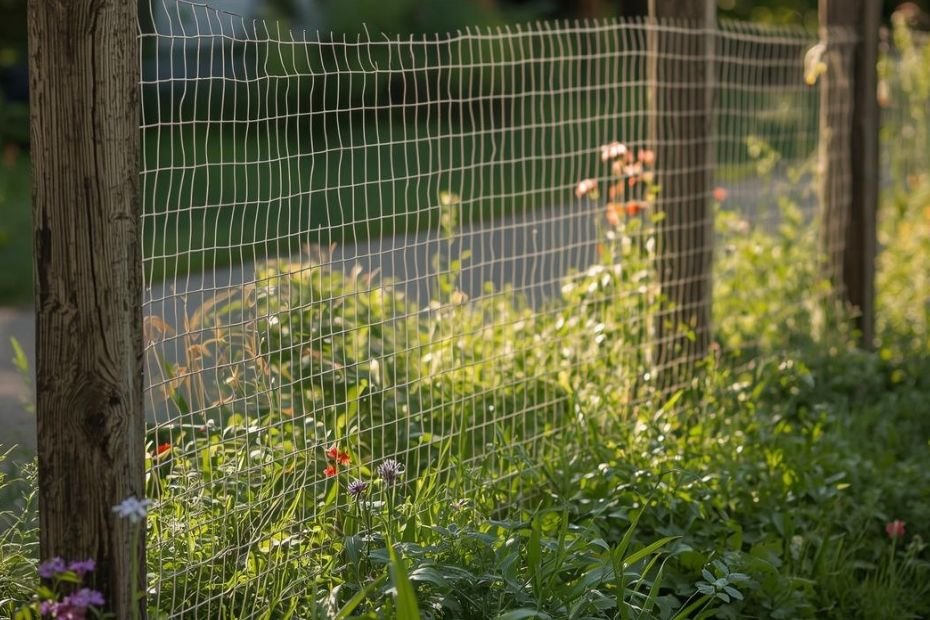
Standard chicken wire measures 36-72 inches tall with 1-inch hexagonal openings using 20-22 gauge galvanized wire costing $0.50-1.50 per linear foot—dramatically cheaper than alternatives running $8-25 per foot.
Your property needs defined boundaries or garden protection without premium fencing budgets.
Chicken wire fence ideas repurpose agricultural materials into surprisingly attractive boundaries through creative framing and intentional design.
I’m covering 10 inventive approaches from black-painted modern panels and wood-framed garden sections to trellis applications and privacy hybrid systems—seeing which solutions deliver function and style on minimal budgets.
Why Chicken Wire Fence Ideas Work Smart
Affordability Maximizes Coverage: Chicken wire costs 80-90% less than decorative alternatives making extensive fencing affordable. The budget-friendly material allows protecting large gardens or properties without financial strain.
Lightweight Installation Simplifies Projects: The flexible lightweight wire installs easily without professional help using basic tools. DIY accessibility eliminates labor costs making fencing achievable weekend projects.
Garden Visibility Maintains Connection: The fine mesh provides pest protection while preserving garden views. Visual transparency allows monitoring plant health and growth without obstruction unlike solid barriers.
Versatility Adapts To Multiple Uses: Chicken wire functions as garden fencing, trellis support, compost bin sides, or pet containment. The multi-purpose material serves varied needs across properties economically.
Chicken Wire Fence Ideas That Turn Budget Materials Into Design
Transform humble wire with these chicken wire fence ideas featuring creative budget solutions.
Black Painted Modern Frames
Build simple wood frames painting everything—frame and wire—matte black creating surprisingly sophisticated modern boundaries. The dark coating transforms agricultural wire into designer fencing instantly. It’s like materials reinvented where paint changes everything.
Use 2×4 cedar or pine frames with rust-inhibiting primer before black exterior paint. Stretch wire tightly preventing sagging. This chicken wire fence ideas approach delivers maximum modern impact affordably.
Horizontal Wood Rail Farmhouse
Frame chicken wire between horizontal cedar rails creating beloved farmhouse-garden hybrid fencing. The wood framing elevates humble wire into intentional rustic charm. It’s like gardens framed where simple becomes sophisticated.
Use three horizontal rails at 12-18 inch spacing creating clean proportions. Natural cedar or painted white both work beautifully. This chicken wire fence ideas solution creates classic farmhouse garden aesthetic.
Trellis For Climbing Vegetables
Mount chicken wire as vertical trellises supporting beans, peas, cucumbers, or flowering vines creating productive beautiful boundaries. The wire provides perfect climbing support. It’s like gardens structured where function feeds beauty.
Attach wire to sturdy posts or existing fences creating climbing surfaces. Plant at base allowing 4-6 weeks for coverage. This chicken wire fence ideas application combines productivity with attractive screening.
Garden Bed Border Protection
Use low chicken wire borders around raised beds or vegetable gardens protecting from rabbits and groundhogs. The 18-24 inch height provides adequate pest deterrent. It’s like barriers gentle where protection preserves access.
Bury bottom 4-6 inches preventing digging underneath. The low profile maintains garden visibility and accessibility. This chicken wire fence ideas application solves specific garden pest problems affordably.
Compost Bin Containment
Create three-sided compost bins using chicken wire stapled to corner posts forming functional aerated containers. The wire allows airflow while containing organic material. It’s like containers breathing where structure serves decomposition.
Build 3×3 or 4×4 foot square bins using 2×4 posts and chicken wire sides. Leave front open for access. This chicken wire fence ideas use creates essential garden infrastructure cheaply.
Portable Garden Cloches
Build small portable A-frame or box cloches using chicken wire over wood frames protecting seedlings from pests and cold. The mobile protection extends growing seasons. It’s like greenhouses portable where protection moves seasonally.
Cover wire with clear plastic sheeting for cold protection. Remove as plants mature. This chicken wire fence ideas application protects vulnerable young plants effectively.
Decorative Garden Archway
Shape sturdy chicken wire over arched wood or metal frames creating garden arbor structures training roses or clematis. The wire provides climbing support disappearing beneath foliage. It’s like infrastructure invisible where support becomes beautiful.
Build 6-8 foot tall arches wide enough for comfortable passage. The romantic structure creates garden focal points. This chicken wire fence ideas feature adds charming architectural interest.
Pet Containment Run Fencing
Create secure chicken coops, rabbit hutches, or small pet runs using chicken wire over wood framing. The fine mesh prevents predator entry while providing ventilation. It’s like protection complete where safety meets affordability.
Bury wire base 8-12 inches preventing predator digging. Add hardware cloth on lower 2 feet for added security. This chicken wire fence ideas application protects vulnerable animals effectively.
Privacy Screen Plant Support
Mount chicken wire panels training evergreen vines—ivy, jasmine, clematis—creating living privacy screens. The wire structure supports dense growth hiding wire completely. It’s like walls living where green conceals infrastructure.
Choose fast-growing evergreen varieties maintaining year-round coverage. Allow 2-3 seasons for full screening. This chicken wire fence ideas approach creates natural beautiful privacy inexpensively.
Temporary Construction Barrier
Use chicken wire as temporary fencing marking construction zones, protecting landscaping, or cordoning areas during projects. The quick-install material serves temporary needs perfectly. It’s like boundaries flexible where temporary suits perfectly.
Attach to T-posts or stakes for quick installation and removal. The reusable material serves multiple project needs. This chicken wire fence ideas application solves temporary fencing economically.
Common Chicken Wire Fence Ideas Mistakes And Solutions
Leaving Wire Unpainted And Raw
Bare galvanized chicken wire looks agricultural and cheap undermining otherwise intentional garden designs.
Solution: Paint wire and frames matte black, dark green, or match surrounding elements. The coating transforms appearance dramatically elevating humble materials. Spray paint works effectively for wire coverage.
Inadequate Tensioning During Installation
Loose saggy wire looks unprofessional and fails functionally allowing pest entry and plants escaping.
Solution: Stretch wire taut during installation using wire stretchers or hand tension. Secure edges thoroughly at frequent intervals. Proper tension creates professional-looking functional results preventing sagging.
Using Flimsy Lightweight Posts
Thin weak posts bend and lean under wire tension undermining entire fence stability and appearance.
Solution: Use substantial 4×4 posts or heavy T-posts providing adequate support. Bury posts one-third total length in concrete. Proper post installation determines entire fence longevity.
Skipping Bottom Burial
Wire ending at ground level allows burrowing pests undermining garden protection purposes entirely.
Solution: Bury bottom 4-8 inches creating underground barriers preventing digging entry. Bend wire base outward before burial creating additional deterrent. Underground protection matters as much as visible fencing.
Choosing Wrong Gauge Wire
Ultra-thin 24-26 gauge wire tears easily and fails under weather or animal pressure.
Solution: Select 20-22 gauge chicken wire minimum providing adequate strength and longevity. Slightly heavier gauge costs marginally more but delivers significantly better performance and lifespan.
Frequently Asked Questions About Chicken Wire Fence Ideas
How Long Does Chicken Wire Last Outdoors?
Galvanized chicken wire lasts 5-10 years depending on climate exposure and moisture levels.
Painted wire lasts 8-15 years. Coastal or high-humidity areas accelerate corrosion. PVC-coated versions extend lifespan to 15-20 years.
What’s The Difference Between Chicken Wire And Hardware Cloth?
Chicken wire uses thin 20-22 gauge wire with 1-inch hexagonal openings.
Hardware cloth uses heavier 19-23 gauge with square 1/4 to 1/2-inch openings providing superior strength and smaller pest exclusion but costing 3-4x more.
Can Chicken Wire Keep Out All Garden Pests?
Chicken wire excludes rabbits, groundhogs, and chickens but doesn’t stop mice, voles, or snakes passing through 1-inch openings.
For complete small pest exclusion, use 1/4-inch hardware cloth on lower fence sections.
Creating Your Budget-Friendly Wire Boundary
Chicken wire fence ideas prove agricultural materials create functional attractive boundaries through intentional framing and creative applications.
Paint wire and frames elevating appearance, stretch tightly during installation preventing sagging, use substantial posts providing adequate support, and bury bottom sections preventing pest entry. Avoid leaving wire raw, inadequate tensioning, or flimsy posts creating cheap-looking ineffective results instead of charming functional budget fencing.
Which chicken wire fence idea fits your property needs? Share your budget fencing plans below!