Transform Your Yard into a Romantic Haven with These Cottage Flower Garden Ideas
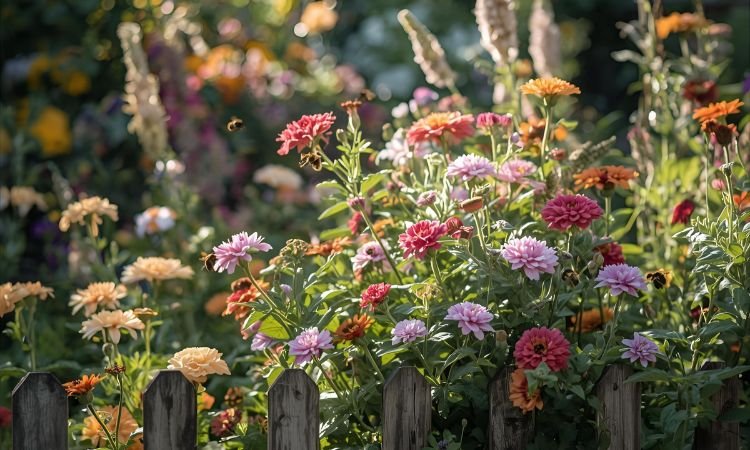
Cottage flower gardens captivate through their seemingly effortless beauty. The overflowing blooms, mixed colors, and casual arrangements create spaces feeling simultaneously wild and intentional. Yet achieving this look requires more knowledge than many realize.
Cottage flower garden ideas reveal the structure behind apparent chaos showing how to combine plants creating season-long color and authentic cottage charm. The best approaches balance planning with spontaneity allowing gardens feeling collected over generations rather than installed overnight.
We’re covering 12 cottage flower garden ideas that create romantic abundance through smart plant selection and traditional design principles. These strategies work for various climates and yard sizes bringing timeless English garden beauty to any location.
Essential Elements of Cottage Flower Gardens
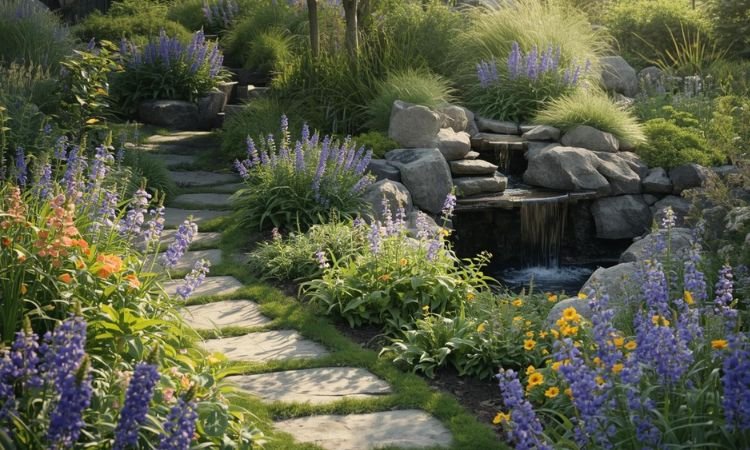
- Mixed Heights Create Dimensional Beauty: Layering low edgers through medium perennials to tall hollyhocks and delphiniums creates depth preventing flat boring borders. It’s like stage sets where varied elevations add visual interest. The vertical variety keeps eyes moving through gardens rather than skating across single plane.
- Repeating Key Plants Provides Unity: Using favorite flowers in groups throughout beds creates rhythm preventing chaotic randomness. It’s like musical themes where repeated elements create cohesion. The strategic repetition unifies abundance preventing overwhelming confusion.
- Self-Seeding Annuals Add Spontaneity: Allowing plants like poppies, nigella, and forget-me-nots reseeding freely creates natural combinations planning can’t replicate. It’s like happy accidents where nature plants more creatively than humans. The volunteers fill gaps and create authentic cottage character.
- Extended Bloom Seasons Matter Critically: Choosing plants with staggered flowering ensures constant color from spring through fall rather than brief spectacular shows. It’s like relay races where sequential blooms maintain continuous interest. The succession planning delivers reliable beauty throughout growing seasons.
12 Cottage Flower Garden Ideas
Create romantic flowering landscapes with these cottage flower garden ideas that deliver abundant color through traditional plant combinations.
Classic Cottage Border Mix
Combine traditional cottage favorites—roses, lavender, catmint, delphiniums, foxgloves—in deep borders creating quintessential English cottage look. The time-tested combinations deliver reliable beauty and authentic character. It’s like greatest hits where proven performers never disappoint.
Layer plants by height with tallest at back creating theatrical backdrop for shorter bloomers. Include mix of perennials and self-seeding annuals maintaining constant interest. This cottage flower garden approach uses proven plant partnerships creating classic beauty.
Cutting Garden Abundance
Dedicate beds to flowers grown specifically for cutting ensuring constant indoor bouquets. The productive beds provide both garden beauty and harvest abundance. It’s like farming flowers where utility and aesthetics combine perfectly.
Plant in rows for easy access—zinnias, cosmos, dahlias, sunflowers. Include succession plantings maintaining continuous supply throughout season. This cottage flower garden strategy delivers practical beauty serving multiple purposes.
Pastel Color Palette
Design using soft pinks, lavenders, blues, and whites creating dreamy romantic atmosphere. The gentle colors feel soothing and traditionally cottage while remaining sophisticated. It’s like watercolor paintings where soft hues create ethereal beauty.
Choose plants in coordinating pastel tones—pink roses, blue delphiniums, white daisies, lavender catmint. The restrained palette creates cohesion within abundance. This cottage flower garden theme delivers romance through thoughtful color selection.
Hot Color Explosion
Embrace bold oranges, reds, yellows, and magentas creating vibrant energetic gardens. The saturated colors feel joyful and exuberant celebrating summer’s abundance. It’s like celebrations where bold colors express happiness visually.
Include dahlias, zinnias, rudbeckia, crocosmia in warm vibrant tones. The hot palette suits contemporary cottage interpretations beautifully. This cottage flower garden approach proves cottage style accepts modern color confidence.
White Garden Serenity
Create all-white garden using varied textures and forms within monochromatic palette. The sophisticated restraint feels elegant while maintaining cottage fullness. It’s like white rooms where texture provides all necessary variety.
Choose white roses, Shasta daisies, white foxgloves, and silver-leaved plants. The unified color creates sophisticated cohesion. This cottage flower garden theme delivers timeless elegance through disciplined color choice.
Fragrant Flower Focus
Prioritize scented varieties—roses, sweet peas, stock, lavender—creating gardens appealing to noses as much as eyes. The aromatic experience enhances cottage gardens’ sensory appeal. It’s like perfume gardens where fragrance matters equally with appearance.
Position most fragrant plants near seating areas and pathways maximizing scent enjoyment. Include both day and evening bloomers providing constant fragrance. This cottage flower garden strategy engages multiple senses creating richer experiences.
Four-Season Interest
Choose plants ensuring something blooms every season including spring bulbs, summer perennials, fall asters, and winter hellebores. The year-round beauty extends garden enjoyment beyond summer peak. It’s like four-act plays where each season presents different performances.
Include bulbs, perennials, and self-seeders providing succession blooms. Add evergreen structure maintaining winter interest. This cottage flower garden approach delivers constant rather than seasonal beauty.
Vertical Growing Emphasis
Maximize limited space using climbing roses, sweet peas, and clematis on trellises, arbors, and walls. The vertical blooms add height without consuming ground space. It’s like building upward where vertical expansion compensates for limited footprints.
Include substantial support structures accommodating mature vine weight. Train climbers regularly maintaining desired forms. This cottage flower garden technique suits small yards needing maximum flower impact.
Edible Flower Integration
Mix edible flowers—nasturtiums, calendulas, violas—with ornamentals creating beautiful productive gardens. The dual-purpose plantings serve both aesthetics and culinary needs. It’s like gardens you can eat where beauty becomes ingredients.
Plant edibles throughout borders rather than isolating in separate beds. The integrated approach maintains cottage abundance while adding utility. This cottage flower garden strategy combines traditional beauty with modern food gardening.
Pollinator Paradise
Select flowers specifically attracting bees, butterflies, and beneficial insects creating ecological beauty. The wildlife activity adds movement and life beyond static blooms. It’s like nature reserves where gardens support broader ecosystems.
Include native species and traditional cottage plants benefiting pollinators—coneflowers, salvias, asters. Avoid double-flowered varieties providing less nectar. This cottage flower garden approach combines beauty with environmental responsibility.
Self-Seeding Wildflower Mix
Encourage naturalizing annuals and biennials seeding freely creating ever-changing combinations. The spontaneous plantings add authentic cottage character impossible through rigid planning. It’s like improvisation where nature plants creatively yearly.
Include poppies, nigella, hollyhocks, foxgloves allowing some flowers going to seed. The casual approach creates genuine rather than staged cottage beauty. This cottage flower garden philosophy embraces nature’s randomness authentically.
Container Cottage Garden
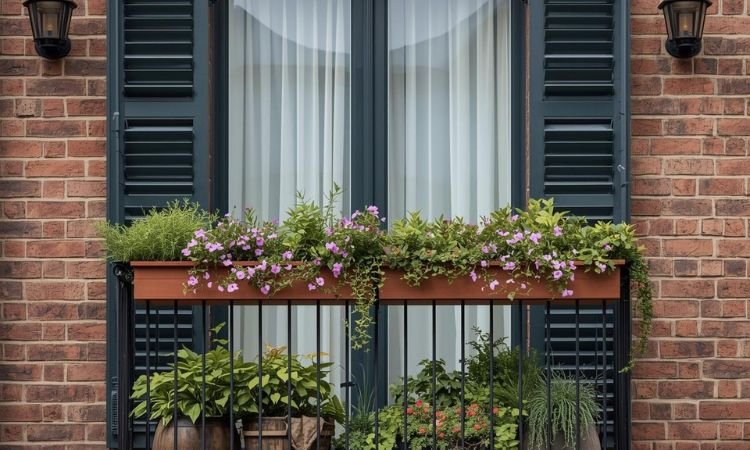
Create cottage abundance using containers when ground planting isn’t possible. The portable gardens deliver full cottage character on patios and balconies. It’s like cottage gardens in pots where principles scale to any situation.
Use large containers mixing trailing and upright flowers densely. Include traditional cottage favorites in appropriate sizes. This cottage flower garden adaptation brings style to spaces lacking traditional beds.
Growing Cottage Flowers Successfully
- Prepare Soil with Organic Matter: Enrich beds with compost ensuring plants receiving nutrients supporting abundant blooms. It’s like feeding performers where proper nutrition enables best performances. The soil investment pays dividends through healthier more floriferous plants.
- Deadhead Regularly Extending Blooms: Remove spent flowers encouraging continued flowering rather than seed production. It’s like editing where removing finished elements allows new ones emerging. The consistent maintenance extends bloom seasons significantly.
- Allow Strategic Self-Seeding: Let select plants going to seed creating natural combinations while controlling others preventing overwhelming invasion. It’s like managed freedom where some spontaneity gets encouraged. The balance creates authentic character without complete chaos.
- Divide Perennials Maintaining Vigor: Split crowded perennials every 3-4 years encouraging healthy growth and abundant flowering. It’s like rejuvenation where division renews tired plants. The regular division provides bonus plants expanding gardens affordably.
Frequently Asked Questions About Cottage Flower Gardens
What Flowers Are Essential?
Traditional cottage gardens include roses, delphiniums, foxgloves, hollyhocks, peonies, lavender, catmint, and poppies. These classics provide authentic character and proven performance. Include mix of perennials, biennials, and self-seeding annuals creating layered beauty.
Regional adaptations require substituting climate-appropriate alternatives maintaining cottage principles. The specific plants matter less than abundant mixed planting style defining cottage gardens universally.
How Do You Prevent Looking Messy?
Maintain clear edges, include structure through repeated plants, and keep paths defined. Regular deadheading and weeding prevents abundance becoming neglected chaos. The fine line between cottage fullness and messiness requires consistent maintenance.
Strategic repetition of key plants creates rhythm within variety. The organized abundance feels intentional rather than accidental distinguishing cottage gardens from overgrown neglect.
Can You Start Cottage Garden from Seed?
Yes—many cottage favorites grow easily from seed including cosmos, zinnias, poppies, nigella, and sweet alyssum. Starting seeds saves significant money while providing satisfaction. Direct sow hardy annuals where they’ll grow or start tender varieties indoors.
Combine purchased perennials with seed-grown annuals accelerating garden establishment. The mixed approach balances immediate impact with budget consciousness.
How Long Until Gardens Look Established?
First-year gardens show promise but second and third years bring full cottage abundance as perennials mature and self-seeders naturalize. Plan for 2-3 years achieving the layered overflow beauty defining established cottage gardens.
Strategic use of fast-growing annuals fills gaps during establishment years. Patience rewards with authentic character impossible to instant-install regardless of budget.
What Maintenance Do They Need?
Cottage gardens require weekly deadheading during bloom season, regular weeding, and spring cleanup. The abundant plantings demand more attention than minimalist landscapes but less than formal gardens requiring precise grooming.
The maintenance becomes meditation rather than chore when approached properly. Many cottage gardeners find tending these gardens relaxing rather than burdensome.
Growing Your Cottage Dream
Cottage flower garden ideas prove that romantic abundance comes through understanding traditional plant combinations and accepting nature’s contributions. The best gardens balance planning with spontaneity creating spaces feeling collected over generations. The patience and knowledge combine producing gardens that improve yearly rather than requiring constant renovation.
Start with soil preparation and structural plants adding layers gradually. Choose proven cottage favorites suited to your climate and conditions. The thoughtful foundation supports abundant flowering that defines cottage gardens universally across all regions.
What cottage flower would you plant first? Share your blooming garden dreams below!