Charming Cottage Garden Fence Ideas to Frame Your Dreamy Landscape

Cottage gardens need proper boundaries. The abundant plantings and casual charm require frames preventing wild beauty from looking completely chaotic. Yet many fences feel too formal or modern contradicting the relaxed cottage aesthetic.
Cottage garden fence ideas balance structure with romance creating boundaries that enhance rather than fight natural abundance. The right fencing adds charm while supporting climbing plants, defining spaces, and maintaining the casual elegance defining cottage style.
We’re covering 13 cottage garden fence ideas that complement rather than compete with lush plantings. These approaches use traditional materials, appropriate heights, and designs welcoming the overflow beauty cottage gardens naturally create.
Why Cottage Gardens Need Special Fencing
- Low Heights Maintain Openness: Cottage fences traditionally stay between 3-4 feet allowing views over while providing gentle boundaries. It’s like friendly suggestions where borders invite rather than exclude. The welcoming height suits cottage gardens’ approachable character perfectly.
- Rustic Materials Feel Appropriate: Wood, woven willow, and natural materials suit cottage aesthetics better than vinyl or modern metals. It’s like choosing handmade over manufactured where authentic materials add character. The organic choices age beautifully developing patina cottage gardens celebrate.
- Plant Support Becomes Design Feature: Cottage fences provide frameworks for climbing roses, clematis, and vines becoming living walls. It’s like scaffolding that disappears beneath blooms where structure supports beauty. The dual function maximizes every element’s contribution.
- Imperfection Adds Authentic Charm: Slightly irregular spacing, weathered wood, or gentle leaning adds character rather than detracting. It’s like aged faces where imperfection tells stories. The authentic wear suits cottage gardens better than pristine perfection.
13 Cottage Garden Fence Ideas
Frame your romantic landscape with these cottage garden fence ideas that enhance abundant plantings while providing necessary structure.
Classic White Picket Fence
Install traditional white picket fence creating iconic cottage garden boundary. The pointed slats and bright paint provide cheerful classic framework. It’s like garden signatures where white pickets instantly signal cottage intent.
Space pickets 2-3 inches apart allowing air circulation while maintaining boundaries. Paint annually maintaining fresh appearance or allow gentle weathering. This cottage garden fence remains timeless choice embodying style perfectly.
Split Rail Rustic Fencing
Use horizontal split rail fence creating informal country boundaries. The rough-hewn wood adds rustic charm while providing minimal visual barrier. It’s like farm fencing where simplicity creates authentic character.
Choose cedar or locust wood resisting rot naturally without chemical treatment. The open design allows plants growing through creating integrated appearance. This cottage garden fence works brilliantly in rural or farmhouse settings.
Woven Willow Hurdles
Install traditional woven willow panels creating handcrafted cottage charm. The natural wattle fencing adds textural interest while providing good screening. It’s like basketweaving at fence scale where craft becomes garden element.
Purchase pre-made hurdles or weave your own using flexible willow branches. The natural material develops attractive gray patina weathering. This cottage garden fence adds authentic handmade character unavailable in manufactured options.
Flowering Vine-Covered Wire
Stretch wire mesh or cattle panels training climbing roses and clematis creating living fences. The framework disappears beneath flowering vines within seasons. It’s like growing boundaries where plants become the fence itself.
Choose sturdy wire supporting mature vine weight without sagging. Include fast-growing annual vines alongside perennial climbers for immediate coverage. This cottage garden fence combines minimal structure with maximum floral impact.
Painted Picket with Arbor Entry
Combine picket fence with arched arbor gate creating dramatic entry statement. The special passage elevates simple boundaries into garden experiences. It’s like doorways to magic where entries feel significant.
Paint fence and arbor matching or contrasting colors depending on desired effect. Train climbing roses over arbor creating floral tunnel. This cottage garden fence makes entrances memorable through architectural emphasis.
Reclaimed Wood Pallet Fence
Repurpose wooden pallets creating rustic sustainable fencing. The weathered wood adds instant character while reducing costs significantly. It’s like recycling with style where salvaged materials become design features.
Disassemble pallets using boards for fence construction. Vary board heights creating organic rather than rigid top line. This cottage garden fence delivers character through authentic aged materials.
Low Stone Wall with Plantings
Build or incorporate dry-stack stone walls topping with traditional fencing or leaving low for plant displays. The permanent stone adds substance while creating planting opportunities. It’s like raised beds becoming boundaries where function multiplies.
Choose local stone matching regional character. Plant rock garden species in wall gaps creating living walls. This cottage garden fence combines traditional craftsmanship with permanent beauty.
Painted Wooden Slat Fence
Install horizontal or vertical slat fence painted in soft cottage colors—pale blue, sage green, cream. The colorful boundaries add personality while maintaining boundaries. It’s like painted furniture where color adds charm.
Space slats allowing air circulation and partial views maintaining cottage openness. Refresh paint every few years maintaining color vibrancy. This cottage garden fence proves color enhances traditional forms beautifully.
Bamboo Panel Screening
Use natural bamboo fencing creating casual textured boundaries. The vertical poles add height and privacy while maintaining organic aesthetic. It’s like tropical touches where natural materials create warm barriers.
Secure bamboo panels to existing posts or frames. The natural material weathers developing silver patina over time. This cottage garden fence adds texture through natural renewable material.
Mixed Height Picket Design
Vary picket heights creating wavy irregular top line rather than uniform appearance. The casual variation adds whimsy and visual interest. It’s like musical notes where varied heights create rhythm.
Alternate short and tall pickets in random or patterned arrangements. The playful approach suits cottage gardens’ casual character. This cottage garden fence proves imperfection creates charm intentionally.
Post and Rail with Roses
Install simple post-and-rail fence training climbing roses along horizontal rails. The minimal structure provides rose support while maintaining openness. It’s like trellises disguised as fences where function supports beauty.
Choose disease-resistant climbing varieties requiring less maintenance—New Dawn, Zephirine Drouhin. Prune after flowering maintaining shape and encouraging blooms. This cottage garden fence celebrates roses as primary design element.
Chicken Wire with Climbing Plants
Stretch chicken wire between posts creating invisible framework for climbing plants. The utilitarian material disappears beneath foliage and flowers. It’s like camouflage where function hides behind beauty.
Paint wire dark colors helping it recede visually before plants cover. The affordable solution provides excellent plant support. This cottage garden fence maximizes value through minimal material investment.
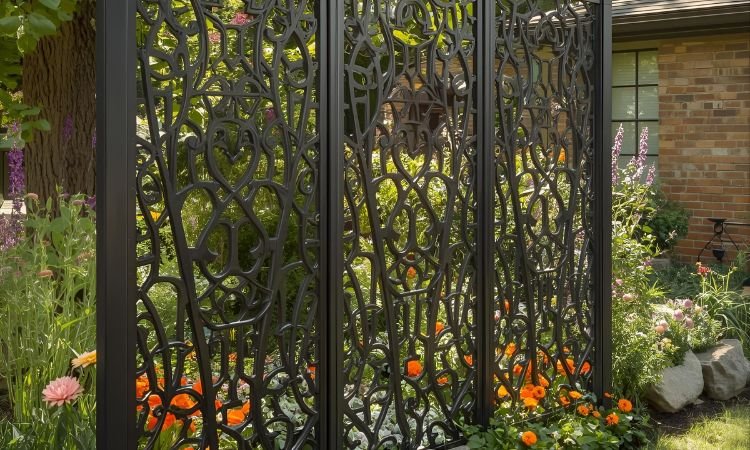
Decorative Iron with Greenery
Use low ornamental iron fencing adding elegance while supporting plants. The decorative metalwork provides structure year-round even after plants die back. It’s like jewelry where metal details add refinement.
Choose simpler designs over elaborate scrollwork maintaining cottage rather than formal aesthetic. The metal provides permanent structure while plants add seasonal softness. This cottage garden fence combines durability with traditional elegance.
Installing Cottage Garden Fences
- Consider Plant Growth When Planning: Allow adequate space between fence and planting beds accommodating mature plant sizes. It’s like planning for growth where eventual fullness gets anticipated. The forward thinking prevents crowding requiring fence relocation later.
- Choose Rot-Resistant Woods: Use cedar, redwood, or locust avoiding frequent replacement from decay. It’s like choosing durable materials where quality extends lifespan. The rot resistance matters particularly where fences contact soil regularly.
- Install with Gentle Imperfection: Embrace slight irregularities rather than demanding perfect alignment. It’s like accepting character where handmade quality trumps machine precision. The organic appearance suits cottage gardens better than rigid perfection.
- Plan for Climbing Plant Support: Include horizontal rails, wire, or structures supporting vines and roses. It’s like building infrastructure where future plantings get anticipated. The support structures allow maximizing vertical growing opportunities.
Frequently Asked Questions About Cottage Garden Fences
What Height Works Best?
Traditional cottage fences measure 3-4 feet tall allowing views over while providing boundaries. Taller fences feel too imposing disrupting cottage gardens’ welcoming character. Lower heights encourage interaction and maintain open friendly atmosphere defining cottage style.
Front yard fences typically stay 3 feet while back gardens might reach 4-5 feet for increased privacy. The shorter heights suit cottage gardens’ approachable aesthetic better than tall privacy fencing.
How Do You Make New Fences Look Aged?
Apply weathering accelerators, diluted gray stain, or leave wood untreated allowing natural aging. Encourage moss growth on shaded sections. The intentional aging creates authentic rather than obviously new appearance.
Incorporate salvaged or reclaimed materials alongside new components. The mix creates instant character impossible with all-new construction. Patience allows natural weathering creating most authentic results over time.
Can You Mix Fence Styles?
Yes—mixing materials and styles adds cottage gardens’ characteristic eclectic charm. Combine picket sections with stone walls or woven panels. The intentional variety creates collected appearance suggesting evolution over time.
Maintain consistent heights and similar color palettes unifying different materials. The cohesive approach prevents random rather than intentionally eclectic appearance.
What’s the Most Affordable Option?
Chicken wire on wooden posts costs $3-5 per linear foot installed. Split rail and basic picket fences run $10-15 per foot. Reclaimed pallet wood offers nearly free materials requiring only assembly labor.
DIY installation saves 50-70% over professional contractors. The simple constructions suit homeowner capabilities making DIY feasible for most cottage fence projects.
How Long Do Cottage Fences Last?
Cedar and redwood fences last 15-20 years with minimal maintenance. Treated pine lasts 10-15 years. Woven willow requires replacement every 5-8 years. Natural weathering and intentional aging suit cottage aesthetics where pristine perfection isn’t goal.
Regular maintenance—painting, treating, or allowing controlled weathering—extends lifespan significantly. The rustic materials accept aging gracefully unlike modern materials showing deterioration poorly.
Framing Your Cottage Paradise
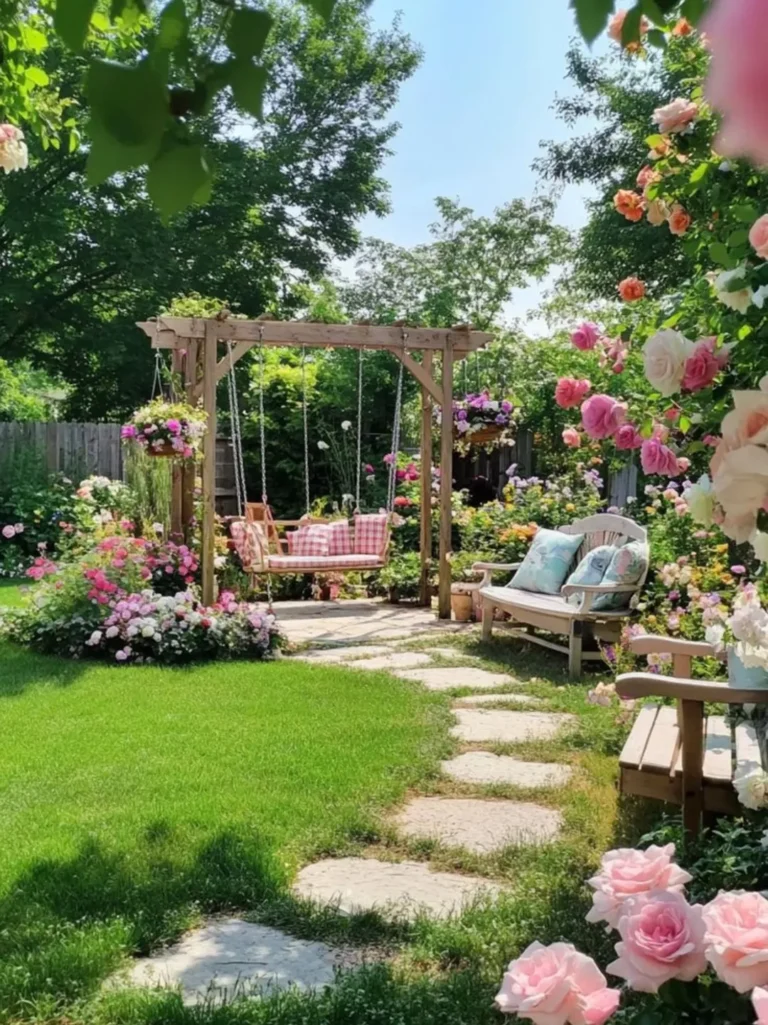
Cottage garden fence ideas prove boundaries can enhance rather than contain abundant plantings. The right fencing provides necessary structure while celebrating the overflow beauty defining cottage gardens. The traditional materials and appropriate scales work with nature rather than fighting natural exuberance.
Start by determining primary fence function—boundaries, plant support, or purely aesthetic. Choose materials and heights complementing rather than competing with plantings. The thoughtful selection creates frames worthy of the romantic gardens they contain.
What fence style would frame your cottage garden? Share your boundary dreams below!