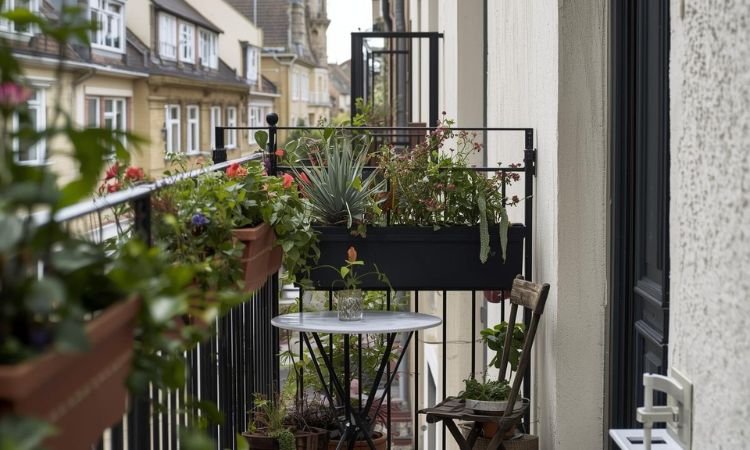
Beautiful Deck Ideas Off the Back of Your House for Easy Outdoor Living
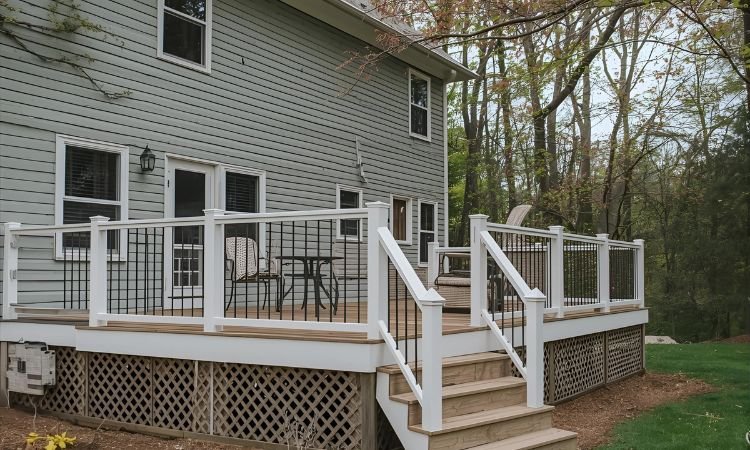
Decks extend living space outdoors creating comfortable areas for dining, relaxing, and entertaining. The right deck design connects seamlessly with home architecture while maximizing yard potential. Yet poor planning creates decks that feel disconnected, impractical, or visually awkward.
Deck ideas off back of house reveal which layouts, features, and design choices create truly functional outdoor rooms. The best approaches consider traffic flow, sun exposure, privacy needs, and how family actually uses outdoor space rather than following generic templates.
We’re covering 11 deck ideas off back of house featuring layouts from simple platforms to multi-level entertainment zones. These practical designs address real-world concerns like yard slope, existing landscaping, budget constraints, and maintenance preferences while creating spaces people actually want to use.
Essential Qualities of Well-Designed Back Decks
- Proper Scale Matches House: Deck proportions should complement home size rather than overwhelming or underwhelming architecture. It’s like clothing fit where correct sizing matters more than style. The appropriate scale creates visual harmony between structure and landscape.
- Thoughtful Access Creates Flow: Door placement and traffic patterns determine how smoothly people move between indoor and outdoor spaces. It’s like hallways where circulation affects daily experience. The strategic access points make decks feel like natural extensions rather than afterthoughts.
- Defined Zones Increase Utility: Separate areas for cooking, dining, lounging, and circulation prevent single-use limitations. It’s like room divisions where designated spaces serve specific purposes. The zone planning maximizes deck functionality without requiring excessive square footage.
- Material Choices Affect Experience: Decking materials impact appearance, maintenance, comfort, and longevity significantly. It’s like flooring selection where surface choice influences everything. The material decisions should match lifestyle and budget realities.
11 Deck Ideas Off Back Of House
Transform outdoor living with these deck ideas off back of house featuring practical layouts and smart design solutions.
Single-Level Platform Deck
Build straightforward rectangular deck at door threshold height creating simple indoor-outdoor transition. The uncomplicated design works for flat yards and limited budgets. It’s like blank canvas where simplicity allows furniture and plantings creating character.
Size appropriately for intended use—12×16 feet accommodates dining table and seating group comfortably. Use quality materials even in basic designs ensuring longevity. This deck idea off back of house provides maximum value through efficient construction.
Two-Tier Split-Level Design
Create upper deck adjoining house with lower level stepping down into yard. The tiered approach handles moderate slopes while adding architectural interest. It’s like staircases where levels create dimension.
Upper tier holds dining area while lower section provides lounging space or hot tub location. Wide steps between levels double as casual seating. This deck idea off back of house solves grade changes elegantly while increasing usable area.
Wraparound Corner Extension
Extend deck around house corner accessing multiple rooms and capturing different sun exposures. The L-shaped layout increases flexibility and views. It’s like hallways where circulation connects different areas.
Design wider sections where furniture groupings will sit with narrower connector sections. The wraparound approach works well for ranch-style homes. This deck idea off back of house maximizes access and sun-tracking opportunities.
Ground-Level Patio Deck
Build low platform deck directly on ground or slightly elevated for homes with minimal foundation height. The grade-level approach eliminates railings creating open appearance. It’s like patios where low profile feels integrated.
Use concrete footings even for ground-level builds ensuring stability and drainage. The accessible design suits families with small children or mobility concerns. This deck idea off back of house creates seamless yard transition.
Multi-Level Entertainment Deck
Design three or more tiers creating distinct zones for different activities. The cascading levels handle sloped yards while establishing separate areas. It’s like theater seating where elevation defines spaces.
Top level holds grilling station, middle tier accommodates dining, lower section provides fire pit gathering area. The level changes guide traffic naturally. This deck idea off back of house maximizes sloped lot potential.
Covered Pavilion Style
Add permanent roof structure over portion of deck extending usable season and weather protection. The covered section allows outdoor use during rain or intense sun. It’s like porches where shelter increases functionality.
Include ceiling fans and lighting making covered area comfortable and usable after dark. Leave remaining deck open maintaining sun exposure options. This deck idea off back of house creates true outdoor room functionality.
Integrated Planter Boxes
Build raised planters into deck perimeter or as dividers between zones. The incorporated greenery softens wood surfaces while adding privacy screening. It’s like living walls where plants become architecture.
Size planters adequate for plant root systems—minimum 18 inches deep and wide. Include drainage preventing water damage to deck structure. This deck idea off back of house adds natural elements without sacrificing floor space.
Floating Island Deck
Position freestanding deck away from house creating destination within yard rather than attached platform. The separated structure offers different perspectives and garden immersion. It’s like gazebos where distance creates retreat feeling.
Connect to house with defined pathway through landscaping. The island approach works when door placement makes attached deck impractical. This deck idea off back of house creates garden focal point and private retreat.
Diagonal Decking Pattern
Install deck boards at 45-degree angle creating visual interest and perceived width. The angled boards add sophistication to simple layouts. It’s like parquet floors where pattern elevates appearance.
Diagonal installation requires additional material for cutting waste and more complex framing. The upgraded appearance justifies extra effort and cost. This deck idea off back of house enhances basic designs through flooring direction alone.
Built-In Seating Perimeter
Incorporate fixed benches around deck edges eliminating furniture needs and maximizing open space. The permanent seating defines boundaries while providing ample capacity. It’s like window seats where built-ins add charm.
Include storage compartments under bench seats hiding cushions, toys, or gardening supplies. Add back support for comfortable extended sitting. This deck idea off back of house increases seating without cluttering floor area.
Deck with Screened Section
Enclose portion of deck with screening creating bug-free zone while maintaining open areas. The screened room extends usable evenings in mosquito-prone regions. It’s like sleeping porches where protection increases comfort.
Include screen door accessing enclosed section from open deck. Use removable screen panels allowing seasonal conversion. This deck idea off back of house solves insect problems without sacrificing outdoor feeling entirely.
Building Successful Back Decks
- Consider Sun Movement: Observe how sunlight hits proposed deck location throughout day across seasons. It’s like stage lighting where sun position affects comfort dramatically. The solar awareness prevents creating spaces too hot or perpetually shaded.
- Plan for Drainage: Ensure deck design doesn’t trap water against house foundation or create runoff problems. It’s like gutters where water management prevents damage. The drainage planning protects both deck structure and home.
- Include Adequate Lighting: Install multiple light sources at various heights creating safe navigation and ambiance. It’s like interior lighting where layered sources work best. The proper illumination extends deck use into evening hours safely.
- Allow for Future Changes: Design structure accommodating potential additions like pergolas, screens, or roof covers. It’s like foundations where initial build enables later expansion. The forward planning prevents rebuilding when needs evolve.
Frequently Asked Questions About Back House Decks
What Size Deck Do You Need?
Plan minimum 12×12 feet for basic dining and seating. Comfortable entertaining requires 16×20 feet or larger accommodating multiple furniture groupings and circulation space. Calculate 20-25 square feet per person for party capacity planning.
Larger isn’t always better if maintenance and heating outdoor space becomes burdensome. Right-size deck to actual lifestyle rather than theoretical maximum use.
How Much Does Deck Construction Cost?
Expect $30-45 per square foot for pressure-treated wood, $40-60 for composite materials, $50-75 for premium hardwoods or high-end composites. Include railings, stairs, permits, and labor in total budget. A 12×16-foot basic deck typically costs $6,000-12,000 fully installed.
DIY construction saves 40-50% labor costs but requires carpentry skills and time investment. Get multiple contractor quotes comparing materials and construction methods.
What’s Best Decking Material?
Pressure-treated lumber offers lowest cost but requires regular maintenance. Composite decking costs more initially but eliminates staining and sealing. Hardwoods like ipe provide beauty and longevity at premium prices. Cedar offers natural rot resistance with moderate pricing.
Consider maintenance willingness and budget honestly. Low-maintenance composites suit busy lifestyles while wood appeals to those enjoying preservation work.
Do You Need Permits?
Most jurisdictions require permits for decks exceeding 200 square feet or 30 inches high. Regulations vary significantly by location covering setbacks, railing heights, footing depths, and construction methods. Check local building department before starting any deck project.
Permit processes take 2-6 weeks typically. Unpermitted decks create problems during home sales and may require expensive corrections or removal.
How Do You Handle Sloped Yards?
Multi-level decks work well for moderate slopes creating terraced effect. Steep slopes may require tall posts and extensive framing increasing costs significantly. Ground-level decks suit flat yards while elevated designs handle grades.
Consider retaining walls combined with decks for severe slopes. Professional design input helps navigating challenging topography safely and economically.
Growing Your Outdoor Living Dream
Deck ideas off back of house show that thoughtful design creates spaces genuinely enhancing daily life. The smart layouts accommodate real needs while working within budget and site constraints rather than pursuing magazine perfection. The practical approach creates decks used constantly rather than rarely.
Start with clear understanding of how you’ll actually use outdoor space. Consider sun, views, privacy, and access patterns. The honest assessment creates decks matching lifestyle rather than disappointing through poor planning.
What deck feature matters most for your needs? Share your outdoor living priorities below!