Deck Patio Combo Ideas That Make Your Backyard Work Harder
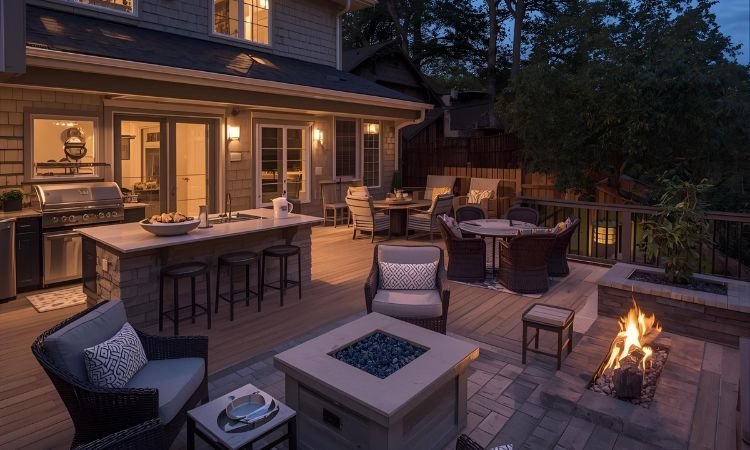
So you’re planning outdoor space and can’t decide between a deck or patio. Here’s a thought—why not both? I know, sounds like overkill at first. But stick with me here.
Most backyards have that weird grade situation where one level makes sense by the house and another works better out in the yard. Or maybe you want different vibes—elevated deck for grilling and morning coffee, ground-level patio for fire pit hangs. The combo approach gives you options instead of forcing everything onto one surface.
Here’s the deal though. You can’t just slap a deck next to a patio and call it a day. The transition between levels needs planning. How they connect, what materials you’re mixing, where people naturally want to walk—all that stuff matters if you want it to actually look intentional.
We’re covering 12 deck patio combo ideas that show different ways to blend these spaces. You’ll see how to handle those awkward grade changes, connect two different materials without it looking weird, create distinct zones for different activities, and basically make your backyard work way harder than a single-surface setup ever could.
What Makes Deck-Patio Combos Actually Work
- Smooth Transitions Feel Natural: The connection between deck and patio shouldn’t feel like an afterthought or obstacle course. It’s like doorways between rooms—good flow happens when you barely notice the change. Wide steps, gradual transitions, and clear pathways make people move between spaces easily.
- Different Heights Create Interest: Elevation changes define separate areas without needing walls or fences. It’s like split-level homes where floor changes signal different purposes. The height variation gives each space its own identity while staying connected.
- Material Contrast Adds Character: Mixing wood decking with stone or concrete patio creates visual variety that’s way more interesting than all one surface. It’s like combining textures in a room where variety makes things feel complete. The material change reinforces that you’re entering a different zone.
- Each Level Serves Different Purposes: Good combos give each area its own job—deck for dining, patio for lounging, or whatever matches how you actually live outside. It’s like having a living room AND a den where different spaces suit different moods. The functional separation makes both areas more useful.
Deck Patio Combo Ideas
Get more from your backyard with these deck patio combo ideas that blend elevated and ground-level outdoor living.
Elevated Deck with Ground-Level Patio Extension
Build main deck off the house then extend entertainment space with patio at ground level below or beside it. The two-tier approach maximizes usable area while handling grade naturally. You know what? This setup is perfect when your yard slopes away from the house.
Connect levels with wide stairs that double as casual seating. Use complementary materials—cedar deck with bluestone patio or composite with stamped concrete. This combo gives you covered dining up top and sun-soaked lounging below.
Wraparound Deck Leading to Patio
Create L-shaped or U-shaped deck partially surrounding ground-level patio space. The wraparound design defines outdoor rooms while maintaining flow between them. I’ve found this layout works great for entertaining because people naturally circulate between levels.
Position patio in sunny area for daytime use while deck provides shade options. The elevated deck offers views into yard while patio sits nestled within the space. And honestly, this configuration makes yards feel bigger than they are.
Floating Deck with Paver Patio Surround
Build low-profile floating deck as island feature with paver patio extending around it on all sides. The platform creates defined zone while integrated patio provides circulation and additional space. It’s like area rugs where deck defines specific area within larger patio.
Use matching color palettes tying materials together visually. The flush-mounted deck sits just 8-12 inches above patio grade creating easy step. This combo works amazingly well for flat yards where traditional elevation changes don’t make sense.
Multi-Level Deck with Lower Patio Base
Design deck with multiple tiers stepping down to ground-level patio. The cascading levels handle serious slopes while creating distinct zones. Let’s be real—this approach turns problem grading into feature instead of fighting it.
Top deck holds dining table, middle level fits seating group, lower patio accommodates fire pit or larger gatherings. Wide landings between levels provide transition space and extra surfaces. This combo maximizes sloped lots that would otherwise be unusable.
Deck with Integrated Patio Cutout
Build deck with open section in middle or side where ground-level patio peeks through. The cutout creates built-in connection and visual interest. It’s like floor-to-ceiling windows where openings create relationship between levels.
Plant trees or add fire pit in patio cutout making it destination within larger deck structure. The integrated design feels cohesive because deck literally surrounds patio space. This combo looks super intentional instead of like afterthought additions.
Ground Patio with Small Elevated Deck Addition
Start with main patio at ground level adding modest elevated deck where needed—usually at house door. The reversed approach works when yard is relatively flat but house sits above grade. I mean, sometimes you just need a few steps making that door-to-yard transition work.
Keep deck compact focusing on immediate door area. Let larger patio handle entertaining and activity zones. Use deck for planter boxes, grill station, or small bistro table. This combo prioritizes ground space while solving access practically.
Courtyard Patio Between Deck Sections
Split deck into two separate platforms with patio courtyard between them. The three-space layout creates defined outdoor rooms connected by ground-level transition. We’ve all seen layouts where everything’s smooshed together—this separates areas clearly.
Connect deck sections with patio pathway maintaining flow while establishing distinct zones. One deck holds cooking area, opposite side has dining, patio between becomes lounge or fire feature space. This combo works great for larger yards wanting multiple activity centers.
Deck with Sunken Patio Seating Area
Build main deck at standard height with patio conversation pit sunk below deck level. The recessed seating creates intimate gathering space with unique perspective. Sound familiar to those cool built-in living room conversations pits from the ’70s? Same vibe, outdoor version.
Steps lead down from deck into sunken patio ringed with built-in bench seating. The lowered position feels protected and cozy. Add fire feature in center creating natural gathering point. This combo adds drama and function you don’t get from level changes alone.
Corner Deck Transition to Side Patio
Attach deck at house corner extending patio along home’s side yard. The L-shaped configuration uses space efficiently while providing different exposures. Here’s what works for me about this layout—you get morning sun one place, afternoon shade another.
Deck accesses main gathering rooms while patio reaches secondary spaces or garden areas. The separated zones feel distinct despite physical connection. Use consistent color schemes and materials bridging the turn visually.
Curved Deck Flowing into Organic Patio
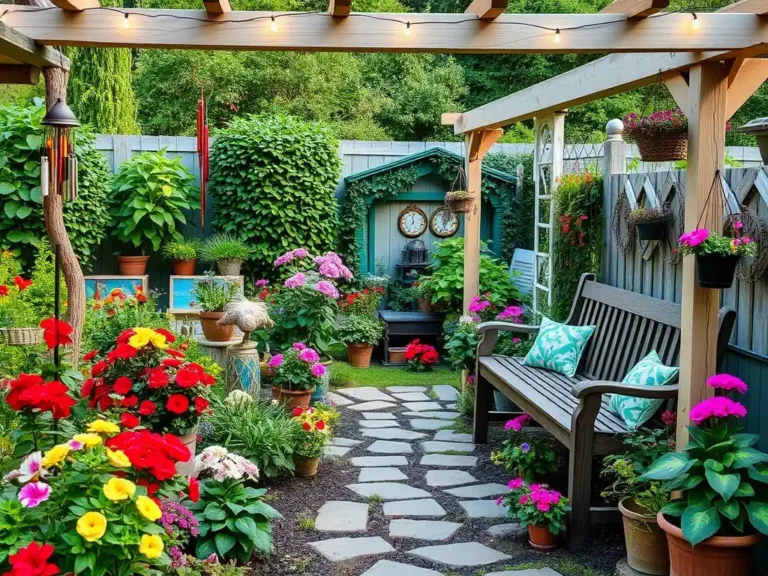
Design curved deck edges flowing into free-form patio with natural stone. The organic shapes create relaxed feeling distinct from typical rectangular layouts. It’s like gardens where curves soften architectural rigidity.
Blend materials at transition using stepping stones or irregular pavers. The curved approach suits cottage gardens or naturalistic landscapes. Let plantings soften edges where deck meets patio. This combo creates backyard feeling way more custom than builder-grade rectangles.
Small Entry Deck with Large Entertainment Patio
Build compact deck at door providing immediate outdoor access then expand into generous patio handling serious entertaining. The deck serves as transition zone while patio does heavy lifting space-wise. Total game-changer for homes where building big deck isn’t feasible.
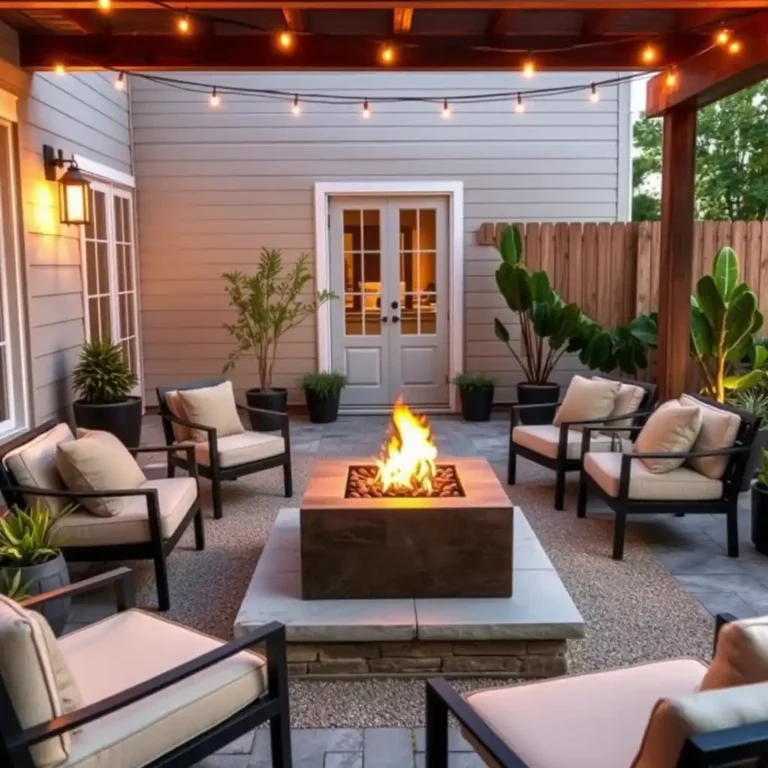
Keep deck simple focusing budget on larger patio with features—outdoor kitchen, dining area, lounge zone, fire pit. The economical deck provides necessary access while patio delivers actual square footage. This combo maximizes entertainment space per dollar spent.
Poolside Deck with Surrounding Patio
Install elevated deck along one pool side with patio surrounding remaining pool perimeter. The mixed surfaces create varied experiences around pool. The deck provides dry towel zone and elevated viewing while patio offers pool entry and wet-area circulation.
Position deck on sunny side for lounging and drying off. Patio handles traffic, wet feet, and pool access points. Include wide steps from deck to patio and pool. This combo solves multiple pool-deck needs better than single surface.
Making Your Combo Actually Flow
- Plan the Connection First: Don’t design deck and patio separately then figure out how they meet. It’s like outfit planning where you choose pieces working together from the start. Think about sightlines, traffic patterns, and how transition actually functions before finalizing either element.
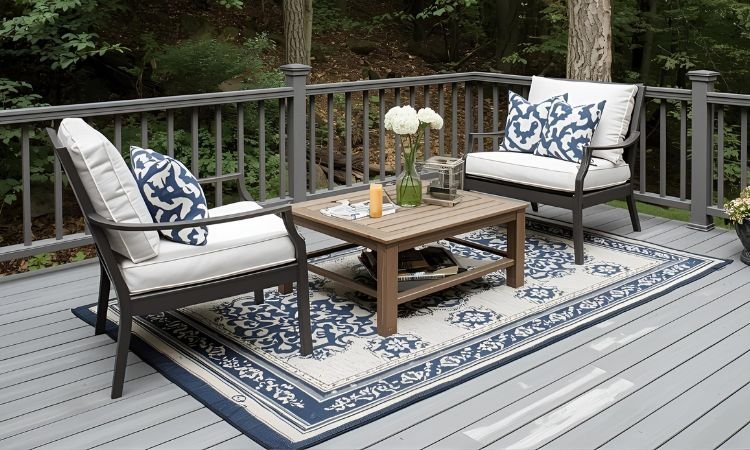
- Keep Materials Related: You don’t need matching materials but they should complement each other. It’s like choosing throw pillows where colors coordinate without being identical. Gray composite deck pairs with gray pavers, natural cedar looks great with flagstone—find combinations that feel harmonious.
- Make Steps Wide and Generous: Narrow stairs between levels create bottlenecks and accidents. It’s like hallways where width determines comfort. Build transitions at least 4-5 feet wide allowing multiple people passing easily and creating casual seating options.
- Add Lighting at Transitions: The grade changes between deck and patio are exactly where people trip after dark. It’s like marking curbs where visibility prevents falls. Light every step, landing, and level change making safe navigation automatic.
Frequently Asked Questions About Deck Patio Combos
How Much Does Combo Cost vs Single Surface?
Deck-patio combos typically cost 15-25% more than equivalent square footage of single surface due to additional materials, transitions, and labor complexity. Expect $25-45 per square foot for decent deck, $15-30 per square foot for patio depending on materials. A 400 square foot combo (200 each) might run $8,000-15,000 total.
But here’s the thing—you’re getting way more functionality from thoughtfully designed combo than from 400 square feet of just deck or just patio. The extra investment pays off in how much better the space actually works.
Which Should Be Bigger—Deck or Patio?
Depends entirely on your lifestyle and yard conditions. If you’re mostly grilling and dining, bigger deck makes sense. For serious entertaining or fire pit hangs, larger patio works better. I’ve found most people prefer bigger patio (60-70% of total space) with deck handling immediate house access and specific functions.
Think about where you’ll actually spend time. Elevated deck offers views and breeze, ground patio feels more connected to yard. Let usage drive the size ratio instead of arbitrary rules.
Can You DIY Deck-Patio Combos?
Absolutely, though it’s more involved than single surface projects. Patio portion is totally manageable for capable DIYers—excavation, base prep, and paver setting are straightforward. Deck requires more carpentry skills and code knowledge but isn’t impossible for experienced DIYers.
Consider splitting project—hire deck construction, DIY the patio. Or reverse it depending on your comfort level. Just don’t DIY anything you’re uncertain about because structural failures or drainage problems cost way more to fix than proper installation costs upfront.
How Do You Handle Drainage Between Levels?
Water management makes or breaks combo projects. Slope patio away from house and away from deck footings preventing moisture problems. If deck sits above patio, consider under-deck drainage system directing water away from patio area. French drains between levels help when grade creates water concentration points.
The general rule? Water needs clear path away from everything. Don’t create situations where deck runoff dumps directly onto patio or patio drainage flows toward deck foundation. Professional grading consultation is worth it for complex situations.
What About Maintenance Differences?
You’re committing to maintaining two different surfaces which honestly takes more time than one. Decks need annual cleaning, staining or sealing every 2-4 years for wood, less for composite. Patios need occasional power washing, re-sanding pavers, and weed control in joints. Budget time and money for both.
That said, the maintenance isn’t twice as hard—just more varied. Some people actually prefer having options spreading different tasks across the year instead of one massive deck project annually.
Creating Your Perfect Outdoor Space
Deck patio combos give you way more flexibility than single-surface yards ever could. The elevation changes, material contrasts, and separated zones create outdoor living that actually matches how people want to use their backyards. And let’s be real—the visual interest alone makes these combos worth considering.
Start by thinking about what you actually do outside. Morning coffee? Dinner parties? Kids playing? Fire pit gatherings? Map those activities to different zones then figure out which spaces should be elevated versus ground level. The functional planning creates better results than just copying pretty pictures.
What’s your biggest challenge with outdoor space? Drop your situation in the comments—I’d love to hear what you’re working with!