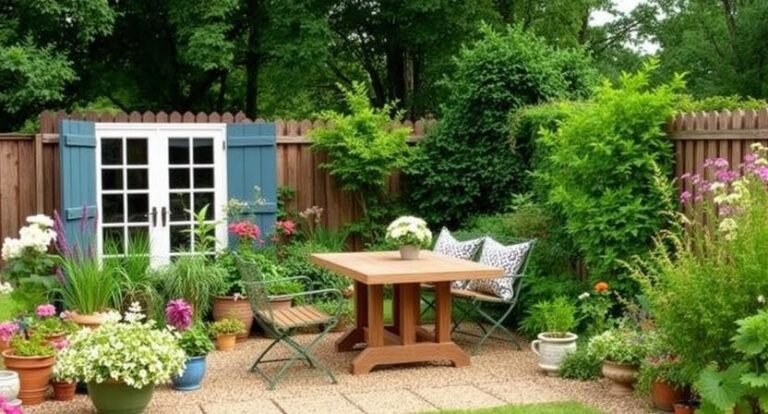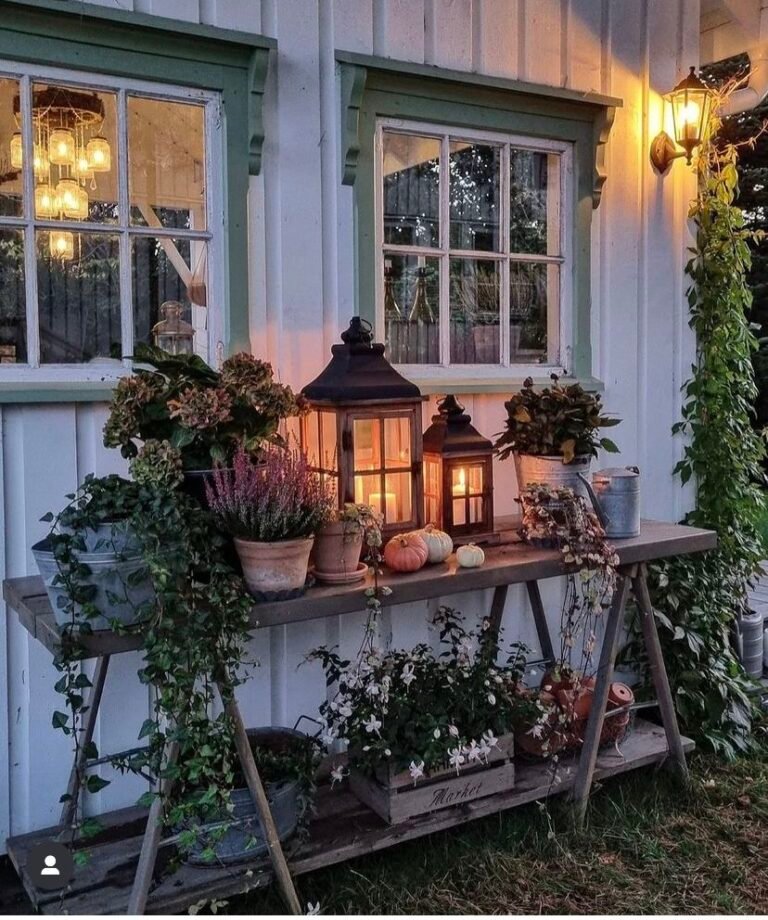
21+ Timeless English Rose Garden Design Ideas for Your Outdoor Sanctuary
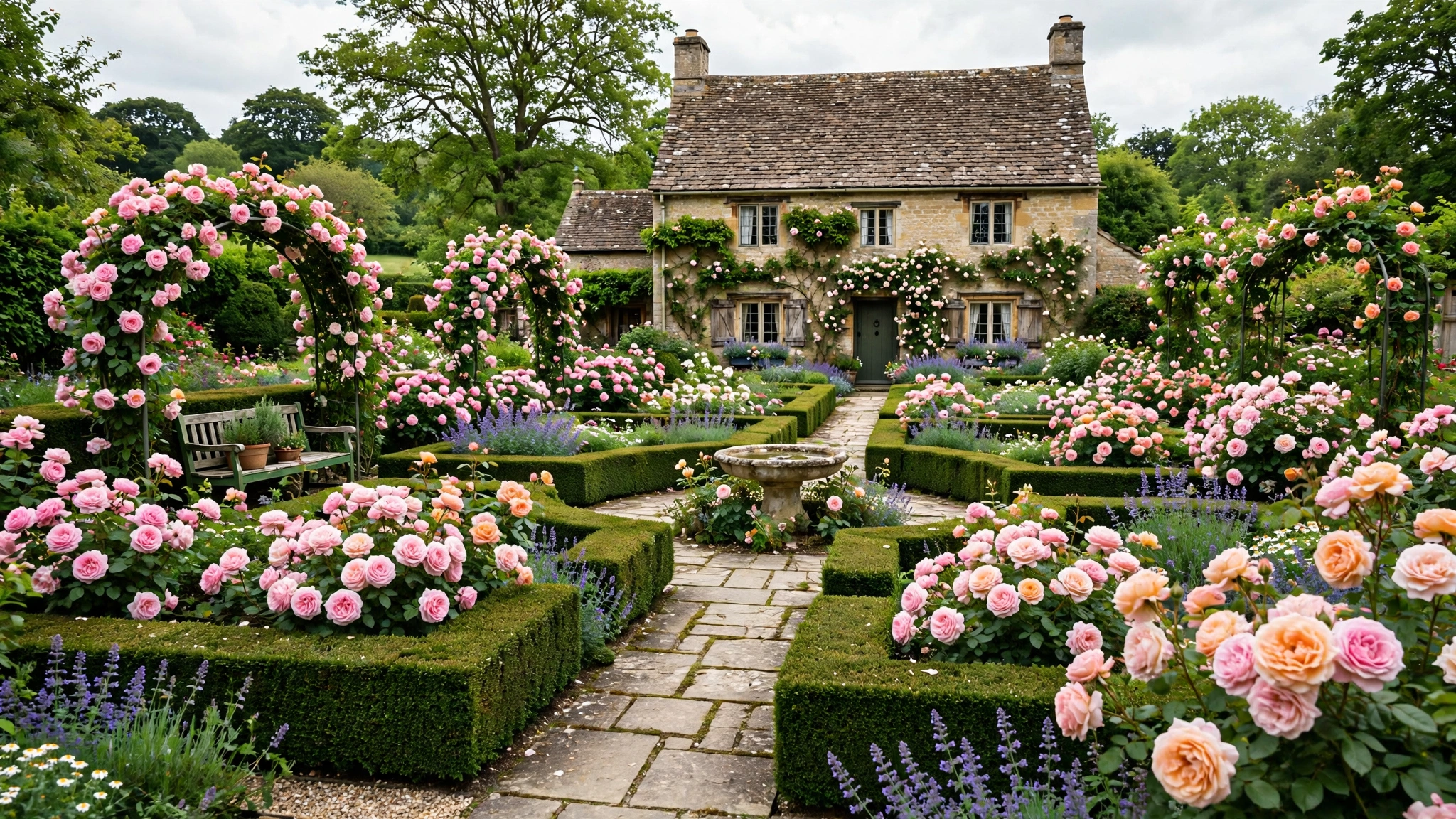
Creating a romantic outdoor retreat begins with understanding the principles of english rose garden design. From classic cottage borders to formal parterre layouts, these gardens blend fragrant blooms with structured greenery for year-round appeal.
Whether you have a sprawling estate or a modest backyard, english rose garden design offers adaptable solutions that prioritize beauty and usability. This collection of 22 curated pins showcases diverse approaches to help you plan your perfect floral haven.
Essential Elements of English Rose Garden Design
A guide to building your dream rose-filled landscape.
- Choose the Right Roses: Select repeat-flowering varieties for continuous color.
- Plan for Sunlight: Most roses need at least six hours of direct sun daily.
- Prepare the Soil: Enrich with compost and ensure good drainage before planting.
- Consider Support Structures: Obelisks, arches, and trellises add vertical interest.
- Mix with Companion Plants: Lavender, salvia, and catmint deter pests and add texture.
- Create Defined Paths: Use gravel or stone to guide visitors through the garden.
- Incorporate Seating Areas: A bench or bower invites quiet contemplation.
- Plan for Winter Interest: Include evergreen shrubs or ornamental grasses for structure.
1. Imagine a Romantic Entryway — english rose garden design for Front Yards
Imagine a welcoming front yard where a rustic wooden gate is draped with climbing roses, setting the tone for your entire property. This english rose garden design approach uses vertical blooms to soften hard lines and create an inviting first impression for guests and passersby alike.
Pair pale pink climbers with a deep green front door to achieve that quintessential cottage charm. This strategy instantly boosts curb appeal while establishing a cohesive floral theme.
2. Picture a Formal Parterre Layout — english rose garden design for Symmetry Lovers
Picture a meticulously manicured parterre where low boxwood hedges frame symmetrical beds of hybrid tea roses. This structured english rose garden design emphasizes geometry and order, offering a sophisticated counterpoint to the more relaxed cottage style common in rural settings.
The crisp lines of the hedges highlight the soft petals of the roses, creating a striking visual contrast. It is a timeless choice for formal entertaining spaces.
3. Discover the Charm of Climbing Roses — english rose garden design for Walls and Fences
Discover the transformative power of climbing roses as they scale a sun-drenched brick wall, softening the architecture with cascading blooms. This english rose garden design technique utilizes vertical space effectively, turning blank facades into living tapestries of color and fragrance.
Secure sturdy wires or a wooden trellis to support the heavy canes. Regular pruning encourages flowering along the entire length of the stem.
4. Consider a Mixed Border Approach — english rose garden design for Naturalistic Feel
Consider blending shrub roses with perennials like delphiniums and hardy geraniums for a lush, naturalistic border. This english rose garden design style mimics the informal abundance of a meadow, providing continuous interest from early summer through the first frost.
Layering plants of varying heights creates depth and hides the leggy bases of older rose bushes. This method supports local pollinators and beneficial insects.
5. Anchor the Space with an Arch — english rose garden design for Pathways
Anchor a garden pathway with a wrought-iron arch smothered in fragrant rambling roses, creating a doorway to another part of your landscape. This english rose garden design feature adds height and a sense of mystery, encouraging visitors to explore beyond the threshold.
Choose a vigorous rambler for quick coverage, and train the canes horizontally to promote flowering. The resulting tunnel of blooms is a photographer’s dream.
6. Layer with Soft Pastel Palettes — english rose garden design for Romantic Tones
Layer soft pastel roses in shades of blush, apricot, and cream to create a dreamy, romantic atmosphere. This english rose garden design palette is soothing and elegant, blending effortlessly with silver foliage plants like artemisia and lamb’s ear.
The subtle color variations add depth without overwhelming the senses. This approach works beautifully in smaller, intimate courtyard gardens.
7. Build a Fragrant Seating Nook — english rose garden design for Relaxation
Build a secluded seating nook surrounded by highly fragrant David Austin roses, creating a sensory retreat for reading or meditation. This english rose garden design concept prioritizes aroma, placing intensely scented varieties within arm’s reach of a comfortable bench.
Enclose the space with a low hedge or lattice screen to intensify the perfume and provide a sense of enclosure. It becomes the perfect spot for afternoon tea.
8. Bring in Classic White Blooms — english rose garden design for Evening Appeal
Bring a touch of ethereal elegance with pure white roses that glow in the twilight hours. This english rose garden design technique is particularly effective near patios or dining areas, where the pale blooms reflect moonlight and create a magical ambiance.
Pair white roses with dark green foliage or purple-leaved shrubs to make the blossoms pop. They also provide a crisp contrast to more vibrant colors in the garden.
9. Transform a Sloped Site — english rose garden design for Hillsides
Transform a challenging sloped site into a terraced masterpiece using retaining walls and ground-cover roses. This english rose garden design solution prevents soil erosion while creating distinct planting zones that are easy to maintain and visually interesting from a distance.
Use low-growing varieties that spill over the edges of the walls to soften the stonework. The cascading effect is both practical and beautiful.
10. Frame a View with Rose-Covered Pergolas — english rose garden design for Structure
Frame a distant view or a central fountain with a substantial wooden pergola draped in climbing roses. This english rose garden design element provides dappled shade and a dramatic focal point, drawing the eye through the garden towards a specific destination.
Select a mix of once-flowering and repeat-flowering climbers to extend the season. The sturdy structure supports heavy canes and withstands strong winds.
11. Explore the Beauty of Standard Roses — english rose garden design for Formal Accents
Explore the sculptural elegance of standard roses, which feature a lollipop-shaped canopy atop a clear stem. This english rose garden design choice adds a formal, almost architectural element to borders or entranceways, providing symmetry and height without the bulk of a shrub.
Plant them in pairs to flank a gate or path for a balanced look. They are surprisingly versatile and work well in containers.
12. Shape with Evergreen Structure — english rose garden design for Winter Interest
Shape your garden’s bones with clipped evergreen shrubs like yew or boxwood, which provide a permanent framework for the roses. This english rose garden design strategy ensures the garden looks intentional even when the roses are dormant, offering structure and contrast against bare stems.
The dark green foliage acts as a backdrop, making the bright rose colors sing. This classic pairing is a hallmark of traditional English estates.
13. Define Boundaries with Rose Hedges — english rose garden design for Privacy
Define your property line with a dense, flowering hedge of shrub roses, creating a living fence that is both beautiful and functional. This english rose garden design approach offers privacy, acts as a windbreak, and provides an abundant supply of cut flowers for the home.
Choose thorny varieties for added security and plant them in a single, staggered row. Regular deadheading will keep the hedge blooming profusely.
14. Introduce a Water Feature — english rose garden design for Serenity
Introduce a tranquil water feature, such as a shallow reflecting pool or a bubbling urn, to add a new dimension to your english rose garden design. The sound of water masks street noise and attracts birds and beneficial insects, enhancing the overall serenity of the space.
Position the feature so it is visible from your main seating area, allowing you to enjoy the calming effect. The reflection of roses in the water creates a stunning visual effect.
15. Suspend Blooms at Eye Level — english rose garden design for Containers
Suspend the fragrance and color of roses at eye level by planting them in tall urns or decorative pots. This english rose garden design technique is perfect for patios, balconies, or areas with poor soil, allowing you to enjoy the blooms up close without bending down.
Use a high-quality potting mix and ensure the containers have excellent drainage. You can move the pots to chase the sun or fill gaps in borders.
16. Ground the Design with Groundcovers — english rose garden design for Weed Control
Ground your english rose garden design in practicality by using spreading groundcover roses to suppress weeds and cover bare soil. These low-growing varieties form a dense mat of foliage and flowers, reducing maintenance while adding a carpet of color beneath taller plants.
They are ideal for slopes or difficult-to-mow areas. Use them to soften the edges of paving or to spill over retaining walls.
17. Position for Maximum Sunlight — english rose garden design for Healthy Growth
Position your rose beds in the sunniest part of your property, away from the shade of large trees and buildings. This fundamental english rose garden design principle is crucial for vigorous growth and abundant flowering, as roses require at least six hours of direct sun daily to thrive.
Observe your garden throughout the day to identify the sunniest spots. Avoid planting near shallow-rooted trees that compete for water and nutrients.
18. Fill Gaps with Annual Companions — english rose garden design for Continuous Color
Fill the gaps between rose bushes with colorful annuals like violas, pansies, or sweet alyssum to ensure continuous color throughout the season. This english rose garden design trick provides a quick and easy way to refresh the garden’s look and attract pollinators, complementing the main rose display.
Annuals can be swapped out seasonally to change the color scheme. They also help to shade the soil, keeping rose roots cool and moist.
19. Place Obelisks for Vertical Drama — english rose garden design for Small Spaces
Place a wooden or metal obelisk in the center of a border and train a climbing rose up it to create a dramatic vertical accent. This english rose garden design technique is perfect for small gardens, adding height and structure without taking up much ground space.
Choose a compact climber that suits the scale of the obelisk. The resulting tower of blooms becomes a focal point that draws the eye upward.
20. Craft a Cottage Garden Mix — english rose garden design for Informal Abundance
Craft a charming cottage garden by mixing roses with old-fashioned favorites like foxgloves, peonies, and lavender in a seemingly chaotic but carefully planned arrangement. This english rose garden design style celebrates abundance and informality, with plants intermingling to create a lush, romantic tapestry.
Allow self-seeding plants to pop up where they please for a natural feel. The key is to ensure that all plants have similar cultural requirements for sun and water.
21. Draw the Eye with a Focal Point — english rose garden design for Visual Interest
Draw the eye to a specific point in your landscape, such as a statue, a sundial, or a beautifully planted urn, surrounded by a sea of roses. This english rose garden design principle uses a strong focal point to anchor the composition and give the eye a place to rest.
The focal point should be in proportion to the surrounding garden. Use roses to frame and highlight the object, rather than overwhelm it.
22. Elevate Your Patio with Rose-Filled Planters — english rose garden design for Urban Dwellers
Elevate your patio or balcony with a collection of rose-filled planters, proving that a beautiful english rose garden design is achievable even without a traditional in-ground bed. This versatile approach allows urban dwellers to enjoy the beauty and fragrance of roses in a limited space.
Choose patio or miniature varieties that are well-suited for container life. Group the pots together for a fuller look and ensure they receive adequate water and fertilizer.
Frequently Asked Questions
Q. What is the best time of year to start an english rose garden design?
Ans. The best time to plant roses for an english rose garden design is in late autumn or early spring when the plants are dormant and the soil is workable.
Q. How do I prepare the soil for an english rose garden design?
Ans. For a successful english rose garden design, enrich the soil with generous amounts of well-rotted manure or compost and ensure it is slightly acidic with good drainage.
Q. What are the most fragrant roses for an english rose garden design?
Ans. For a fragrant english rose garden design, choose varieties like ‘Gertrude Jekyll’, ‘Munstead Wood’, or ‘Abraham Darby’ for their strong, classic rose scents.
Conclusion
An english rose garden design is a timeless investment that rewards you with beauty, fragrance, and a tranquil retreat. By incorporating structural elements, choosing the right varieties, and planning for continuous bloom, you can create a space that feels both romantic and personal.
Start small, focus on the fundamentals of sun and soil, and let your garden evolve over time. Embrace the process and enjoy the journey of creating your own living masterpiece.