Flowering Plants That Fill English Country Gardens with Color and Grace
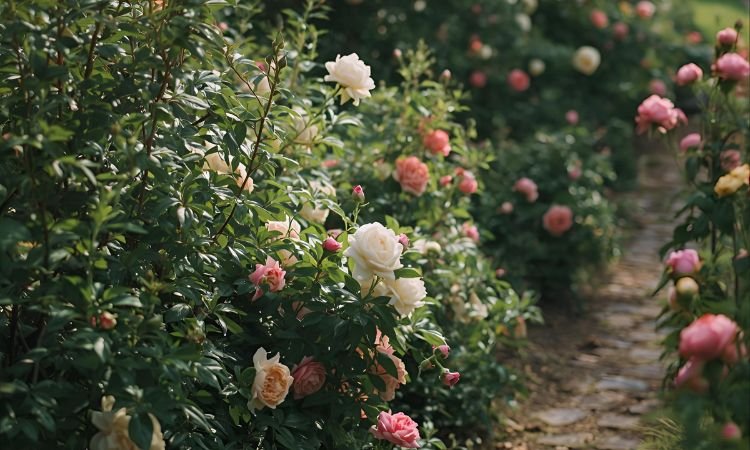
Choosing the right flowering plants for an English country garden can be overwhelming, often leading to a chaotic mix that lacks cohesion or year-round appeal. Without a clear understanding of which species truly define this beloved style, gardeners might struggle to achieve that signature blend of abundant beauty and relaxed elegance. The challenge lies in selecting plants that not only thrive but also contribute to the romantic, overflowing tapestry that is quintessentially English.
We’re covering 13 essential flowering plants that define the English country garden, featuring a mix of perennials, biennials, and climbers.. We’ll explore clever strategies for incorporating traditional favorites that promise lushness and charm throughout the growing season.
These selections prioritize generous blooms, classic forms, and a blend of vibrant aesthetics with low-maintenance appeal, proving that a dream garden is both achievable and deeply rewarding.
Defining Traits of English Country Garden Blooms
- Abundant, Multi-Petaled Flowers: Many characteristic plants feature lush, full blooms rather than single, simple forms. It’s like rich embroidery where intricate details abound. Generous flowers are central to the romantic, overflowing look.
- Extended Bloom Times: Plants are often chosen for long flowering periods or the ability to rebloom with deadheading. It’s like a sustained performance where beauty lasts. Extended displays ensure continuous color and interest.
- Fragrance is Key: Many traditional choices offer delightful scents, enhancing the sensory experience of the garden. It’s like a subtle perfume where aroma adds depth. Fragrant blooms make a garden more immersive and inviting.
- Soft, Romantic Colors: Palettes often lean towards pastels, muted tones, and harmonious blends, though vibrant pops are welcome. It’s like a painter’s palette where shades blend gracefully. A soft color scheme contributes to the serene, timeless feel.
13 Flowering Plants for An English Country Garden
Discover essential blooms that create the romantic, overflowing beauty of an English country garden.
1. English Roses (Rosa)
Plant climbing, shrub, or rambling roses, particularly varieties bred for classic fragrance, soft petal count, and romantic form. These roses are the heart of an English country garden, offering abundant blooms from early summer into autumn. It’s like a signature flower where elegance and perfume are paramount.
Choose disease-resistant varieties suitable for your climate. Position climbers on arches or pergolas and shrub roses within mixed borders for continuous summer display and breathtaking fragrance.
2. Delphiniums (Delphinium)
Include tall, stately delphiniums with their dramatic spires of blue, purple, white, or pink flowers, creating vertical accents in the mid to back of borders. Their imposing height and classic colors are quintessential to the cottage aesthetic. It’s like an exclamation mark where vertical drama punctuates the garden.
Stake taller varieties to protect them from wind damage and deadhead spent spikes to encourage potential rebloom. ‘Pacific Giants’ or ‘New Millennium’ series offer reliable performance.
3. Foxgloves (Digitalis purpurea)
Plant biennial foxgloves, which produce tall spikes of bell-shaped flowers, often speckled inside, adding vertical interest and a touch of woodland charm. These blooms attract pollinators and contribute to the garden’s natural, slightly wild feel. It’s like fairy bells where each bloom holds a secret.
Allow some flowers to go to seed to ensure a continuous presence in your garden through self-sowing. Position them towards the middle or back of borders for their impressive height.
4. Lavender (Lavandula)
Edge borders or pathways with fragrant lavender, valued for its beautiful purple flowers, silver-green foliage, and ability to attract bees. Its neat mounds provide structure and a delightful aroma that defines many country gardens. It’s like an aromatic hedge where beauty and scent intertwine.
Choose varieties appropriate for your specific climate – English lavender for cooler zones, and Spanish or French lavender for hotter, drier conditions. Trim after flowering to maintain compact shapes and promote new growth.
5. Peonies (Paeonia)
Include herbaceous peonies for their opulent, often fragrant, large blooms in late spring to early summer and their lush foliage. These long-lived perennials provide luxurious focal points and a sense of permanence within the borders. It’s like a grand heirloom where enduring beauty shines.
Support heavy double blooms with hoops or stakes to prevent them from flopping over after rain. Plant in well-drained soil and avoid burying the ‘eyes’ (growth buds) too deeply for best flowering.
6. Hollyhocks (Alcea rosea)
Plant towering hollyhocks along fences, against walls, or at the very back of a border for their impressive height and large, ruffled, cup-shaped flowers. They instantly evoke the charm and scale of a traditional country garden. It’s like a garden skyscraper where vertical presence makes a statement.
Treat them as biennials or short-lived perennials, allowing them to self-seed to ensure a continuous presence. Remove spent stalks after flowering to encourage seed drop and fresh growth for the following year.
7. Catmint (Nepeta)
Use catmint as a frothy, long-blooming filler plant, providing clouds of soft blue-purple flowers and attractive gray-green foliage that softens border edges. This hardy perennial tolerates drought and attracts pollinators, offering reliable color for months. It’s like a gentle mist where plants softly transition.
Cut back the plants by about a third after the first flush of blooms in early summer to encourage a fresh wave of flowering that can last until frost. It’s a low-maintenance workhorse.
8. Hardy Geraniums (Geranium)
Incorporate hardy geraniums, also known as cranesbills, as versatile ground covers or gap fillers with their charming five-petaled flowers and often attractive foliage. These reliable perennials bloom generously over extended periods, requiring minimal care. It’s like a dependable friend where consistent beauty is guaranteed.
Choose varieties like ‘Rozanne’ for an incredibly long blooming season or ‘Johnson’s Blue’ for classic blue flowers. Trim back after the main bloom to encourage a tidy habit and potential rebloom.
9. Sweet Peas (Lathyrus odoratus)
Plant annual sweet peas for their exquisite fragrance, delicate ruffled blooms, and charming climbing habit. These versatile flowers are perfect for growing up obelisks, trellises, or through shrubs, providing cutting flowers in pastel country colors. It’s like perfumed curtains where vines create fragrant walls.
Start seeds early for the longest bloom period and deadhead diligently to encourage continuous flowering. The more you pick, the more they produce, ensuring a bounty of scented blooms.
10. Lupines (Lupinus)
Add lupines for their dramatic, spiky flower heads in a wide array of colors, creating bold vertical accents and contributing to the traditional cottage garden look. These stately perennials offer a stunning visual impact in spring and early summer. It’s like architectural plants where form creates presence.
Choose ‘Russell’ hybrids for their varied colors or consider native species for regional adaptation. Remove spent flower spikes to prevent seed formation and potentially encourage a smaller second flush of blooms.
11. Campanulas (Campanula)
Include various species of campanulas, or bellflowers, which offer charming bell or star-shaped blooms in shades of blue, purple, and white. Their diverse forms, from tall border plants to low-spreading varieties, make them versatile additions. It’s like gentle chimes where flowers seem to ring.
Choose taller varieties for mid-border interest or low spreaders for edging and rock gardens. Deadhead spent blooms to prolong their flowering season and encourage a tidier appearance.
12. Cosmos (Cosmos bipinnatus)
Plant annual cosmos for their airy, delicate daisy-like flowers and feathery foliage, providing continuous blooms from summer until the first frost. These easy-to-grow annuals add a cheerful, informal charm that is quintessential to the country garden. It’s like dancing fairies where plants sway gracefully.
Direct sow seeds where plants will grow and deadhead spent blooms, though self-seeding often provides next year’s plants. They are perfect for filling gaps and adding soft color.
13. Phlox (Phlox paniculata)
Incorporate tall garden phlox for their large, fragrant clusters of flowers in mid to late summer, offering vibrant color and attracting butterflies. These reliable perennials are a classic feature, providing a robust presence in mixed borders. It’s like a vibrant bouquet where color bursts forth.
Choose disease-resistant varieties to prevent powdery mildew. Deadhead spent flower clusters to encourage rebloom and maintain plant vigor throughout the season.
Planting Your Dream English Garden
- Layer for Depth: Position taller plants at the back, medium-height plants in the middle, and lower-growing varieties at the front. This creates visual depth and ensures every bloom is showcased. It’s like a stage set where every player is visible.
- Mass Plant for Impact: Plant in generous groups (drifts) of odd numbers rather than single specimens. This creates a more natural, abundant, and visually impactful display. It’s like a choir where collective voices resonate strongly.
- Embrace Self-Seeders: Allow select annuals and biennials to self-seed freely, creating spontaneous plant combinations and a naturalized, slightly wild feel. It’s like nature’s touch where surprise blooms appear.
Frequently Asked Questions About English Country Garden Flowers
What are some fragrant flowers for evening interest in an English country garden?
For evening fragrance in an English country garden, consider plants that release their scent as dusk falls. Nicotiana alata (Flowering Tobacco) offers a sweet, intoxicating perfume. Evening Primrose (Oenothera biennis) not only has delicate yellow blooms that open in the evening but also a lovely scent. Night-scented Stock (Matthiola longipetala) is another excellent choice for its intense, clove-like fragrance after sunset, despite its unassuming appearance during the day.
Planting these near a seating area or path ensures you can fully enjoy their aromatic charm as you unwind in the garden.
How do I choose plants that will bloom all season long in an English country garden?
To ensure continuous blooms all season in an English country garden, plan for succession planting. This involves selecting a variety of plants with staggered bloom times: early spring, late spring, early summer, mid-summer, late summer, and autumn. Combine plants that have long blooming periods themselves (like ‘Rozanne’ geraniums, catmint) with those that offer repeat blooms when deadheaded (many roses, phlox).
Also, incorporate hardy annuals like cosmos and sweet peas, which will flower continuously until frost with consistent harvesting. Researching bloom times for your specific climate zone is key to success.
Can I incorporate bulbs into an English country garden planting scheme?
Absolutely, bulbs are a wonderful addition to an English country garden planting scheme, especially for early spring interest before many perennials emerge. Daffodils, tulips, crocuses, and hyacinths can be planted in drifts beneath deciduous shrubs or naturalized in grassy areas.
Later-blooming bulbs like ornamental alliums provide dramatic structural accents in early summer. Plant them among herbaceous perennials; as the perennials grow, their foliage will hide the dying bulb leaves, creating a seamless transition.
What are good perennial flowers for shade in an English country garden?
For shadier spots in an English country garden, several perennials thrive beautifully. Consider astilbes for their feathery plumes and attractive foliage, hostas for their diverse leaf shapes and colors (and often fragrant flowers), and bleeding hearts (Dicentra spectabilis) for their charming heart-shaped blooms in spring.
Foxgloves, while often preferring sun, can also tolerate partial shade. Other excellent choices include hellebores for late winter/early spring color and various ferns for lush, textural greenery.
How can I ensure my English country garden flowers are pollinator-friendly?
To ensure your English country garden flowers are pollinator-friendly, prioritize single or semi-double blooms over fully double varieties, as they offer easier access to pollen and nectar. Plant a diverse range of flower shapes, sizes, and colors to attract various pollinators.
Include plants with long blooming periods, and aim for continuous flowering from early spring to late autumn to provide a consistent food source. Avoid pesticides, or use organic, targeted solutions only when absolutely necessary, and always apply them when pollinators are least active.
Cultivating a Tapestry of Blooms
Selecting the right flowering plants for an English country garden is an opportunity to weave a living tapestry of color, fragrance, and timeless beauty. By thoughtfully choosing species known for their abundance, charm, and ability to thrive together, you create a garden that feels both effortlessly romantic and deeply rewarding. Each carefully placed bloom contributes to a landscape that tells a story of enduring elegance and natural grace.
Begin by considering your garden’s specific conditions and the aesthetic you wish to achieve, then select plants that offer both visual appeal and a harmonious presence. Remember, the true magic lies in the lush, informal abundance that these classic flowers bring.
Which of these flowering plants will be the first to grace your English country garden? Share your favorite blooms.