13 French Country Garden Ideas That Create Rustic European Charm
You flip through garden magazines dreaming of those romantic French countryside gardens with their lavender-lined paths, weathered stone, and climbing roses, but translating that dreamy aesthetic to your American backyard feels impossible. Most attempts end up looking either too formal and stiff or just messy without that effortless elegance French gardens seem to possess naturally.
French country garden design balances structured elements with abundant plantings, creating spaces that feel both organized and overflowing with life. The challenge is knowing which structural features define the style, which plants deliver authentic character, and how to arrange everything creating that collected-over-generations appearance rather than obviously new installation.
We’re sharing 13 french country garden ideas featuring essential design elements, classic plant selections, and strategic arrangements that capture genuine Provençal charm. You’ll discover which hardscaping materials work best, how to create proper garden bones supporting seasonal plantings, and ways to incorporate practical kitchen gardens within beautiful ornamental layouts.
Essential Elements of French Country Gardens
- Structure Supports Abundance: French gardens balance formal bones—gravel paths, clipped hedges, geometric beds—with generous cottage-style plantings spilling over edges. It’s like organized chaos where framework contains exuberance. The structural foundation prevents abundance from becoming messy disorganized jumble.
- Natural Materials Ground Designs: Stone, gravel, aged wood, and terracotta dominate over synthetic materials creating authentic rustic character. It’s like honest construction where materials show natural beauty and patina. The weathered organic elements connect gardens to surrounding countryside landscapes naturally.
- Edibles Mix with Ornamentals: Vegetables, herbs, and fruits grow alongside flowers in integrated plantings rather than segregated utilitarian rows. It’s like beautiful productivity where function and beauty combine seamlessly. The potager approach makes food growing central decorative element rather than hidden necessity.
13 French Country Garden Ideas
Create authentic Provençal character with these french country garden ideas featuring time-honored elements and traditional design approaches.
Lavender-Lined Gravel Pathways
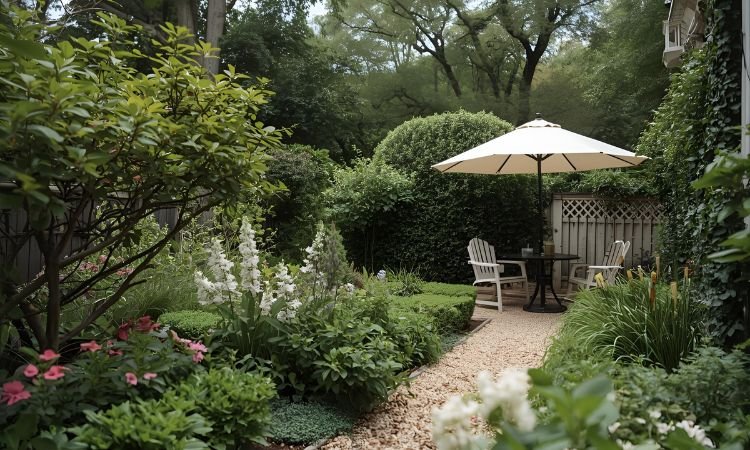
Edge crushed gravel paths with lavender hedges creating fragrant walkways and quintessential French garden experience. The silvery foliage and purple blooms define edges while releasing scent as you brush past. Space plants 18-24 inches apart along path sides creating continuous borders.
Choose English lavender for cooler climates or Spanish varieties for heat tolerance ensuring appropriate selection for your region. Trim after flowering maintaining compact rounded shapes preventing woody sparse growth. The combination of pale gravel and lavender purple creates classic color pairing instantly recognizable as French countryside aesthetic. This french country garden essential establishes romantic fragrant circulation throughout garden spaces.
Formal Potager with Geometric Beds
Design vegetable garden using raised geometric beds—squares or rectangles—arranged symmetrically and separated by gravel paths. The structured layout elevates humble vegetables to ornamental status worthy of prominent placement. Edge beds with low boxwood hedges or upright rosemary adding permanent structure.
Plant vegetables in color blocks rather than mixed rows—purple cabbage, ruby chard, frilly kale—emphasizing ornamental qualities. Include cutting flowers and herbs throughout mixing beauty with productivity. Central focal point—fountain, obelisk, or sundial—anchors design creating organizational center. This french country garden feature combines practical food production with stunning visual appeal characteristic of French potager tradition.
Climbing Roses on Pergola or Arbor
Train vigorous climbing roses over wooden pergola or arched arbor creating romantic flowering canopy. Choose repeat-blooming varieties like ‘New Dawn,’ ‘Eden,’ or ‘Cécile Brunner’ ensuring flowers throughout summer. The abundant blooms and heady fragrance epitomize French garden romance.
Build sturdy structures supporting mature rose weight using weathered wood or painted finishes in soft colors. Position over seating areas, garden entrances, or pathway crossings creating destination points within garden. Underplant with lavender, catmint, or lady’s mantle adding layers and softening structure bases. This french country garden classic delivers unmatched romance and vertical interest anchoring garden designs beautifully.
Gravel Courtyard with Container Plantings
Create enclosed gravel courtyard surrounded by walls or hedges featuring grouped terracotta containers. The hardscaped area provides outdoor living space while massed pots deliver planting flexibility and Mediterranean character. Use various sized containers avoiding uniform matching sets.
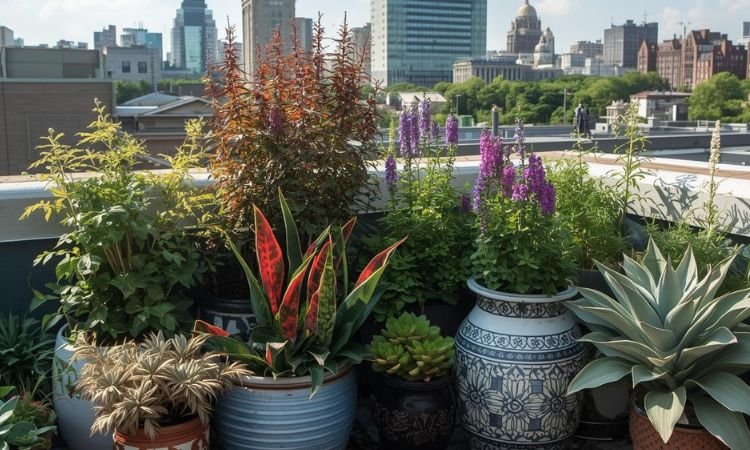
Plant with herbs—rosemary, thyme, sage—dwarf fruit trees, and seasonal flowers rotating displays as plants peak. Position furniture—bistro set or weathered bench—creating functional gathering space. Add wall fountain or climbing vines softening hard surfaces. This french country garden room extends living space outdoors while maintaining low-maintenance elegant appeal perfect for entertaining.
Boxwood Parterre Garden
Design low boxwood hedges forming geometric patterns filled with gravel, colored crushed stone, or seasonal flowers. The formal parterres viewed best from above create living embroidery effect. Traditional designs include fleur-de-lis, scrollwork, or simple geometric shapes.
Maintain boxwood at 12-18 inches height with crisp edges requiring twice-yearly trimming. Fill interior spaces with materials contrasting against evergreen borders—white gravel, colored stones, or single-variety flower plantings. Position near house where elevated views from windows appreciate intricate patterns fully. This french country garden element adds sophisticated formal structure to otherwise casual cottage plantings.
Espalier Fruit Trees Along Walls
Train apple, pear, or fig trees flat against sunny walls creating productive vertical plantings saving space while adding architectural interest. The formal training technique suits French gardens perfectly combining beauty with practical harvest. Install horizontal wire supports spacing 15-18 inches apart.
Prune regularly maintaining flat forms and encouraging fruiting wood development. The technique works beautifully in small gardens maximizing limited space or along boring fence lines needing enhancement. Choose disease-resistant varieties reducing maintenance frustrations while ensuring reliable fruit production. This french country garden approach delivers European sophistication and homegrown fruit simultaneously.
Herb Spiral or Tiered Herb Garden
Build stone spiral structure rising gradually from ground creating microclimate zones for different herb requirements. Moisture-loving herbs occupy bottom while Mediterranean varieties preferring drainage thrive at elevated top. The sculptural feature provides focal point while producing kitchen herbs efficiently.
Construct using stacked stone without mortar allowing drainage and informal rustic appearance. Plant thyme, oregano, and rosemary at top, parsley and chives mid-level, and mint or chervil at base. The compact productive design suits small spaces while adding vertical interest and practical harvests. This french country garden specialty combines form and function in classic French manner.
Weathered Stone Fountain as Focal Point
Install simple stone fountain creating soothing water sounds and elegant centerpiece. Choose weathered stone, aged concrete, or terracotta pieces avoiding elaborate modern designs. Wall-mounted fountains save space in small gardens while freestanding basins work beautifully as courtyard centers.
Surround base with potted herbs, ferns, or shade plants creating vignette and softening edges. The water feature attracts birds adding life and movement while providing practical irrigation water for nearby containers. Keep designs simple emphasizing natural materials over decorative embellishment. This french country garden element adds sophistication and tranquil ambiance transforming garden atmosphere completely.
Mixed Cottage Garden Borders
Plant generous borders combining perennials, annuals, roses, and herbs in abundant layered arrangements. Include traditional favorites—delphiniums, foxgloves, peonies, catmint, lady’s mantle—creating romantic overflowing effect. Repeat key plants throughout maintaining cohesion within variety.
Layer heights placing tall plants—hollyhocks, delphiniums—at back, medium perennials mid-border, and low edging plants—lavender, dianthus—at front. Allow self-seeders like poppies and verbascum naturalizing creating spontaneous combinations. Deadhead regularly maintaining tidy appearance and encouraging continued blooming. This french country garden approach creates the lush abundance defining cottage style within French framework.
Rustic Wooden Garden Structures
Incorporate weathered wooden elements—gates, fences, trellises, tool sheds—adding rustic character and practical function. Natural wood left to silver or painted in soft gray-blue, sage, or cream suits French aesthetic perfectly. Avoid overly perfect pristine finishes preferring aged weathered appearance.
Use structures defining spaces, supporting climbers, and providing storage while contributing decorative architectural interest. Climbing roses, clematis, or jasmine soften hard edges while fragrant honeysuckle adds sensory dimension. The utilitarian elements become beautiful through material choice and weathered patina. This french country garden strategy celebrates honest functional beauty characteristic of countryside practicality.
Gravel or Stone Terraces with Built-In Seating
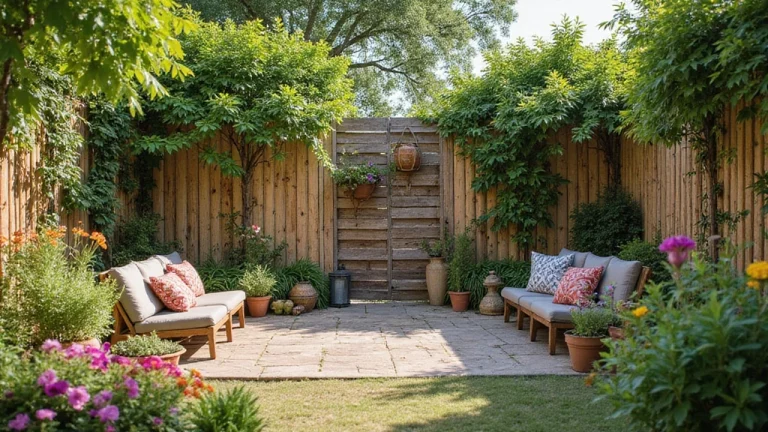
Create outdoor living areas using natural stone or crushed gravel with integrated stone benches or low walls providing seating. The hardscaped terraces near house extend living space while requiring minimal maintenance. Add cushions in faded stripes or florals for comfort and color.
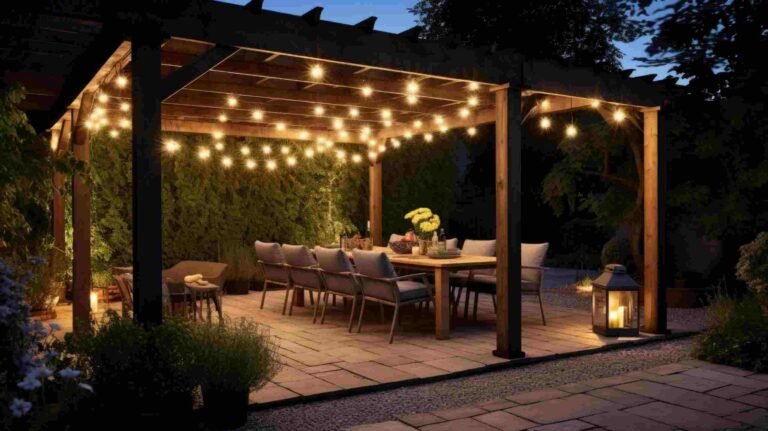
Surround with planted containers—citrus trees, lavender, geraniums—softening hard edges and adding fragrance. Include shade structure—pergola or market umbrella—protecting from intense sun. Position facing best views or sunset creating destination gathering spots. This french country garden feature balances practical outdoor living with romantic European aesthetic beautifully.
Antique Garden Accessories and Tools
Display vintage watering cans, garden tools, and decorative elements adding collected-over-time character. Weathered metal, aged terracotta, and rustic wood pieces contribute authentic countryside feel. Hang tools decoratively on walls or lean against structures creating artful vignettes.
Use antique urns, stone troughs, or metal buckets as unique planters adding history and character. The imperfect patinated surfaces provide exactly the aged quality new items lack. Source from antique shops, estate sales, or inherit family pieces adding personal history. This french country garden detail honors gardening heritage and practical beauty defining rural French life.
Meadow-Style Wildflower Patches
Incorporate naturalized wildflower areas with poppies, cornflowers, and daisies creating relaxed meadow sections within more structured garden. The informal plantings provide contrast to clipped hedges and formal beds while attracting pollinators. Allow self-seeding creating evolving natural combinations yearly.
Mow paths through taller growth creating access while maintaining wild appearance. The low-maintenance approach suits larger gardens or areas difficult to cultivate intensively. Mix bulbs—tulips, alliums, daffodils—for spring interest before summer wildflowers dominate. This french country garden element adds naturalistic beauty connecting cultivated gardens to surrounding countryside landscapes authentically.
Creating Authentic French Garden Character
- Start With Strong Bones: Establish permanent paths, edges, and structures before planting creating organizational framework lasting beyond individual plants. It’s like architectural foundation where structure supports everything else. The solid framework prevents gardens feeling random or chaotic despite abundant plantings.
- Embrace Patina and Age: Choose materials developing beautiful weathering rather than requiring constant maintenance preserving pristine appearance. It’s like wine aging where time improves rather than diminishes quality. The natural aging process creates authentic character impossible to replicate artificially.
- Balance Control With Abundance: Maintain crisp edges on formal elements while allowing generous growth within beds creating controlled exuberance. It’s like disciplined creativity where structure contains but doesn’t suppress vitality. The balanced approach prevents either stiff formality or messy chaos.
Frequently Asked Questions About French Country Gardens
What Plants Are Essential for French Country Gardens?
Lavender remains quintessential along with roses—particularly antique varieties and climbers. Include Mediterranean herbs like rosemary, thyme, and sage. Add cottage favorites—peonies, delphiniums, foxgloves, catmint—creating abundant romantic plantings. Boxwood provides structural evergreen framework year-round.
Regional variations require adapting specific varieties while maintaining French principles. The essential qualities—fragrance, abundance, structural elements, mixed ornamental and edible—matter more than exact plant species.
How Do French Country Gardens Differ From English Cottage Gardens?
French gardens incorporate more formal structure—geometric beds, clipped hedges, gravel paths—balancing cottage abundance. The potager tradition integrates vegetables prominently as decorative elements. Materials tend toward stone and gravel rather than predominantly planted surfaces.
English cottage gardens embrace looser arrangements with less formal structure throughout. Both share abundant plantings and romantic character but French versions maintain stronger underlying organization and practical kitchen garden integration.
Can You Create French Garden in Small Spaces?
Absolutely—French gardens adapt beautifully to compact areas through vertical growing, container plantings, and efficient potager layouts. Small courtyards, narrow side yards, or even balconies accommodate French elements through scaled-down versions maintaining essential character.
Focus on quality over quantity choosing few perfect elements rather than cramming everything. Single lavender-lined path, small herb parterre, or climbing rose on compact trellis captures essence within limited space.
What Hardscaping Materials Work Best?
Crushed gravel or pea gravel provides authentic affordable pathway material developing beautiful patina. Natural stone—limestone, sandstone, or local fieldstone—suits walls, edging, and paving. Weathered wood for structures and aged terracotta for containers complete traditional material palette.
Avoid modern pavers, concrete, or synthetic materials feeling too contemporary or harsh. The natural weathering materials improve with age rather than deteriorating creating low-maintenance authentic character.
How Much Maintenance Do French Country Gardens Require?
Moderate maintenance keeps gardens looking intentional rather than neglected. Expect hedge trimming twice yearly, regular deadheading during growing season, and seasonal cleanup. The structured elements require more attention than naturalistic gardens but abundant plantings forgive less precise care than formal gardens.
Choose appropriate plants for your climate and conditions reducing care requirements. The organized layout actually simplifies maintenance through clear bed definition and accessible pathways making tasks easier than sprawling informal gardens.
Bringing Provence to Your Backyard
These french country garden ideas prove that authentic European charm comes from balancing formal structure with generous plantings and choosing materials aging beautifully over time. The time-honored approaches create gardens feeling both elegant and relaxed, productive and beautiful, structured yet abundant. The thoughtful combinations deliver the romantic character making French countryside gardens universally beloved.
Start with solid framework establishing paths, edges, and focal points before detailed planting. Choose plants suiting your climate while honoring French principles—lavender, roses, herbs, abundant cottage flowers. Embrace natural materials and allow gentle aging creating authentic patina impossible to fake. The patient approach creates gardens improving yearly developing the collected-over-generations character defining true French country style.
Which French garden element would transform your outdoor space most? Share your garden dreams or design challenges below!