Provence-Inspired French Kitchen Garden Ideas for Everyday Living
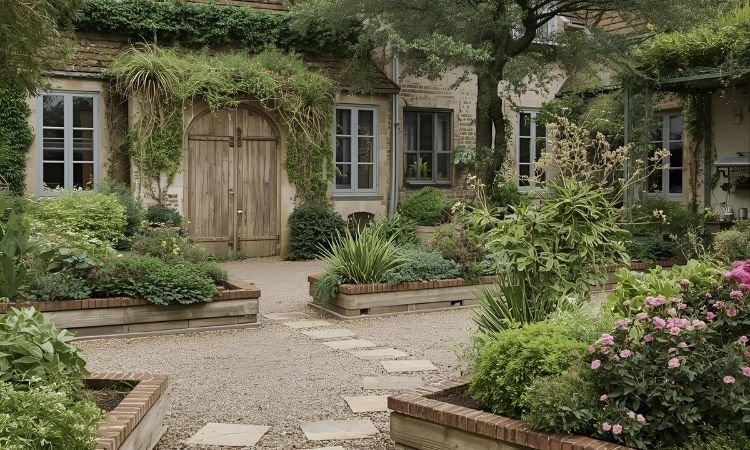
Walk past any French home and you’ll notice something Americans typically hide—their vegetable gardens are right there, front and center, looking absolutely gorgeous instead of tucked shamefully behind sheds. We treat food growing like a dirty secret while the French celebrate it as landscape art, positioning productive plots where guests see them first and designing them so beautifully that tomatoes share space with roses without anyone batting an eye.
The disconnect isn’t about gardening skill or property size—it’s understanding that kitchen gardens can be stunning when you stop apologizing for growing food and start designing spaces that deserve prominent placement. The French potager proves vegetables, herbs, and fruits become legitimate landscape features through proper layout, companion planting, and decorative structures that work as hard as they look.
We’re covering 12 french kitchen garden ideas that completely reimagine where and how you grow food. You’ll discover layout strategies organizing chaos into beauty, vertical elements adding drama, companion combinations working visually and practically, and finishing touches transforming utilitarian plots into gardens worthy of your best real estate.
Defining Characteristics of French Kitchen Gardens
- Ornamental Framework Contains Edibles: Permanent structures like paths, hedges, and focal points create year-round beauty regardless of seasonal crops. It’s like stage sets where backdrops remain while actors change. The solid bones maintain appearance during planting transitions and winter dormancy.
- Geometric Organization Prevents Chaos: Symmetrical beds and straight paths impose order on intensive plantings preventing messy appearance. It’s like city planning where structure allows density without overwhelm. The deliberate layouts make high-production gardens manageable and attractive simultaneously.
- Mixed Plantings Maximize Every Inch: Vegetables, herbs, flowers, and fruits intermingle rather than segregating by type. It’s like diverse ecosystems where variety strengthens whole. The integrated approach improves pest control while creating complex beautiful compositions impossible with monocultures.
12 French Kitchen Garden Ideas
Transform food growing with these french kitchen garden ideas featuring traditional approaches delivering beauty and abundance.
Formal Four-Square Layout
Divide kitchen garden into four equal squares separated by intersecting gravel or brick paths meeting at central focal point. Each quadrant measures 8-12 feet square providing substantial growing area within manageable sections. The symmetrical arrangement organizes crop families—leafy greens, root vegetables, fruiting crops, legumes—simplifying rotation planning while creating balanced design.
Position birdbath, sundial, or planted obelisk where paths cross creating organizational anchor and visual destination. Plant each quadrant geometrically—concentric circles, radiating wedges, straight rows—emphasizing intentional design. Edge sections with low herbs or annual flowers adding definition and beneficial insect attraction. The traditional proven layout delivers practical organization and timeless beauty suitable for properties from suburban yards to countryside estates.
Raised Beds with Boxwood Borders
Build raised beds 3-4 feet wide and edge with continuously clipped boxwood hedges creating permanent elegant frames. The evergreen borders remain beautiful year-round while seasonal vegetables rotate inside. Space boxwood 12-15 inches apart maintaining 10-12 inch height through twice-yearly shearing producing crisp formal edges.
Construct beds using cedar, stone, or composite materials lasting decades while complementing boxwood’s refined appearance. Fill with quality soil mix ensuring excellent drainage and fertility supporting intensive plantings. The combination instantly elevates vegetables to landscape features worthy of prominent front yard placement rather than backyard hiding. Position beds where morning sun reaches crops while afternoon shade protects heat-sensitive varieties during peak summer.
Espaliered Fruit Tree Boundaries
Train dwarf fruit trees flat along garden edges or against walls creating productive vertical boundaries. Apple, pear, or stone fruits work beautifully accepting training and providing abundant harvests from minimal footprint. Install horizontal wire supports spacing 15-18 inches apart on sturdy posts or existing structures.
Plant trees 6-8 feet apart allowing adequate lateral spreading while creating continuous fruiting hedge. Prune regularly maintaining flat two-dimensional forms and encouraging spur development where flowers and fruits form. The sophisticated technique maximizes production in limited space while adding year-round architectural interest. Underplant with low herbs, strawberries, or lettuce utilizing every productive inch while adding ground-level beauty.
Central Herb Spiral Feature
Construct stone spiral rising 2-3 feet creating varied microclimate zones accommodating different herb requirements. Build from stacked stone without mortar allowing excellent drainage while creating rustic sculptural centerpiece. The compact vertical design suits small kitchen gardens beautifully while producing incredible herb variety.
Plant moisture-loving herbs like parsley and chives at bottom where water collects. Position Mediterranean varieties—rosemary, thyme, oregano—at elevated well-drained top. Tuck annual flowers—nasturtiums, calendula—throughout adding color and edible blooms. The functional sculpture demonstrates French genius combining beauty, productivity, and space efficiency in single elegant feature accessible from all sides for convenient harvesting.
Gravel Pathway Infrastructure
Install comprehensive crushed gravel pathway system connecting all growing areas and providing all-weather access. Primary paths should measure 3-4 feet wide accommodating wheelbarrows and comfortable walking between beds. Secondary paths can narrow to 2 feet maintaining access while maximizing actual growing space.
Edge paths precisely with brick, stone, or metal strips preventing gravel migration into beds while maintaining crisp professional appearance. Choose pale-colored gravel—limestone, pea gravel—reflecting light and brightening gardens while providing excellent drainage. Rake regularly keeping surfaces smooth and maintained demonstrating care elevating utilitarian kitchen gardens to genuine landscape features. The cohesive infrastructure unifies diverse plantings while establishing refined character.
Decorative Tuteurs and Obelisks
Place wooden or metal obelisks throughout beds providing vertical support for tomatoes, beans, peas, and cucumbers while adding sculptural architectural interest. These structures—6 to 8 feet tall—create height variation within predominantly low plantings while serving essential practical functions supporting vining crops.
Choose designs with classical proportions and weather-resistant finishes—natural cedar, painted wood, powder-coated metal. Position strategically at bed centers, corners, or intervals establishing rhythm and focal points. Train crops spiraling upward maximizing vertical growing space while creating living sculptures. The functional art pieces prove every element can contribute aesthetic value when thoughtfully designed and positioned rather than treating supports as purely utilitarian necessities.
Companion Planted Color Blocks
Plant vegetables in single-variety blocks rather than mixed rows emphasizing ornamental qualities while simplifying companion planting. Purple cabbage sections, ruby chard blocks, and frilly kale areas become living art when massed together. Create checkerboard patterns alternating colors or plant concentric circles radiating from centers.
Surround vegetable blocks with beneficial companions—marigolds deterring pests, nasturtiums attracting aphids away, basil enhancing tomato growth. The bold graphic planting transforms vegetables into legitimate landscape features rivaling flower displays. Choose varieties specifically for visual impact—’Redbor’ kale, ‘Bright Lights’ chard, ‘Red Russian’ kale—alongside productive standards. Succession plant maintaining constantly full beds preventing gaps diminishing aesthetic impact throughout growing season.
Integrated Cutting Flower Rows
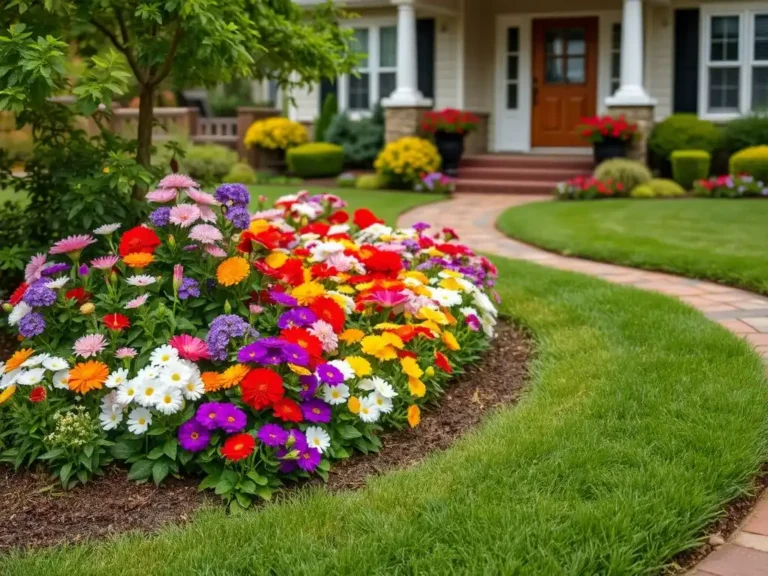
Weave cutting flowers throughout vegetable plantings rather than segregating in separate beds. Zinnias, cosmos, dahlias, and sunflowers provide bouquets while attracting essential pollinators and beneficial insects. Plant in rows, blocks, or strategic corners creating intentional color masses rather than random scattered individuals.
Choose varieties with substantial upright presence reading clearly within vegetable context—taller selections avoid getting lost among larger crops. Cut regularly encouraging continued blooming while providing fresh arrangements. The dual-purpose planting maximizes space productivity while improving garden health through biodiversity. The beautiful practical integration exemplifies French potager philosophy combining multiple benefits within cohesive attractive designs.
Lavender or Rosemary Edging
Edge entire kitchen garden perimeter with continuous lavender or upright rosemary hedges creating fragrant boundary and pollinator magnet. The silvery evergreen foliage provides year-round structure while blooms add seasonal color and incredible scent. Plant varieties 18-24 inches apart maintaining 18-inch height through regular trimming or harvesting.
These Mediterranean herbs thrive in similar conditions as many vegetables—full sun, excellent drainage—making them ideal companions. Aromatic foliage may deter pests while flowers attract beneficial insects improving pollination and biological pest control. The classic French combination creates instantly recognizable potager character while delivering multiple practical benefits beyond beauty alone through improved garden ecology.
Potting Bench or Tool Storage
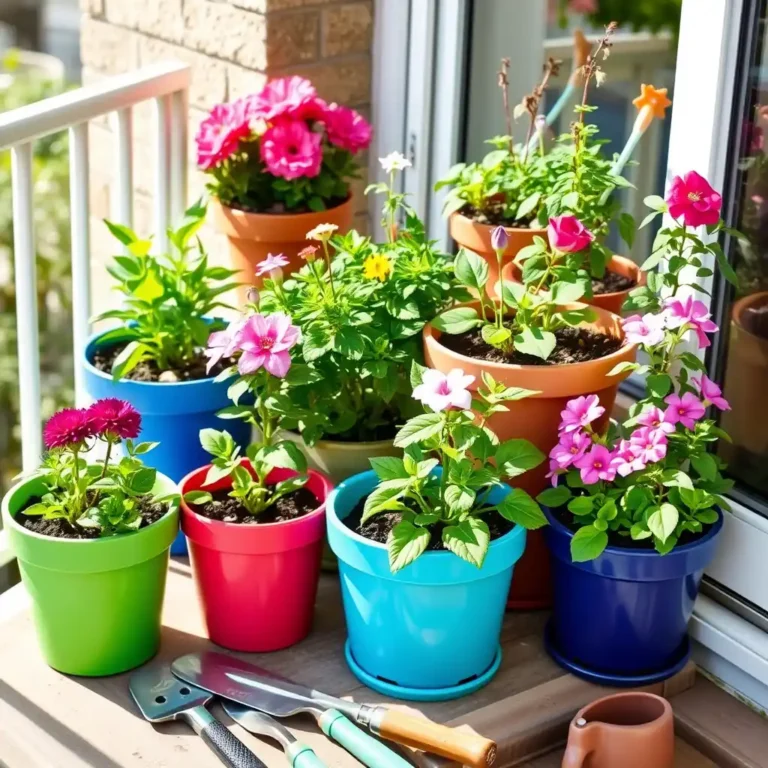
Include attractive potting bench or tool shed providing practical workspace and organized storage while contributing decorative architectural element. Choose rustic weathered wood or painted finishes coordinating with garden aesthetic. Position conveniently near beds ensuring easy access to supplies during maintenance and harvesting.
Display vintage tools, watering cans, and terra cotta pots on or around bench creating artful utilitarian vignettes celebrating gardening heritage. The practical beautiful addition demonstrates French approach where functional elements receive design attention becoming decorative features rather than eyesores requiring hiding. Include shelf space storing soil amendments, seeds, and small tools keeping gardens organized and maintainable.
Standard Rose or Topiary Accents
Position rose standards—grafted roses on tall single stems—or clipped topiary specimens at bed corners or path intersections adding elegant vertical punctuation. The formal trained plants complement structured vegetable layouts beautifully while providing seasonal interest beyond edible production. Choose compact repeat-blooming roses in sophisticated colors maintaining extended display.
Underplant standards with low herbs—thyme, parsley, dwarf basil—creating complete vignettes maximizing space utilization. Alternatively, use clipped boxwood or bay laurel balls on standards adding evergreen formal presence year-round. The sophisticated combinations demonstrate vegetables can share space with traditional ornamentals creating gardens transcending typical categorizations through thoughtful integrated design.
Season-Extending Structures
Incorporate decorative cold frames, cloches, or row covers extending growing seasons while adding practical architectural interest. Choose or construct frames with attractive proportions and finishes complementing overall aesthetic—painted wood, weathered metal, vintage glass. Position permanently along south-facing edges or use portably moving as needed.
The practical structures enable earlier spring plantings and later fall harvests demonstrating serious commitment to food production. During summer months when unneeded, display opened or store neatly maintaining tidy appearance. The functional beauty extends both growing capacity and visual interest maintaining active attractive gardens nearly year-round rather than limiting productivity to frost-free months only.
Creating Beautiful Productive Spaces
French kitchen gardens prove food production and landscape beauty aren’t competing goals requiring compromise—they’re complementary qualities enhancing each other through thoughtful design. The structured layouts organize intensive plantings making maintenance manageable while creating compositions elevating vegetables to genuine landscape features. The integrated approach combining edibles, herbs, and flowers within unified elegant framework demonstrates gardening at its most sophisticated and practical.
Start with geometric layout establishing clear circulation and defined growing areas providing organizational framework. Choose vegetables equally for appearance and productivity selecting varieties contributing visual drama. Maintain consistently keeping edges crisp and beds full demonstrating care that elevates gardens from functional to beautiful. Transform food growing into landscape centerpiece rather than backyard afterthought.
Which French kitchen garden element would revolutionize your vegetable growing? Share your productive garden aspirations below!