17 Full Shade Landscaping Ideas for a Lush, Low-Light Yard
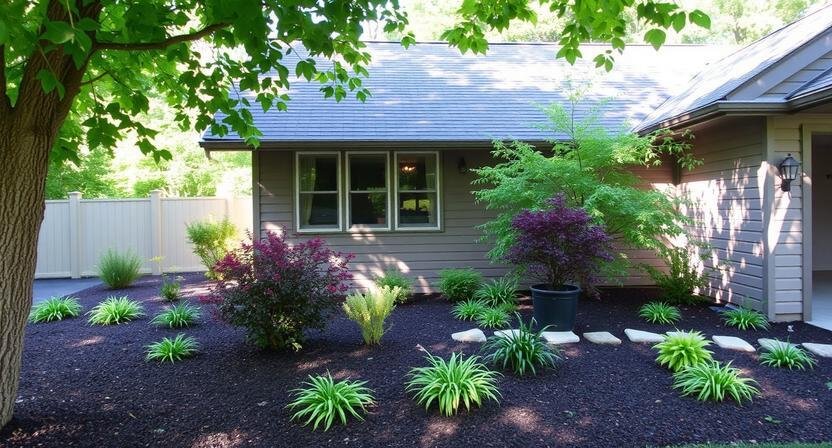
Transforming a dim corner of your property into a vibrant retreat is possible with the right full shade landscaping strategies. By focusing on foliage texture and shade-tolerant blooms, you can create a serene outdoor space that thrives without direct sunlight.
Whether you are dealing with dense tree cover or a north-facing plot, full shade landscaping offers a wealth of design possibilities. From ground covers to vertical accents, these ideas will help you build a layered, beautiful garden that flourishes in the shadows.
Mastering Full Shade Landscaping: Design Principles for Darker Spaces
Key strategies for creating a thriving shade garden.
- Assess Light Levels: Identify deep shade versus dappled light to choose the right plants.
- Focus on Foliage: Use variegated leaves and different shades of green for visual interest.
- Add Hardscaping: Incorporate pathways, stones, and benches to define the space.
- Use Light Colors: White and silver plants or pale flowers brighten dark areas.
- Layer Heights: Place taller plants in back and low growers in front for depth.
- Improve Soil: Shade gardens often need rich, well-draining organic matter.
- Include Evergreens: Ensure year-round structure with ferns, hellebores, or ivy.
- Add Water Features: The sound of water enhances the calm atmosphere of a shade garden.
1. Imagine a Fern-Filled Border — full shade landscaping for Woodland Vibes
Imagine a lush border of Japanese painted ferns and autumn ferns to anchor your full shade landscaping. Their delicate fronds bring texture and movement to a dark corner under trees or along a north-facing wall.
This layered planting creates a cool, woodland atmosphere that feels both natural and intentional. Full shade landscaping with ferns requires little maintenance once established, making it a perfect choice for busy gardeners.
2. Picture a Hostas Haven — full shade landscaping for Bold Foliage
Picture a sweeping bed of giant hostas in shades of blue, gold, and green for your full shade landscaping. Their broad leaves create a dramatic ground cover that suppresses weeds and adds lush volume.
Pairing hostas with smaller shade perennials like heuchera adds contrast and extends the season of interest. This full shade landscaping idea is a classic for a reason, offering reliable beauty year after year.
3. Discover a Stone Path Through Moss — full shade landscaping for Tranquility
Discover how a winding stone path with mossy crevices can transform your full shade landscaping into a meditative retreat. The soft green carpet contrasts beautifully with gray stepping stones, guiding visitors through the garden.
This approach works well in areas where grass struggles to grow. Full shade landscaping with moss and stone reduces maintenance while creating a serene, Japanese-inspired aesthetic.
4. Consider a Shade-Loving Container Garden — full shade landscaping for Small Spaces
Consider grouping pots of caladiums, begonias, and fuchsias on a shaded patio for portable full shade landscaping. Containers allow you to adjust the arrangement and bring color to even the darkest corners.
Mixing upright and trailing plants in varied pot heights adds architectural interest. This full shade landscaping solution is ideal for renters or those wanting to test plant combinations before committing to the ground.
5. Anchor a Hydrangea Corner — full shade landscaping for Summer Blooms
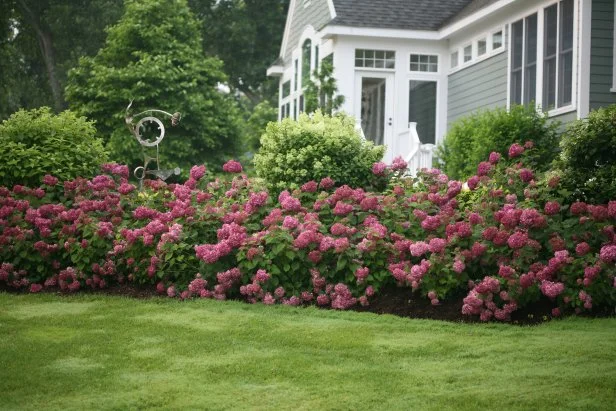
Anchor a shaded seating area with oakleaf hydrangeas, whose large blooms and peeling bark provide multi-season appeal in full shade landscaping. These shrubs thrive in low light and offer stunning white or pink flower heads.
Underplant with foamflowers and bleeding hearts for a romantic, cottage-style feel. Full shade landscaping with hydrangeas creates a focal point that blooms even in deep shadow.
6. Layer a Woodland Floor with Wild Ginger — full shade landscaping for Ground Cover
Layer Canadian wild ginger under taller shrubs to create a dense, weed-proof mat in your full shade landscaping. Its heart-shaped leaves stay low and form a lush green carpet that requires no mowing.
This native plant is incredibly tough and spreads slowly to fill gaps. Full shade landscaping with wild ginger supports local ecosystems while providing a polished, uniform look.
7. Build a Vertical Green Wall — full shade landscaping for Small Yards
Build a living wall with ferns, pothos, and ivy to maximize space in your full shade landscaping. A vertical garden turns a bare fence or wall into a lush tapestry of green textures and shapes.
This technique is especially effective in narrow side yards or urban courtyards. Full shade landscaping with a green wall adds privacy and a dramatic focal point without taking up floor space.
8. Bring in a Shade Garden Bench — full shade landscaping for Relaxation
Bring a classic wooden bench surrounded by astilbes and hostas to create a reading nook in your full shade landscaping. The bench provides a place to pause and enjoy the cool, quiet atmosphere.
Adding a small side table for a cup of tea completes the inviting scene. Full shade landscaping with a seating area turns an unused spot into a cherished daily retreat.
9. Transform a Dry Shade Slope with Pachysandra — full shade landscaping for Erosion Control
Transform a tricky dry slope under large trees with a blanket of pachysandra for effortless full shade landscaping. This evergreen ground cover thrives where other plants struggle, stabilizing soil with its dense roots.
Its glossy green leaves stay attractive throughout winter, providing year-round coverage. Full shade landscaping with pachysandra is a low-maintenance solution for challenging terrain that needs erosion control.
10. Frame a Shade Garden with Boxwood Hedges — full shade landscaping for Structure
Frame a shaded entryway or path with neatly trimmed boxwood to give your full shade landscaping a formal, polished edge. These evergreen shrubs tolerate low light and respond well to shaping, creating crisp lines.
Planting boxwood in pairs or rows adds symmetry and definition to the garden. Full shade landscaping with structured hedges balances the softness of ferns and flowers with architectural form.
11. Explore a Shade-Loving Perennial Border — full shade landscaping for Continuous Color
Explore a border filled with bleeding hearts, brunnera, and lungwort for a spring-to-fall display in your full shade landscaping. These perennials offer colorful blooms and interesting foliage that brighten dark spots.
Staggering bloom times ensures something is always in flower from April through October. Full shade landscaping with a perennial border creates dynamic, evolving beauty with minimal replanting effort.
12. Shape a Shade Garden with Japanese Maples — full shade landscaping for Elegance
Shape a focal point with a laceleaf Japanese maple, whose delicate foliage adds grace and color to full shade landscaping. These small trees thrive in filtered light and provide stunning red or orange autumn hues.
Underplanting with black mondo grass or coral bells creates a striking contrast. Full shade landscaping with a Japanese maple brings a sense of maturity and artistry to any garden space.
13. Define a Shade Garden Edge with Tiarella — full shade landscaping for Front Borders
Define the front edge of a shaded bed with tiarella, also known as foamflower, for a soft, frothy border in full shade landscaping. Its delicate white flower spikes appear in spring above attractive lobed leaves.
This low-growing perennial spreads gently without becoming invasive. Full shade landscaping with tiarella creates a polished, finished look along pathways and garden edges.
14. Introduce a Shade Garden Water Feature — full shade landscaping for Ambiance
Introduce a small bubbling urn or recirculating fountain to add soothing sound to your full shade landscaping. The gentle trickle of water masks street noise and invites birds and beneficial insects.
Placing the feature among ferns and moss enhances the natural, tranquil feel. Full shade landscaping with water creates a sensory experience that elevates the garden from simple to serene.
15. Suspend a Hanging Basket of Fuchsias — full shade landscaping for Vertical Color
Suspend baskets of trailing fuchsias from a pergola or porch beam to bring vibrant color into your full shade landscaping. Their pendulous pink and purple flowers bloom profusely even without direct sun.
Pairing fuchsias with trailing ivy or sweet potato vine adds fullness and texture. Full shade landscaping with hanging baskets draws the eye upward and makes use of vertical air space.
16. Ground a Slope with Creeping Jenny — full shade landscaping for Fast Coverage
Ground a shady bank with creeping jenny, whose chartreuse leaves create a bright, cascading carpet in full shade landscaping. This vigorous grower quickly covers bare soil and softens hard edges.
Its lime-green color pops against darker foliage like hostas or ferns, adding contrast. Full shade landscaping with creeping jenny is an excellent solution for slopes that need fast, attractive coverage.
17. Position a Shade Garden Obelisk with Climbing Hydrangea — full shade landscaping for Vertical Interest
Position a decorative obelisk and train climbing hydrangea up it to add height and romance to your full shade landscaping. This self-clinging vine produces lacecap white blooms in summer and exfoliating bark in winter.
Using a vertical structure draws the eye upward and makes the garden feel larger. Full shade landscaping with a climbing hydrangea obelisk combines architecture and nature for a stunning focal point.
Frequently Asked Questions
Q. What are the best plants for full shade landscaping?
Ans. Hostas, ferns, astilbes, heucheras, and Japanese maples are excellent choices for full shade landscaping due to their tolerance of low light.
Q. Can I have a lawn with full shade landscaping?
Ans. Grass struggles in deep shade, so consider replacing a lawn with shade-tolerant ground covers like moss, pachysandra, or creeping jenny in full shade landscaping.
Q. How do I add color to full shade landscaping?
Ans. Use white or pale flowers like bleeding hearts, impatiens, and foamflowers, along with variegated foliage, to brighten dark areas in full shade landscaping.
Conclusion
Full shade landscaping proves that a lack of direct sunlight does not mean a lack of beauty. By choosing the right plants and design elements, you can create a lush, serene garden that thrives in low-light conditions.
From ferns and hostas to water features and vertical accents, the possibilities for full shade landscaping are vast and rewarding. Embrace the shade and transform your outdoor space into a cool, inviting sanctuary.