20 Serene Japanese Outdoor Garden Ideas for Tranquil Spaces
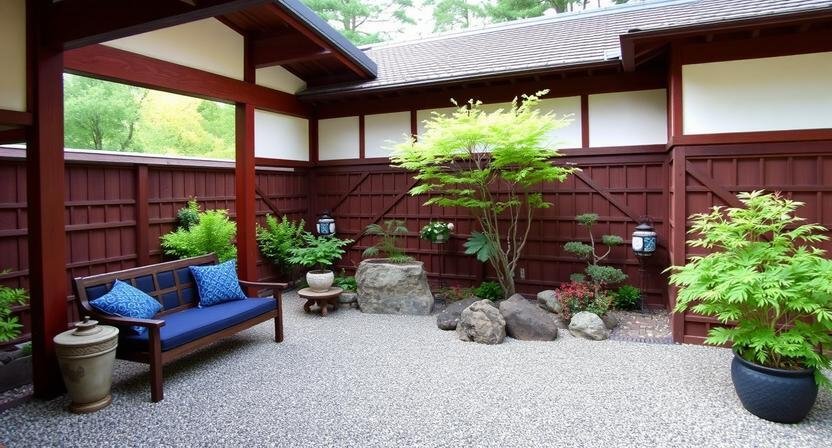
A well-designed japanese outdoor garden brings a sense of calm and balance to any property. By blending natural elements like stone, water, and moss, you can create a meditative retreat right outside your door.
Whether you have a sprawling backyard or a compact patio, incorporating a japanese outdoor garden is a rewarding way to connect with nature. These 20 ideas will guide you through various styles and essential features.
Understanding the Core Principles of a Japanese Outdoor Garden
Key elements to consider before you start your project.
- Embrace Asymmetry: Avoid perfect symmetry to mimic natural landscapes.
- Use Natural Materials: Stone, wood, and bamboo create an organic feel.
- Incorporate Water: A simple basin or pond adds life and reflection.
- Choose Evergreens: Plants like pine and juniper provide year-round structure.
- Add Moss: Moss ground cover brings age and tranquility to the space.
- Define Paths: Stepping stones guide the journey through the garden.
- Include a Viewing Spot: A bench or veranda offers a place for contemplation.
- Keep it Simple: Focus on quality over quantity to maintain harmony.
1. Imagine a japanese outdoor garden with a Koi Pond
Imagine a serene japanese outdoor garden centered around a clear koi pond. The gentle movement of colorful fish against dark water creates a living painting that changes with the seasons.
This focal point invites quiet observation and pairs beautifully with overhanging maple branches. A curved wooden bridge enhances the classic aesthetic of the japanese outdoor garden.
2. Picture a japanese outdoor garden with a Tea House
Picture a secluded japanese outdoor garden featuring a traditional tea house. This structure serves as a quiet sanctuary for meditation and the ritual of tea, surrounded by moss and stone.
A stepping stone path leads guests through the garden to the entrance. The tea house becomes the soul of this japanese outdoor garden design.
3. Discover a japanese outdoor garden with a Dry Rock Bed
Discover the minimalist beauty of a japanese outdoor garden using a dry rock bed to represent water. Raked gravel patterns mimic flowing rivers, while larger stones stand in for islands.
This low-maintenance approach is perfect for dry climates. The abstract nature of this japanese outdoor garden encourages deep thought and creativity.
4. Consider a japanese outdoor garden with Bamboo Fencing
Consider adding natural bamboo fencing to enclose your japanese outdoor garden. This material provides privacy and a distinct texture that complements greenery and stone elements.
Bamboo also works well for gates and water spouts. The warm tones of bamboo instantly warm up any japanese outdoor garden design.
5. Anchor a japanese outdoor garden with a Stone Lantern
Anchor your japanese outdoor garden with a traditional stone lantern placed near a path or pond. These lanterns provide a focal point and symbolize enlightenment in garden design.
Position it so it is visible from the main viewing area. A weathered stone lantern adds instant age and character to any japanese outdoor garden.
6. Layer a japanese outdoor garden with Moss Ground Cover
Layer your japanese outdoor garden with lush moss to create a soft, green carpet. Moss thrives in shady spots and brings a sense of ancient peace to the landscape.
It pairs wonderfully with stepping stones and tree roots. The velvety texture of moss is a hallmark of a mature japanese outdoor garden.
7. Build a japanese outdoor garden with a Tsukubai Water Basin
Build a ritualistic element into your japanese outdoor garden with a tsukubai water basin. This low stone basin is used for purification and adds a gentle water feature.
The sound of dripping water enhances the sensory experience. A bamboo ladle completes the traditional look of this japanese outdoor garden detail.
8. Bring a japanese outdoor garden to life with a Maple Tree
Bring vibrant color to your japanese outdoor garden by planting a Japanese maple. Its delicate leaves provide stunning red or orange hues in autumn, contrasting with evergreens.
The tree’s graceful branching structure offers visual interest even in winter. A maple is a cornerstone plant for any authentic japanese outdoor garden.
9. Transform a japanese outdoor garden with a Gravel Path
Transform the flow of your japanese outdoor garden with a winding gravel path. The crunch underfoot signals a journey through the space, encouraging a slower pace.
Use large, flat stepping stones within the gravel for stability. This simple path design is both functional and beautiful in a japanese outdoor garden.
10. Frame a japanese outdoor garden with a Wooden Gate
Frame the entrance to your japanese outdoor garden with a simple wooden gate. A gate marks the transition from the outside world into a private, contemplative space.
Choose untreated cedar or cypress for a natural look that weathers gracefully. This threshold is an important design element for any japanese outdoor garden.
11. Explore a japanese outdoor garden with a Zen Rock Garden
Explore the meditative practice of a japanese outdoor garden designed as a karesansui, or dry landscape. Carefully placed rocks and raked gravel represent mountains and water.
This style requires no irrigation and is ideal for small spaces. The act of raking itself becomes a ritual in this japanese outdoor garden.
12. Shape a japanese outdoor garden with Pruned Shrubs
Shape the structure of your japanese outdoor garden with carefully pruned shrubs. Cloud pruning, or niwaki, creates sculptural forms that mimic natural landscapes in miniature.
This technique adds an artistic, curated feel to the garden. Pruned shrubs are living sculptures in a refined japanese outdoor garden.
13. Define a japanese outdoor garden with a Stone Bridge
Define the space over a dry stream bed with a flat stone bridge in your japanese outdoor garden. This element connects different areas and adds architectural interest.
A bridge encourages movement and offers a new perspective on the landscape. It is a classic feature of a traditional japanese outdoor garden.
14. Introduce a japanese outdoor garden with a Viewing Stone
Introduce a large, upright viewing stone as the centerpiece of your japanese outdoor garden. These stones are chosen for their shape, texture, and natural character.
Position the stone against a backdrop of evergreens for maximum impact. A well-chosen viewing stone grounds the entire japanese outdoor garden composition.
15. Suspend a japanese outdoor garden with a Bamboo Water Spout
Suspend a bamboo water spout, or shishi-odoshi, over a stone basin in your japanese outdoor garden. This feature creates a rhythmic clacking sound that scares away deer.
The gentle, repetitive noise adds a layer of auditory tranquility. It is a charming and functional addition to any japanese outdoor garden.
16. Ground a japanese outdoor garden with a Patio of Stone Slabs
Ground your seating area with irregular stone slabs to create a natural patio in your japanese outdoor garden. Leave gaps between the stones for moss or low plants to grow.
This hardscape feels organic and blends seamlessly with the surrounding garden. A stone patio is a practical foundation for a japanese outdoor garden.
17. Position a japanese outdoor garden with a Wisteria Arbor
Position a sturdy wooden arbor to support a cascading wisteria vine in your japanese outdoor garden. The hanging purple blooms create a dramatic, fragrant canopy in late spring.
This feature provides dappled shade and a romantic focal point. A wisteria arbor is a showstopping element for a japanese outdoor garden.
18. Fill a japanese outdoor garden with Ferns and Hostas
Fill the understory of your japanese outdoor garden with shade-loving ferns and hostas. Their varied leaf textures and shades of green create a lush, layered ground level.
These plants thrive in the dappled light under trees and shrubs. Foliage plants add depth and softness to a japanese outdoor garden.
19. Place a japanese outdoor garden with a Simple Bench
Place a simple wooden bench at a strategic viewpoint in your japanese outdoor garden. This invites you to sit, pause, and appreciate the careful arrangement of nature.
Choose a bench with clean lines that does not distract from the scenery. A quiet bench is essential for enjoying a japanese outdoor garden.
20. Craft a japanese outdoor garden with a Stepping Stone Path
Craft a winding path of irregular stepping stones through your japanese outdoor garden. The stones should be set slightly above the ground to create a sense of floating.
This path guides visitors on a deliberate journey through the landscape. A stepping stone path is a fundamental feature of a japanese outdoor garden.
Frequently Asked Questions
Q. What are the essential elements for a beginner japanese outdoor garden?
Ans. Start with a few key stones, a simple gravel or moss ground cover, and an evergreen shrub to form the backbone of your japanese outdoor garden.
Q. How much maintenance does a japanese outdoor garden require?
Ans. A well-designed japanese outdoor garden is low-maintenance, requiring occasional raking of gravel, pruning of shrubs, and weeding to keep it looking pristine.
Q. Can I create a japanese outdoor garden in a small space or on a balcony?
Ans. Yes, a miniature japanese outdoor garden can be created in a container or small corner using a bonsai tree, a small stone lantern, and fine gravel.
Conclusion
Creating a japanese outdoor garden is a journey of patience and appreciation for natural beauty. By thoughtfully combining stone, water, and plants, you cultivate a space that nourishes the soul and provides a daily escape from the modern world.
Whether you choose a dry rock garden or a lush pond setting, each element you add brings you closer to the timeless tranquility of a japanese outdoor garden. Start small, focus on harmony, and let your garden evolve naturally.