Large Fairy Garden Ideas That Create Entire Magical Worlds
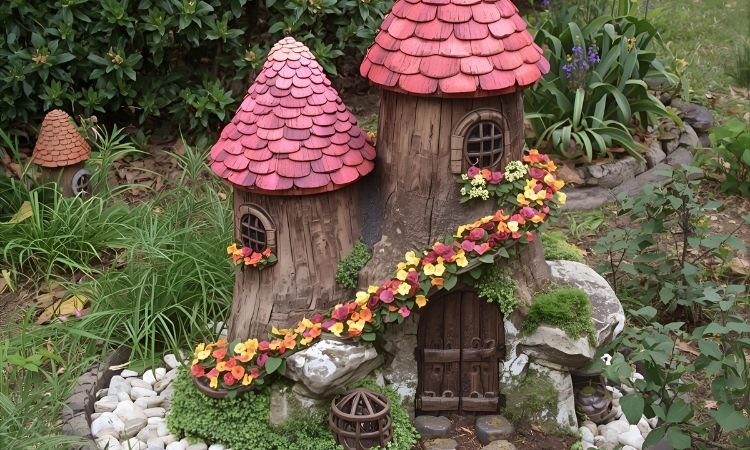
You’ve outgrown tiny container fairy gardens and you’re ready to go bigger. Like, way bigger. You want a full fairy village in your yard, multiple structures, winding paths, the works. Basically you’re committing to creating an actual magical world instead of just a cute corner decoration.
Large fairy gardens are their own thing entirely. We’re not talking about containers you rearrange on your patio—this is landscape design with a fantasy twist. Multiple buildings, established pathways, integrated landscaping, features that become permanent parts of your yard. The kind of setup that makes neighbors slow down driving by and kids beg to come play.
Here’s what stops people. They worry about cost, about committing that much yard space, about whether elaborate fairy gardens look silly versus charming. But honestly? A well-done large fairy garden is basically whimsical landscaping that happens to have tiny doors. It’s garden art that creates conversation and genuine delight. Done right, it elevates your yard instead of making it weird.
I’m walking through 9 large fairy garden ideas that transform significant yard space into magical destinations. You’ll see how to plan layouts that work, which features create the most impact, what materials hold up to weather and time, and how to make large fairy gardens look intentional instead of cluttered.
What Makes Large Fairy Gardens Actually Work
- Cohesive Theme Creates Unity: Choosing style direction—woodland village, beach town, medieval hamlet—unifies multiple elements. It’s like interior design where consistent aesthetic creates polish. The thematic approach prevents random collection appearance.
- Quality Materials Look Intentional: Investing in weather-resistant structures and realistic details creates garden art versus craft project. It’s like furniture quality where materials determine impression. The substantial pieces make large installations look purposeful.
- Integration With Landscaping Matters: Fairy features working with existing plants and landscape look natural versus plunked down randomly. It’s like hardscaping where relationship to surroundings matters. The thoughtful integration creates seamless magical feeling.
- Scale Appropriate to Space Prevents Overwhelming: Balancing fairy elements with regular garden keeps whimsy from dominating entire yard. It’s like accent walls where proportion matters. The measured approach creates charm without overwhelming property.
Large Fairy Garden Ideas
Create expansive magical landscapes with these large fairy garden approaches designed for serious yard transformations.
Fairy Village Around Tree Base
Build complete miniature village encircling large tree creating natural town center. The tree trunk becomes backdrop and anchor while roots provide natural terrain features. I’ve found this setup creates most magical effect—the tree feels like it’s been there forever with fairies living underneath.
Arrange 5-8 fairy houses around tree circumference, create winding paths between structures using pebbles or mulch, add miniature street lamps along paths, plant low groundcover and moss, include tiny benches and accessories. Houses cost $25-80 each, total setup runs $300-800. The circular village creates destination point in yard while tree provides natural focal point.
Hillside Fairy Neighborhood
Use sloped yard creating terraced fairy neighborhood with houses at different elevations. The natural grade provides built-in dimension and drama. Sound familiar to European hillside villages? Same concept, fairy-scale.
Position fairy houses on slope at varying heights, create switchback paths connecting levels, add retaining elements using rocks or timbers, plant terraced gardens between structures, include stairways made from flat stones. Costs $400-1,000 depending on terrain complexity and number of structures. The vertical layout maximizes visual interest while working with challenging slope.
Stream-Side Fairy Village
Build fairy settlement along backyard stream or created water feature. The water element adds major whimsy while providing natural boundary and focal point. And honestly, moving water plus tiny houses creates seriously magical atmosphere.
Position 6-10 structures along water’s edge, create tiny docks or bridges crossing stream, add water-loving plants like moss and ferns, include miniature boats or fishing elements, use rocks creating varied shoreline. Water feature costs $200-600 if creating artificial stream, structures add $300-900. The waterside location creates resort-village feeling with natural beauty.
Under-Deck Fairy Town
Transform unused space beneath raised deck into protected fairy village. The overhead shelter protects structures from weather while creating cave-like magical atmosphere. This uses dead space that’s usually just dirt and spiderwebs.
Clear and level area, add landscape fabric and gravel base, position multiple fairy structures creating neighborhood, string solar or battery-operated lights overhead, add small plants tolerating shade, create defined pathways. Costs $250-700 depending on space size. The sheltered location means structures last longer while creating hidden magical world.
Garden Path Fairy District
Line existing garden path with fairy structures creating street of shops and houses. The integrated approach makes fairy village part of actual garden navigation rather than separate feature. This works brilliantly in established gardens adding whimsy to functional elements.
Position fairy buildings every 3-4 feet along both sides of 15-20 foot garden path, add tiny shop signs and details, plant miniature gardens in front of each structure, include street furniture and lamp posts. Costs $400-1,200 for 8-12 structures plus details. The pathway integration makes fairy village functional garden feature versus separate installation.
Rock Garden Fairy Kingdom
Incorporate large fairy village into existing or new rock garden. The rocks provide natural architecture and elevation changes while fairy elements add character. I mean, rock gardens can look stark—adding fairy village makes them way more interesting.
Arrange 8-15 landscaping rocks creating levels and nooks, position fairy structures among rocks, fill spaces with alpine plants and groundcover, create winding paths through rock formations, add tiny climbing elements on rocks. Rocks cost $5-15 each, structures and plants add $400-1,000. The combined rock-fairy design creates substantial garden feature.
Woodland Fairy Forest
Create naturalistic fairy settlement using rustic materials blending with wooded areas. The organic approach uses logs, bark, natural materials making village look like it grew there naturally. This works perfectly in shaded yards or near tree lines.
Use log rounds and bark pieces for structures, add twig furniture and natural accessories, create moss-covered paths, include mushroom decorations and woodland plants, position throughout shaded area creating discovery experience. Costs $200-600 using mostly natural materials. The woodland aesthetic integrates seamlessly with nature versus looking obviously placed.
Raised Platform Fairy Neighborhood
Build dedicated raised platform creating defined fairy village at comfortable viewing height. The elevated design makes village visible and accessible while protecting from ground moisture and pests. This works great for elaborate setups you want showcasing properly.
Construct 4×6 foot platform 18-24 inches high using treated lumber, create landscape within platform borders, position multiple structures and detailed elements, add lighting around perimeter, plant miniature gardens throughout. Platform costs $150-350 DIY, structures and landscaping add $400-1,000. The showcase platform creates destination feature in yard.
Multi-Level Terraced Fairy Estate
Create elaborate terraced fairy garden with multiple levels connected by staircases and ramps. The complex elevation changes create drama and exploration opportunities. This is serious commitment creating substantial landscape feature.
Build 3-4 distinct levels using timbers or stone creating terraces, position structures on each level, connect levels with stone staircases or ramps, include bridges between areas, plant appropriate varieties for each level’s sun exposure. Construction costs $500-1,500, structures add $600-1,500. The ambitious project creates genuine landscape art transforming yard section completely.
Planning Large Fairy Gardens Successfully
- Map Layout Before Starting: Sketch plan showing structure placement, paths, and plant locations. It’s like landscape design where planning prevents mistakes. The advance preparation ensures cohesive result versus random additions.
- Start With Infrastructure: Build paths, level areas, and basic landscaping before adding structures. It’s like home building where foundation comes first. The proper base prevents later rework and adjustment struggles.
- Buy Quality Core Pieces: Invest in substantial weather-resistant main structures that last years. It’s like furniture where quality matters for frequently used pieces. The durable centerpieces justify large garden investment.
- Add Details Gradually: Build basic village then layer in accessories and plantings over time. It’s like room decorating where staged additions prevent overwhelming. The gradual development lets garden evolve naturally.
Frequently Asked Questions About Large Fairy Gardens
How Much Space Do You Need?
Minimum 6×8 feet creates meaningful large fairy garden. Ideal size runs 8×10 to 12×15 feet accommodating multiple structures and proper pathways. Beyond 15×20 feet you’re basically creating theme park requiring serious maintenance commitment.
The space should feel proportional to yard size. Large fairy garden overwhelming small yard looks awkward. Same installation in spacious yard feels appropriate and charming.
What’s Realistic Budget?
Basic large fairy garden costs $400-800 including 6-8 structures, pathways, basic plantings. Mid-range setups run $1,000-2,000 with quality buildings and detailed landscaping. Elaborate installations hit $2,500-5,000+ incorporating water features, lighting, custom elements.
Starting modest and adding annually spreads costs while building toward vision gradually. Most impressive large fairy gardens developed over 2-3 years versus completed immediately.
Do You Need Building Permits?
Generally no—fairy gardens are decorative landscaping, not structures. Exception might be if creating retaining walls over certain height or extensive hardscaping. Check local codes if making major grade changes or building substantial platforms.
HOAs might have opinions about prominent fairy villages. Better checking restrictions before significant investment versus dealing with removal requests after completing.
How Do You Maintain Large Gardens?
Weekly weeding and plant care, monthly cleaning of structures removing debris, seasonal planting updates, annual structure inspection repairing or replacing damaged pieces. Time commitment runs 1-2 hours weekly during growing season.
Consider drip irrigation reducing watering demands. Choose low-maintenance plants appropriate to sun exposure. The proper initial plant selection dramatically reduces ongoing work.
What About Resale Value?
Neutral to slightly positive if well-executed as unique garden feature. Elaborate fairy villages appeal to some buyers, seem odd to others. Permanent installations harder to remove than temporary gardens potentially affecting marketability.
If selling soon, consider keeping fairy garden more understated. If staying long-term, build what makes you happy. The enjoyment while living there matters more than theoretical buyer preferences.
Creating Your Fairy Garden World
Large fairy garden ideas prove that whimsical landscaping creates genuine garden art when done with commitment and quality. The substantial installations become beloved yard features providing years of enjoyment and conversation. And honestly, life’s too short for boring standard landscaping when you could have magical villages making people smile.
Start by choosing location and rough layout. Invest in quality core structures that last. Build infrastructure properly preventing future issues. Add details and refinements gradually letting garden develop character over time. The patient thoughtful development creates installations feeling collected and magical rather than hastily assembled.
What draws you to large fairy gardens—love of miniatures, wanting unique yard feature, or just embracing full whimsy? Tell me what you’re envisioning and I’ll help figure out realistic approach for your space!