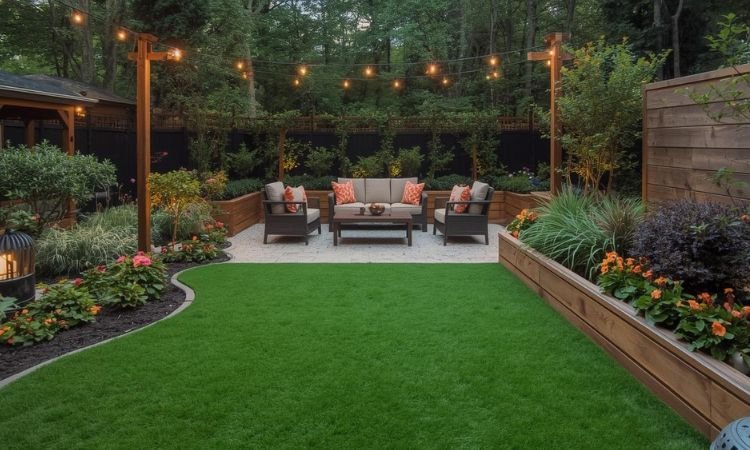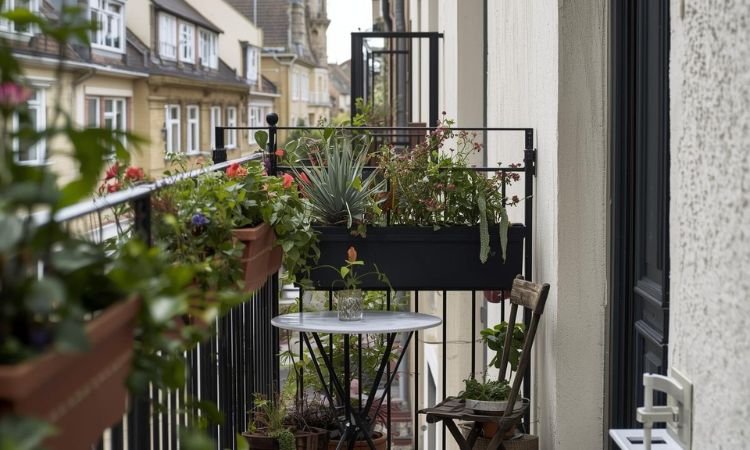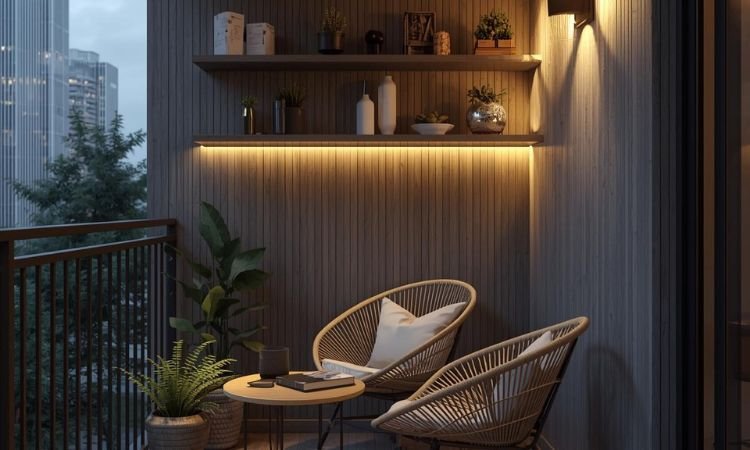
Privacy Wall Ideas for the Backyard That Balance Screening, Style, and Practicality
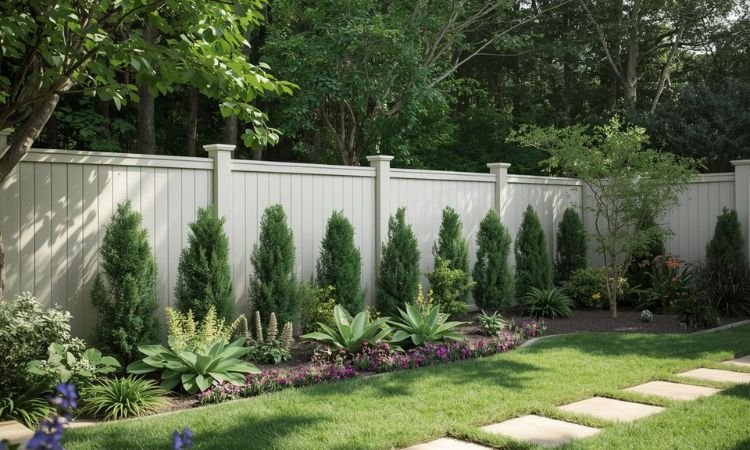
A backyard privacy wall typically runs 4 to 6 feet tall—the maximum allowed by most U.S. municipalities without a permit—and spans 20 to 100 linear feet, depending on lot size.
Unlike fences, walls are solid structures made of masonry, wood, or composite materials that block views, reduce noise, and define outdoor rooms.
These 10 ideas focus on durable, code-compliant designs that work with standard residential lots, soil conditions, and budgets—without making your yard feel like a fortress.
Why Walls Differ from Fences
Solid construction = better sound blocking: Masonry or dense wood walls reduce street or neighbor noise by 8–15 dB—more than open or slatted fences.
Longer lifespan: Concrete, stone, and properly treated wood walls last 20–50 years vs. 10–15 for basic fences.
Foundation required: Most walls over 3′ tall need a concrete footing below frost line (typically 24″–36″ deep).
No gaps = full visual block: Ideal for hot tubs, patios, or yards near second-story windows.
10 Privacy Wall Ideas for the Backyard That Balance Screening, Style, and Practicality
All concepts assume standard residential zoning and typical soil stability.
1. Stacked Concrete Block Wall (Painted)
Use standard 8″x8″x16″ concrete blocks laid in running bond. Cap with flat stone or precast coping. Paint with exterior-grade masonry paint in warm gray, white, or earthy tones.
Height: 4’–6′. Footing: 24″ deep x 12″ wide. Cost: $25–$40 per linear foot installed. Low maintenance, high durability.
2. Wood Slat Wall on Concrete Base
Mount vertical cedar or pressure-treated 1×6 boards on a framed wood panel anchored to a 6″–8″ concrete stem wall. Gaps between slats: ½”–1″ for airflow while maintaining privacy.
Reduces wind load vs. solid wood. Stain every 2–3 years. Ideal for contemporary yards.
3. Natural Stone Veneer on CMU Core
Build a concrete masonry unit (CMU) wall, then apply thin-cut natural stone veneer (e.g., limestone, fieldstone). Mortar joints kept tight for clean look.
Height: 4’–6′. Requires professional installation. Cost: $45–$75 per linear foot. Ages beautifully with zero upkeep.
4. Rendered Brick Wall (Stucco Finish)
Lay standard clay bricks in common bond, then apply a smooth or textured stucco (render) finish. Paint or leave natural. Classic, timeless, and fully opaque.
Footings required for walls over 3′. Resists fire, rot, and pests. Best in dry or moderate climates.
5. Gabion Wall with Local Stone
Fill welded wire cages (typically 3’x3’x1′) with river rock, recycled concrete, or local fieldstone. Stack 2–3 courses high for a 4’–6′ wall.
Drains naturally—no footing needed on stable soil. Modern industrial look. Cost: $30–$50 per linear foot. Great for sloped yards.
6. Timber Retaining Wall (Dual-Purpose)
Use 6″x6″ pressure-treated timbers pinned with rebar to create a retaining wall that also provides privacy. Backfill with gravel for drainage.
Max height: 4′ without engineering. Slope wall slightly backward (batter) for stability. Combines function and screening on hillsides.
7. Board-Form Concrete Wall
Pour concrete into wood plank molds to create a textured, board-marked surface. Smooth top edge for safety. Can be left raw or stained.
Architectural look with high durability. Requires formwork and concrete expertise. Best for modern or minimalist landscapes.
8. Composite Panel Wall System
Use interlocking composite panels (e.g., EverBlock, modular HDPE) that snap together over a gravel base. No mortar, no concrete—just level ground.
Height: up to 6′. DIY-friendly. Cost: $20–$35 per linear foot. Resists rot, insects, and UV fading. Ideal for renters or temporary needs.
9. Plastered Adobe or Rammed Earth Wall
In dry climates, build a rammed earth or adobe wall stabilized with cement, then apply lime or clay plaster. Thick, thermal mass walls stay cool in summer.
Eco-friendly and beautiful—but not suitable for wet or freeze-thaw zones. Requires expert design for structural integrity.
10. Living Green Wall Integrated with Solid Base
Build a 3’–4′ solid masonry or wood base, then mount a vertical planter system above it filled with ivy, ferns, or creeping fig. Roots anchor into the structure over time.
Provides full lower privacy + soft upper screening. Irrigate with drip lines. Best in partial sun with regular maintenance.
Common Mistakes and Fixes
- Skipping proper footings
Fix: For walls over 3′ tall, pour concrete footings below frost line (usually 24″+ deep). - Ignoring drainage behind wall
Fix: Install perforated drain pipe and gravel backfill to prevent hydrostatic pressure buildup. - Building too close to property line
Fix: Check local codes—many require walls to be 2″–12″ inside your property boundary. - Using untreated wood in wet climates
Fix: Choose cedar, redwood, or pressure-treated lumber rated for ground contact. - Overlooking cap or coping
Fix: Always add a top cap (stone, metal, or wood) to shed rain and protect the wall core.
Build to Last, Not Just to Block
A well-built privacy wall should disappear into your landscape—providing calm, quiet, and separation without shouting for attention.
Prioritize structure, drainage, and material longevity over ornamentation. The best wall is the one you forget is there—until you need the peace it provides.
Which of these 10 ideas fits your yard’s soil, climate, and privacy needs? Start with foundation and height—then add style.