11 Small Backyard Privacy Ideas That Work in Tight Urban Lots
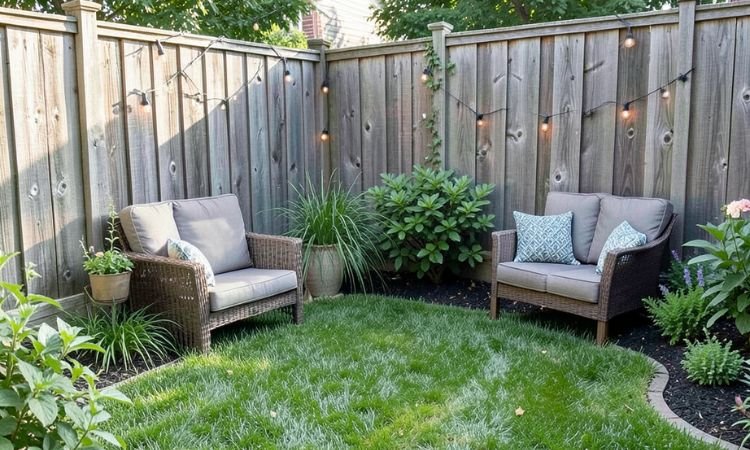
In small backyards—often under 400 sq ft with neighbors just 10 to 20 feet away—traditional fences can make the space feel like a box.
The goal isn’t total enclosure, but strategic screening where it matters most: your seating area, dining spot, or lounge zone.
These 11 ideas focus on vertical solutions, movable barriers, and layered greenery that preserve light and airflow while blocking direct sightlines—all without requiring permits or major construction.
Why Less Is More in Compact Yards
Every inch counts: A 6′ solid fence in a 15’x20′ yard eats up visual space and blocks sunlight.
Height isn’t the answer: Screening at eye level (4–6 ft) is often enough to block neighbor views from windows or patios.
Flexibility matters: Renters or short-term residents need removable, non-permanent options.
Layering creates depth: Combining plants, screens, and fabric feels more open than one solid wall.
11 Small Backyard Privacy Ideas That Work in Tight Urban Lots
All concepts fit yards as narrow as 12 feet wide and work with existing hardscaping.
1. Tall Potted Plants in Strategic Corners
Place two large containers (24″–30″ diameter) with upright evergreens like Sky Pencil holly or clumping bamboo in the corners nearest to neighboring windows. Creates instant vertical screening without permanent planting.
Use lightweight fiberglass pots if you rent. Group with lower planters in front for layered depth.
2. Freestanding Trellis with Fast-Growing Vine
Install a single 6′ tall trellis panel (3’–4′ wide) on a weighted base or post anchors. Train a quick-climbing vine like morning glory, black-eyed Susan vine, or jasmine. Provides living privacy in one season.
Position directly in the line of sight between your seating area and the neighbor’s window—not along the entire fence.
3. Hanging Bamboo or Reed Roll-Up Shades
Attach outdoor-rated roll-up shades to your existing fence, pergola beam, or wall using hooks and grommets. Pull down when needed, roll up to open the space. Choose mildew-resistant materials.
Ideal for patios under 10’x10′. Store rolled during winter in cold climates.
4. Foldable Privacy Screen on Casters
Use a 3-panel folding screen (6′ tall x 8′ wide total) on locking casters. Roll into place behind your chair or table when privacy is needed; tuck against a wall when not in use.
Choose all-weather wicker, powder-coated metal, or treated wood. Perfect for renters or temporary setups.
5. Vertical Pocket Planter on Existing Fence
Mount a modular green wall panel (2’x4′ or 3’x5′) filled with ferns, ivy, or succulents on your current fence. Breaks up hard surfaces and softens sightlines without adding depth.
Use self-watering pockets to reduce maintenance. Best in areas with partial sun.
6. Raised Planter Bench Combo
Build or buy a 24″–30″ tall planter that doubles as seating. Fill with ornamental grasses or compact shrubs like boxwood. Serves as both functional furniture and a visual barrier.
Width: 18″–24″. Place along the edge closest to prying eyes—never block your own path.
7. Angled Pergola Slats Over Seating
Install a small pergola (8’x8′) over your main seating area with slats angled toward the neighbor’s house. Blocks overhead views while keeping the space open below.
Use cedar or powder-coated steel. Add string lights for evening ambiance without glare.
8. Outdoor Curtains on Tension Rod
Hang weather-resistant curtains (polyester or Sunbrella) on a tension rod mounted between two walls or posts. Draw closed for privacy, open to connect with the yard.
Choose floor-length panels in neutral tones. Machine-washable fabrics simplify seasonal cleaning.
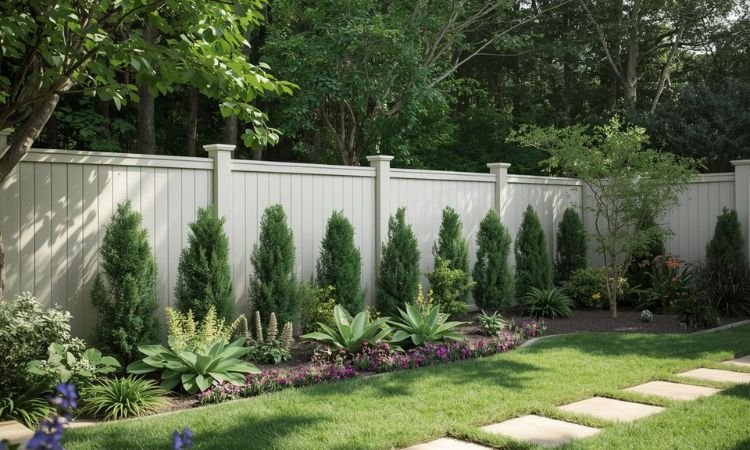
9. Tiered Shrub Planting (Low + Mid Height)
Plant a two-tier border: 18″–24″ tall grasses (like fountain grass) in front, 3’–4′ tall shrubs (dwarf hydrangea, compact holly) behind. Creates depth and year-round screening in minimal width.
Space plants 2’–3′ apart. Mulch to retain moisture in tight soil beds.
10. Decorative Lattice Panel on Posts
Mount a 4’–6′ tall lattice panel (2’–3′ wide) on two metal or wood posts set in concrete-filled buckets. Use as a standalone screen beside a hot tub or bistro set.
Paint or stain to match your decor. Grow trailing plants through the openings for added softness.
11. Hanging Macramé or Woven Panels
Suspend lightweight woven panels (bamboo, rattan, or macramé) from a pergola, tree branch, or wall-mounted hooks. Adds texture and partial screening without blocking light.
Keep panels under 5′ tall to avoid wind resistance. Best used as accent barriers—not primary privacy.
Common Mistakes and Fixes
- Enclosing the entire perimeter
Fix: Screen only the 1–2 spots where neighbors have direct sightlines—usually near their windows or balconies. - Choosing high-maintenance plants
Fix: Opt for drought-tolerant, slow-growing varieties that won’t outgrow a small space in one season. - Ignoring scale
Fix: In yards under 200 sq ft, keep screens under 6′ tall and 4′ wide—oversized panels dominate tight spaces. - Blocking your own airflow
Fix: Leave gaps between screens or use porous materials (lattice, vines) to allow breezes through. - Skipping anchoring
Fix: Even lightweight screens need weight or stakes in windy areas—use sand-filled bases or ground pegs.
Privacy Through Precision, Not Walls
In a small backyard, privacy isn’t about hiding—it’s about redirecting attention. Block the specific angles that matter, and leave the rest open to sky and light. Start with one potted tree or a single roll-up shade, then add more only where truly needed.
Which of these 11 ideas fits your yard’s layout and your neighbor’s sightlines? Measure first—most work in spaces as narrow as 12 feet wide.