Small Front Garden Design Ideas That Maximize Curb Appeal Without Overcrowding
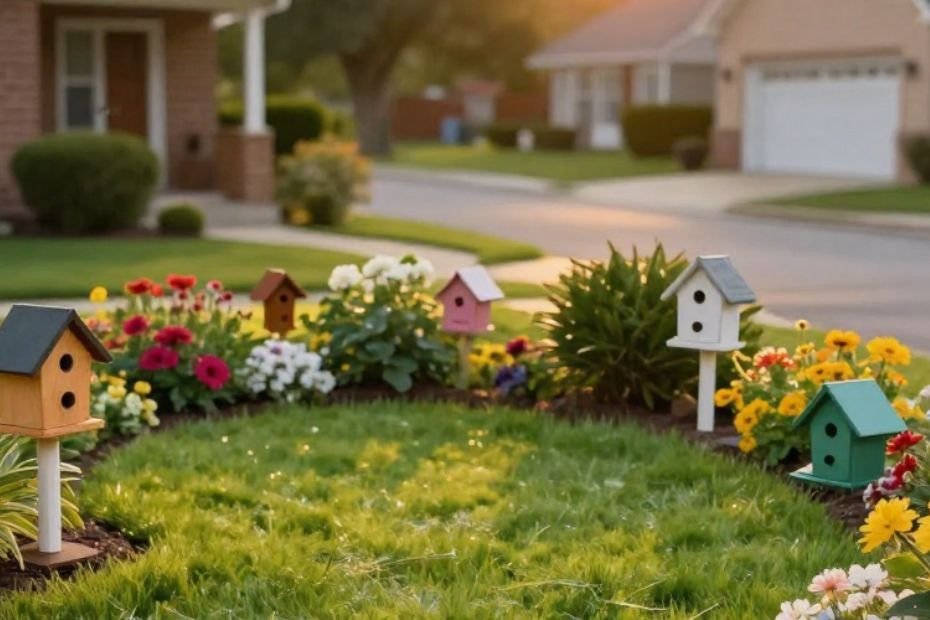
Most small front gardens measure just 4’x8′ to 6’x12′—barely enough room for a path and a few plants.
Yet with thoughtful layout, low-maintenance plantings, and clear structure, even the tiniest yard can create a welcoming entry that feels intentional, not cluttered. The key is working with your home’s architecture, not against it, and choosing plants that thrive with minimal care.
Forget trying to fit flower beds, shrubs, and lawn into a postage stamp. These 10 ideas focus on simplicity, year-round structure, and clean lines so your front garden enhances your home—not competes with it.
Why Less Works Better in Small Front Yards
Clear path is essential: A defined walkway (at least 36″ wide) ensures safe, easy access to your door.
Evergreens provide backbone: They add structure in winter when perennials fade.
Low maintenance is non-negotiable: Small spaces show every weed, so choose tough, slow-growing plants.
Scale matters: Dwarf shrubs and compact perennials prevent overcrowding in tight sightlines.
10 Small Front Garden Design Ideas That Maximize Curb Appeal Without Overcrowding
All concepts work in gardens as narrow as 4 feet wide and suit standard suburban or urban homes.
1. Straight Gravel Path with Flanking Grasses
Install a 36″-wide decomposed granite or gravel path centered to your front door, flanked by low clumps of blue fescue or carex.
This clean layout creates rhythm and movement while requiring almost no upkeep—just occasional raking and weeding.
2. Symmetrical Planters Flanking the Entry
Place two matching planters (18″–24″ diameter) on either side of your front door filled with evergreen shrubs like boxwood or dwarf holly.
Use the same pot style and plant variety for balance, and skip seasonal flowers to maintain year-round structure.
3. Low Boxwood Hedge Along Walkway Edge
Plant a continuous row of ‘Sprinter’ or ‘North Star’ boxwood (18″–24″ tall) along one or both sides of your path for clean definition.
These compact varieties grow slowly, resist disease, and need pruning only once a year—ideal for small spaces.
4. Single Ornamental Tree as Focal Point
Add one small tree—like a Japanese maple, serviceberry, or dwarf river birch—offset to one side of the yard to draw the eye without blocking views.
Choose a specimen under 15′ tall at maturity to avoid overwhelming the house or interfering with gutters.
5. Ground Cover Instead of Lawn
Replace grass with low-growing ground covers like creeping thyme, sedum, or mondo grass that tolerate light foot traffic and drought.
These require no mowing, stay green year-round in mild climates, and fill space between pavers or along borders.
6. Tiered Planting: Tall Back, Short Front
Arrange plants in layers: upright grasses or dwarf conifers in back, medium perennials in middle, and trailing ground cover in front.
This creates depth in shallow beds and ensures every plant gets light—no smothering or leggy growth.
7. Potted Evergreens for Renters or Patios
Use large containers (20″+) filled with juniper, dwarf pine, or olive trees to add greenery without permanent planting.
Group two or three pots near the entry, and swap seasonal accents (like spring bulbs) in smaller pots in front.
8. Native Perennials for Low Water and Care
Plant regionally native species like coneflowers, black-eyed Susans, or yarrow that attract pollinators and thrive on rainfall alone.
They die back cleanly in winter and return reliably each spring—no replanting or fuss required.
9. Clean Edging with Metal or Stone
Define beds with steel, aluminum, or natural stone edging to keep mulch in place and lawn from creeping into planting zones.
Sharp edges make even small gardens look intentional and well-kept, especially when viewed from the street.
10. Minimal Mulch in Neutral Tone
Use shredded hardwood, pine fines, or gravel in a consistent neutral tone—never dyed red or black—to unify plantings and suppress weeds.
Keep mulch layer to 2″–3″ deep to avoid suffocating roots or creating habitat for pests.
Common Mistakes and Fixes
- Overplanting for instant fullness
Fix: Space plants for their mature size. Crowding leads to disease, poor air flow, and constant pruning.
- Using high-maintenance annuals
Fix: Limit annuals to one small pot by the door. Rely on perennials and evergreens for the main garden.
- Ignoring sightlines to windows
Fix: Keep plantings under 3′ tall near windows so you don’t block light or views from inside.
- Skipping drainage planning
Fix: Avoid planting directly against the foundation. Leave 6″–12″ of gravel or mulch for airflow and water runoff.
- Mixing too many styles
Fix: Stick to one aesthetic—cottage, modern, or woodland—and repeat materials (stone, wood, metal) for cohesion.
Design for Welcome, Not Wow
A great small front garden doesn’t shout—it invites. It says “home” through order, care, and quiet beauty. Start with a clear path, add structure with evergreens, and let the rest grow slowly.
Have you designed a small front garden? Did you go for boxwood hedges, gravel paths, or potted evergreens?
Share your approach in the comments—we’d love to hear how you’ve made your tiny yard feel like a true welcome mat.