Classic Small Japanese Garden Ideas for Timeless Outdoor Beauty

There’s something about Japanese gardens that just makes you breathe slower. The simplicity, the careful placement of every stone, the way water and plants work together—it’s like stepping into a different headspace. And here’s what people don’t realize: you don’t need acres of land to create that feeling. Some of the most beautiful Japanese gardens are tiny courtyard spaces.
Small Japanese garden ideas embrace minimalism and intentional design creating peaceful spaces through careful element selection. The philosophy values quality over quantity and symbolic meaning over size. It’s about creating harmony and balance in whatever space you have, even if that’s just a corner of your backyard.
We’re covering 9 small Japanese garden ideas that work in compact yards, courtyards, and even balconies. These aren’t expensive installations requiring landscape architects—they’re thoughtful approaches using traditional elements adapted for modern small spaces. And honestly? The restraint required by small spaces actually aligns perfectly with Japanese garden principles.
What Makes Small Japanese Gardens Work
- Less Is Genuinely More: Every element serves a purpose and holds meaning rather than filling space. It’s editing ruthlessly keeping only what matters. The minimalist approach creates calm instead of visual noise.
- Asymmetry Creates Natural Balance: Japanese gardens avoid formal symmetry instead using odd numbers and irregular placement mimicking nature. It’s designing for organic harmony rather than mirror-image perfection. The natural arrangement feels more peaceful than rigid formality.
- Symbolism Adds Depth: Rocks represent mountains, gravel suggests water, pruned plants symbolize ancient trees. It’s creating entire landscapes in miniature through representation. The symbolic elements make small gardens feel expansive through imagination.
- Layering Creates Dimension: Foreground, middle ground, and background elements create depth even in shallow spaces. It’s using perspective making small areas feel larger. The thoughtful layering guides eyes through the entire space.
9 Small Japanese Garden Ideas
Create a tranquil retreat with these small Japanese garden ideas that bring zen principles to compact outdoor spaces.
Create a Dry Rock Garden
Design a miniature dry landscape using gravel or sand raked into patterns representing water. The contemplative space requires minimal maintenance while providing maximum serenity. It’s the essence of Japanese garden philosophy in the simplest form.
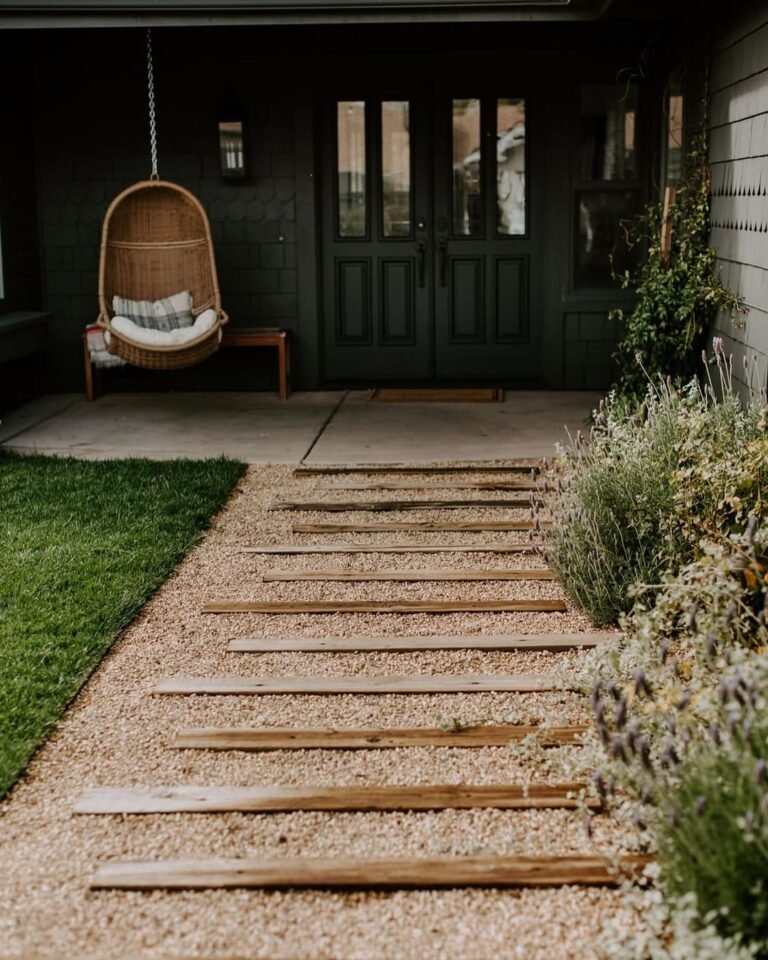
Edge with rocks or timber and rake gravel into wave patterns around larger accent stones. Include just 1-3 rocks in odd-numbered groupings. This small Japanese garden idea costs $100-200 for materials and creates a genuine meditation space in maybe 50 square feet.
Add a Bamboo Water Feature
Install a simple bamboo fountain where water fills and tips creating the characteristic “shishi-odoshi” sound. The gentle splash adds movement and sound to still gardens. It’s bringing that authentic element that immediately says “Japanese garden.”
Use a small recirculating pump and bamboo fountain kit available online. Position near seating areas where you’ll hear it. This small Japanese garden idea runs $80-200 for a complete kit and adds peaceful water sounds without requiring a pond.
Include a Stepping Stone Path
Lay irregular stepping stones in offset pattern creating a meandering path through the space. The deliberate placement slows movement encouraging mindful walking. It’s designing the journey as part of the experience.
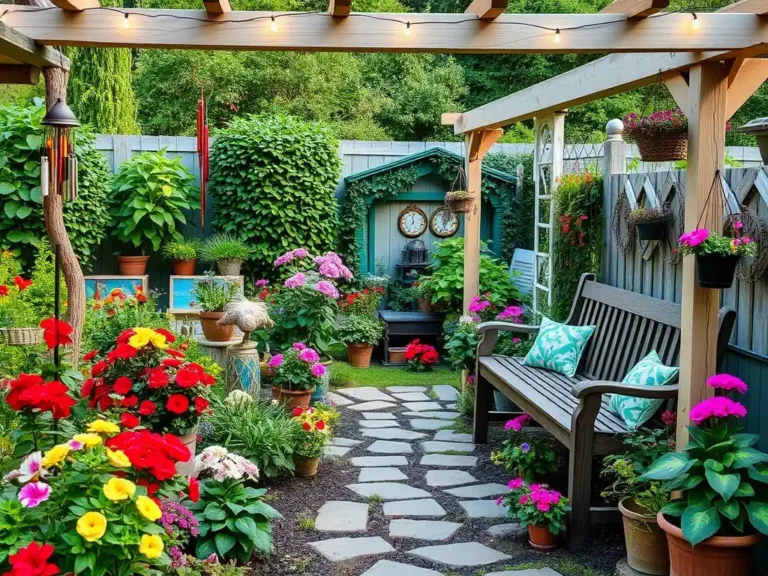
Use flat natural stones 12-18 inches across spacing them for comfortable stride length. Surround with moss or ground cover. This small Japanese garden idea costs $3-8 per stone and creates authentic garden circulation in minimal space.
Plant a Japanese Maple
Include one small Japanese maple as a focal point providing seasonal interest and classic Japanese garden character. The elegant tree anchors the space without overwhelming it. It’s the signature plant that defines the style immediately.
Choose dwarf varieties staying under 8 feet tall for small spaces. Plant in a prominent spot where you’ll see it from inside. This small Japanese garden idea costs $50-150 for a quality specimen that becomes the garden’s heart.
Add a Stone Lantern
Position a traditional stone or concrete lantern providing vertical interest and cultural authenticity. The sculptural element adds height and serves as a focal point. It’s decoration that’s also functional if you add a solar light inside.
Place lanterns near water features or along paths following traditional placement. Choose styles matching your garden’s scale. This small Japanese garden idea runs $100-400 depending on size and material creating instant Japanese garden credibility.
Create a Moss Garden
Grow moss as ground cover creating soft green carpet requiring minimal maintenance. The velvety texture adds tranquility and works beautifully in shady areas. It’s the ultimate low-maintenance Japanese garden element.
Keep shaded areas consistently moist encouraging moss growth or transplant moss from elsewhere in your yard. Avoid foot traffic preserving the delicate surface. This small Japanese garden idea costs almost nothing if propagating existing moss and creates authentic Japanese atmosphere.
Use Pruned Evergreens
Include small evergreens pruned in traditional cloud-pruning or niwaki style creating living sculpture. The shaped plants add artistry and year-round structure. It’s gardening as meditation through careful pruning.
Start with boxwood, juniper, or pine and gradually shape over time. Research proper techniques or hire someone experienced. This small Japanese garden idea costs $30-80 for starter plants and requires ongoing pruning creating long-term garden interest.
Add a Simple Wooden Bridge
Install a small arched or flat wooden bridge over a dry stream bed or low plantings. The traditional element adds architectural interest while encouraging interaction with the garden. It’s creating a journey element in limited space.
Build or buy pre-made bridges scaled to your space—even 3-4 feet long works in small gardens. Stain naturally or paint red for traditional accent. This small Japanese garden idea costs $100-300 and creates genuine destination points.
Include a Gravel Path With Border
Edge pathways with bamboo or stone borders containing gravel creating clean transitions. The defined edges maintain order while contrasting textures add visual interest. It’s using simple materials creating sophisticated results.
Install edging first then fill with pea gravel or decomposed granite. Rake regularly maintaining neat appearance. This small Japanese garden idea costs $2-4 per linear foot and creates authentic Japanese garden circulation.
Making Small Japanese Gardens Work
- Commit to Simplicity: Resist adding too many elements or colors—the restraint is the point. It’s embracing negative space as part of the design. The disciplined editing creates the peaceful feeling that makes Japanese gardens special.
- Maintain Meticulously: Japanese gardens require regular care keeping things neat and intentional. It’s viewing maintenance as meditation rather than chore. The ongoing attention keeps small gardens looking purposeful instead of neglected.
- Consider Views From Inside: Position key elements where you’ll see them from windows bringing the garden inside. It’s designing for year-round appreciation. The indoor-outdoor connection extends the garden’s impact.
- Use Odd Numbers: Group plants and rocks in 1s, 3s, 5s, or 7s following Japanese design principles. It’s creating natural asymmetrical balance. The odd groupings feel more organic than even numbers.
Frequently Asked Questions About Small Japanese Gardens
What Are Essential Japanese Garden Elements?
Water (real or symbolic through gravel), rocks or stones, evergreen plants, a focal point like a lantern or maple tree, and a path create the foundation. You don’t need all of them—even 2-3 elements thoughtfully arranged create Japanese garden feeling.
Start with what fits your space and budget adding elements over time. The gradual development actually aligns with Japanese garden philosophy where gardens evolve and mature.
Can You Create Japanese Gardens in Tiny Spaces?
Absolutely—Japanese gardens were historically small courtyard spaces. A 6×8 foot area is enough for a contemplative dry garden with rocks and gravel. Balconies work using containers with carefully pruned evergreens and bamboo.
The philosophy’s emphasis on simplicity and symbolism makes it perfect for small spaces. You’re creating a feeling and representation rather than actual landscapes.
What Plants Work Best?
Japanese maples, bamboo, evergreens like pine or juniper, hostas, ferns, mosses, and ornamental grasses all work beautifully. Choose plants with interesting form and texture rather than flashy flowers. The green palette with seasonal interest feels more authentic.
Avoid plants with large bold flowers or variegated foliage disrupting the calm aesthetic. Stick with subtle variations in green creating peaceful uniformity.
How Much Maintenance Do They Need?
More than you might think—Japanese gardens require regular raking, pruning, weeding, and attention to detail. The meticulousness is part of the practice. Budget 1-2 hours weekly for maintenance depending on size.
The upkeep can be meditative rather than tedious if you embrace it as part of the garden experience. The regular care maintains the intentional look that defines the style.
Can You Mix Japanese Style With Other Styles?
Pure Japanese gardens follow specific principles, but Japanese-inspired gardens can incorporate elements into other styles. Use Japanese maples in mixed borders, add a stone lantern to cottage gardens, or include a bamboo feature in contemporary spaces.
The hybrid approach lets you enjoy favorite elements without full commitment to traditional Japanese design. Just maintain some restraint and simplicity honoring the source aesthetic.
What Colors Should You Use?
Greens in various shades form the foundation with seasonal accents from Japanese maples or cherry blossoms. Grays from stones and gravel add neutrality. Limited red accents through bridges or lanterns provide traditional pops.
Avoid bright flower colors or busy patterns. The muted natural palette creates the calm that defines Japanese gardens. Let texture and form provide interest rather than color.
Do You Need Professional Design?
Simple Japanese-inspired gardens are totally DIY-able with research and patience. Study authentic Japanese gardens through books and photos understanding design principles. Start small and simple adding complexity as you learn.
For authentic traditional gardens following specific historical styles, professional designers with Japanese garden training help. But most homeowners creating small contemplative spaces can achieve beautiful results independently.
Creating Your Peaceful Space
Small Japanese garden ideas prove that tranquil, meaningful outdoor spaces don’t require large properties or enormous budgets. The intentional use of traditional elements, commitment to simplicity, and thoughtful arrangement creates gardens that provide meditation and beauty regardless of size.
Start with one or two key elements matching your space and budget—perhaps a Japanese maple and stepping stone path. Add additional features gradually letting your garden evolve naturally. The patient approach aligns with Japanese garden philosophy while spreading costs and allowing you to learn what works in your specific space.