Small Mediterranean Garden Ideas That Create Sunny Retreats
Small Mediterranean gardens measuring 150-300 square feet require drought-tolerant plants needing 40-60% less water than traditional landscapes.
Terracotta containers measuring 12-18 inches diameter accommodate Mediterranean species while gravel mulch reduces water evaporation by 30-40% compared to bare soil.
In this guide, we’ll explore plant selections, hardscaping materials, color palettes, and layout strategies to create authentic Mediterranean gardens in compact spaces rather than attempting oversized designs that overwhelm small yards or require excessive maintenance and water.
Key points we’re exploring:
- Drought-tolerant plant selections suited to Mediterranean style
- Hardscaping materials creating authentic atmosphere
- Color schemes reflecting Mediterranean regions
- Layout configurations maximizing small spaces
- Water-wise irrigation for dry-climate plants
- Container gardening for space-limited situations
Essential Qualities of Small Mediterranean Garden
Drought-Tolerant Plants Reduce Water Needs: Lavender, rosemary, olive trees, and ornamental grasses native to Mediterranean climates survive on 40-60% less water than traditional perennials while thriving in full sun and poor soil that challenge conventional garden plants. It’s like desert adaptation where efficiency determines survival. The climate-appropriate selections deliver lush appearance through species naturally suited to hot dry conditions rather than fighting nature through constant irrigation maintaining plants inappropriate for Mediterranean climates.
Gravel and Stone Hardscaping Defines Style: Decomposed granite pathways, natural stone pavers, and gravel mulch covering 40-50% of garden area create authentic Mediterranean atmosphere while reducing maintenance, conserving moisture, and preventing mud that grass or bark mulch creates. It’s like regional architecture where materials signal place. The mineral-based approach delivers the sun-baked aesthetic that organic mulches can’t replicate while providing practical benefits through reduced watering and weeding requirements.
Terracotta Containers Add Authentic Character: Clay pots measuring 12-24 inches diameter in natural terra cotta, weathered gray, or Mediterranean blue provide portable growing space while porous material allows root breathing and excess moisture evaporation preventing the root rot that plastic containers create. It’s like traditional pottery where material serves function. The authentic containers deliver both aesthetic and horticultural benefits that modern planters sacrifice through prioritizing durability over plant health.
Warm Color Palette Reflects Region: Whites, creams, terracotta oranges, sunny yellows, and deep blues in 70-80% of hardscape and decor elements create Mediterranean atmosphere that cool grays or pastels can’t achieve through lacking the warmth that characterizes southern European landscapes. It’s like color psychology where temperature determines mood. The warm-toned approach establishes immediate regional connection that cool palettes destroy regardless of plant selection or layout accuracy.
12 Small Mediterranean Garden Ideas
Create authentic Mediterranean spaces with these small mediterranean garden ideas featuring climate-appropriate compact designs.
Gravel Courtyard Garden
Create enclosed courtyard measuring 10×12 or 12×15 feet with decomposed granite or pea gravel surface. The mineral ground cover with terracotta pots, small fountain, and seating area provides low-maintenance Mediterranean retreat. Border with stucco walls or dense hedging creating intimate enclosed feeling.
Plant lavender, rosemary, and citrus in large terracotta containers. Add small bistro table and chairs. Costs run $1,200-$3,500 for complete gravel courtyard installation. This small mediterranean garden creates private sunny retreat.
Tiered Terracotta Container Display
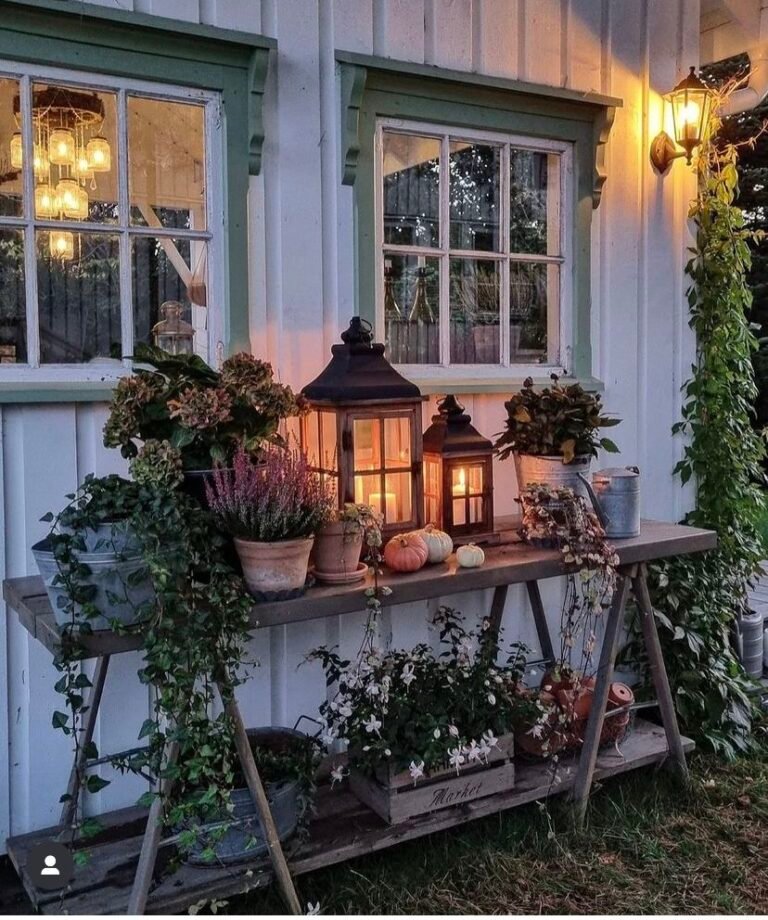
Arrange 5-7 terracotta pots in varied sizes creating tiered Mediterranean container garden. The staggered heights from 12-24 inches with drought-tolerant herbs, succulents, and flowering plants provide vertical interest in minimal footprint. Position against sunny wall or fence creating backdrop.
Plant lavender, rosemary, thyme, and trailing rosemary cascading over pot edges. Group pots in odd numbers creating natural arrangement. Expect costs $150-$400 for quality terracotta collection and plants. This small mediterranean garden works in tiny yards or patios.
Olive Tree Focal Point
Center small garden around single potted or planted olive tree measuring 4-6 feet height creating Mediterranean anchor. The silvery foliage and gnarled trunk provide instant character while tree tolerates heat, drought, and container growing. Underplant with lavender or thyme creating layered composition.
Choose dwarf or patio olive varieties suited to containers. Add gravel mulch around base. Costs range $80-$300 for quality olive tree depending on size. This small mediterranean garden establishes immediate regional identity.
Raised Herb Garden Bed
Build raised bed measuring 4×8 feet filled with Mediterranean culinary herbs. The elevated planting with excellent drainage suits herbs while stone or stucco sides add architectural interest. Fill with fast-draining soil mixture and gravel mulch.
Plant rosemary, thyme, oregano, sage, and lavender in organized rows or natural drifts. Include small terra cotta pots accent pieces. Expect costs $200-$600 for raised bed construction and planting. This small mediterranean garden combines beauty with utility.
Blue and White Color Scheme
Create Mediterranean garden using blue and white color palette through painted walls, ceramic pots, and flowering plants. The classic Greek island combination with white walls, blue pots measuring 10-16 inches, and white-flowering plants creates instant Mediterranean atmosphere. Add blue mosaic tiles as accents.
Plant white roses, white lavender, or white geraniums. Use cobalt blue glazed containers. Costs run $150-$450 for paint, pots, and plants. This small mediterranean garden delivers dramatic color impact.
Stone Pathway Garden
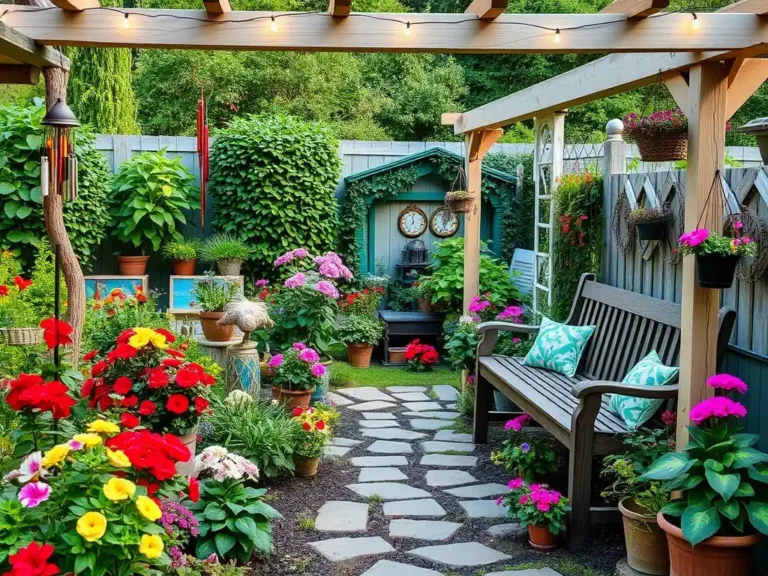
Install natural stone pathway measuring 2-3 feet wide winding through small garden with Mediterranean plantings flanking both sides. The irregular flagstone or limestone pavers with gravel joints create rustic atmosphere while path defines circulation through compact space. Plant drought-tolerant perennials in adjacent beds.
Choose local stone matching regional geology. Fill joints with decomposed granite. Expect costs $8-$18 per square foot for stone pathway installation. This small mediterranean garden creates functional beauty.
Succulent and Lavender Combination
Pair drought-tolerant succulents with lavender creating low-water Mediterranean garden. The varied textures with spiky agave or aloe measuring 12-24 inches contrasting against soft lavender mounds provide visual interest while both plant groups thrive in similar hot dry conditions. Add gravel mulch throughout.
Choose cold-hardy succulents if freezing temperatures occur. Plant lavender in drifts creating impact. Costs range $4-$10 per square foot for complete planting. This small mediterranean garden requires minimal water maintenance.
Wall Fountain Feature
Install small wall fountain with terracotta or stone surround creating Mediterranean water element. The trickling fountain measuring 18-24 inches wide provides cooling sound while small reservoir minimizes water use and space requirements. Surround with potted plants and gravel.
Choose solar or electric fountain with recirculating pump. Add Mediterranean tiles for decoration. Expect costs $150-$600 for fountain and installation. This small mediterranean garden adds sensory water element.
Citrus Container Collection
Group 3-5 dwarf citrus trees in large terracotta pots creating productive Mediterranean garden. The potted lemons, limes, or oranges measuring 4-5 feet height provide fragrant flowers, edible fruit, and evergreen structure. Position in sunniest location for best fruiting.
Use quality potting mix with excellent drainage. Fertilize regularly during growing season. Costs run $60-$150 per quality dwarf citrus tree. This small mediterranean garden delivers beauty and harvest.
Rustic Stone Planter Bed
Build low stone planter wall measuring 18-24 inches height creating raised Mediterranean planting bed. The dry-stacked or mortared natural stone with 3-4 feet width provides defined growing area while rustic construction adds character. Fill with fast-draining soil and gravel mulch.
Plant mixture of herbs, lavender, and ornamental grasses. Top wall with flat coping stones creating finished edge. Expect costs $25-$50 per square foot for stone planter construction. This small mediterranean garden creates architectural element.
Terrace Garden Levels
Create 2-3 small terraces with stone retaining walls measuring 12-18 inches height transforming sloped yard into Mediterranean hillside garden. The stepped levels with gravel paths and Mediterranean plantings maximize usable space while mimicking Mediterranean hilltown landscapes. Each terrace measures 3-5 feet depth.
Plant each level with appropriate drought-tolerant species. Include small seating area on one terrace. Costs range $20-$45 per square foot for complete terrace system. This small mediterranean garden solves slope challenges beautifully.
Mosaic Tile Accent Garden
Incorporate colorful mosaic tiles through pathway inserts, pot decorations, or small wall murals adding Mediterranean artisan detail. The hand-crafted tile work in blues, yellows, and terracottas measuring 6×6 to 12×12 inches provides focal points while small scale suits compact gardens. Combine with simple plantings preventing competing visual elements.
Use frost-proof tiles in cold climates. Install in high-visibility locations maximizing impact. Expect costs $8-$25 per square foot for mosaic tile installations. This small mediterranean garden adds artisan crafted detail.
Creating Authentic Mediterranean Gardens
Choose Regionally Appropriate Plants: Select species native to Mediterranean climates—southern Europe, California, Chile, South Africa, Australia—ensuring drought tolerance and heat adaptation. It’s like ecological gardening where origin determines success. The climate-matched selections thrive with minimal intervention versus struggling imports requiring constant care.
Limit Lawn Areas: Eliminate or minimize grass reducing water needs by 60-80% while increasing authentic Mediterranean character through stone, gravel, and planted areas. It’s like water conservation where reduction benefits both ecology and aesthetics. The lawn-free approach delivers true Mediterranean appearance that turf prevents.
Include Hardscape Generously: Balance 40-50% hardscape with 50-60% planting creating Mediterranean proportion versus American gardens typically reversing ratio emphasizing plants over stone. It’s like architectural balance where materials create authentic character. The mineral-dominated approach defines Mediterranean style distinctly.
Embrace Imperfection: Choose rustic materials, allow natural plant forms, and accept weathered patina rather than seeking manicured perfection that contradicts Mediterranean casual character. It’s like wabi-sabi philosophy where imperfection holds beauty. The relaxed approach creates authentic atmosphere that excessive control destroys.
Frequently Asked Questions About Small Mediterranean Garden
What Plants Are Essential for Mediterranean Gardens?
Lavender, rosemary, olive trees, citrus, ornamental grasses, succulents, and native Mediterranean perennials form foundation. Choose drought-tolerant species with silver or gray foliage, aromatic leaves, or succulent characteristics indicating water-wise adaptation. Avoid plants requiring regular watering or rich moist soil.
Plant selection determines authentic Mediterranean character more than any other element. The climate-appropriate choices create self-sustaining gardens requiring minimal intervention.
How Much Does Mediterranean Garden Cost?
Basic small garden costs $800-$2,000 using gravel, containers, and drought-tolerant plants. Mid-range with stone work and water features runs $2,000-$6,000. Elaborate designs with custom tilework and mature specimens reach $6,000-$15,000 for complete transformation.
Hardscape represents largest expense but provides permanent structure. The material investment creates lasting foundation that plants enhance over time.
Can You Create Mediterranean Garden in Cold Climate?
Partially—use cold-hardy lavender, rosemary varieties, ornamental grasses, and Mediterranean-style hardscape while substituting tender plants with cold-tolerant alternatives. Focus on aesthetic through materials and layout rather than authentic plant palette. Winter protection extends possibilities.
Design elements translate better than specific plants across climates. The hardscape and layout create Mediterranean atmosphere that hardy plant substitutes maintain.
What Maintenance Do Mediterranean Gardens Need?
Minimal once established—annual pruning, occasional weeding, infrequent watering during extreme drought, and periodic gravel top-dressing. Avoid overwatering or fertilizing which encourages excessive growth contradicting Mediterranean character. Most maintenance involves editing rather than intensive care.
Low maintenance represents key Mediterranean garden benefit. The drought-adapted plants thrive through neglect that would stress traditional gardens.
How Do You Water Mediterranean Gardens?
Water deeply but infrequently encouraging deep root development. Newly planted gardens need regular water first season establishing roots. Mature Mediterranean gardens often survive on rainfall alone in appropriate climates. Use drip irrigation if supplemental water needed avoiding overhead sprinklers.
Watering strategy emphasizes independence not dependence. The goal creates self-sufficient gardens requiring minimal irrigation intervention after establishment.
Cultivate Your Mediterranean Escape
Small mediterranean garden ideas create sunny drought-tolerant retreats through climate-appropriate plants and authentic materials.
Strategic hardscaping with water-wise plantings delivers low-maintenance beauty reflecting southern European character.
What Mediterranean element would transform your space? Share sunny garden priorities below!