Small Patio Privacy Ideas That Create Secluded Outdoor Rooms
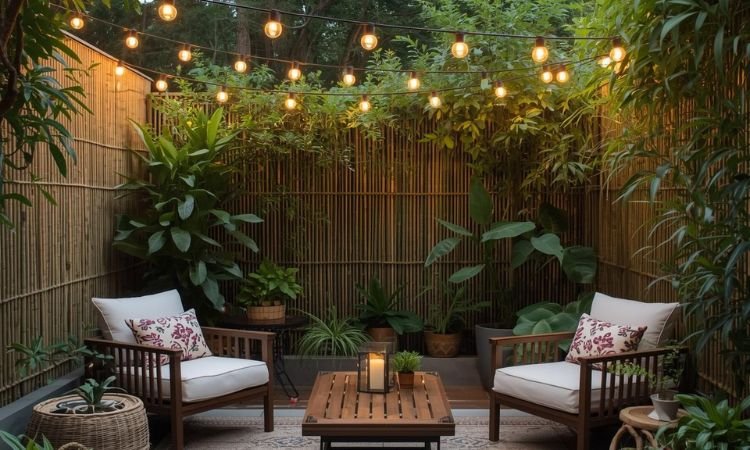
Your neighbors can see everything you do on your patio—they wave from their kitchen window while you’re trying to relax, or you make awkward eye contact every time you step outside. Most small patios sit close to other properties with zero natural screening. You want to use your outdoor space but feeling watched makes it impossible to actually relax out there.
Small patio privacy ideas create visual barriers without requiring massive construction or violating property boundaries. The right solutions block sight lines, define your space, and make you feel comfortable using your patio without constantly worrying about audience. It’s transforming exposed outdoor areas into private retreats where you can actually unwind.
We’re covering 11 small patio privacy ideas that work in tight spaces, rental situations, and close quarters with neighbors. These approaches range from quick temporary fixes to permanent solutions, budget-friendly to splurge-worthy. And honestly? Adding privacy often makes the difference between a patio you ignore and one you use daily.
Privacy Solutions for Compact Spaces
- Height Matters More Than Coverage: Blocking sight lines at eye level provides psychological privacy even with gaps at top or bottom. It’s interrupting direct views instead of building solid walls. The strategic blocking creates adequate screening.
- Layering Increases Effectiveness: Multiple semi-transparent elements work better than one solid barrier—plants plus trellis plus curtains creates depth. It’s building privacy through layers. The dimensional approach blocks views while allowing airflow.
- Boundaries Need Respect: Know property lines and rental restrictions before installing anything permanent. It’s avoiding legal and lease problems. The compliant approach prevents expensive mistakes.
- Natural Beats Artificial Usually: Living screens, wood, and fabric feel better than vinyl or metal barriers. It’s choosing materials that enhance rather than cheapen. The quality selections create pleasant privacy.
11 Small Patio Privacy Ideas
Block unwanted views with these small patio privacy ideas that create private outdoor rooms in compact exposed spaces.
Bamboo Roll-Up Shades
Mount bamboo or reed roll-up shades on railings or posts creating adjustable natural screening. The flexible material blocks views while allowing airflow and light. It’s instant privacy that rolls up when not needed.
Attach to existing railings with zip ties or hooks. Roll down for privacy, up for openness. This small patio privacy idea costs $40-100 creating adjustable natural barriers.
Outdoor Curtain Panels
Hang weather-resistant curtain panels from rods creating soft moveable privacy screens. The fabric walls add elegance while blocking sight lines. It’s indoor luxury adapted outdoors.
Use outdoor-rated fabric or canvas drop cloths. Mount rods to posts or walls with removable hardware. This small patio privacy idea costs $60-150 creating flexible flowing barriers.
Lattice Panel Screen
Install wooden or vinyl lattice panels creating decorative screens that block partial views while allowing airflow. The geometric openings provide privacy without solid walls. It’s architectural screening that breathes.
Mount panels to posts or directly to railings. Train climbing plants on lattice for living screens. This small patio privacy idea costs $50-120 per panel creating attractive structural barriers.
Tall Container Plants
Arrange tall plants in large containers creating living privacy walls. The natural screening adds beauty while blocking views. It’s mobile garden that doubles as barrier.
Use bamboo, ornamental grasses, or tall shrubs in substantial pots. Position strategically along sight lines. This small patio privacy idea costs $80-200 creating moveable living screens.
Vertical Garden Wall
Build vertical gardens using wall-mounted planters creating dense living walls that block views. The lush greenery provides privacy while adding nature. It’s space-efficient green barrier.
Use pocket planters or stacked containers filling with trailing plants and flowers. Mount to walls or fences. This small patio privacy idea costs $60-150 creating attractive planted barriers.
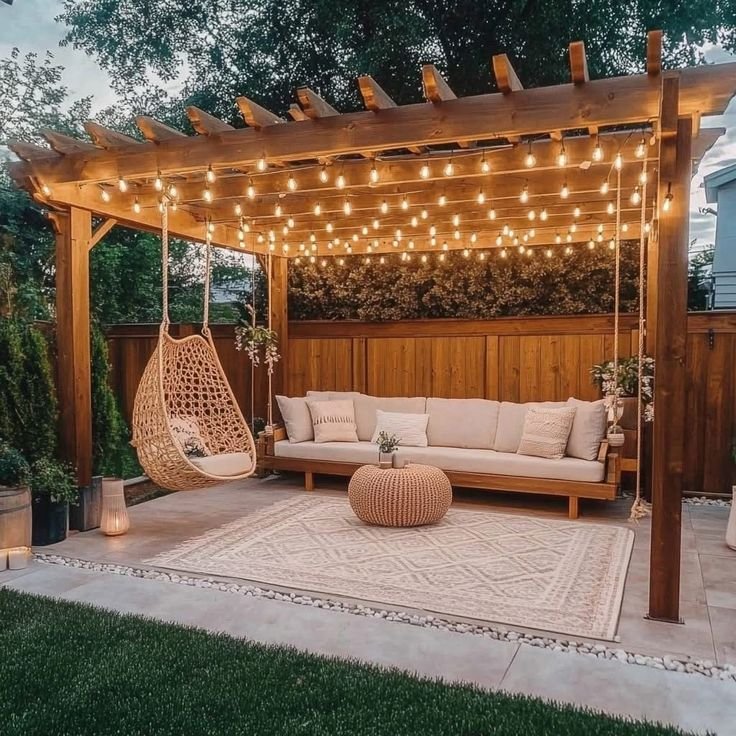
Pergola With Climbing Vines
Install small pergola or arbor structure training climbing plants overhead and on sides. The partial coverage creates filtered privacy while maintaining openness. It’s architectural framework supporting living screens.
Use fast-growing vines like clematis or morning glory. Takes time to fill in but creates beautiful results. This small patio privacy idea costs $200-500 creating permanent beautiful screening.
Frosted Glass or Acrylic Panels
Mount frosted glass or acrylic panels creating modern translucent barriers that block views while allowing light. The contemporary material provides privacy without darkness. It’s sleek screening that glows.
Attach panels to railing posts or existing structures. Clean surfaces maintain appearance. This small patio privacy idea costs $100-250 creating modern permanent barriers.
Outdoor Privacy Screen Dividers
Use freestanding folding screens positioning where privacy needed without permanent installation. The portable barriers move easily and require no mounting. It’s instant privacy going anywhere.
Choose weather-resistant materials in styles matching your decor. Fold and store when not needed. This small patio privacy idea costs $80-200 creating flexible moveable screening.
Living Wall Planter System
Install modular living wall systems with built-in planters creating dense vertical gardens. The comprehensive approach provides maximum coverage through engineered design. It’s professional-grade green screening.
Choose systems sized for your space with irrigation built in. Plant densely for full coverage. This small patio privacy idea costs $150-400 creating substantial planted barriers.
Tension Rod Shade Sails
Stretch shade cloth or canvas between tension rods creating overhead and side barriers. The taut fabric blocks views from above while providing shade. It’s modern screening through stretched material.
Use heavy-duty canvas or shade fabric in neutral colors. Tension between posts or walls. This small patio privacy idea costs $60-150 creating contemporary fabric barriers.
Corrugated Metal or Wood Panels
Install corrugated panels creating industrial or rustic solid barriers. The opaque material provides complete privacy and modern aesthetic. It’s architectural screening with total coverage.
Mount panels to posts or frames. Choose finishes matching your style—rusted metal, painted wood. This small patio privacy idea costs $80-200 creating solid permanent barriers.
Installing Privacy Without Problems
- Check Regulations First: Verify HOA rules, lease terms, and local codes before installing anything permanent. It’s avoiding violations that require removal. The advance checking saves wasted effort and money.
- Consider Neighbor Relations: Tall barriers might block their views too—communicate about plans when appropriate. It’s maintaining good relationships. The considerate approach prevents conflicts.
- Allow Air Circulation: Solid walls create dead air and heat—incorporate openings or breathable materials. It’s preventing stuffy uncomfortable patios. The airflow consideration improves comfort.
- Start Small and Build: Test temporary solutions before committing to permanent installations. It’s finding what actually works before major investment. The experimental approach prevents expensive mistakes.
Frequently Asked Questions About Small Patio Privacy
How High Should Privacy Barriers Be?
Six feet blocks most standing sight lines while eight feet prevents views from elevated positions. Lower barriers (4-5 feet) work if neighbors are level with you. The height depends on surrounding buildings and viewing angles.
Taller isn’t always better—check if increased height requires permits or violates restrictions.
What Works for Apartment Balconies?
Removable solutions like bamboo shades, curtains, or tension rod systems work best avoiding permanent installation. The portable approach respects lease terms. Many apartments allow temporary screening attached with non-damaging hardware.
Check balcony rules specifically—some buildings restrict modifications. The compliant approach prevents lease violations.
Can You Block Views Without Looking Closed In?
Yes—use lattice, climbing plants, or translucent materials providing privacy while maintaining visual openness. The semi-transparent approach blocks direct sight lines without solid walls. Strategic partial screening often provides adequate psychological privacy.
Position barriers blocking specific problem views rather than enclosing entirely. The targeted approach maintains openness.
What About Upper Floor Balconies?
Elevated balconies need overhead screening blocking views from above—shade sails, pergolas, or umbrellas help. The aerial approach addresses unique upper-floor exposure. Ground-level solutions don’t work when problem is buildings overlooking you.
Combining side and top barriers creates complete privacy on upper floors. The comprehensive approach addresses multiple viewing angles.
How Do You Handle Tight Budgets?
Canvas drop cloths hung as curtains ($15-30), bamboo fence rolls from hardware stores ($25-40), or fast-growing annual vines ($10-20) create affordable privacy. The budget approach still works effectively. DIY installation saves professional costs.
Prioritize screening most critical sight lines first expanding coverage as budget allows. The phased approach spreads costs.
Do Living Screens Work Year-Round?
Evergreen plants provide year-round screening while deciduous options lose leaves in winter. The seasonal consideration affects plant selection. Mix evergreens with faster-growing deciduous plants for immediate and lasting coverage.
In mild climates, many plants maintain foliage year-round. The climate determines which options provide consistent screening.
What’s Fastest to Install?
Bamboo shades, curtains, or freestanding screens install in under an hour requiring minimal tools. The quick solutions provide immediate privacy. Curtain rods and bamboo rolls work for urgent needs.
Living screens take weeks or months developing adequate coverage. The time consideration affects which solutions fit your timeline.
Can You Combine Multiple Solutions?
Absolutely—curtains plus plants or lattice with climbing vines creates layered privacy with visual interest. The combined approach often works better than single method. Multiple elements at different depths block views thoroughly.
Mixing materials prevents monotony while increasing effectiveness. The varied approach creates more attractive results.
Creating Your Private Outdoor Space
Small patio privacy ideas demonstrate that exposed patios become private retreats through strategic screening, living barriers, and architectural elements that block sight lines without requiring major construction. The combination of height-appropriate barriers, semi-transparent materials, and layered solutions creates comfortable outdoor rooms where you can relax without feeling watched.
Start by identifying exactly which sight lines cause problems—not every direction needs screening. Choose solutions matching your situation (rental versus owned, temporary versus permanent). Layer different elements creating depth and effectiveness. The targeted approach creates adequate privacy without over-enclosing or violating restrictions.
What’s your main privacy problem—neighbors to the side, people looking down from above, or views from all directions? I’m curious about your specific situation!