Air Purifying House Plants That Actually Clean Your Indoor Air
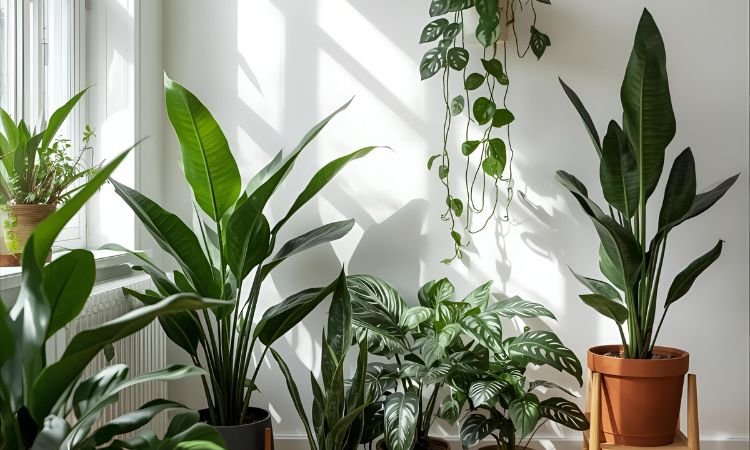
You’ve probably heard that houseplants clean the air, but then you wonder if it’s actually true or just something people say to justify buying more plants. Here’s the thing—NASA literally studied this back in the ’80s, and yeah, certain plants do filter out nasty stuff from indoor air.
Air purifying house plants work by absorbing toxins through their leaves and roots, converting them into harmless compounds. The bonus? They also pump out oxygen and add humidity to dry indoor spaces. It’s basically getting an air filter that looks good and costs way less than those fancy machines.
We’re covering 10 air purifying house plants that are proven to clean indoor air while being low-maintenance enough for real life. These aren’t finicky specialty plants—they’re varieties you can actually find at Home Depot or your local nursery. And most of them? Pretty hard to kill.
What Makes Air Purifying Plants Actually Work
- They Filter Common Indoor Toxins: Plants remove formaldehyde, benzene, and other chemicals from furniture, cleaning products, and building materials. It’s like having tiny natural air scrubbers working 24/7. The continuous filtration improves air quality gradually over time.
- Leaves Do the Heavy Lifting: Large leaf surfaces absorb more pollutants and produce more oxygen. It’s surface area that matters—bigger leaves mean better air cleaning. The foliage works constantly pulling toxins from surrounding air.
- Root Systems Help Too: Soil microbes break down pollutants that plants absorb creating a complete filtration system. It’s a team effort between plant and soil. The underground action handles toxins that don’t get processed through leaves alone.
- They Add Humidity Naturally: Plants release moisture through transpiration helping dry indoor air. It’s a humidifier that never needs refilling. The added moisture benefits your skin, sinuses, and respiratory system during winter months.
10 Air Purifying House Plants
Improve your indoor air quality naturally with these air purifying house plants that filter toxins while adding life to your space.
Snake Plant
Keep a snake plant in bedrooms or living rooms filtering formaldehyde and benzene while producing oxygen at night. The upright leaves look modern and tolerate serious neglect. It’s the plant for people who forget to water things.
Water every 2-3 weeks letting soil dry completely between waterings. Tolerates low light but grows faster in bright indirect light. This air purifying house plant costs $15-30 and basically thrives on neglect making it perfect for beginners.
Pothos
Hang pothos anywhere removing formaldehyde, xylene, and benzene from air. The trailing vines grow fast and tolerate nearly any condition. It’s that plant in every office because nothing kills it.
Water when top inch of soil feels dry and give it medium to bright indirect light. Trim long vines encouraging fuller growth. This air purifying house plant runs $10-20 and propagates easily giving you free plants to spread around your house.
Spider Plant
Place spider plants in bathrooms or kitchens absorbing carbon monoxide and xylene along with other toxins. The arching leaves and baby plantlets add visual interest. It’s almost impossible to kill which makes it great for learning plant care.
Water regularly keeping soil lightly moist and provide bright indirect light. Baby plants dangle from stems and can be propagated. This air purifying house plant costs $8-15 and multiplies itself creating an endless supply.
Peace Lily
Add peace lilies to rooms filtering ammonia, benzene, formaldehyde, and trichloroethylene from air. The white blooms and glossy leaves look elegant and sophisticated. It’s one of the few air-cleaning plants that flowers regularly indoors.
Water when leaves start drooping slightly—they’re dramatic about telling you they’re thirsty. Prefers low to medium light and actually blooms better with less light. This air purifying house plant costs $20-40 and handles lower light better than most flowering plants.
Rubber Plant
Include rubber plants removing formaldehyde while adding bold tropical vibes. The large glossy leaves pack serious air-cleaning power in compact space. It’s statement plant that actually works hard cleaning air.
Water when top inch of soil dries out and wipe leaves occasionally removing dust. Needs bright indirect light and tolerates some direct morning sun. This air purifying house plant runs $25-50 depending on size and grows impressively fast with proper care.
Dracaena
Use dracaena varieties filtering benzene, formaldehyde, trichloroethylene, and xylene from indoor air. The tall narrow form fits corners and tight spaces easily. It’s vertical drama that cleans air without hogging floor space.
Water when soil surface dries and provide medium indirect light. Some varieties feature colorful striped leaves adding visual interest. This air purifying house plant costs $20-60 based on size and comes in tons of varieties suiting different decor styles.
Boston Fern
Hang Boston ferns in humid spaces removing formaldehyde and adding serious moisture to dry air. The feathery fronds create lush fullness. It’s old-school charm that actually improves air quality measurably.
Keep soil consistently moist and mist regularly maintaining humidity—they’re fussier than others. Needs bright indirect light and cooler temperatures. This air purifying house plant runs $15-35 and works especially well in bathrooms where humidity stays higher naturally.
Aloe Vera
Keep aloe on windowsills filtering formaldehyde and benzene while giving you burn relief gel. The succulent leaves require minimal water and store healing sap. It’s the ultimate multitasker—air cleaner, medicine cabinet, and easy-care plant.
Water deeply but infrequently letting soil dry completely between waterings. Needs bright indirect to direct light thriving in sunny windows. This air purifying house plant costs $10-25 and basically wants to be ignored most of the time.
English Ivy
Trail English ivy from shelves or hanging baskets removing airborne mold particles and formaldehyde. The climbing vines grow quickly covering surfaces. It’s particularly good for people with mold allergies or respiratory issues.
Water when top inch of soil dries keeping slightly moist. Prefers cooler temperatures and bright indirect light. This air purifying house plant runs $12-20 and looks great cascading from high shelves or macrame hangers.
Bamboo Palm
Add bamboo palms filtering formaldehyde, benzene, and trichloroethylene while adding tropical flair. The full feathery fronds create living privacy screens. It’s one of the most effective air cleaners according to NASA’s studies.
Water regularly keeping soil lightly moist and provide bright indirect light. Tolerates lower light but grows slower. This air purifying house plant costs $30-80 depending on size and handles indoor conditions better than most palms.
Making Air Purifying Plants Work
- Use Multiple Plants for Best Results: One plant helps but NASA recommends one plant per 100 square feet for noticeable air improvement. It’s about volume where more plants equal cleaner air. The multiple plants work together creating measurable filtration.
- Keep Leaves Clean: Dust blocks pores reducing air-cleaning ability so wipe leaves monthly. It’s basic maintenance that keeps plants working efficiently. The clean surfaces absorb toxins better and look nicer too.
- Choose Plants for Specific Rooms: Match plants to room conditions—peace lilies for low-light bathrooms, aloe for sunny kitchens. It’s working with your space instead of fighting it. The right plant in the right spot thrives while cleaning air effectively.
- Don’t Overwater: Most houseplants die from too much water not too little. It’s being patient and checking soil before watering automatically. The proper watering keeps plants healthy enough to actually filter air instead of just surviving.
Frequently Asked Questions About Air Purifying House Plants
Do Air Purifying Plants Really Work?
Yes—NASA’s Clean Air Study proved certain plants remove specific toxins from indoor air. But let’s be real, you’d need a lot of plants for dramatic results. One or two help but won’t replace actual air purifiers in heavily polluted spaces.
The benefits are cumulative—more plants mean better filtration. Even small improvements in air quality add up over time. Think of them as supplemental filtration that also looks good and adds life to your space.
How Many Plants Do You Need?
NASA recommends one plant per 100 square feet for effective air cleaning. So a 1,200 square foot home would need about 12 plants. That sounds like a lot but spread across rooms it’s totally doable.
Start with a few plants in rooms where you spend most time—bedrooms, living room, home office. Add more gradually as you get comfortable with care. Even three or four plants make some difference and that’s better than none.
What Toxins Do They Remove?
Common houseplants filter formaldehyde (from furniture and carpets), benzene (from plastics and detergents), xylene (from paints), trichloroethylene (from dry cleaning), and ammonia (from cleaning products). Different plants excel at different toxins.
The toxins come from everyday items we don’t think about. New furniture off-gasses for months or years. The plants work constantly absorbing this stuff while looking pretty on your shelf.
Are They Safe for Pets?
Some air-purifying plants like snake plants, pothos, and peace lilies are toxic if pets eat them. Aloe, spider plants, and Boston ferns are pet-safe options. Check ASPCA’s website before buying if you have curious cats or dogs.
Place toxic plants out of reach or stick with pet-friendly varieties. Most pets ignore plants but some chew everything. Better safe than a vet visit for something totally preventable.
Where Should You Put Air Purifying Plants?
Place plants where you spend the most time—bedrooms, living rooms, home offices. Kitchens and bathrooms benefit from plants handling higher humidity and specific toxins. Match light requirements to available light in each room.
Don’t stick plants in corners where nobody sees them expecting results. They need light to photosynthesize and clean air effectively. The active growing plants filter air better than struggling ones barely surviving.
How Do You Care for These Plants?
Most air-purifying plants need indirect light, watering when soil partially dries, and occasional fertilizing during growing season. It’s not complicated—check soil before watering, keep them out of direct harsh sun, and don’t overthink it.
The biggest mistake is overwatering. Let soil dry somewhat between waterings. Brown tips usually mean water quality issues—let tap water sit overnight before using or switch to filtered water.
Breathing Easier at Home
Air purifying house plants offer natural filtration improving indoor air quality while adding life and beauty to your space. The proven varieties remove common toxins from furniture, cleaning products, and building materials while producing oxygen and humidity. The low-maintenance options make it easy to improve air quality without complicated systems.
Start with a few plants in high-traffic rooms and add more as you get comfortable with care. Choose varieties suited to your specific light conditions and lifestyle. The gradual approach creates healthier indoor air while filling your home with living beauty that actually serves a purpose.
Which plant are you most excited to try? I’d love to know if you’re going for easy-care snake plants or something more dramatic!