Paver Walkway Ideas Side of House That Solve Narrow Space Challenges
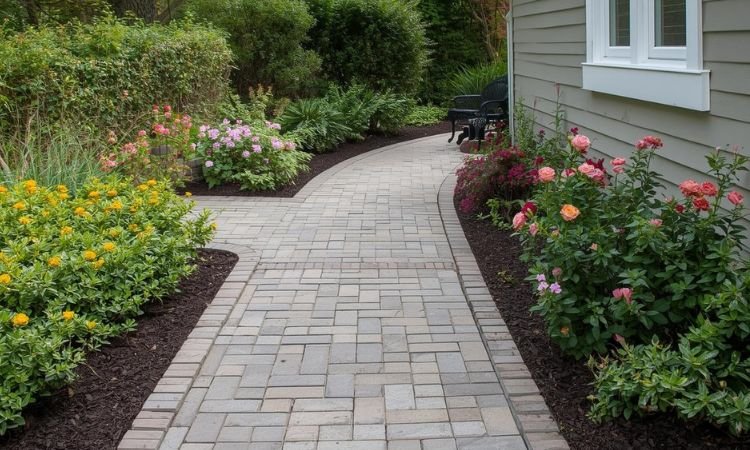
Side yard walkways averaging 36-48 inches wide require pavers measuring 12×12 or 18×18 inches maintaining proper scale.
Base preparation with 4-6 inches compacted crushed stone prevents settling affecting 55% of improperly installed walkways within 2-3 years requiring $1,200-$3,000 repairs.
In this guide, we’ll explore paver patterns, drainage solutions, edging techniques, and material selections to create functional side yard walkways handling foot traffic without becoming muddy pathways or weed-infested problem areas.
Key points we’re exploring:
- Paver sizing appropriate for narrow spaces
- Base preparation preventing settling and drainage issues
- Pattern selections maximizing visual interest
- Edging solutions containing pavers long-term
- Material choices balancing cost with durability
- Drainage provisions preventing water problems
Essential Qualities of Paver Walkway Side of House
Adequate Base Preparation Prevents Settling: Proper excavation removing 8-10 inches depth, compacted crushed stone base measuring 4-6 inches, and 1-2 inch sand leveling layer prevent the uneven settling, sunken spots, and trip hazards that 55% of DIY walkways develop within 2-3 years from inadequate foundation work. It’s like building foundations where unseen work determines surface stability. The base investment costing $3-$6 per square foot prevents the $15-$25 per square foot complete reconstruction that settled walkways require after failure makes repairs insufficient.
Proper Edging Prevents Paver Migration: Commercial-grade plastic, aluminum, or concrete edging anchored with 10-12 inch spikes every 12-18 inches contains pavers preventing the spreading, gaps, and weeds that unedged or poorly secured borders allow within 12-24 months. It’s like picture frames where borders define boundaries. The edging investment adds $4-$8 per linear foot but prevents the gradual paver movement that creates maintenance nightmares requiring constant re-leveling and gap filling.
Strategic Drainage Prevents Water Accumulation: Sloping walkways 1-2% away from house foundation plus permeable paver joints or drainage channels prevent the standing water, foundation moisture, and erosion that improper drainage creates costing $2,000-$6,000 in foundation or landscape repairs. It’s like site engineering where water management protects structures. The drainage planning prevents problems that appear suddenly after years of gradual damage accumulation reaching critical failure point.
Appropriate Width Maintains Functionality: Minimum 36-inch width allows comfortable single-file passage while 42-48 inches enables two people passing or wheelbarrow access that narrower paths prevent through inadequate clearance. It’s like hallway design where dimensions determine usability. The proper width prevents the frustration and landscape damage that too-narrow paths create forcing stepping into adjacent beds during passage.
10 Paver Walkway Ideas Side of House
Create functional attractive side yards with these paver walkway ideas featuring solutions for narrow spaces.
Running Bond Pattern
Install rectangular pavers measuring 12×18 or 18×24 inches in running bond pattern—each paver offset by half-length creating brick-like appearance. The simple pattern minimizes waste while creating clean linear design suited to narrow side yards. Use lighter colored pavers brightening typically shaded areas.
Include header course along edges creating finished border. Maintain consistent 1/8 inch joints between pavers. Costs run $8-$15 per square foot installed. This paver walkway side of house delivers classic economical design.
Stepping Stone Path
Space large pavers measuring 18×18 or 24×24 inches at 18-24 inch intervals creating informal stepping stone walkway. The spaced design with ground cover or gravel between stones reduces material costs while maintaining casual aesthetic. Position stones accounting for natural stride length.
Plant creeping thyme or sedum between stones adding greenery. Ensure level stone placement preventing rocking or tipping. Expect costs $6-$12 per square foot installed. This paver walkway side of house provides budget-friendly casual solution.
Herringbone Design
Arrange rectangular pavers in 45-degree herringbone pattern creating visual interest in narrow spaces. The interlocking design with pavers meeting at angles provides structural stability while dynamic pattern adds sophistication. Requires more cutting along borders increasing installation complexity.
Use contrasting border pavers framing herringbone field. Maintain tight joints ensuring pattern clarity. Costs range $12-$20 per square foot installed. This paver walkway side of house creates premium detailed appearance.
Permeable Paver System
Install permeable pavers with wide joints filled with pea gravel or aggregate allowing water infiltration. The drainage-focused design measuring 12×12 inches with 1/2 inch joints prevents runoff while reducing drainage infrastructure needs. Include aggregate base maximizing permeability.
Choose pavers specifically designed for permeable applications. Fill joints with open-graded stone maintaining drainage capacity. Expect costs $10-$18 per square foot installed. This paver walkway side of house solves drainage challenges environmentally.
Mixed Material Combination
Combine pavers with decorative gravel or crushed stone creating varied texture pathway. The mixed design with paver strips measuring 12-18 inches wide flanking central gravel section reduces material costs while adding visual interest. Include edging separating materials cleanly.
Choose complementary colors between pavers and aggregate. Maintain defined borders preventing material mixing. Costs run $7-$14 per square foot installed. This paver walkway side of house balances economy with aesthetics.
Basket Weave Pattern
Arrange square pavers measuring 12×12 inches in basket weave pattern creating textured traditional appearance. The perpendicular pairs creating woven look add visual interest to narrow spaces while simple geometry suits DIY installation. Works best with uniform square pavers.
Include soldier course border framing basket weave field. Ensure precise 90-degree paver placement maintaining pattern integrity. Expect costs $10-$16 per square foot installed. This paver walkway side of house delivers classic cottage aesthetic.
Linear Narrow Format
Use narrow pavers measuring 4×12 or 6×18 inches running parallel to walkway length creating elongating visual effect. The linear pattern makes narrow side yards feel less confined while consistent direction guides movement naturally. Minimize pattern variation keeping design simple.
Choose lighter colors enhancing brightness in shaded locations. Maintain consistent joint spacing for clean appearance. Costs range $9-$15 per square foot installed. This paver walkway side of house maximizes narrow space perception.
Flagstone Style Pavers
Install irregular flagstone-pattern concrete pavers measuring varied sizes creating natural stone appearance economically. The random pattern with pieces ranging 12-24 inches provides organic look while concrete material costs less than natural stone. Fit pieces together minimizing joint widths.
Fill joints with polymeric sand preventing weed growth. Choose earth-tone colors mimicking natural stone. Expect costs $8-$14 per square foot installed. This paver walkway side of house achieves stone look affordably.
Bordered Accent Design
Create simple pathway with basic paver field plus contrasting border defining edges. The two-color design with 18×18 inch field pavers and 6-inch contrasting border adds visual interest through color variation. Choose complementary or contrasting border colors.
Ensure level transition between field and border preventing trip hazards. Maintain consistent border width throughout length. Costs run $10-$17 per square foot installed. This paver walkway side of house adds sophistication through simple detail.
Curved Path Layout
Design gentle curves rather than straight walkway creating visual interest in long narrow side yards. The curved alignment with flexible edging following contours adds grace while breaking up corridor-like appearance straight paths create. Use smaller pavers accommodating curves easier.
Stake curved layout before excavation ensuring pleasing proportions. Include extra edging material for curved sections. Expect costs $11-$18 per square foot installed. This paver walkway side of house transforms narrow space through design.
Installing Side Yard Pavers Successfully
Excavate Proper Depth: Remove 8-10 inches depth accommodating 4-6 inch base, 1-2 inch sand layer, plus paver thickness ensuring finished height matching adjacent grades. It’s like foundation preparation where depth determines stability. The adequate excavation prevents the drainage and settling issues that shallow preparation causes.
Compact in Layers: Compact base material in 2-3 inch lifts rather than full depth at once ensuring proper density throughout base preventing settling. It’s like proper compaction where technique determines results. The layered approach creates stable foundation that single-pass compaction can’t achieve.
Slope Away from House: Maintain 1-2% slope directing water away from foundation preventing moisture infiltration and drainage problems. It’s like site grading where slope protects structures. The proper drainage prevents the foundation damage that improper grading allows over time.
Use Quality Materials: Invest in commercial-grade base, edging, and jointing materials rather than economy options that fail prematurely requiring replacement. It’s like quality components where specifications determine performance. The material investment prevents the failures that cheap alternatives guarantee despite initial savings.
Frequently Asked Questions About Paver Walkway Side of House
How Wide Should Side Yard Walkway Be?
Minimum 36 inches allows comfortable single passage. Optimal 42-48 inches enables two people passing or wheelbarrow access. Wider paths work if space permits but narrow side yards often limit to 36-42 inches maximum maintaining adequate planting beds or clearances.
Space constraints determine maximum width while functionality determines minimum. The balance creates useful paths without consuming entire side yard area.
Can You Install Pavers Over Concrete?
Yes—overlay existing concrete with pavers if slab relatively level and properly draining. Add thin sand bed or mortar bed depending on application. Existing concrete must have adequate slope and no major cracks or settling issues requiring repair first.
Concrete overlay simplifies installation but limits drainage improvements. The approach works best when existing concrete structurally sound with only aesthetic concerns.
What Base Material Works Best?
Crushed angular stone like 3/4-inch crushed rock compacts better than round pea gravel creating stable base. Avoid sand-only bases that shift and settle. Some installers use crusher run or road base combining varied stone sizes creating dense compacted base.
Angular crushed stone interlocks when compacted creating stable foundation. The material selection significantly affects long-term stability and drainage performance.
How Do You Prevent Weeds?
Install landscape fabric beneath base, use polymeric sand in joints, maintain tight joint spacing under 1/4 inch, and edge properly containing pavers. Regular sweeping and occasional re-sanding maintains weed prevention. Consider periodic application of organic weed prevention in joints.
Multiple prevention layers work better than single method. The comprehensive approach minimizes maintenance versus relying on single weed control technique.
What’s Installation Cost Range?
DIY material costs run $3-$8 per square foot for pavers plus base materials. Professional installation totals $10-$25 per square foot depending on pattern complexity, site access, and material quality. Typical 4×30 foot side yard walkway costs $1,200-$3,000 professionally installed.
Complexity and materials significantly affect pricing. The investment creates permanent improvement adding utility and value versus temporary solutions requiring frequent replacement.
Build Your Lasting Side Yard Path
Paver walkway side of house solutions transform narrow spaces through proper base preparation and thoughtful design. Quality materials with strategic drainage create functional paths withstanding years of use.
What side yard challenge needs solving in your space? Share your walkway priorities below!