21 Japanese Front Garden Ideas for a Tranquil Entryway
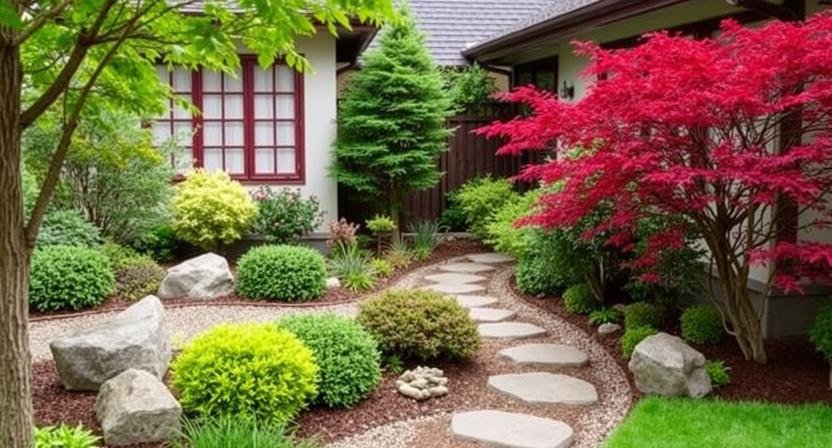
Creating a japanese front garden transforms your home’s entry into a serene retreat. This style emphasizes natural elements, asymmetry, and quiet beauty to welcome guests and residents alike.
A well-planned japanese front garden balances stone, water, and plants to evoke a sense of peace. Whether you have a small porch or a sprawling yard, these ideas offer inspiration for your own sanctuary.
Understanding the japanese front garden Aesthetic
Key principles for designing your tranquil entry space.
- Embrace Asymmetry: Avoid perfect symmetry to mimic nature’s organic flow.
- Use Natural Materials: Incorporate stone, gravel, wood, and bamboo for authenticity.
- Include Water Elements: A small basin or fountain adds soothing sound and movement.
- Choose Evergreens: Select plants like pine or juniper for year-round structure.
- Add a Lantern: A stone lantern provides a focal point and warm lighting.
- Create a Path: Stepping stones guide visitors through the garden mindfully.
- Incorporate Moss: Moss adds a soft, aged texture to stones and ground.
- Limit Color Palette: Stick to greens, grays, and browns for a calm effect.
1. Imagine a japanese front garden with a Curved Gravel Path
Imagine a japanese front garden where a gently curving gravel path leads the eye toward the entrance. This design uses raked white gravel to mimic flowing water, creating a meditative journey for visitors.
The path is bordered by low evergreen shrubs and a single stone lantern. This japanese front garden feels both welcoming and deeply calming.
2. Picture a japanese front garden with a Bamboo Fence Entry
Picture a japanese front garden enclosed by a natural bamboo fence that filters light and adds texture. The fence provides privacy while maintaining an open, airy feel.
Climbing vines and ferns soften the bamboo structure. This japanese front garden feels like a hidden retreat from the outside world.
3. Discover a japanese front garden with a Stone Basin Feature
Discover a japanese front garden centered around a traditional stone water basin, or tsukubai. The basin is set low to encourage mindful hand washing before entering the home.
Surrounding moss and a bamboo water spout enhance the rustic charm. This japanese front garden invites quiet reflection at the doorstep.
4. Consider a japanese front garden with a Stepping Stone Path
Consider a japanese front garden where irregular stepping stones create a deliberate path through the landscape. Each stone is placed at a natural interval to slow the pace of movement.
Low ground covers like creeping thyme fill the gaps between stones. This japanese front garden emphasizes the journey as much as the destination.
5. Anchor a japanese front garden with a Large Ornamental Stone
Anchor a japanese front garden with a single, large upright stone as a focal point. This stone represents a mountain or island, providing visual weight and stability.
Place it among raked gravel and a few dwarf evergreens. This japanese front garden achieves a powerful sense of balance and permanence.
6. Layer a japanese front garden with Evergreen Shrubs and Ferns
Layer a japanese front garden with a mix of evergreen shrubs, ferns, and moss for rich texture. This planting scheme provides year-round interest and a lush, green backdrop.
Use different leaf shapes and heights to create depth. This japanese front garden feels like a miniature woodland glade.
7. Build a japanese front garden around a Small Koi Pond
Build a japanese front garden that features a small koi pond near the entry. The water adds life, movement, and a reflective surface that brightens the space.
Surround the pond with water-loving plants and a curved bridge. This japanese front garden becomes a living art piece.
8. Bring a japanese front garden to Life with a Stone Lantern
Bring a japanese front garden to life by placing a traditional stone lantern near the path. The lantern provides a warm glow at night and a sculptural element during the day.
Position it among low shrubs or moss for a natural look. This japanese front garden gains a timeless, ceremonial quality.
9. Transform a japanese front garden with a Moss Carpet
Transform a japanese front garden by replacing lawn with a lush moss carpet. Moss thrives in shade and requires little maintenance while offering a soft, green surface.
Combine moss with stepping stones and a small bench. This japanese front garden feels ancient and peaceful.
10. Frame a japanese front garden with a Simple Wooden Gate
Frame a japanese front garden with a low wooden gate that marks the transition from street to sanctuary. The gate should be simple, using natural wood tones.
Train a wisteria or climbing rose over the gate. This japanese front garden creates a clear, inviting entry point.
11. Explore a japanese front garden with a Dry Stream Bed
Explore a japanese front garden that uses a dry stream bed of pebbles and larger stones. This design element suggests a flowing river and helps with drainage.
Add a few river-washed boulders and ornamental grasses. This japanese front garden brings the feeling of a mountain landscape.
12. Shape a japanese front garden with Pruned Pine Trees
Shape a japanese front garden by incorporating carefully pruned pine trees, or niwaki. These sculpted trees add structure and an aged, windswept appearance.
Place a single pine as a specimen near the entrance. This japanese front garden gains vertical interest and artistic form.
13. Define a japanese front garden with a Low Stone Wall
Define a japanese front garden with a low, dry-stacked stone wall that borders the property. The wall uses natural stone in earthy tones for a rustic feel.
Allow moss to grow between the stones over time. This japanese front garden feels grounded and connected to the earth.
14. Introduce a japanese front garden with a Bamboo Water Feature
Introduce a japanese front garden with a bamboo water feature, or shishi-odoshi. The gentle clacking sound of bamboo hitting stone adds a unique auditory element.
Place it near the entry to greet visitors with sound. This japanese front garden engages multiple senses at once.
15. Suspend a japanese front garden with a Hanging Wisteria Arbor
Suspend a japanese front garden by adding a wooden arbor draped with wisteria vines. The cascading purple flowers create a dramatic, fragrant canopy over the path.
Use a simple, sturdy structure to support the vine. This japanese front garden offers seasonal color and shade.
16. Ground a japanese front garden with a Large Flat Stepping Stone
Ground a japanese front garden by using a single, large flat stone as a landing pad at the entry. This stone provides a solid, welcoming spot to pause before entering.
Surround it with fine gravel and a few small ferns. This japanese front garden emphasizes simplicity and function.
17. Position a japanese front garden with a Sitting Stone and Bench
Position a japanese front garden with a low sitting stone and a wooden bench for contemplation. This creates a small seating area where one can enjoy the garden.
Place the bench under a canopy of evergreens for shade. This japanese front garden encourages quiet moments of rest.
18. Fill a japanese front garden with Dwarf Bamboo and Hostas
Fill a japanese front garden with a dense understory of dwarf bamboo and hosta plants. The bamboo adds vertical texture while hostas offer broad, lush leaves.
Use a variety of green shades for visual depth. This japanese front garden feels full and vibrant without being cluttered.
19. Place a japanese front garden with a Single Cherry Tree
Place a japanese front garden with a single flowering cherry tree as a seasonal highlight. The blossoms in spring create a stunning display of delicate pink flowers.
Underplant the tree with moss and small ferns. This japanese front garden celebrates the changing seasons.
20. Craft a japanese front garden with a Gravel and Stone Pattern
Craft a japanese front garden by raking fine gravel into a wave pattern around large stones. This technique mimics the movement of water in a dry landscape.
Use a wooden rake to maintain the pattern regularly. This japanese front garden becomes a meditative exercise in itself.
21. Draw a japanese front garden with a Curved Wooden Bridge
Draw a japanese front garden that includes a small curved wooden bridge over a dry stream bed. The bridge adds a classic Japanese garden element and visual interest.
Paint the bridge a subtle red or leave it natural. This japanese front garden invites exploration and wonder.
Frequently Asked Questions
Q. What is the most important element in a japanese front garden?
Ans. The most important element in a japanese front garden is natural stone, which provides structure and grounding for the entire design.
Q. Can I create a japanese front garden on a small budget?
Ans. Yes, you can create a japanese front garden on a budget by using local stones and simple gravel instead of expensive water features.
Q. How much maintenance does a japanese front garden require?
Ans. A japanese front garden requires moderate maintenance, including raking gravel, pruning evergreens, and weeding moss beds regularly.
Conclusion
Designing a japanese front garden is about creating a space that feels calm, balanced, and connected to nature. By using natural materials and thoughtful placement, you can transform your entryway into a peaceful sanctuary.
Whether you choose a simple gravel path or a full koi pond, each element contributes to the serene atmosphere. Start small, focus on quality, and let your japanese front garden evolve over time.