26 Serene Japanese Garden Path Ideas for a Tranquil Outdoor Space
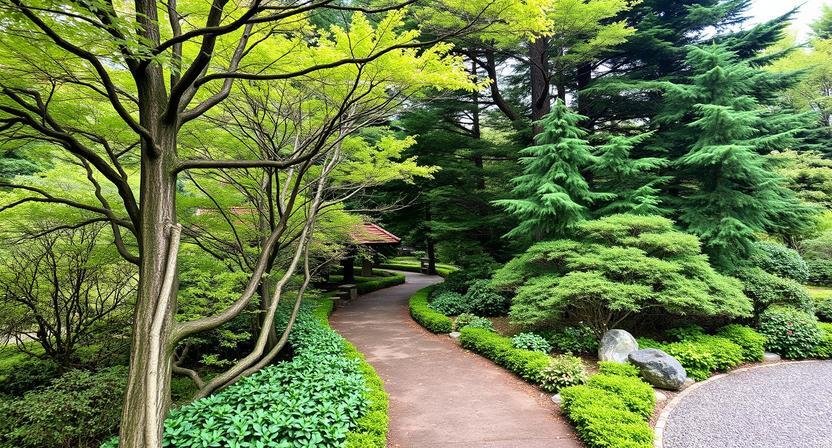
A well-designed japanese garden path can transform any backyard into a peaceful retreat that encourages mindfulness and relaxation. These pathways guide visitors through carefully composed landscapes, blending natural materials with intentional design for a truly meditative experience.
Whether you have a sprawling garden or a compact urban yard, incorporating a japanese garden path adds structure, beauty, and a sense of journey to your outdoor space. From traditional stepping stones to contemporary interpretations, these 26 ideas offer endless inspiration.
Designing Your Own japanese garden path: Key Elements to Consider
A thoughtful approach ensures your path becomes a harmonious part of the landscape.
- Natural Materials: Use stone, gravel, or wood to maintain an organic feel.
- Curving Lines: Soft curves create mystery and encourage slow, mindful walking.
- Balance and Asymmetry: Embrace wabi-sabi principles for an imperfect, natural look.
- Focal Points: Place a lantern, statue, or plant at turns to draw the eye.
- Ground Cover: Moss, pebbles, or low plants soften edges and add texture.
- Stepping Stone Spacing: Adjust gaps to control walking pace and rhythm.
- Integration with Nature: Let the path follow existing trees and terrain.
1. Imagine a japanese garden path Lined with Mossy Stepping Stones
Imagine a japanese garden path where irregular flagstones are nestled into a bed of lush moss, creating a soft, natural transition through shaded woodland areas. This design invites barefoot walks and quiet contemplation.
A japanese garden path like this thrives in damp, shaded spots where moss naturally flourishes, adding a timeless, ancient feel to your landscape.
2. Picture a japanese garden path with Smooth River Stone Pavers
Picture a japanese garden path made from smooth river stones set in concrete, forming a durable yet organic walkway that mimics a dry streambed. The rounded shapes create a pleasing tactile experience underfoot.
This japanese garden path works beautifully with surrounding gravel gardens and minimalist plantings, reinforcing a sense of natural flow.
3. Discover a japanese garden path Woven from Natural Bamboo
Discover a japanese garden path constructed from split bamboo poles lashed together, elevated slightly above the ground for a rustic, elevated walkway. This eco-friendly option adds a distinctly Asian aesthetic.
A bamboo japanese garden path is ideal for crossing damp areas or connecting different garden zones with a light, airy footprint.
4. Consider a japanese garden path Formed by Granite Stepping Stones
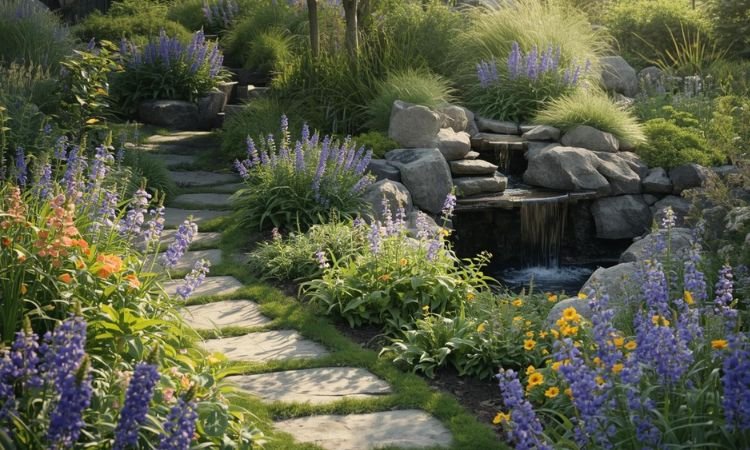
Consider a japanese garden path using large, flat granite slabs spaced generously apart, encouraging a slow, deliberate pace through a bed of white gravel. The contrast between dark stone and light gravel is striking.
This classic japanese garden path design is often found in temple gardens, symbolizing a journey toward enlightenment.
5. Anchor a japanese garden path with Recycled Brick Edging
Anchor a japanese garden path by defining its edges with weathered bricks set in a herringbone pattern, creating a structured border for a loose gravel center. This adds warmth and historical character.
Using reclaimed bricks for your japanese garden path introduces texture and a sense of age that complements traditional Japanese design.
6. Layer a japanese garden path with Pea Gravel and Accent Stones
Layer a japanese garden path with a deep bed of pea gravel punctuated by larger decorative stones and flat stepping pads for visual interest. The gravel crunches pleasantly with each step.
This low-maintenance japanese garden path allows for easy drainage and simple adjustments to the layout over time.
7. Build a japanese garden path Using Irregular Slate Tiles
Build a japanese garden path with irregularly shaped slate tiles fitted together like a puzzle, creating a mosaic effect that feels both modern and ancient. The dark tones ground the landscape.
This durable japanese garden path stands up to heavy foot traffic while maintaining an organic, handcrafted appearance.
8. Bring a japanese garden path to Life with Wooden Decking Planks
Bring a japanese garden path to life using horizontal wooden decking planks that float above the ground, offering a clean, contemporary take on traditional walkways. Cedar or ipe wood works beautifully.
A wooden japanese garden path connects seamlessly with modern architecture and provides a warm contrast to surrounding greenery.
9. Transform a japanese garden path with a Curved Gravel Sweep
Transform a japanese garden path with a broad, sweeping curve of fine gravel that disappears around a corner, enticing visitors to explore what lies beyond. This creates a sense of mystery.
This flowing japanese garden path design mimics the natural contours of the land and softens the transition between garden rooms.
10. Frame a japanese garden path with Low Bamboo Fencing
Frame a japanese garden path with traditional bamboo fencing on either side, guiding the eye forward while adding privacy and a sense of enclosure. The vertical lines echo the surrounding plantings.
This structured japanese garden path feels intimate and purposeful, perfect for leading to a meditation area or tea house.
11. Explore a japanese garden path Embedded in a Moss Carpet
Explore a japanese garden path where flat stones are nearly submerged in a thick carpet of moss, creating a seamless, almost magical walkway. This design thrives in cool, humid climates.
This lush japanese garden path blurs the line between path and garden, encouraging a deeper connection with nature.
12. Shape a japanese garden path with a Dry Stream Bed
Shape a japanese garden path as a dry stream bed using rounded pebbles and larger rocks, with stepping stones placed as if crossing actual water. The flowing form adds movement.
This creative japanese garden path brings the symbolism of water into your garden without the maintenance of a real stream.
13. Define a japanese garden path with Cut Stone Squares
Define a japanese garden path with perfectly cut square stone pavers set in a grid pattern, offering a formal, minimalist look that contrasts with wilder plantings. This geometry brings order.
A grid-style japanese garden path works well in contemporary gardens where clean lines and simplicity are desired.
14. Introduce a japanese garden path with a Stone Lantern Focal Point
Introduce a japanese garden path that leads directly to a traditional stone lantern, creating a clear destination and a sense of arrival. The lantern becomes a sculptural anchor.
This purposeful japanese garden path uses the lantern as a visual reward, encouraging visitors to complete the journey.
15. Suspend a japanese garden path on a Wooden Boardwalk
Suspend a japanese garden path on a raised wooden boardwalk that navigates through wetlands or dense ground cover, minimizing impact on the ecosystem. The elevation adds a new perspective.
This elevated japanese garden path allows you to traverse sensitive areas while enjoying an unobstructed view of the surrounding flora.
16. Ground a japanese garden path with Large Sandstone Slabs
Ground a japanese garden path with substantial sandstone slabs that feel solid and permanent, their warm tones complementing earthy surroundings. The rough texture provides good traction.
This substantial japanese garden path anchors the landscape and provides a stable surface for all-weather use.
17. Position a japanese garden path Along a Koi Pond Edge
Position a japanese garden path alongside a koi pond, with stones placed close to the water’s edge for a reflective, tranquil stroll. The water amplifies the sense of peace.
This water-adjacent japanese garden path creates a dynamic interplay between solid ground and liquid reflection.
18. Fill a japanese garden path with Crushed Shells for Texture
Fill a japanese garden path with crushed white shells that shimmer in sunlight, offering a bright, coastal alternative to traditional gravel. The material compacts well for a stable surface.
This luminous japanese garden path adds a unique textural element and pairs beautifully with dark stone accents.
19. Place a japanese garden path Through a Bamboo Grove
Place a japanese garden path winding through a dense bamboo grove, with dappled light filtering through the tall stalks above. The rustling leaves create a soothing soundscape.
This immersive japanese garden path feels like entering another world, surrounded by vertical green columns.
20. Craft a japanese garden path with Recycled Glass Pebbles
Craft a japanese garden path using recycled glass pebbles in soft blue or green tones, creating a modern, eco-friendly surface that catches the light. This adds a contemporary twist.
This colorful japanese garden path is perfect for adding a subtle pop of color while maintaining an environmentally conscious design.
21. Draw a japanese garden path with Raked Gravel Patterns
Draw a japanese garden path by raking the surrounding gravel into concentric patterns around the stepping stones, mimicking the look of flowing water. This meditative practice adds artistry.
This patterned japanese garden path invites daily mindfulness through the act of raking and maintaining the design.
22. Elevate a japanese garden path with a Stepped Stone Staircase
Elevate a japanese garden path by incorporating a gentle staircase of flat stone risers that climb a sloped garden, making the journey upward feel intentional and graceful. Each step becomes a pause.
This terraced japanese garden path turns a challenging slope into a beautiful design feature.
23. Reveal a japanese garden path Hidden by Ornamental Grasses
Reveal a japanese garden path that is partially obscured by tall ornamental grasses, creating a sense of discovery as visitors brush through the foliage. The path feels secret and special.
This hidden japanese garden path encourages exploration and rewards those who venture deeper into the garden.
24. Embrace a japanese garden path with Winding Cobblestone Edges
Embrace a japanese garden path bordered by tightly packed cobblestones that curve organically, providing a durable and visually rich edge treatment. The rounded stones add old-world charm.
This cobblestone japanese garden path offers excellent drainage and a timeless aesthetic that improves with age.
25. Capture a japanese garden path at Twilight with Soft Lighting
Capture a japanese garden path illuminated by low-voltage lanterns or solar lights embedded along the edges, extending its usability into the evening hours. The soft glow creates a magical ambiance.
This illuminated japanese garden path becomes a nighttime feature, casting gentle shadows and highlighting textures.
26. Notice a japanese garden path with Integrated Ground Covers
Notice a japanese garden path where creeping thyme or Irish moss grows between the stones, softening the hardscape and adding a fragrant, low-growing carpet. This living path changes with the seasons.
This planted japanese garden path invites pollinators and adds a layer of biodiversity to your garden design.
Frequently Asked Questions
Q. What is the best material for a japanese garden path?
Ans. Natural stone like granite or slate is ideal for a japanese garden path because it weathers beautifully and blends with the surrounding landscape.
Q. How wide should a japanese garden path be?
Ans. A comfortable japanese garden path is typically 2 to 3 feet wide, allowing one person to walk mindfully without feeling cramped.
Q. Can I install a japanese garden path on a slope?
Ans. Yes, a japanese garden path on a slope works beautifully with stepped stones or switchbacks to manage elevation changes gracefully.
Conclusion
A thoughtfully designed japanese garden path does more than connect two points; it creates a journey that slows time and calms the mind. By choosing natural materials and embracing asymmetry, you can craft a pathway that feels both intentional and organic.
Whether you prefer mossy stones, smooth gravel, or raised boardwalks, your japanese garden path will become a cherished feature that invites daily moments of peace and reflection.