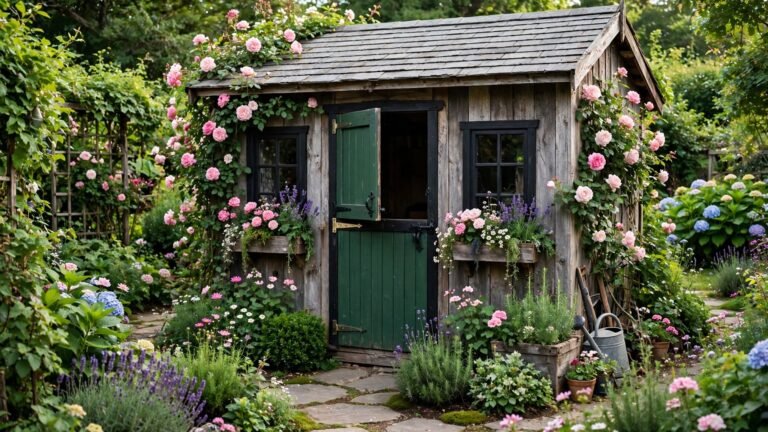
19 Garden Rock Border Ideas to Define Your Outdoor Space Beautifully
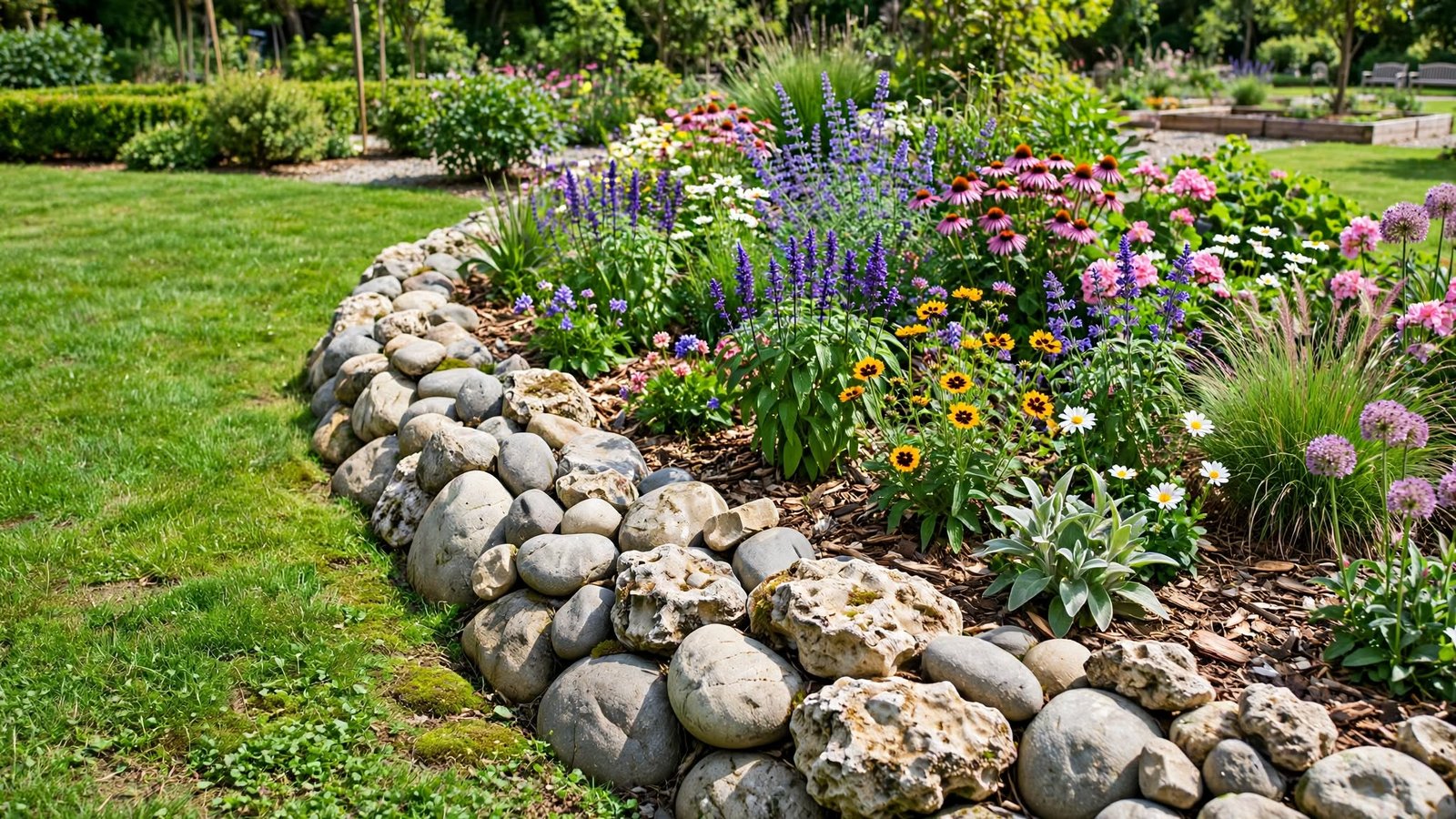
A garden rock border is one of the most versatile ways to frame planting beds, pathways, and lawn edges with natural texture and lasting structure. Whether you prefer smooth river stones or rugged boulders, the right border transforms an ordinary yard into a polished outdoor retreat.
This collection of garden rock border ideas covers everything from simple gravel strips to dramatic stacked stone walls. You will find inspiration for every budget, climate, and garden style, along with practical tips to help you choose materials that suit your space.
Smart Tips for Planning a Garden Rock Border That Lasts
A little planning before you dig saves hours of rework later.
- Match the Stone to Your Home: Choose rock tones that complement your siding, roof, and hardscape for a cohesive look.
- Plan for Drainage: Slope the border slightly away from beds so water runs off instead of pooling at plant roots.
- Use Landscape Fabric: A quality weed barrier beneath the rocks keeps maintenance low for years.
- Vary Stone Sizes: Mixing large anchor rocks with smaller filler stones adds depth and visual interest.
- Edge Before You Fill: Dig a clean trench first so the garden rock border sits level and stays put.
- Consider Accessibility: Leave gaps or stepping stones where you need to reach plants for watering and pruning.
- Weigh the Budget: River rock costs more than crushed gravel but delivers a smoother, more refined finish.
- Check Local Rules: Some neighborhoods restrict loose stone near sidewalks, so confirm before ordering materials.
1. Natural Stone Edging for Cottage Gardens
Imagine a garden rock border made from irregular fieldstones curving gently along a cottage flower bed. The uneven shapes soften the transition between lawn and blooms, giving the space an organic, lived-in charm that feels effortless and welcoming.
This garden rock border style pairs beautifully with wildflowers, lavender, and climbing roses for a romantic look.
2. River Rock Border Around a Backyard Pond
Picture smooth river stones wrapping the edge of a small garden pond, hiding the liner while creating a natural shoreline. A garden rock border like this blends water and land seamlessly, inviting frogs, birds, and dragonflies to visit your backyard oasis.
Choose stones in warm grays and tans so the garden rock border reflects light off the water beautifully.
3. Stacked Stone Wall as a Raised Border
Discover how a low stacked stone wall doubles as a garden rock border and a raised planting bed. The layered construction adds height and dimension, turning a flat yard into a terraced landscape with distinct zones for vegetables, herbs, and ornamentals.
This garden rock border approach works especially well on sloped lots where erosion control matters.
4. White Marble Chips for a Modern Contrast
Consider a garden rock border of bright white marble chips set against deep green shrubs. The sharp contrast creates a crisp, contemporary edge that makes foliage pop and gives even a small yard a designer-quality finish with minimal effort.
Refresh the garden rock border each spring by topping off chips and removing fallen leaves.
5. Boulder Accents Along a Driveway Entrance
Anchor the corners of your driveway with oversized boulders that serve as a bold garden rock border. These heavy stones define the entrance, protect landscaping from vehicle tires, and add a rugged, architectural presence that instantly boosts curb appeal.
Plant low-growing sedum or creeping thyme around the garden rock border for a softening effect.
6. Layered Gravel and Stone for Pathway Edges
Layer pea gravel with larger accent stones to form a garden rock border along a winding garden path. The combination of textures keeps the walkway visually interesting while the gravel base suppresses weeds and provides excellent drainage during heavy rains.
This garden rock border style suits both formal and rustic landscape designs.
7. Build a Dry Creek Bed with Rock Borders
Build a dry creek bed using a garden rock border of varied stones to manage runoff while adding sculptural interest. The faux stream guides water away from your foundation and creates a striking focal point that looks intentional even during dry spells.
Line the garden rock border with ornamental grasses to mimic natural creek vegetation.
8. Bring Warmth with Sandstone Edging
Bring golden warmth to your beds with a garden rock border crafted from sandstone slabs. The honey and rust tones glow in afternoon light, complementing brick homes and adding a sun-baked, Mediterranean feel to borders around patios and pool decks.
Seal sandstone periodically so the garden rock border resists staining and fading.
9. Transform Lawn Edges with Uniform Stones
Transform a plain lawn edge with a garden rock border of evenly sized stones placed in a neat row. Uniformity creates a clean line that separates grass from mulch, making mowing easier and giving the yard a tidy, well-maintained appearance.
Set stones slightly below turf level so the garden rock border never interferes with mower blades.
10. Frame Flower Beds with Lava Rock
Frame vibrant flower beds with a garden rock border of porous lava rock in deep charcoal or rust red. Beyond its striking appearance, lava rock retains moisture and suppresses weeds, making it a practical choice for busy gardeners in hot climates.
Contrast the garden rock border against bright blooms like marigolds and zinnias.
11. Explore Mixed-Material Border Combinations
Explore a garden rock border that mixes stone with timber, brick, or metal edging for a custom look. Combining materials lets you echo different elements of your home exterior while creating a boundary that feels layered and thoughtfully designed.
Keep the garden rock border palette to two or three materials to avoid visual clutter.
12. Shape Curved Borders with Flexible Stone
Shape sweeping curves in your landscape using a garden rock border of small, flexible stones. Curved edges soften rigid property lines and guide the eye through the garden, creating a sense of movement that straight borders simply cannot achieve.
Mark the garden rock border curve with garden hose before digging for accuracy.
13. Define Zones with Limestone Block Edging
Define separate garden zones with a garden rock border of cut limestone blocks. The crisp rectangular shapes create clear boundaries between vegetable plots, herb spirals, and ornamental beds, giving structure to even the most casual backyard layout.
Limestone brightens shady areas, so this garden rock border works well under trees.
14. Introduce Color with Painted Pebble Borders
Introduce playful color with a garden rock border of painted pebbles in cheerful hues. This whimsical approach suits children’s gardens, fairy-themed beds, and creative patio corners, turning ordinary stones into a personalized art display.
Seal painted stones so the garden rock border survives rain and sprinkler exposure.
15. Suspend Stones in a Gabion Border Cage
Suspend loose stones inside wire gabion cages to create a garden rock border with industrial edge. The structured baskets hold rocks firmly in place, making this border ideal for slopes, modern landscapes, and areas where loose stone would scatter.
Fill the garden rock border cages with contrasting stone colors for visual depth.
16. Ground Tall Plants with Heavy Stone Bases
Ground tall ornamental grasses and shrubs with a garden rock border of heavy base stones. The weight visually anchors leggy plants, prevents soil erosion around roots, and creates a stable foundation that keeps beds looking intentional.
Arrange the garden rock border in clusters of three for natural balance.
17. Position Rocks for Zen Garden Harmony
Position stones thoughtfully to create a garden rock border inspired by Japanese zen design. Careful placement and open spacing invite quiet reflection, turning a simple edge into a meditative feature that harmonizes with raked gravel and moss.
Keep the garden rock border minimal, using odd numbers of stones for balance.
18. Fill Gaps with Creeping Groundcover
Fill the spaces between stones with creeping thyme, sedum, or moss to soften a garden rock border. Living groundcover knits the rocks together, hides bare soil, and adds seasonal color that changes beautifully from spring through autumn.
Choose drought-tolerant plants so the garden rock border thrives with minimal watering.
19. Place Stepping Stones Within Rock Borders
Place flat stepping stones inside a garden rock border to create a walkable edge that doubles as a path. This design invites you to step into the garden for planting and pruning without compacting soil or trampling delicate groundcover.
Space the garden rock border stones at a comfortable stride for easy navigation.
Frequently Asked Questions
Q. What is the best rock for a garden rock border?
Ans. River rock, fieldstone, and limestone blocks are popular choices because they are durable and blend naturally.
Q. How deep should I dig for a garden rock border?
Ans. Dig a trench about four to six inches deep so the garden rock border sits firmly and stays level.
Q. Do I need landscape fabric under a garden rock border?
Ans. Yes, landscape fabric beneath a garden rock border blocks weeds and keeps stones from sinking into soil.
Conclusion
A garden rock border is a timeless landscaping upgrade that adds structure, texture, and curb appeal to any outdoor space. From river rock curves to stacked stone walls, the options suit every style and budget.
Start with one bed or pathway, choose stones that complement your home, and layer in plants for a finished look. Your garden rock border will reward you with beauty and low maintenance for years to come.