19 Mediterranean Vegetable Garden Ideas for a Sun-Loving Harvest
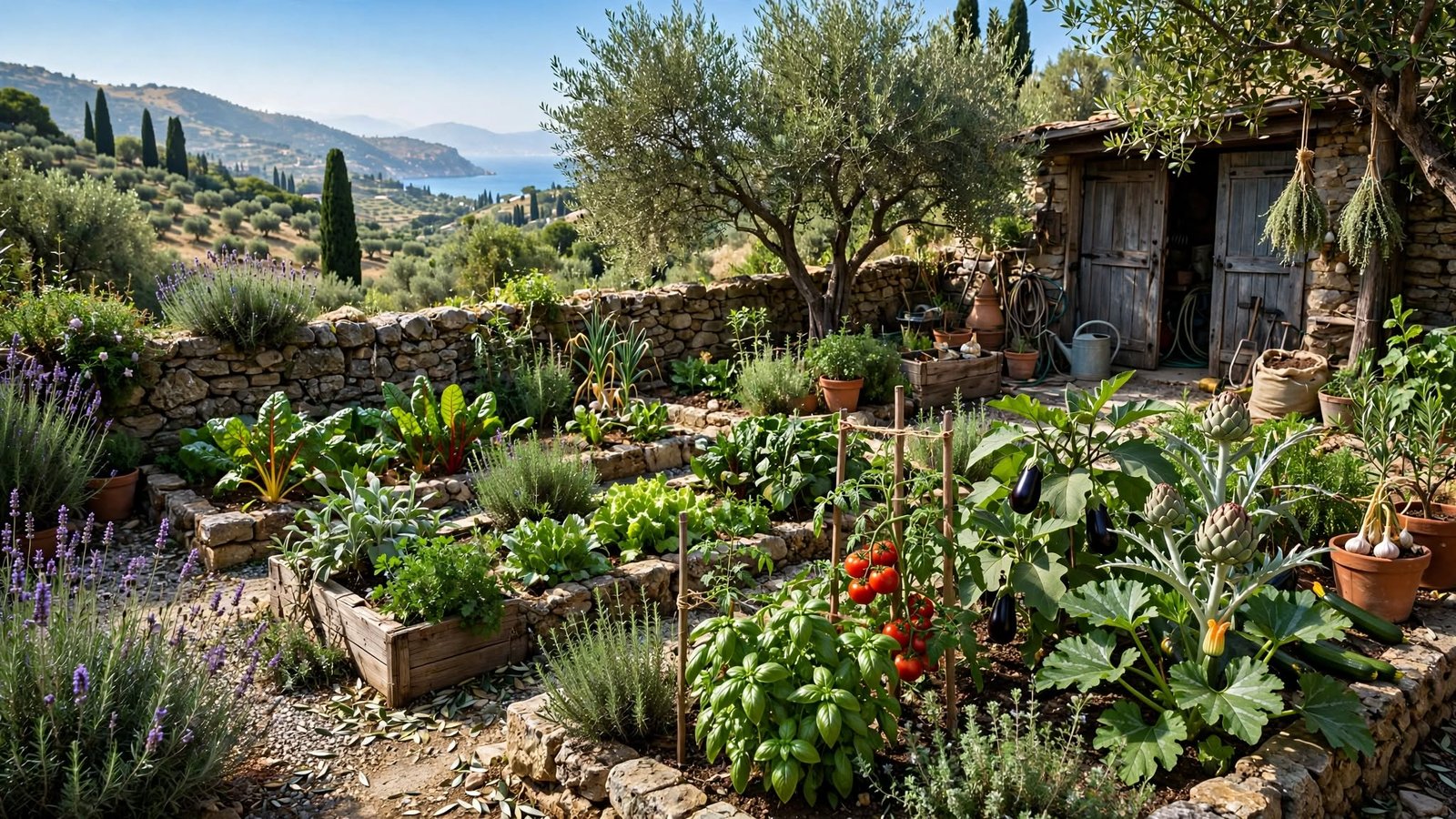
A mediterranean vegetable garden brings the warmth of southern Europe to your backyard, combining drought-tolerant herbs, sun-loving vegetables, and fragrant blooms. These 19 ideas show how gravel paths, terracotta pots, and climbing trellises create a beautiful, productive space that thrives in hot, dry summers.
Whether you tend a small balcony or a sprawling plot, a mediterranean vegetable garden rewards you with tomatoes, peppers, olives, and aromatic herbs. The layouts ahead blend practical growing techniques with timeless design, helping you build a space that is as beautiful as it is bountiful.
Designing a Sun-Soaked mediterranean vegetable garden That Thrives
Blend warm textures, hardy plants, and smart watering for a garden that flourishes.
- Choose Sun-Loving Crops: Plant tomatoes, peppers, eggplant, and herbs that relish long, hot days.
- Use Gravel and Stone: Light-colored gravel paths reflect heat and improve drainage around beds.
- Add Terracotta Pots: Classic clay containers breathe well and suit the mediterranean style perfectly.
- Build Raised Beds: Stone or timber beds warm up fast in spring and drain excess water.
- Plant Aromatic Herbs: Rosemary, thyme, lavender, and oregano repel pests and scent the air.
- Install Drip Irrigation: Water deeply but infrequently to mimic dry mediterranean summers.
- Create Shade and Shelter: Pergolas and trellises protect tender crops from harsh midday sun.
- Mulch Generously: Gravel or straw mulch locks in moisture and suppresses weeds.
1. Terraced Stone Beds for a mediterranean vegetable garden
Imagine a mediterranean vegetable garden carved into gentle stone terraces, each level holding herbs and vegetables in warm, sunlit rows. This design mimics hillside farming found across Italy and Greece, using natural stone to retain heat and improve drainage for crops like tomatoes and peppers.
Terracing also creates distinct microclimates, so you can grow both heat-loving and slightly cooler crops within one mediterranean vegetable garden layout.
2. Gravel Paths and Herb Borders in a mediterranean vegetable garden
Picture pale gravel paths winding between fragrant herb borders in your mediterranean vegetable garden. The light stone reflects heat onto nearby plants while keeping roots dry, and the herbs release scent with every brush of your hand as you walk through the space.
This layout keeps maintenance low and lets a mediterranean vegetable garden look tidy even during the hottest, driest weeks of summer.
3. Terracotta Pot Clusters for a mediterranean vegetable garden
Discover the charm of clustered terracotta pots in a mediterranean vegetable garden, where clay containers hold basil, cherry tomatoes, and dwarf peppers. Grouping pots at different heights adds visual interest and lets you move plants to follow the sun throughout the day.
Terracotta breathes naturally, keeping soil from staying too wet, which is ideal for a mediterranean vegetable garden in warm climates.
4. Lavender and Vegetable Pairings in a mediterranean vegetable garden
Consider pairing lavender with vegetables in your mediterranean vegetable garden for a border that is both beautiful and useful. Lavender attracts pollinators, repels certain pests, and adds a soft purple haze that contrasts nicely with green foliage and red tomatoes.
This pairing proves a mediterranean vegetable garden can be ornamental as well as productive, blending scent and harvest.
5. Raised Stone Beds for a mediterranean vegetable garden
Anchor your mediterranean vegetable garden with raised beds built from rough stone or brick. These beds warm quickly in spring, drain excess winter rain, and give roots the lean, well-aerated soil that mediterranean crops such as rosemary and thyme prefer.
Stone edges also frame a mediterranean vegetable garden beautifully, giving structure that lasts for many seasons.
6. Climbing Vines on Pergolas in a mediterranean vegetable garden
Layer climbing vines over a pergola to shade your mediterranean vegetable garden during the fiercest summer heat. Grapes, beans, and cucumbers can all scramble upward, turning bare structure into a living canopy that cools the soil below.
A pergola turns a mediterranean vegetable garden into a retreat, offering dappled light and a place to rest between harvests.
7. Drip Irrigation for a mediterranean vegetable garden
Build an efficient watering system into your mediterranean vegetable garden with drip lines running along each bed. Slow, targeted watering mimics the dry-summer rhythm of the region, encouraging deep roots and healthier, more flavorful produce.
Drip irrigation keeps a mediterranean vegetable garden thriving even when rainfall is scarce and water restrictions apply.
8. Olive Trees Among Vegetables in a mediterranean vegetable garden
Bring a touch of true mediterranean character by planting a dwarf olive tree at the center of your mediterranean vegetable garden. Its silvery leaves catch the light and cast gentle shade, while the surrounding beds hold tomatoes, peppers, and herbs.
An olive tree anchors a mediterranean vegetable garden with year-round structure, even when annual crops fade.
9. Fragrant Herb Spirals for a mediterranean vegetable garden
Transform a sunny corner of your mediterranean vegetable garden with a herb spiral built from stacked stones. The spiral creates dry, sunny pockets at the top for rosemary and thyme, and cooler, moister zones below for parsley and mint.
A herb spiral makes a mediterranean vegetable garden both practical and sculptural, packing many plants into a small footprint.
10. Warm Color Palettes in a mediterranean vegetable garden
Frame your mediterranean vegetable garden with warm tones of terracotta, ochre, and sun-bleached cream. These colors echo the villages of southern Europe and make ripening tomatoes and peppers stand out against a soft, earthy backdrop.
A warm palette helps a mediterranean vegetable garden feel cohesive, tying together pots, paths, and planting beds.
11. Compact Balcony mediterranean vegetable garden Ideas
Explore how a small balcony can host a thriving mediterranean vegetable garden with vertical planters and stacked pots. Even a few square feet can produce herbs, cherry tomatoes, and salad greens when you use every level of space.
Balcony growing proves a mediterranean vegetable garden is possible almost anywhere with enough sun and smart container choices.
12. Drought-Tolerant Planting in a mediterranean vegetable garden
Shape a resilient mediterranean vegetable garden around drought-tolerant crops like artichokes, fennel, and chickpeas. These plants evolved in dry climates and need far less water than typical garden vegetables, making them ideal for hot, arid regions.
Choosing the right species lets a mediterranean vegetable garden survive dry spells without constant irrigation.
13. Trellised Tomatoes in a mediterranean vegetable garden
Define your mediterranean vegetable garden with tall trellises supporting climbing tomatoes and cucumbers. Vertical growing saves ground space, improves airflow around leaves, and keeps fruit off the soil, reducing rot and disease.
Sturdy trellises give a mediterranean vegetable garden vertical drama while boosting the harvest from every bed.
14. Courtyard Layouts for a mediterranean vegetable garden
Introduce a courtyard layout to your mediterranean vegetable garden, with beds arranged around a central path or small fountain. Enclosed spaces hold warmth, block wind, and create the intimate feel of a Spanish or Italian patio garden.
A courtyard design turns a mediterranean vegetable garden into an outdoor room, perfect for dining beside your crops.
15. Mulching Techniques for a mediterranean vegetable garden
Suspend moisture loss in your mediterranean vegetable garden with a generous layer of gravel, straw, or compost mulch. Mulch keeps soil temperatures even, suppresses weeds, and mimics the natural leaf litter of dry mediterranean landscapes.
Good mulching is one of the simplest ways to keep a mediterranean vegetable garden healthy through long, hot summers.
16. Ground Covers Between Beds in a mediterranean vegetable garden
Ground your mediterranean vegetable garden with low-growing covers like creeping thyme or chamomile between the beds. These plants soften hard edges, attract pollinators, and release fragrance when walked upon, adding sensory delight to the space.
Living ground covers reduce bare soil and help a mediterranean vegetable garden look lush without heavy watering.
17. Positioned Sun Traps in a mediterranean vegetable garden
Position reflective walls or light stone surfaces to trap heat in your mediterranean vegetable garden. South-facing walls radiate warmth back onto plants, extending the growing season for heat-loving crops like eggplant and melon.
Clever positioning lets a mediterranean vegetable garden make the most of every ray of sunshine available.
18. Fill Gaps with Aromatic Herbs in a mediterranean vegetable garden
Fill empty pockets of your mediterranean vegetable garden with basil, sage, and oregano tucked between larger crops. These herbs thrive in the same sunny, well-drained conditions and help deter pests while adding fresh flavor to every meal.
Filling gaps keeps a mediterranean vegetable garden productive and fragrant from spring through late autumn.
19. Place a Water Feature in a mediterranean vegetable garden
Place a small fountain or basin at the heart of your mediterranean vegetable garden to add coolness and calm. The sound of moving water masks street noise, attracts birds, and echoes the courtyards of southern Europe.
A water feature gives a mediterranean vegetable garden a restful focal point that balances the productive beds around it.
Frequently Asked Questions
Q. What vegetables grow best in a mediterranean vegetable garden?
Ans. Tomatoes, peppers, eggplant, artichokes, fennel, and herbs like rosemary and thyme thrive in a mediterranean vegetable garden.
Q. How often should I water a mediterranean vegetable garden?
Ans. Water deeply once or twice a week, letting soil dry between sessions, since a mediterranean vegetable garden prefers dry conditions.
Q. Can I grow a mediterranean vegetable garden in a small space?
Ans. Yes, containers, vertical planters, and herb spirals let a mediterranean vegetable garden thrive on balconies and patios.
Conclusion
A mediterranean vegetable garden blends beauty and bounty, turning sun-drenched space into a productive retreat filled with herbs, vegetables, and warm stone textures. With the right layout, watering, and plant choices, it thrives even in hot, dry conditions.
Use these 19 ideas to shape a mediterranean vegetable garden that suits your climate and space, and enjoy fresh harvests season after season.