27 Tranquil Backyard Japanese Garden Ideas for Your Outdoor Sanctuary
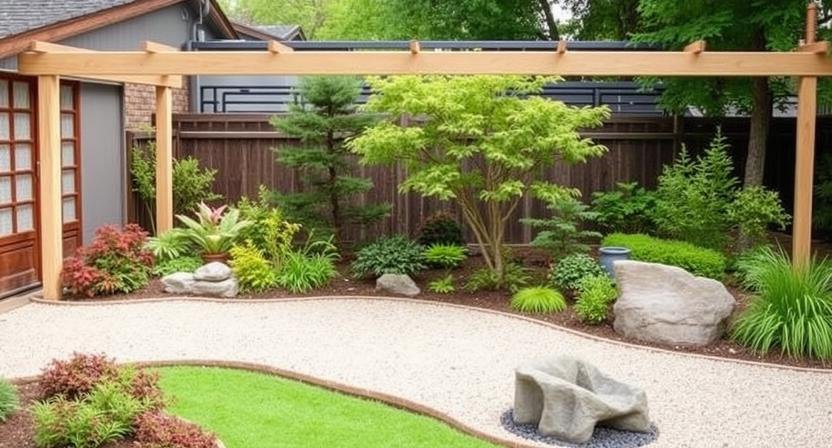
Creating a backyard japanese garden is a wonderful way to bring peace and natural beauty to your home. These spaces blend stone, water, and plants to form a living work of art that promotes relaxation and mindfulness.
Whether you have a large yard or a small corner, a backyard japanese garden can be tailored to fit any space. This collection of 27 ideas will guide you through the essential elements and inspire your own personal zen retreat.
Designing Your Own backyard japanese garden
Start with these foundational principles to create harmony.
- Choose Natural Materials: Use stone, gravel, and wood to create an organic feel.
- Incorporate Water Features: A small basin or pond adds calming sound and movement.
- Select Evergreen Plants: They provide year-round structure and color.
- Add a Stepping Stone Path: It guides visitors through the garden with intention.
- Include a Viewing Spot: A bench or deck offers a place for quiet contemplation.
- Prune with Purpose: Shape trees and shrubs to mimic natural forms.
- Use Asymmetry: Balance elements without perfect symmetry for a natural look.
1. Imagine a backyard japanese garden with a Stone Lantern
Imagine a backyard japanese garden centered around a classic stone lantern. This timeless feature provides a focal point and soft illumination for evening enjoyment. Its weathered texture blends perfectly with moss and gravel.
Placing the lantern near a path or water feature enhances the garden’s traditional feel. A backyard japanese garden with this element feels both historic and welcoming.
2. Picture a backyard japanese garden with a Koi Pond
Picture a backyard japanese garden featuring a serene koi pond filled with colorful fish. The gentle movement of the water and the fish creates a dynamic and peaceful atmosphere. Surround the pond with lush greenery and smooth stones.
A bridge crossing the pond adds architectural interest to your backyard japanese garden. This combination of water, life, and structure is deeply calming.
3. Discover a backyard japanese garden with a Tea House
Discover a backyard japanese garden that includes a small tea house for quiet retreats. This dedicated structure invites you to enjoy traditional tea ceremonies or simply sit and reflect. Its simple wooden design harmonizes with nature.
A winding path leading to the tea house builds anticipation in your backyard japanese garden. The journey becomes part of the meditative experience.
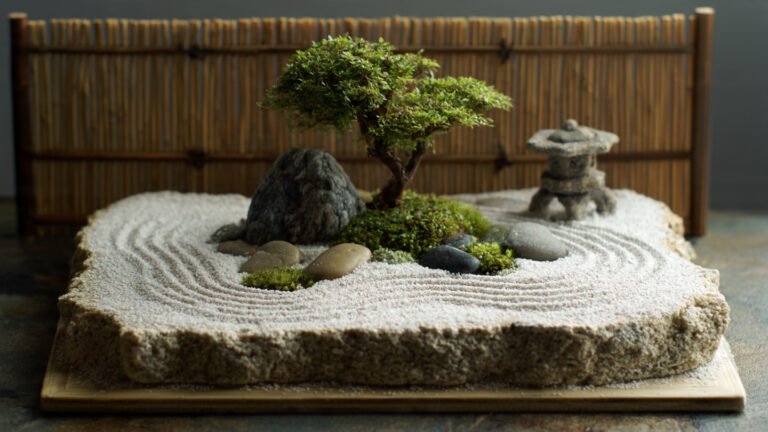
4. Consider a backyard japanese garden with a Zen Gravel Rake
Consider a backyard japanese garden that features a zen gravel garden with a wooden rake. Raking the gravel into wave patterns is a meditative practice that brings calm. The simplicity of sand and stone is visually striking.
This minimalist approach to a backyard japanese garden requires little maintenance. It is perfect for those who appreciate clean lines and mindful activities.
5. Anchor a backyard japanese garden with a Large Boulder
Anchor a backyard japanese garden with a large, naturally shaped boulder as a centerpiece. Boulders represent strength and permanence, grounding the entire design. They work well when partially buried and surrounded by moss.
Choosing a boulder with interesting texture adds character to your backyard japanese garden. It becomes a natural sculpture that changes with the light.
6. Layer a backyard japanese garden with Evergreen Shrubs
Layer a backyard japanese garden with carefully pruned evergreen shrubs for structure. Plants like azaleas and boxwoods provide deep green color throughout all seasons. Their rounded forms soften the harder stone elements.
Strategic layering creates depth and visual interest in your backyard japanese garden. This technique makes even small spaces feel lush and full.
7. Build a backyard japanese garden with a Bamboo Fence
Build a backyard japanese garden enclosed by a natural bamboo fence for privacy and texture. Bamboo fencing adds a warm, organic boundary that complements the garden’s aesthetic. It also filters light beautifully, creating dappled shadows.
Using bamboo as a backdrop makes your backyard japanese garden feel more secluded and intimate. It is a classic material that ages gracefully.
8. Bring a backyard japanese garden to Life with a Water Basin
Bring a backyard japanese garden to life with a traditional stone water basin, or tsukubai. This low basin encourages visitors to pause and cleanse their hands, adding a ritual element. The sound of dripping water enhances the serene atmosphere.
A bamboo ladle resting beside the basin completes the look in your backyard japanese garden. This small detail adds authenticity and charm.
9. Transform a backyard japanese garden with a Moss Carpet
Transform a backyard japanese garden by allowing moss to cover the ground under trees and between stones. Moss creates a lush, soft carpet that feels ancient and peaceful. It thrives in shady, moist conditions and requires minimal care.
This living ground cover in your backyard japanese garden adds a rich, velvety texture. It contrasts beautifully with rough stone and gravel paths.
10. Frame a backyard japanese garden with a Wooden Gate
Frame a backyard japanese garden with a simple wooden gate that marks the entrance. A gate creates a sense of transition from the outside world into a serene space. Its rustic design sets the tone for what lies beyond.
Adding a small roof over the gate enhances the traditional feel of your backyard japanese garden. It becomes a beautiful architectural feature in itself.
11. Explore a backyard japanese garden with a Curved Bridge
Explore a backyard japanese garden that features a gracefully curved wooden bridge over a dry stream bed. The arching shape symbolizes the journey of life and adds elegance. Painted red, the bridge becomes a vibrant focal point.
This bridge in your backyard japanese garden invites exploration and offers a new perspective. It encourages you to slow down and appreciate the view.
12. Shape a backyard japanese garden with Pruned Pine Trees
Shape a backyard japanese garden with carefully pruned pine trees that mimic windswept forms. This practice, called niwaki, creates sculptural trees that tell a story of resilience. Their twisted branches add dramatic interest year-round.
Pruning pines in your backyard japanese garden requires patience but yields stunning results. These trees become living art pieces over time.
13. Define a backyard japanese garden with a Gravel Path
Define a backyard japanese garden with a winding gravel path that guides visitors through the space. The crunch of gravel underfoot adds a sensory element to the walk. Curving paths create a sense of mystery and discovery.
Using different gravel colors can delineate zones in your backyard japanese garden. This simple material is both practical and beautiful.
14. Introduce a backyard japanese garden with a Stepping Stone Sequence
Introduce a backyard japanese garden with a sequence of flat stepping stones placed irregularly across the lawn. This tobi-ishi path encourages mindful walking and connects different areas. The stones should feel natural and slightly uneven.
Each stepping stone in your backyard japanese garden becomes a deliberate pause. The spacing between them dictates the pace of your walk.
15. Suspend a backyard japanese garden with a Wind Chime
Suspend a backyard japanese garden with a deep-toned wind chime from a tree branch or eaves. The soft, resonant sound adds an auditory layer to the garden’s tranquility. Choose a chime made of iron or bamboo for authenticity.
The gentle melody in your backyard japanese garden shifts with the breeze. It reminds you to be present and listen.
16. Ground a backyard japanese garden with a Low Stone Wall
Ground a backyard japanese garden with a low, dry-stacked stone wall that defines a planting bed. This wall adds structure and a sense of age to the landscape. The gaps between stones can host small ferns or moss.
A stone wall in your backyard japanese garden creates a visual anchor for surrounding plants. Its earthy tones blend seamlessly with nature.
17. Position a backyard japanese garden with a Viewing Bench
Position a backyard japanese garden with a simple wooden bench placed to offer the best view. This dedicated seating area invites you to sit and observe the changing seasons. Choose a spot near water or under a canopy of leaves.
A viewing bench transforms your backyard japanese garden into a space for daily meditation. It becomes your personal spot for quiet reflection.
18. Fill a backyard japanese garden with Flowering Cherry Trees
Fill a backyard japanese garden with the fleeting beauty of a flowering cherry tree. Its spring blossoms create a spectacular display of pink or white petals. The tree’s elegant form provides structure even when not in bloom.
This seasonal highlight in your backyard japanese garden is a celebration of nature’s cycles. The falling petals create a poetic carpet on the ground.
19. Place a backyard japanese garden under a Maple Tree Canopy
Place a backyard japanese garden under the dappled shade of a Japanese maple tree. Its delicate leaves turn brilliant shades of red and orange in autumn. The tree’s branching structure is graceful and intricate.
A maple tree in your backyard japanese garden provides a stunning focal point. Its foliage creates a canopy of color that changes throughout the year.
20. Craft a backyard japanese garden with a Dry Stream Bed
Craft a backyard japanese garden with a dry stream bed made of smooth river stones. This karesansui element suggests the flow of water without the maintenance. Curve the bed naturally and plant grasses along its edges.
A dry stream in your backyard japanese garden adds movement and direction. It visually connects different areas of the landscape.
21. Draw a backyard japanese garden with a Contoured Hedge
Draw a backyard japanese garden with a contoured hedge that mimics rolling hills or clouds. This technique, called o-karikomi, uses dense shrubs shaped into soft, flowing forms. It adds whimsy and a sense of motion to the garden.
A sculpted hedge in your backyard japanese garden creates a living wall of green. Its curves soften the boundaries of the space.
22. Elevate a backyard japanese garden with a Raised Deck
Elevate a backyard japanese garden with a low wooden deck that overlooks the main features. This platform provides a dry, comfortable place to sit and enjoy the view. Use natural wood finishes to keep the look organic.
A raised deck in your backyard japanese garden creates a transition zone between house and garden. It defines the sitting area without disrupting the flow.
23. Reveal a backyard japanese garden with a Hidden Nook
Reveal a backyard japanese garden with a hidden nook tucked behind shrubs or a fence. This secret spot feels like a private discovery and offers solitude. Place a small statue or a single stone there as a quiet surprise.
Creating a hidden nook in your backyard japanese garden adds an element of mystery. It encourages exploration and rewards the curious visitor.
24. Embrace a backyard japanese garden with a Simplicity Focus
Embrace a backyard japanese garden that focuses on simplicity and minimalism. Use only a few carefully chosen elements like a single tree, a stone, and raked gravel. This restraint creates a powerful sense of calm and clarity.
A minimalist backyard japanese garden proves that less is truly more. It relies on negative space to highlight each element’s beauty.
25. Capture a backyard japanese garden with a Moon Viewing Area
Capture a backyard japanese garden designed for moon viewing, or tsukimi. Clear an area with an unobstructed view of the sky and place a low platform or mat. Add a small offering of seasonal flowers or fruit.
This dedicated space in your backyard japanese garden honors the beauty of the night sky. It turns an evening ritual into a garden event.
26. Notice a backyard japanese garden with a Seasonal Accent
Notice a backyard japanese garden that changes with the seasons through accent plants. Use spring bulbs, summer irises, autumn grasses, and winter berries to mark time. This rotation keeps the garden feeling alive and dynamic.
Seasonal accents in your backyard japanese garden create a deep connection to nature. They remind you to appreciate each moment of the year.
27. Reflect on a backyard japanese garden with a Still Pond
Reflect on a backyard japanese garden that features a small, still pond that mirrors the sky. The reflective surface doubles the visual impact of surrounding trees and clouds. Keep the water clear and still for the best effect.
A reflective pond in your backyard japanese garden creates a sense of infinite space. It is a place for contemplation and inner peace.
Frequently Asked Questions
Q. What are the essential elements of a backyard japanese garden?
Ans. A backyard japanese garden typically includes stones, water features, gravel, pruned plants, and a simple structure like a lantern or bench.
Q. How much maintenance does a backyard japanese garden require?
Ans. A backyard japanese garden requires regular pruning, raking of gravel, and weeding, but is generally manageable with consistent care.
Q. Can I create a backyard japanese garden in a small space?
Ans. Yes, a backyard japanese garden can be scaled down to fit a small patio or corner using container plants, a small basin, and miniature stones.
Conclusion
Creating a backyard japanese garden is a rewarding journey that brings tranquility and beauty to your home. By incorporating elements like stone, water, and carefully pruned plants, you can design a space that encourages mindfulness and relaxation.
From a simple gravel pattern to a full koi pond, each idea in this collection offers a way to personalize your backyard japanese garden. Start with one element and let your sanctuary grow over time.