15 Flowers That Love Hot Summers
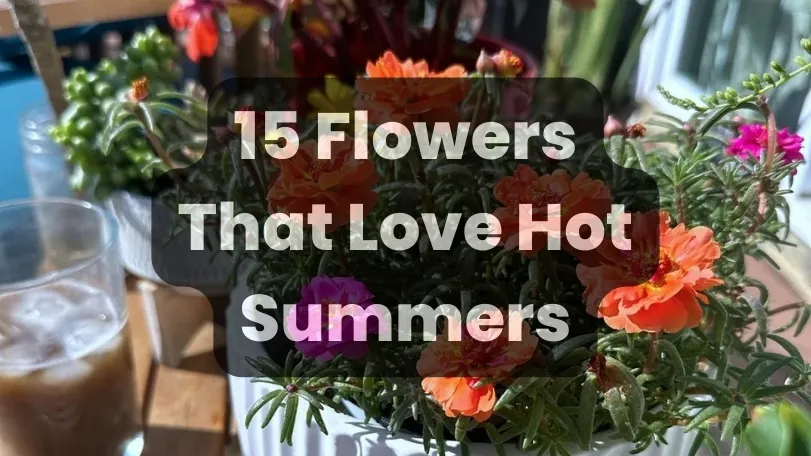
Summer is here, and it’s time to fill your garden with vibrant colors! But choosing the right plants for the scorching heat can be tricky. Fear not, because we’ve got you covered.
In this article, we’ll introduce you to 15 stunning flowers that absolutely thrive in summer’s sizzling temperatures. From the classic beauty of zinnias to the exotic charm of canna lilies, we’ll explore a variety of options.
Get ready to transform your outdoor space into a summer oasis! Let’s dive deep and discover the perfect flowers to brighten up your summer garden.
Table of Contents
15 Flowers That Thrives Well in Summer
I’ve listed 15 flower plants that love summer for growing fast. Let’s have a look at the following plants, and know why you should like them.
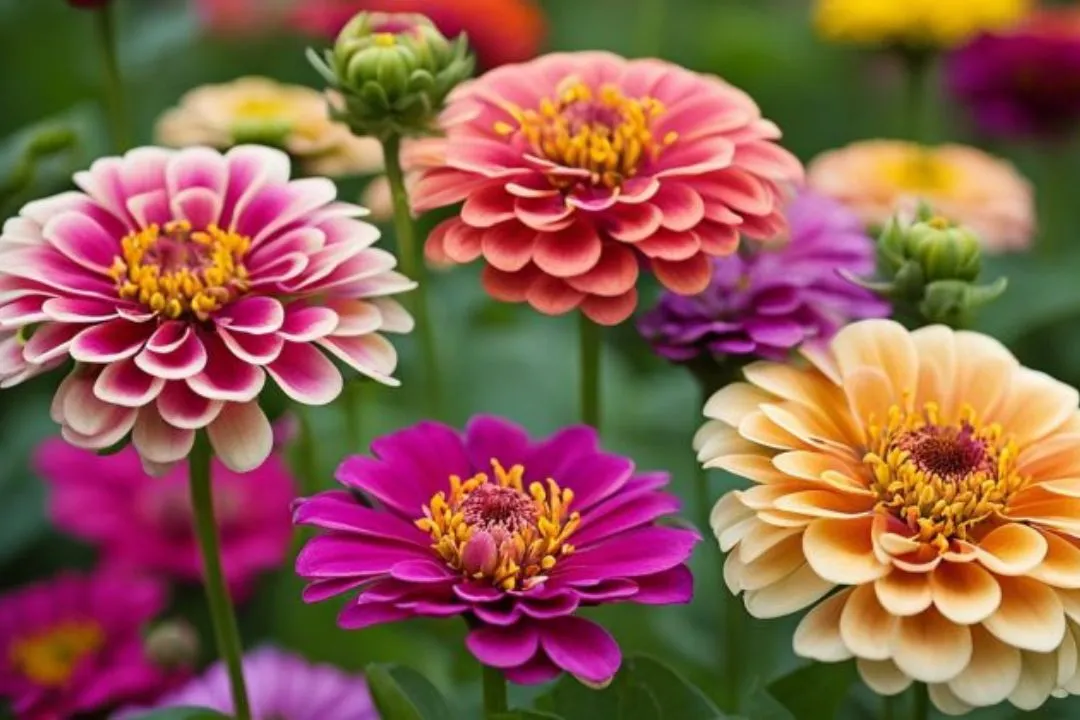
1. Zinnias
| Feature | Details |
| Scientific Name | Zinnia elegans |
| Height | 1 to 4 feet |
| Bloom Time | Summer to frost |
| Sun Requirements | Full sun |
| Water Needs | Moderate |
| Special Notes | Attracts butterflies, low maintenance |
How They Survive: Zinnias have thick, sturdy stems and leaves that retain water well. They thrive in full sun and can withstand high temperatures.
Pros: Bright, colorful, low maintenance, attracts butterflies.
Cons: Susceptible to powdery mildew.
Why You Need Them: They add a pop of color and require minimal care.
2. Marigolds
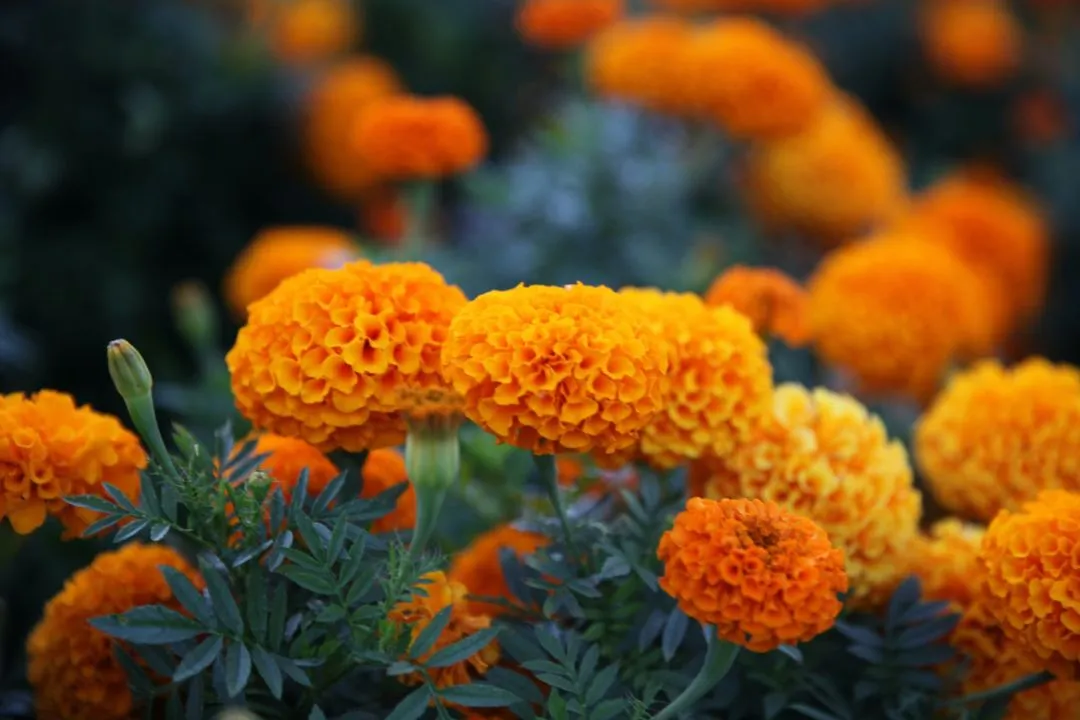
| Feature | Details |
| Scientific Name | Tagetes spp. |
| Height | 6 inches to 3 feet |
| Bloom Time | Spring to fall |
| Sun Requirements | Full sun |
| Water Needs | Moderate |
| Special Notes | Pest repellent, easy to grow |
How They Survive: Marigolds have a robust root system that allows them to access deep water reserves, making them highly drought-tolerant.
Pros: Pest-like mosquito repellent plant, long blooming season, easy to grow.
Cons: Can be susceptible to root rot if overwatered.
Why You Need Them: They brighten up your garden and keep pests away.
3. Sunflowers
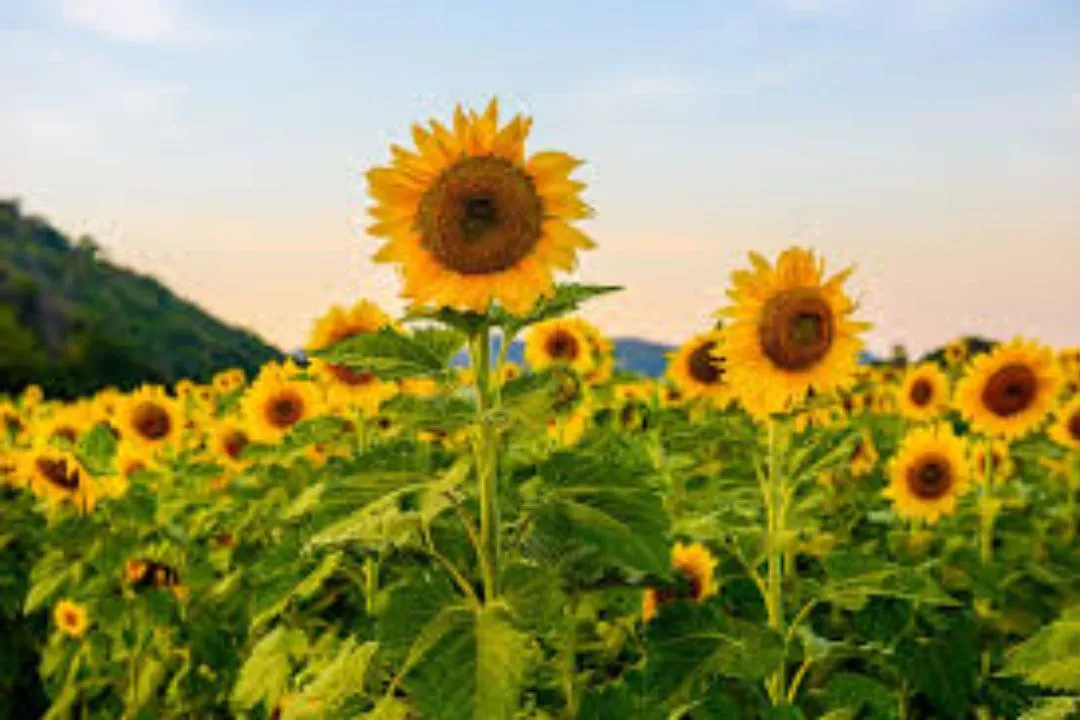
| Feature | Details |
| Scientific Name | Helianthus annuus |
| Height | 3 to 10 feet or more |
| Bloom Time | Summer to early fall |
| Sun Requirements | Full sun |
| Water Needs | Moderate |
| Special Notes | Attracts birds, easy to grow |
How They Survive: Sunflowers have deep roots that tap into underground water sources, and their large leaves help them endure intense sunlight.
Pros: Tall and striking, attracts birds, easy to grow.
Cons: Needs a lot of space, and can attract squirrels.
Why You Need Them: They add height and drama, plus birds love their seeds.
4. Lantana
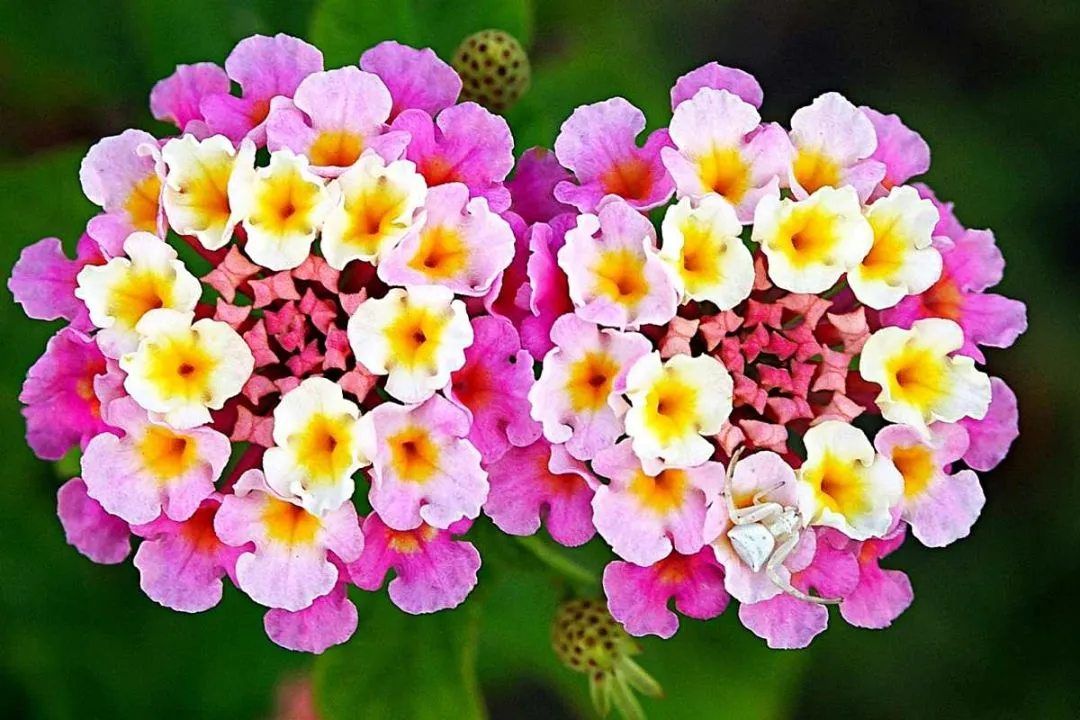
| Feature | Details |
| Scientific Name | Lantana camara |
| Height | 1 to 6 feet |
| Bloom Time | Spring to frost |
| Sun Requirements | Full sun |
| Water Needs | Low to moderate |
| Special Notes | Attracts butterflies and hummingbirds, low maintenance |
How They Survive: Lantana’s tough leaves and stems reduce water loss, and they can go long periods without water.
Pros: Heat and drought-tolerant, attracts butterflies and hummingbirds, low maintenance.
Cons: It can be invasive, and toxic to pets if ingested.
Why You Need Them: Vibrant flowers that attract pollinators and survive tough conditions.
5. Lavender
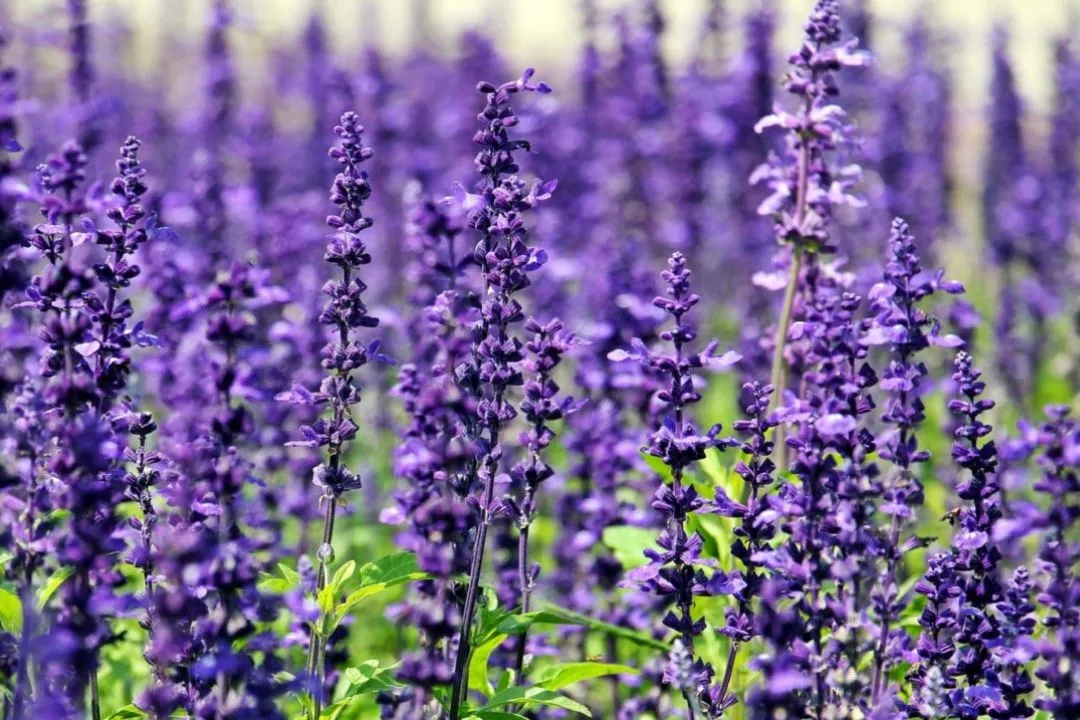
| Feature | Details |
| Scientific Name | Lavandula spp. |
| Height | 1 to 3 feet |
| Bloom Time | Late spring to summer |
| Sun Requirements | Full sun |
| Water Needs | Low |
| Special Notes | Fragrant, drought-resistant |
How They Survive: Lavender has silvery foliage that reflects sunlight, reducing heat absorption, and its deep roots find water even in dry soil.
Pros: Fragrant, drought resistant, attracts bees and butterflies.
Cons: Needs well-drained soil, and can be finicky in humid climates.
Why You Need Them: Beautiful, aromatic, and attracts pollinators.
6. Bougainvillea
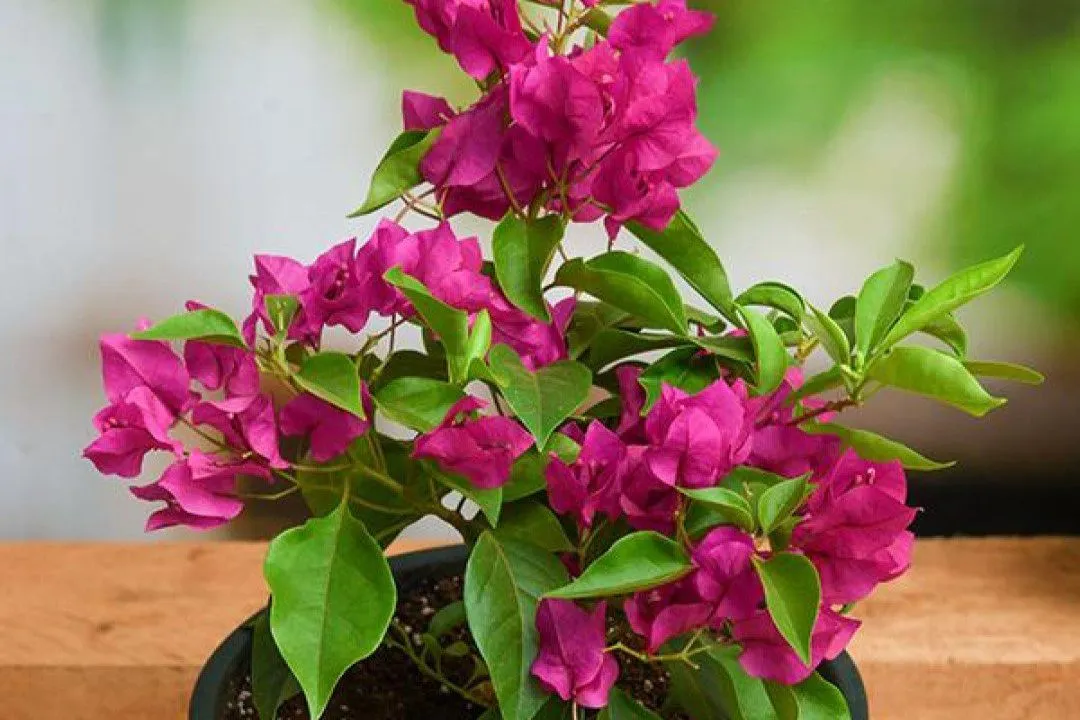
| Feature | Details |
| Scientific Name | Bougainvillea spp. |
| Height | Up to 30 feet (as a vine) |
| Bloom Time | Year-round in warm climates |
| Sun Requirements | Full sun |
| Water Needs | Low |
| Special Notes | Vibrant colors, low water needs |
How They Survive: Bougainvillea’s waxy leaves and thick stems reduce water loss, and they store water efficiently.
Pros: Vibrant colors, low water needs, versatile growth habit.
Cons: Thorny, can be aggressive growers.
Why You Need Them: Bold, tropical vibes and low water needs.
7. Canna Lilies
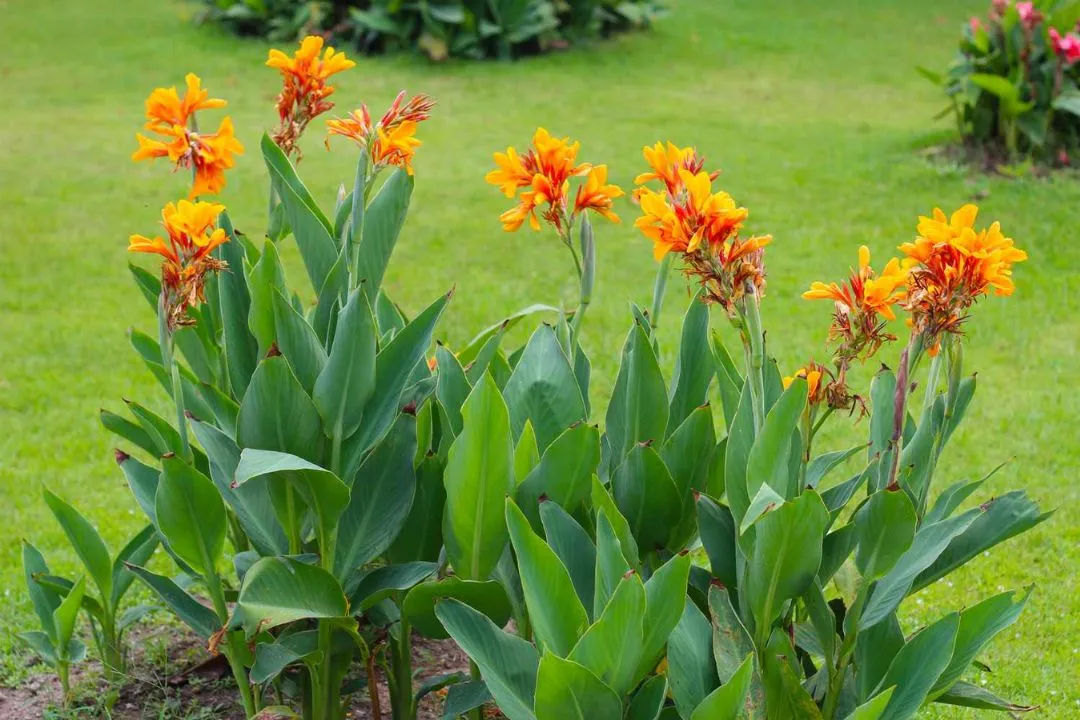
| Feature | Details |
| Scientific Name | Canna spp. |
| Height | 2 to 8 feet |
| Bloom Time | Summer to fall |
| Sun Requirements | Full sun to partial shade |
| Water Needs | High |
| Special Notes | Bold appearance, heat and humidity tolerant |
How They Survive: Canna lilies store water in their thick rhizomes and have large leaves that can handle intense sunlight.
Pros: Bold appearance, heat and humidity tolerant, long blooming period.
Cons: Needs a lot of water, can be prone to pests.
Why You Need Them: Adds an exotic feel and makes a striking focal point.
8. Portulaca (Moss Rose)
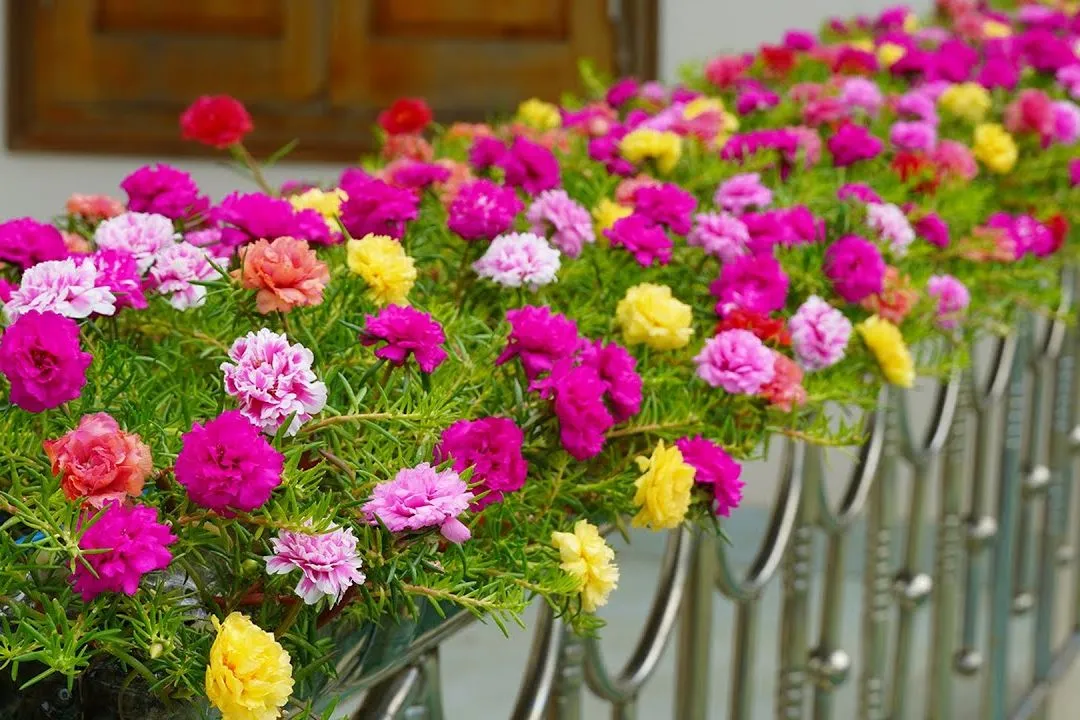
| Feature | Details |
| Scientific Name | Portulaca grandiflora |
| Height | 6 to 8 inches |
| Bloom Time | Summer |
| Sun Requirements | Full sun |
| Water Needs | Low |
| Special Notes | Drought tolerant, low maintenance |
How They Survive: Portulaca has succulent-like leaves that store water, making it extremely drought-tolerant.
Pros: Drought tolerant, low maintenance, blooms all summer.
Cons: Needs full sun, short-lived flowers.
Why You Need Them: Perfect for hot, dry areas, and blooms continuously.
9. Geraniums
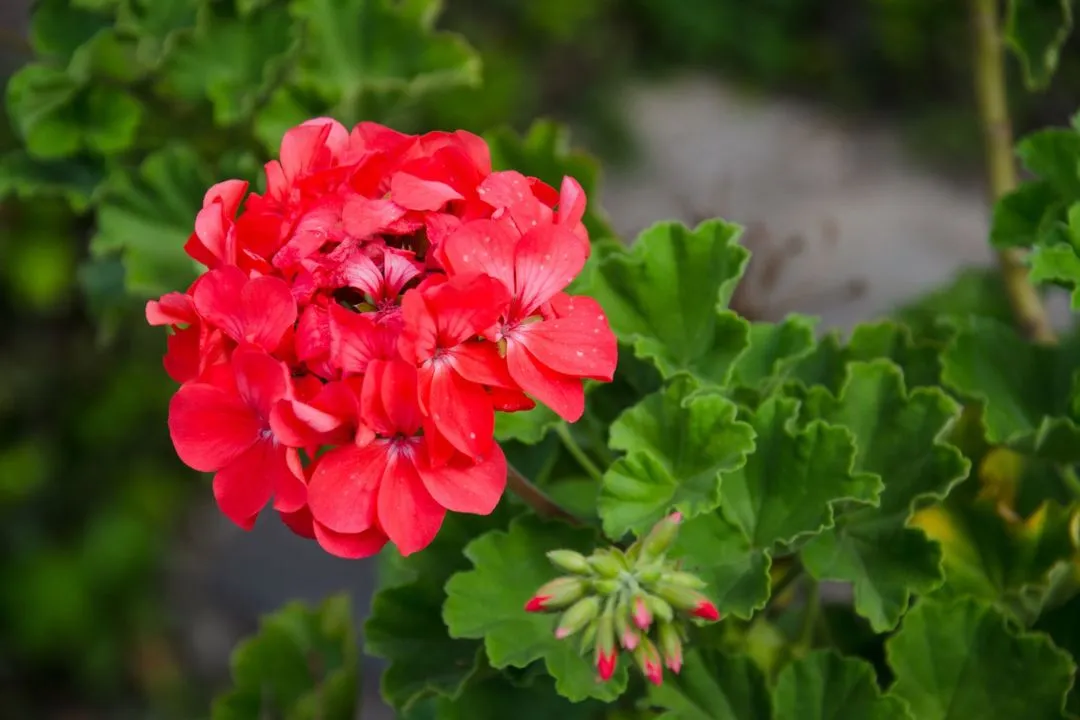
| Feature | Details |
| Scientific Name | Pelargonium spp. |
| Height | 1 to 3 feet |
| Bloom Time | Spring to fall |
| Sun Requirements | Full sun to partial shade |
| Water Needs | Moderate |
| Special Notes | A variety of colors can be grown in pots |
How They Survive: Geraniums have fleshy leaves that retain moisture and roots that adapt to dry conditions.
Pros: Variety of colors, drought tolerant, can be grown in pots.
Cons: Needs deadheading, susceptible to fungal diseases.
Why You Need Them: Versatile and perfect for containers.
10. Petunias
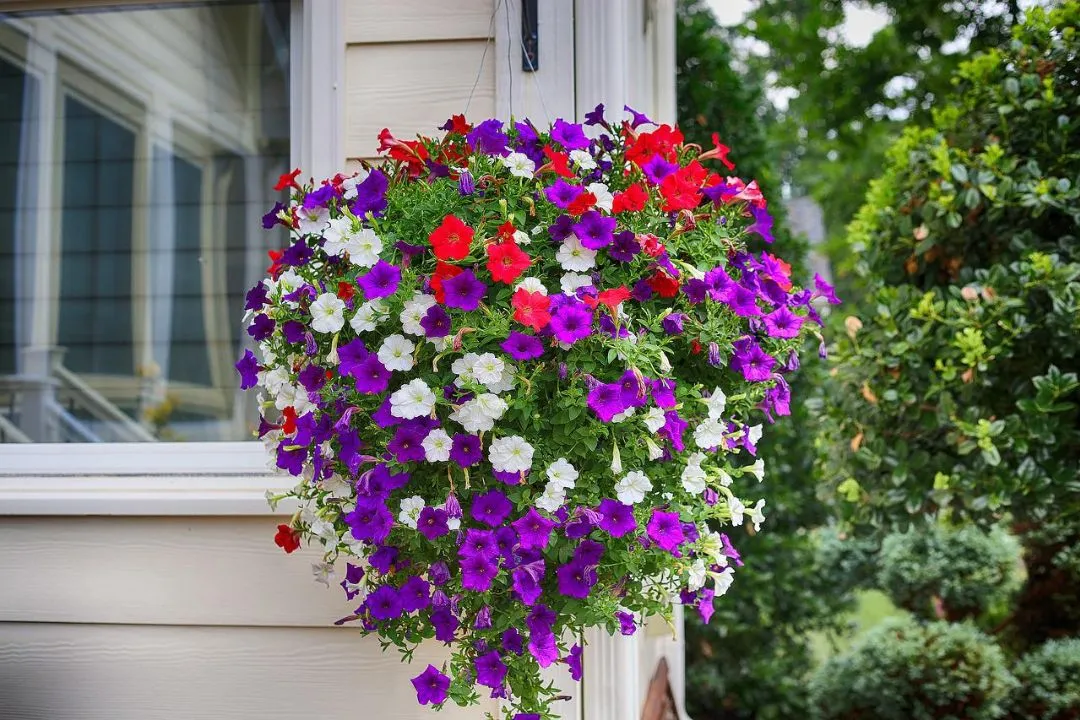
| Feature | Details |
| Scientific Name | Petunia spp. |
| Height | 6 inches to 1.5 feet |
| Bloom Time | Spring to frost |
| Sun Requirements | Full sun |
| Water Needs | Moderate |
| Special Notes | Continuous blooms, a variety of colors |
How They Survive: Petunias have hairy leaves that trap moisture and reflect sunlight, helping them to stay hydrated.
Pros: Continuous blooms, variety of colors, easy to grow from seed.
Cons: Needs regular watering, and can become leggy if not pruned.
Why You Need Them: Cheerful, vibrant blooms that last all summer.
11. Coneflowers (Echinacea)
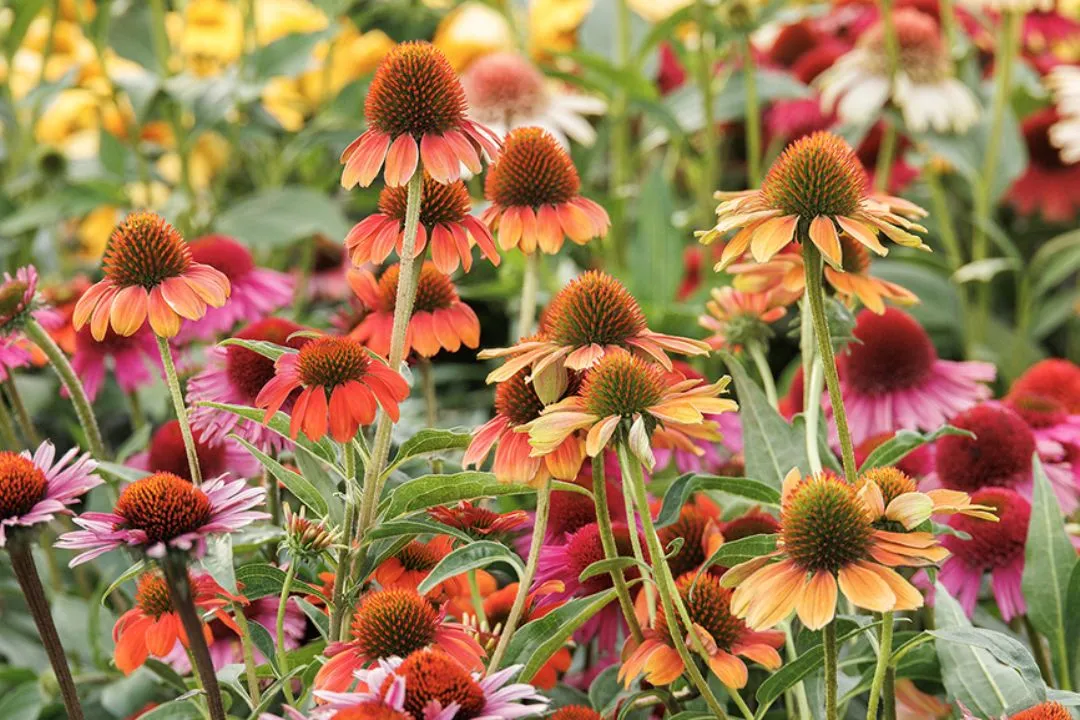
| Feature | Details |
| Scientific Name | Echinacea purpurea |
| Height | 2 to 5 feet |
| Bloom Time | Summer to fall |
| Sun Requirements | Full sun |
| Water Needs | Low to moderate |
| Special Notes | Attracts pollinators, long blooming season |
How They Survive: Coneflowers have deep taproots that help them access water deep in the soil, making them highly drought-tolerant and heat-resistant.
Pros: Attracts pollinators, long blooming season, low maintenance.
Cons: Can be susceptible to aster yellows disease, needs well-drained soil.
Why You Need Them: Coneflowers are hardy and provide long-lasting color. They also attract bees, butterflies, and birds.
12. Black-Eyed Susans
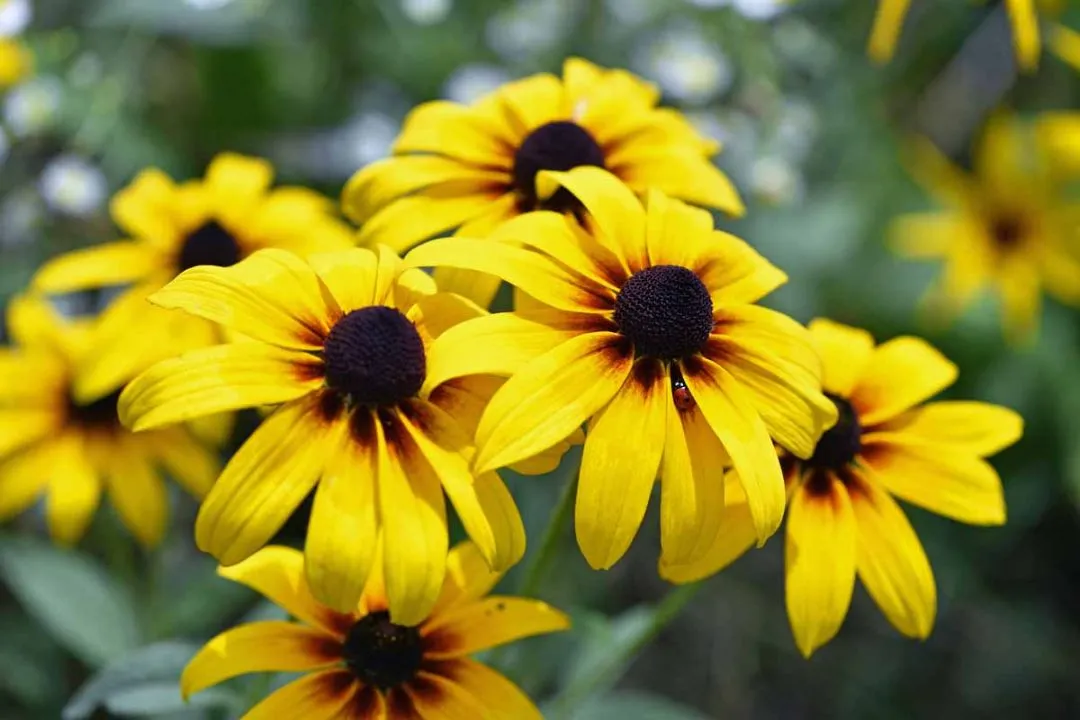
| Feature | Details |
| Scientific Name | Rudbeckia hirta |
| Height | 1 to 3 feet |
| Bloom Time | Summer to early fall |
| Sun Requirements | Full sun |
| Water Needs | Low to moderate |
| Special Notes | Attracts pollinators, easy to grow |
How They Survive: Black-eyed Susans have tough, fibrous roots and hairy leaves that minimize water loss, making them very drought-tolerant.
Pros: Bright and cheerful, attracts pollinators, easy to grow.
Cons: It can spread aggressively, and may be susceptible to leaf spots.
Why You Need Them: These cheerful flowers are great for naturalizing and attracting beneficial insects.
13. Gaillardia (Blanket Flower)
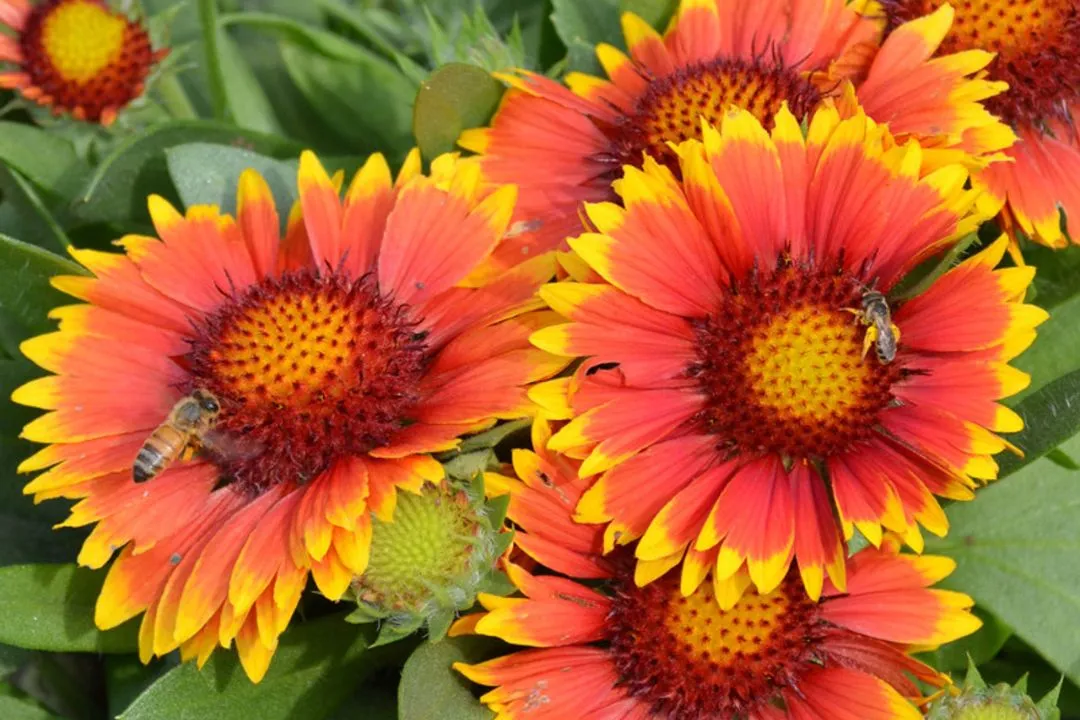
| Feature | Details |
| Scientific Name | Gaillardia spp. |
| Height | 1 to 2 feet |
| Bloom Time | Summer to fall |
| Sun Requirements | Full sun |
| Water Needs | Low |
| Special Notes | Drought-tolerant, vibrant blooms |
How They Survive: Gaillardias have deep roots and hairy leaves, which help reduce water loss and cope with high temperatures.
Pros: Vibrant, long-lasting blooms, drought tolerant, attracts pollinators.
Cons: Short-lived perennials, and require deadheading.
Why You Need Them: Gaillardias add a bright, wildflower look to gardens and are excellent for attracting bees and butterflies.
14. Oleander
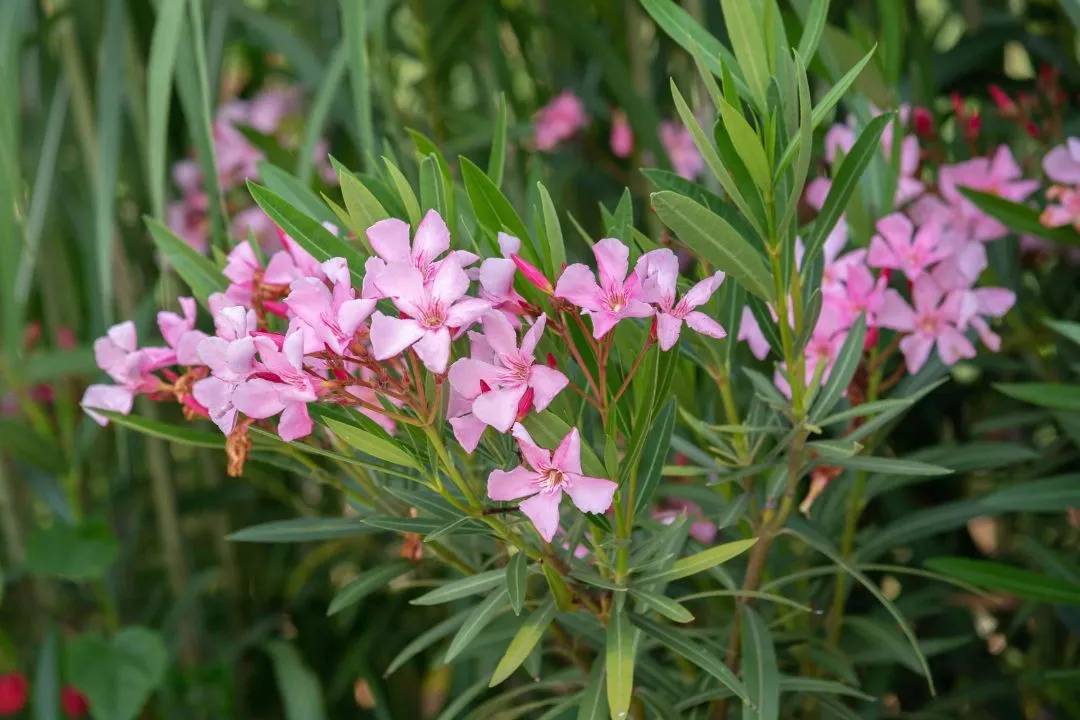
| Feature | Details |
| Scientific Name | Nerium oleander |
| Height | 6 to 20 feet |
| Bloom Time | Spring to fall |
| Sun Requirements | Full sun |
| Water Needs | Low to moderate |
| Special Notes | Evergreen, toxic if ingested |
How They Survive: Oleanders have waxy leaves that reduce water loss and a deep root system that allows them to access water from deeper soil layers.
Pros: Evergreen, long blooming season, low maintenance.
Cons: Toxic if ingested, can be invasive in some areas.
Why You Need Them: Oleanders are great for hedges and screens, providing vibrant color and evergreen foliage.
15. Vinca (Periwinkle)
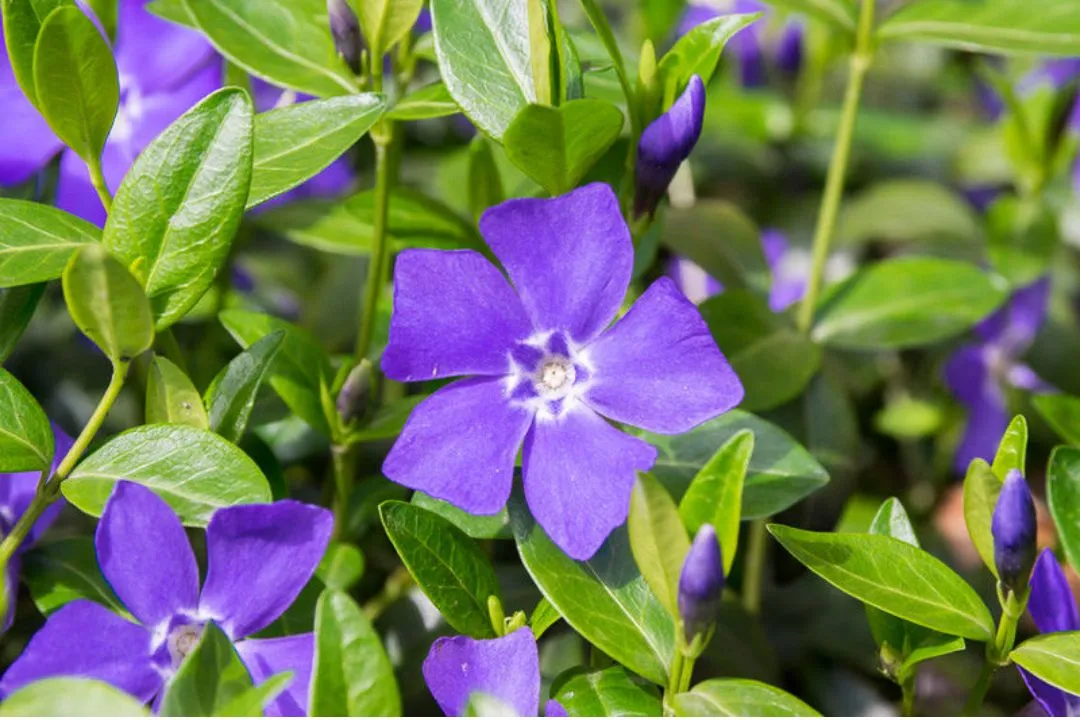
| Feature | Details |
| Scientific Name | Catharanthus roseus |
| Height | 6 to 18 inches |
| Bloom Time | Spring to fall |
| Sun Requirements | Full sun to partial shade |
| Water Needs | Low |
| Special Notes | Drought tolerant, continuous blooms |
How They Survive: Vinca has glossy leaves that reflect sunlight and reduce water loss, making them highly heat-tolerant and drought-resistant.
Pros: Low maintenance, continuous blooms, drought tolerant.
Cons: It can be invasive, and sensitive to cold.
Why You Need Them: Vinca is perfect for ground cover in hot, dry areas, with its bright blooms providing continuous color.
For a more extended list of flowers that love full sun, this video should help.
Final Thoughts
These flowers are a fantastic choice for any garden, especially if you live in a hot climate. They’re not only beautiful to look at but also tough as nails. Their special abilities help them stay alive and look great even when it’s super hot.
There’s a flower for every gardener’s preferences, from the low-maintenance attraction of zinnias to the exotic charm of canna lilies. Not only do they beautify your outdoor space, but many also attract beneficial pollinators, contributing to a thriving ecosystem.
So, if you want a colorful garden, give these flowers a try! You won’t be disappointed.