21 Serene Japanese Moss Garden Inspirations for Tranquil Spaces
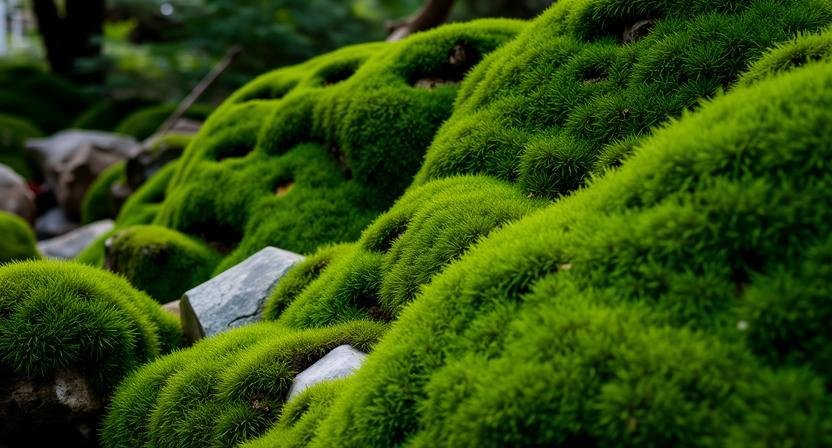
A Japanese moss garden is a living tapestry of texture and calm, offering a quiet retreat from the modern world. These ancient landscapes use moss as a primary element, creating a soft, green carpet that invites contemplation and peace into any outdoor space.
Whether you have a sprawling backyard or a compact urban patio, incorporating a japanese moss garden can transform your environment into a sanctuary. The lush, velvety surfaces and subtle variations in shade provide year-round beauty with minimal maintenance.
Embracing the Art of the Japanese Moss Garden
Understanding the principles behind this timeless landscape style.
- Select a Shaded Spot: Moss thrives in areas with indirect light and consistent moisture.
- Prepare the Ground Well: Clear debris and ensure the soil is acidic and compact for moss to anchor.
- Choose Native Moss Species: Opt for varieties like sheet moss or cushion moss suited to your climate.
- Incorporate Stone Accents: Use natural rocks to create contrast and structure within the moss carpet.
- Maintain Consistent Moisture: Water gently and regularly, especially during the first establishment phase.
- Control Weeds Gently: Hand-pull invasive plants to avoid disturbing the delicate moss layer.
- Add Pathway Stones: Create stepping stones to allow for mindful walks through the garden.
- Embrace Imperfection: Allow the moss to grow naturally, celebrating its organic shapes and textures.
1. Imagine a japanese moss garden for a Zen Corner
Imagine a japanese moss garden tucked into a quiet corner of your yard, where a single stone lantern sits amid a sea of green. The soft moss cushions the ground, creating a visual and tactile experience that encourages stillness and reflection.
This japanese moss garden design uses varying shades of moss to add depth and interest. The layered textures mimic a miniature forest floor, making the space feel ancient and undisturbed.
2. Picture a japanese moss garden Along a Stone Path
Picture a japanese moss garden lining a winding stone path that leads to a hidden tea house. The moss creeps over the edges of the stones, softening the hard lines and blending the path into the surrounding landscape.
This approach to a japanese moss garden emphasizes transition and journey. The path invites you to slow down, with each step revealing new details in the moss and stone arrangement.
3. Discover a japanese moss garden Beneath a Maple Tree
Discover a japanese moss garden flourishing beneath the dappled shade of a Japanese maple. The interplay of light filtering through the leaves creates a dynamic pattern on the moss, changing with the seasons.
This japanese moss garden benefits from the tree’s natural leaf litter, which provides nutrients. The combination of red maple leaves and green moss offers a stunning seasonal contrast.
4. Consider a japanese moss garden with a Bonsai Accent
Consider a japanese moss garden featuring a carefully pruned bonsai tree as its centerpiece. The moss serves as a living pedestal, grounding the miniature tree and enhancing its sculptural form.
This japanese moss garden arrangement creates a powerful focal point. The combination of bonsai artistry and moss texture tells a story of patience and natural harmony.
5. Anchor a japanese moss garden with a Water Basin
Anchor a japanese moss garden with a traditional tsukubai water basin, where moss softens the stone edges. The sound of dripping water adds an auditory layer to the visual serenity of the moss.
This japanese moss garden design incorporates the element of water, creating a multisensory experience. The moss retains moisture from the splashes, keeping it lush and vibrant.
6. Layer a japanese moss garden on a Sloped Bank
Layer a japanese moss garden across a sloped bank to prevent erosion and create a living tapestry. The moss holds the soil in place while providing a lush, green blanket that cascades down the incline.
This japanese moss garden approach is both functional and beautiful. The vertical dimension adds visual interest, and the moss thrives in the drainage provided by the slope.
7. Build a japanese moss garden Around a Stone Lantern
Build a japanese moss garden that encircles a classic stone lantern, allowing the moss to grow up to its base. The contrast between the rough stone and soft moss is a hallmark of Japanese garden aesthetics.
This japanese moss garden design emphasizes balance and simplicity. The lantern becomes a beacon of light and structure, while the moss provides a tranquil grounding.
8. Bring a japanese moss garden to a Courtyard
Bring a japanese moss garden into a small enclosed courtyard for an intimate retreat. The moss covers the ground completely, creating a seamless green floor that feels private and secluded.
This japanese moss garden thrives in the sheltered environment, protected from harsh winds and direct sun. It becomes a living room of nature, perfect for meditation.
9. Transform a japanese moss garden with Stepping Stones
Transform a japanese moss garden by placing irregular stepping stones across the moss bed. The stones create a path that floats above the green, inviting careful steps and mindful observation.
This japanese moss garden layout encourages a slow, deliberate pace. The spaces between stones allow the moss to remain undisturbed and showcase its full, plush texture.
10. Frame a japanese moss garden with Bamboo Fencing
Frame a japanese moss garden with a simple bamboo fence to define the space and add vertical texture. The warm tones of the bamboo complement the cool green of the moss beautifully.
This japanese moss garden feels grounded and enclosed, enhancing its sense of sanctuary. The bamboo provides a natural boundary that blends with the organic theme.
11. Explore a japanese moss garden in a Container
Explore a japanese moss garden created in a shallow ceramic container for a tabletop display. This miniature version captures the essence of a full-scale garden in a portable form.
This japanese moss garden is perfect for those with limited space. It allows you to enjoy the beauty of moss up close, with tiny rocks and sand for added detail.
12. Shape a japanese moss garden with Curved Beds
Shape a japanese moss garden using gently curving beds that flow like a river through the landscape. The organic lines mimic natural formations and create a sense of movement.
This japanese moss garden design softens the boundaries of the garden. The curves guide the eye and invite exploration, making the space feel larger and more dynamic.
13. Define a japanese moss garden with Gravel Edges
Define a japanese moss garden by bordering it with raked gravel or small pebbles. The contrast between the soft moss and the crisp gravel creates a clean, meditative aesthetic.
This japanese moss garden uses the gravel to represent water or empty space, a classic Zen garden concept. The moss islands become verdant oases within the raked pattern.
14. Introduce a japanese moss garden to a Rock Garden
Introduce a japanese moss garden into an existing rock garden, allowing moss to grow in the crevices between stones. The moss softens the harshness of the rocks and adds life to the arrangement.
This japanese moss garden integration creates a unified landscape. The moss acts as a glue, tying the rocks together into a cohesive and natural-looking scene.
15. Suspend a japanese moss garden on a Moss Wall
Suspend a japanese moss garden vertically by creating a living moss wall on a shaded fence or building face. This innovative approach brings the garden to eye level for close appreciation.
This japanese moss garden wall is a striking feature that saves ground space. It provides a lush, green backdrop that changes texture with the humidity and light.
16. Ground a japanese moss garden with a Dry Stream Bed
Ground a japanese moss garden alongside a dry stream bed made of smooth stones and pebbles. The moss grows along the banks, mimicking the vegetation of a real waterway.
This japanese moss garden design evokes the feeling of a mountain stream. The dry bed adds structure, while the moss provides the lushness of a riparian zone.
17. Position a japanese moss garden Under a Window
Position a japanese moss garden just outside a window to create a living view from inside your home. The moss becomes a foreground to the larger landscape, framing the outdoors.
This japanese moss garden placement blurs the line between interior and exterior. It offers a constant connection to nature, even when you are indoors.
18. Fill a japanese moss garden with Fern Accents
Fill a japanese moss garden with companion plants like ferns and hostas to add height and variety. The broad leaves of the ferns contrast beautifully with the fine texture of the moss.
This japanese moss garden becomes a layered woodland scene. The additional plants thrive in the same moist, shaded conditions that moss prefers.
19. Place a japanese moss garden Around a Tree Base
Place a japanese moss garden directly around the base of a large tree, allowing the moss to hug the roots. This natural arrangement looks as if the moss has always been there.
This japanese moss garden design is low-maintenance and highly effective. The tree provides the necessary shade, and the moss helps retain soil moisture for the roots.
20. Craft a japanese moss garden with a Miniature Bridge
Craft a japanese moss garden that features a small wooden bridge arching over a moss-covered depression. The bridge adds a whimsical element while the moss creates the illusion of water below.
This japanese moss garden invites storytelling and imagination. The bridge becomes a focal point, encouraging visitors to cross and explore the other side.
21. Draw a japanese moss garden with a Karesansui Pattern
Draw a japanese moss garden inspired by the karesansui style, using moss mounds to represent islands in a sea of raked sand. The moss provides the only green in this minimalist landscape.
This japanese moss garden interpretation is pure and contemplative. The contrast between the green moss and the light sand is visually striking and deeply calming.
Frequently Asked Questions
Q. How do I start a japanese moss garden in my backyard?
Ans. To start a japanese moss garden, choose a shaded area, clear the soil, and transplant moss patches from a nursery or a friend’s garden.
Q. What is the best moss for a japanese moss garden in a warm climate?
Ans. For a warm climate japanese moss garden, consider sun-tolerant species like Bryum or Ceratodon that can handle more light.
Q. How much water does a japanese moss garden need each week?
Ans. A japanese moss garden typically needs watering two to three times per week, keeping the moss damp but not soggy.
Conclusion
Creating a japanese moss garden is a rewarding journey that brings a piece of ancient tranquility into your modern life. The soft textures and calming greens offer a daily invitation to slow down and appreciate the simple beauty of nature.
Whether you choose a small container arrangement or a sprawling landscape, a japanese moss garden provides a living artwork that evolves with the seasons. Embrace the process and let your garden become a peaceful sanctuary for years to come.