17 Mediterranean Gravel Garden Ideas That Thrive in Dry, Sunny Landscapes
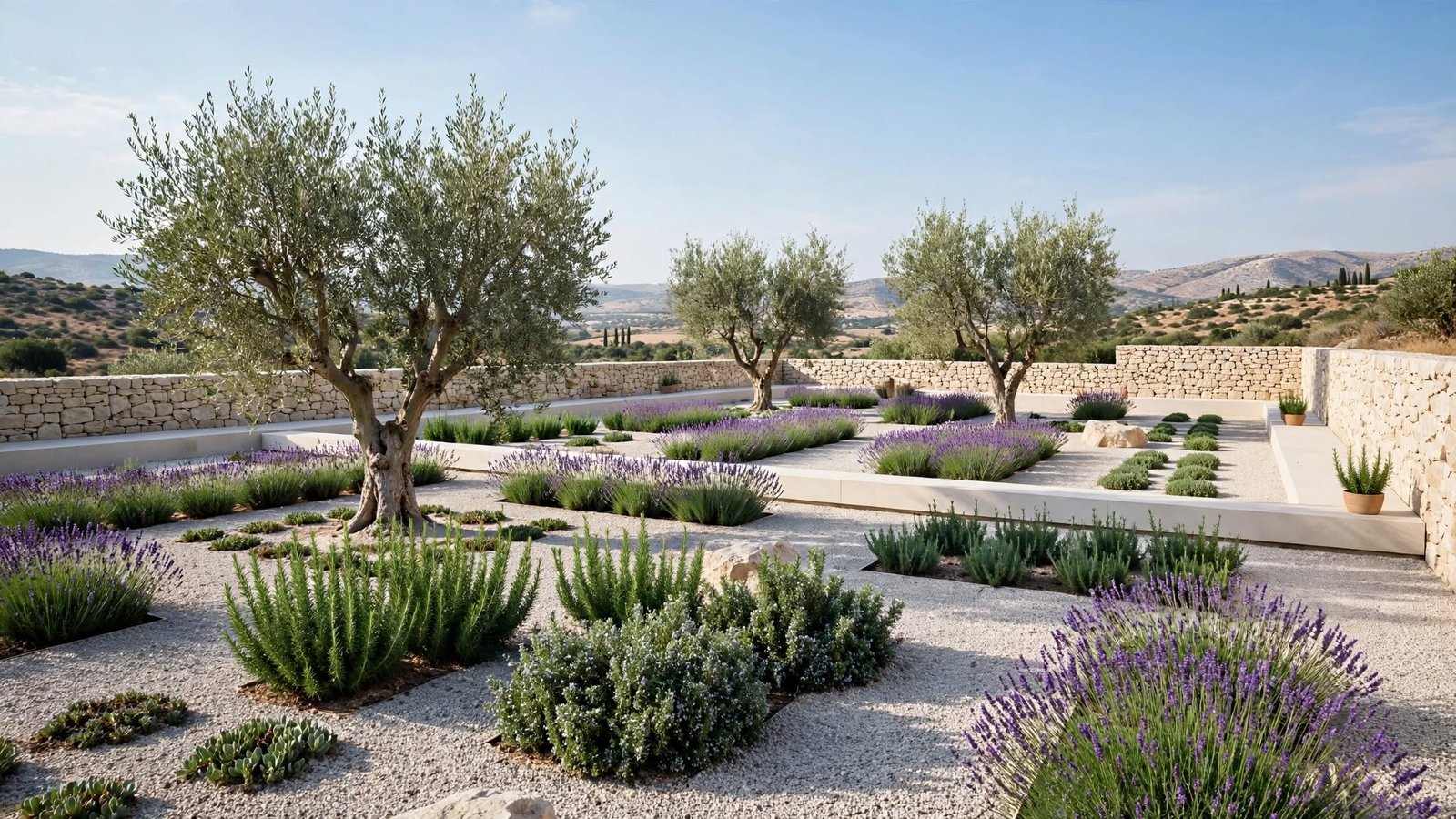
A mediterranean gravel garden transforms hot, dry, and difficult ground into a beautiful, low-maintenance retreat. By combining drought-tolerant plants with loose stone mulch, you can create a space that looks effortless while needing far less water than a traditional lawn.
The best mediterranean gravel garden designs balance silver foliage, aromatic herbs, and sculptural accents against sweeping expanses of gravel. Whether your space is a courtyard, a slope, or a full backyard, these seventeen ideas will help you plan a landscape that stays stunning all year.
Designing a mediterranean gravel garden that looks intentional, not sparse
A few guiding principles keep gravel gardens lush, layered, and full of life.
- Choose the Right Stone: Warm-toned pea gravel or crushed granite echoes the sunbaked soils of southern Europe.
- Layer the Planting: Combine tall spires, mounding shrubs, and low groundcovers for depth.
- Repeat Key Plants: Repeating lavender, rosemary, or santolina creates rhythm across the space.
- Add Vertical Accents: Sculptural agaves, yuccas, or cypress trees anchor the design.
- Plan for Drainage: A gravel garden thrives when water never sits around plant roots.
- Include Seating: A simple bench or stone wall invites you to linger among the fragrance.
- Embrace Gravel as Mulch: The stone itself is a design feature, not just a backdrop.
- Plant for All Seasons: Mix evergreens with bulbs and perennials so something always shines.
1. Sweeping Gravel Borders for a mediterranean gravel garden
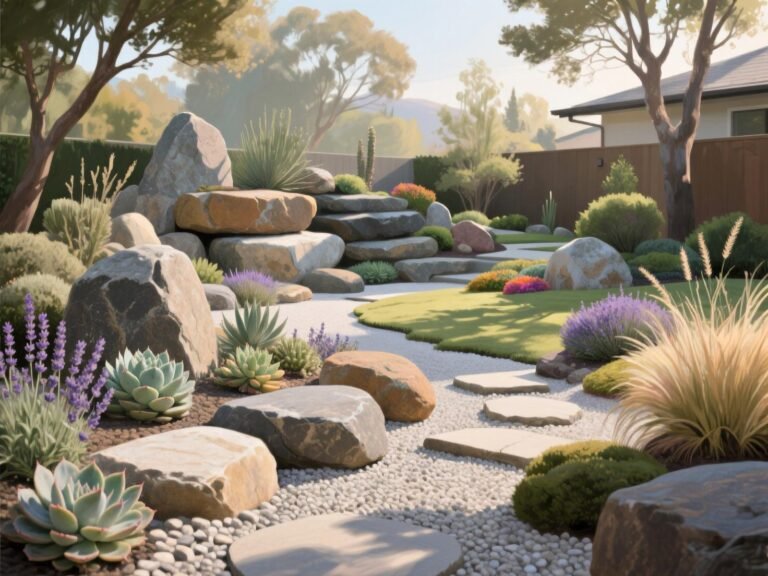
Imagine a mediterranean gravel garden where wide ribbons of pale stone curve between drifts of lavender and ornamental grasses. This layout softens hard edges and makes even a small yard feel expansive, while the gravel suppresses weeds and reflects light onto nearby plants.
Use a curving border to guide the eye toward a focal point, and keep the mediterranean gravel garden palette limited to silver, green, and warm stone tones.
2. Drought-Tolerant Planting in a mediterranean gravel garden
Picture a mediterranean gravel garden filled with plants that ask for almost nothing: lavender, thyme, sedum, and euphorbia. These species evolved in rocky, arid regions, so they thrive in gravel and resent rich, soggy soil, making them ideal for water-wise landscapes.
Group them by water needs so you can irrigate efficiently, and let the mediterranean gravel garden mature into a self-sufficient, low-care tapestry.
3. Silver Foliage Contrast in a mediterranean gravel garden
Discover how silver-leaved plants like santolina and artemisia make a mediterranean gravel garden glow in full sun. Their reflective foliage pairs beautifully with darker greens and purple blooms, creating contrast that keeps the design from looking flat or washed out.
Plant silver foliage in bold swaths rather than single specimens so the mediterranean gravel garden reads as intentional and cohesive.
4. Aromatic Herb Borders for a mediterranean gravel garden
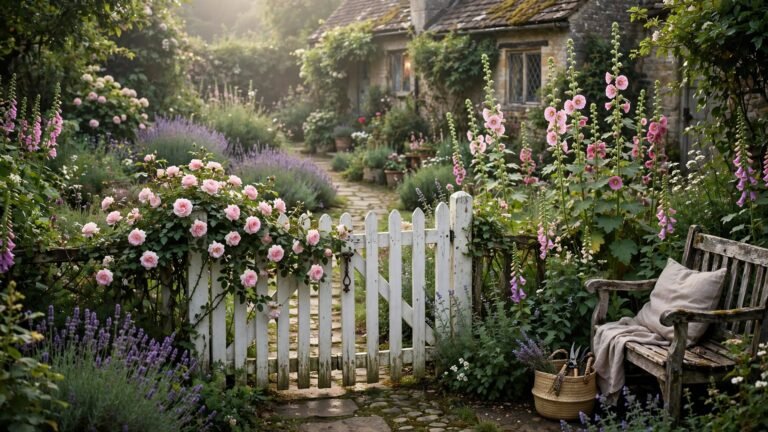
Consider lining a path with rosemary, oregano, and thyme to turn a mediterranean gravel garden into a sensory experience. Brushing past these herbs releases fragrance, and their textures add softness against the crisp, angular gravel.
Harvest sprigs for the kitchen while the mediterranean gravel garden stays tidy, since these herbs actually prefer the sharp drainage gravel provides.
5. Sculptural Agaves in a mediterranean gravel garden
Anchor a mediterranean gravel garden with architectural succulents such as agave or yucca. Their spiky silhouettes provide year-round structure and dramatic shadows, giving the space a distinctly arid, southern European character even in cooler climates.
Place them where their form can be admired from indoors, and let the mediterranean gravel garden frame them with low, spreading companions.
6. Gravel Paths and Stepping Stones for a mediterranean gravel garden
Layer a mediterranean gravel garden with informal paths made from loose stone and embedded pavers. These routes invite wandering, connect different zones, and prevent compaction around plant roots, all while reinforcing the relaxed, rustic aesthetic.
Choose irregular stepping stones with wide gaps so the mediterranean gravel garden feels organic rather than rigid or overly formal.
7. Raised Beds in a mediterranean gravel garden
Build raised beds filled with gritty, free-draining soil to give a mediterranean gravel garden better drainage and warmer roots. Stone or brick edging looks natural here, and the height makes plants easier to admire and maintain.
Top-dress the beds with gravel so the entire mediterranean gravel garden reads as one continuous, cohesive surface.
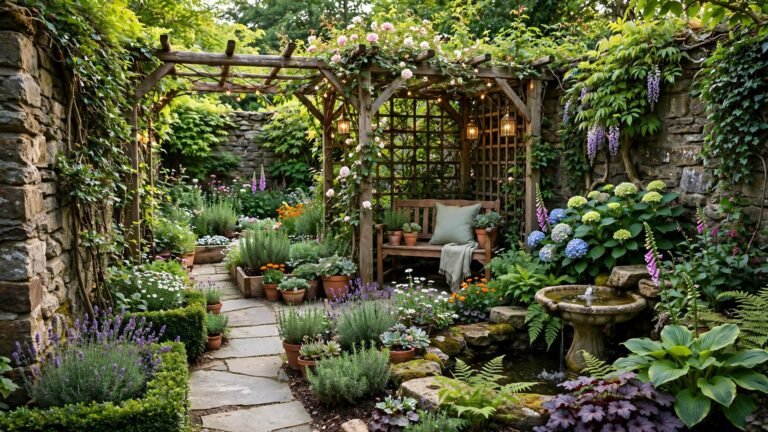
8. Courtyard Layouts for a mediterranean gravel garden
Bring the feel of a Spanish or Italian courtyard to a small space with a mediterranean gravel garden enclosed by walls. Gravel covers the ground, a small tree casts dappled shade, and pots of geraniums add color against warm stone.
Even a tiny patio can become a mediterranean gravel garden retreat that feels private, cool, and endlessly inviting.
9. Ornamental Grasses in a mediterranean gravel garden
Transform a static mediterranean gravel garden into a moving, whispering landscape with ornamental grasses. Stipa, blue fescue, and miscanthus add height and softness, catching breezes and light in ways that rigid plantings cannot.
Let grasses seed freely among the stones so the mediterranean gravel garden develops a natural, meadow-like rhythm over time.
10. Color Palettes for a mediterranean gravel garden
Frame your planting with a restrained palette of purple, silver, and gold to capture the classic mediterranean gravel garden mood. These hues echo lavender fields and sun-bleached hillsides, and they hold up beautifully under intense summer light.
Add one bold accent color, such as deep red or orange, to give the mediterranean gravel garden a lively focal point.
11. Mediterranean Trees in a Gravel Setting
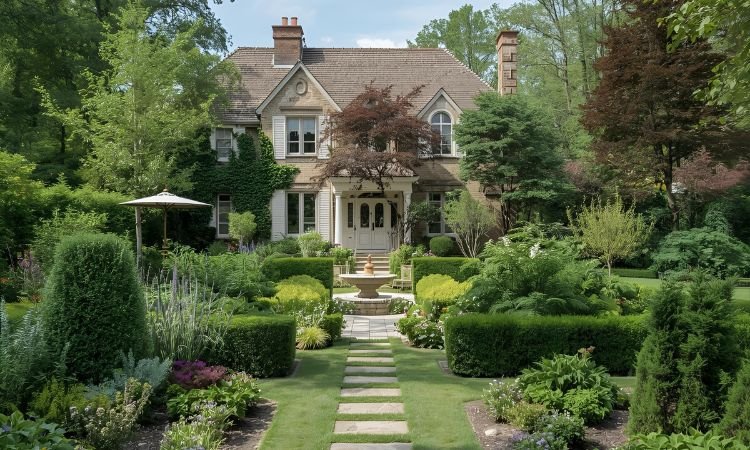
Explore how olive, fig, and cypress trees give a mediterranean gravel garden vertical drama and timeless character. Their gnarled trunks and silvery leaves pair perfectly with gravel, and once established they need very little water.
Plant a single specimen as a focal point, then let the mediterranean gravel garden spread outward in low, drought-tolerant layers.
12. Seating Nooks in a mediterranean gravel garden
Shape a quiet corner of your mediterranean gravel garden around a simple bench or stone seat. Position it near fragrant plants and dappled shade so the spot becomes a genuine destination rather than an afterthought.
A small table and a few pots complete the scene, turning the mediterranean gravel garden into an outdoor room for morning coffee.
13. Gravel and Stone Wall Combinations
Define a mediterranean gravel garden with low dry-stone walls that double as planting pockets and thermal mass. The rough texture of the stone contrasts beautifully with smooth gravel, and the wall shelters tender plants from cold winds.
Let cascading plants spill over the edges so the mediterranean gravel garden feels softened and lived-in rather than newly built.
14. Seasonal Bulbs in a mediterranean gravel garden
Introduce alliums, tulips, and iris to a mediterranean gravel garden for bursts of spring and early summer color. Bulbs love the sharp drainage gravel offers, and they naturalize freely, returning year after year with little effort.
Scatter them in loose drifts so the mediterranean gravel garden blooms in waves rather than stiff, uniform rows.
15. Hanging Planters and Vertical Elements
Suspend trailing plants from a pergola or wall to add height and movement to a mediterranean gravel garden. Trailing rosemary, ivy geraniums, and string-of-pearls soften vertical surfaces and connect the ground plane to the sky.
Use these elements sparingly so the mediterranean gravel garden still feels open, airy, and grounded in its stone base.
16. Lighting a mediterranean gravel garden at Night
Ground your mediterranean gravel garden with subtle lighting that highlights texture after dark. Uplights on sculptural plants, low path lights, and candle lanterns turn gravel into a shimmering, moonlit surface.
Keep fixtures warm and low so the mediterranean gravel garden feels intimate and calm rather than harsh or theatrical.
17. Low-Maintenance Planting Plans for a mediterranean gravel garden
Position your mediterranean gravel garden as a long-term, low-effort investment by choosing plants that need no staking, feeding, or frequent pruning. Evergreens, succulents, and woody herbs form the backbone of a scheme that looks after itself.
Once established, this mediterranean gravel garden needs only occasional tidying, freeing you to simply enjoy the view.
Frequently Asked Questions
Q. What plants work best in a mediterranean gravel garden?
Ans. Lavender, rosemary, thyme, sedum, agave, and ornamental grasses thrive in a mediterranean gravel garden because they tolerate drought and sharp drainage.
Q. How deep should gravel be in a mediterranean gravel garden?
Ans. A layer of about five to eight centimeters of gravel is ideal for a mediterranean gravel garden, deep enough to suppress weeds but easy to plant through.
Q. Does a mediterranean gravel garden need irrigation?
Ans. Once plants are established, a mediterranean gravel garden usually needs only occasional deep watering during the hottest, driest weeks.
Conclusion
A mediterranean gravel garden offers beauty, resilience, and simplicity in equal measure. With the right stone, thoughtful planting, and a restrained palette, even the driest corner of your yard can become a lush, fragrant retreat.
Start small with a border or courtyard, then expand over time. Your mediterranean gravel garden will reward you with year-round structure, seasonal color, and far less watering than a traditional landscape ever could.