21 Mediterranean Herb Garden Layouts for Sunny Outdoor Spaces
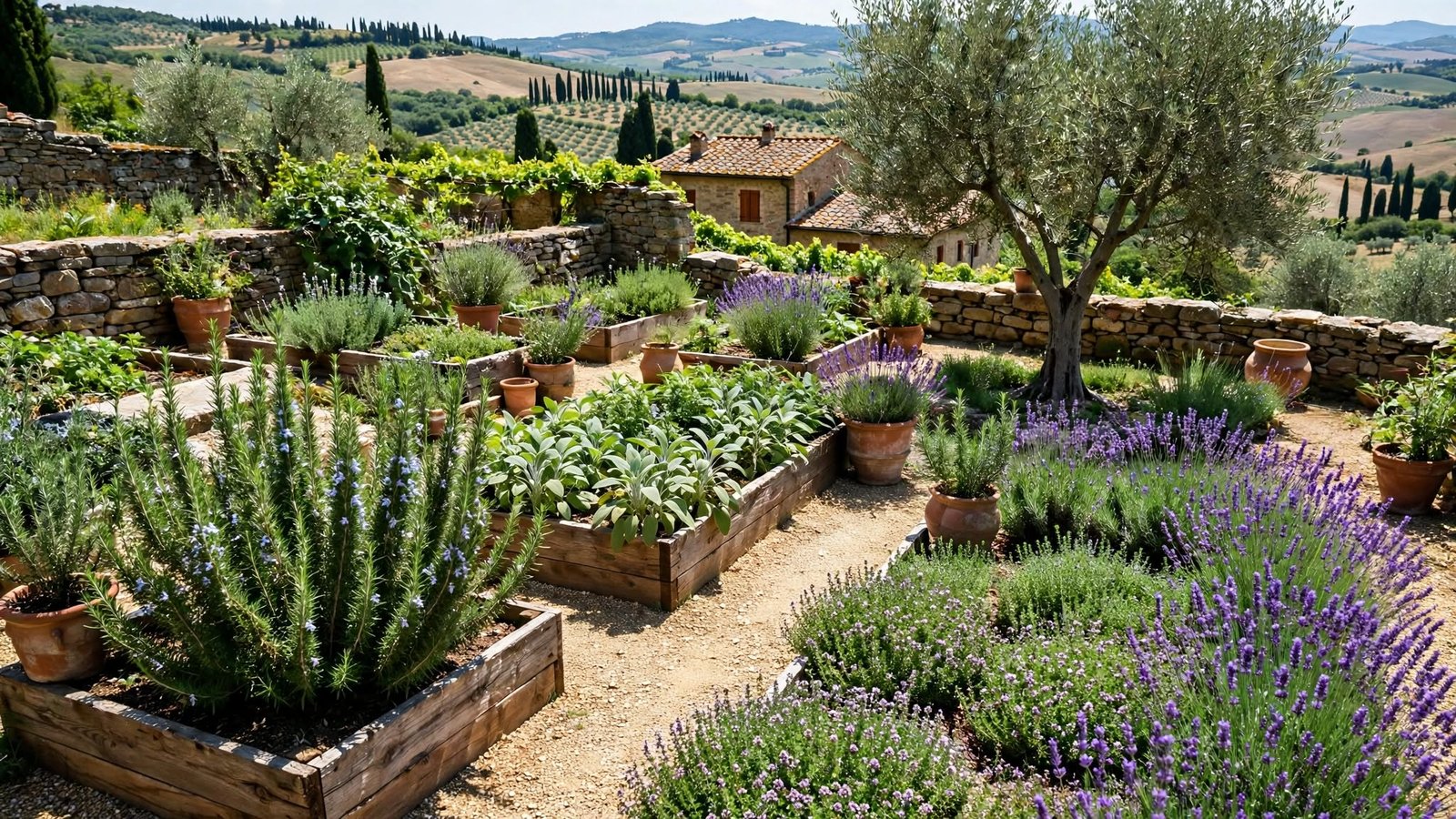
A mediterranean herb garden brings the sun-drenched essence of coastal hillsides directly to your backyard. These aromatic plantings thrive in warm conditions, offering both culinary rewards and visual appeal that transports you to southern European landscapes.
Designing a mediterranean herb garden requires understanding the balance between hardy perennials, well-draining soil, and strategic placement. From rosemary borders to thyme pathways, these layouts provide practical inspiration for gardeners at every skill level.
Designing Your Own Mediterranean Herb Garden with Confidence
Before planting, consider these foundational principles for success.
- Assess Sunlight: Most herbs require six to eight hours of full sun daily.
- Improve Drainage: Sandy soil mixed with gravel prevents root rot issues.
- Group by Water Needs: Mediterranean plants prefer infrequent deep watering.
- Select Native Varieties: Choose drought-tolerant species suited to your climate.
- Plan for Growth: Allow ample space for spreading perennials like oregano and mint.
- Incorporate Hardscaping: Stone paths and terracotta pots enhance the rustic aesthetic.
- Consider Wind Exposure: Shelter delicate plants from harsh coastal breezes.
- Harvest Regularly: Frequent picking encourages bushier growth and better flavor.
1. Imagine Sunny Slopes — mediterranean herb garden on a Hillside
Imagine a mediterranean herb garden cascading down a gentle hillside, with terraced stone beds holding lavender and sage in place. The natural slope creates excellent drainage and provides varying microclimates for different species to flourish.
This layout uses gravity to your advantage, allowing water to flow naturally while showcasing the layered textures of a mediterranean herb garden.
2. Picture Courtyard Charm — mediterranean herb garden in a Walled Space
Picture a mediterranean herb garden enclosed by sun-warmed stone walls, where basil and parsley grow in raised planters beside a central fountain. The protected environment extends the growing season and creates a tranquil retreat.
Vertical trellises maximize limited square footage while maintaining the authentic feel of a mediterranean herb garden.
3. Discover Container Collections — mediterranean herb garden for Patios
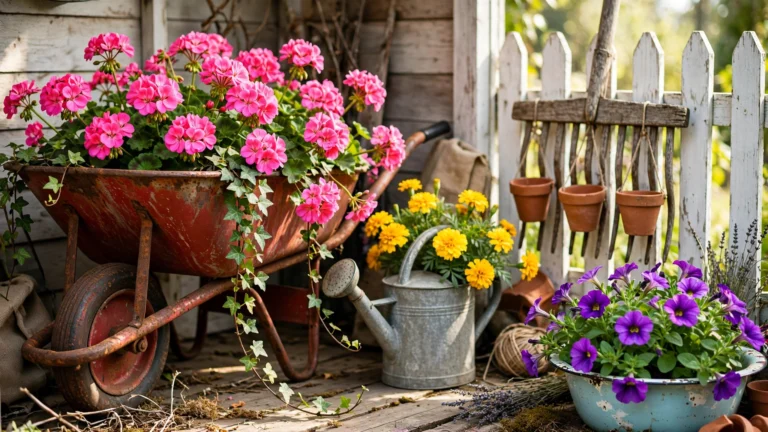
Discover how a mediterranean herb garden thrives entirely in terracotta pots and wooden barrels arranged around a sunny patio. This flexible approach allows gardeners to move plants according to seasonal sun patterns and frost risks.
Container gardening simplifies soil management for a mediterranean herb garden while adding portable charm to any outdoor living area.
4. Consider Formal Parterres — mediterranean herb garden with Symmetry
Consider a mediterranean herb garden designed with clipped boxwood edges and geometric planting beds filled with dwarf rosemary and santolina. This formal approach brings structure and elegance to the landscape while keeping herbs easily accessible.
Symmetrical pathways in a mediterranean herb garden create visual order and simplify maintenance routines.
5. Anchor with Olive Trees — mediterranean herb garden Under Canopy
Anchor your mediterranean herb garden with a mature olive tree that provides dappled shade for delicate herbs like chervil and parsley. The silvery foliage complements the gray-green tones of sage and the deep purple of lavender blooms.
This layered approach creates depth within a mediterranean herb garden, combining edible and ornamental elements.
6. Layer with Groundcovers — mediterranean herb garden Using Thyme
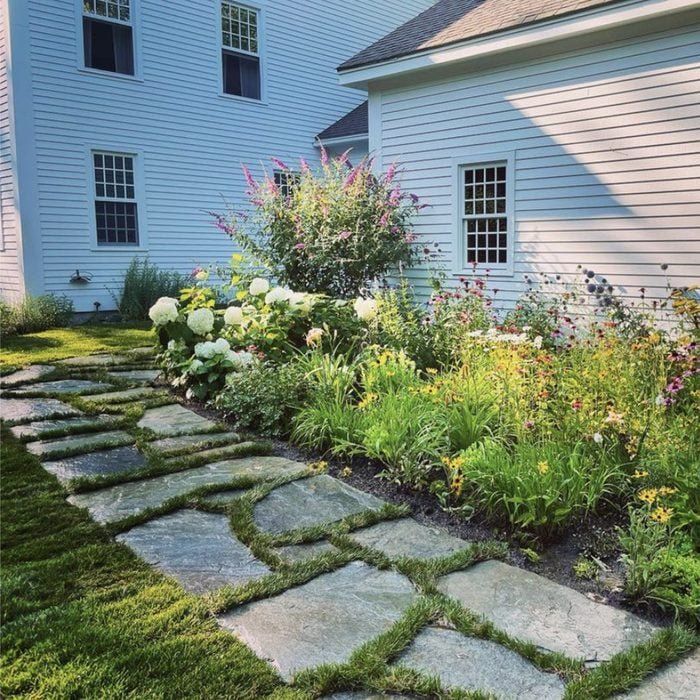
Layer your mediterranean herb garden with creeping thyme varieties that fill gaps between stepping stones and release fragrance when walked upon. This low-growing carpet suppresses weeds and creates a soft, textured surface.
Different thyme cultivars provide subtle color variations throughout a mediterranean herb garden.
7. Build Stone Borders — mediterranean herb garden with Retaining Walls
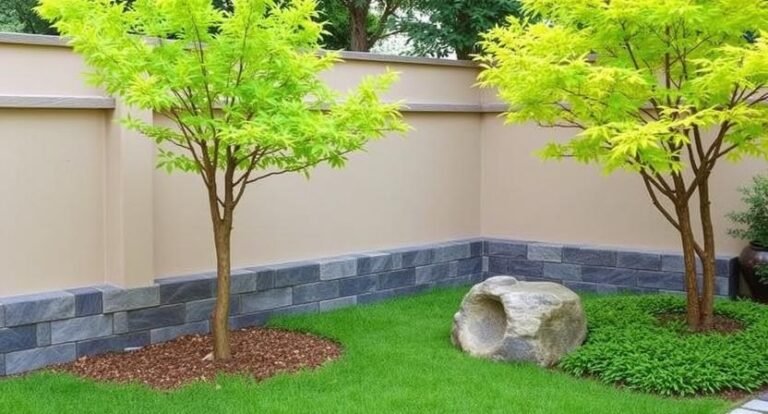
Build raised stone borders for a mediterranean herb garden that defines separate zones for culinary and medicinal herbs. The thermal mass of rocks absorbs heat during the day and releases it at night, protecting tender roots.
Natural stone aesthetics harmonize perfectly with the rustic character of a mediterranean herb garden.
8. Bring Coastal Vibes — mediterranean herb garden Near the Sea
Bring the essence of seaside living into a mediterranean herb garden with salt-tolerant species like sea fennel and rosemary that thrive in sandy coastal soils. These hardy plants withstand ocean spray and windy conditions.
Driftwood accents and shell pathways enhance the maritime character of a mediterranean herb garden.
9. Transform Small Plots — mediterranean herb garden for Compact Yards
Transform a narrow side yard into a productive mediterranean herb garden using vertical planters and hanging baskets filled with trailing oregano and marjoram. This space-saving design maximizes every available inch of growing area.
Compact layouts prove that a mediterranean herb garden requires minimal square footage for maximum yield.
10. Frame with Gravel Paths — mediterranean herb garden in Dry Gardens
Frame your mediterranean herb garden with crushed gravel paths that reflect heat and provide excellent drainage for surrounding plants. The light-colored stones brighten the space and create a cohesive, low-water design.
Gravel mulch reduces evaporation and keeps a mediterranean herb garden looking tidy year-round.
11. Explore Spiral Designs — mediterranean herb garden in Herb Spirals
Explore the vertical dimension of a mediterranean herb garden with a spiral-shaped stone bed that creates distinct microclimates from top to bottom. The upper levels dry quickly while lower sections retain more moisture.
This ancient permaculture technique maximizes diversity within a compact mediterranean herb garden.
12. Shape with Topiary — mediterranean herb garden Featuring Pruned Herbs
Shape your mediterranean herb garden with formally pruned rosemary standards and myrtle spheres that add architectural interest. These sculptural elements provide year-round structure while still producing aromatic leaves for cooking.
Topiary techniques elevate a mediterranean herb garden from simple plot to designed landscape.
13. Define with Edibles — mediterranean herb garden Incorporating Vegetables
Define the boundaries of a mediterranean herb garden with interspersed vegetable crops like tomatoes and peppers that benefit from companion planting with basil and marigolds. This polyculture approach increases biodiversity and reduces pest pressure.
Edible landscaping makes a mediterranean herb garden both beautiful and bountiful.
14. Introduce Water Features — mediterranean herb garden with Fountains
Introduce a bubbling fountain into your mediterranean herb garden to create ambient sound and attract beneficial pollinators like bees and butterflies. The gentle moisture helps cool surrounding air during hot summer months.
Water elements provide a focal point that anchors a mediterranean herb garden design.
15. Suspend Hanging Baskets — mediterranean herb garden at Eye Level
Suspend woven baskets filled with trailing herbs from pergola beams to add another layer to your mediterranean herb garden. This elevated approach keeps herbs within easy reach while adding visual interest overhead.
Hanging planters allow a mediterranean herb garden to utilize previously unused vertical space.
16. Ground with Stepping Stones — mediterranean herb garden Pathways
Ground your mediterranean herb garden with irregular natural stone steppers that weave through low-growing chamomile and pennyroyal. These fragrant plants release their essential oils when gently stepped upon.
Pathways create access points throughout a mediterranean herb garden while preventing soil compaction.
17. Position Against Walls — mediterranean herb garden for Warm Microclimates
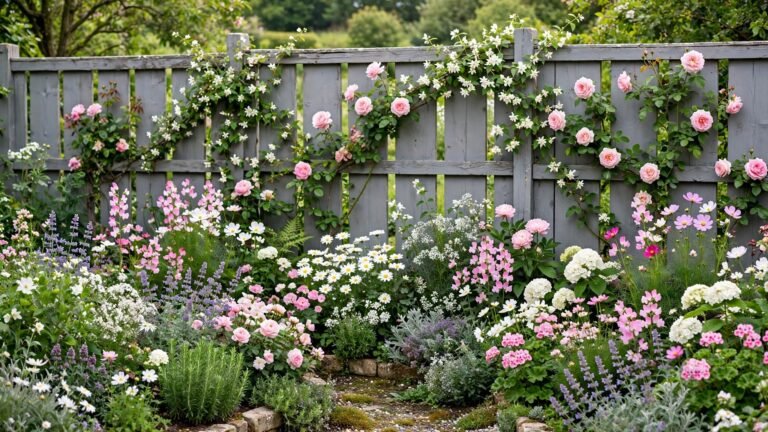
Position your mediterranean herb garden against a south-facing wall that radiates stored heat and protects plants from frost. This sheltered location suits tender perennials like lemon verbena and scented geraniums.
Wall-trained herbs create a living tapestry that transforms a mediterranean herb garden.
18. Fill with Color — mediterranean herb garden Using Flowering Varieties
Fill your mediterranean herb garden with flowering herbs like borage, calendula, and chamomile that add vibrant splashes of blue, orange, and white. These blooms attract beneficial insects while providing edible petals for salads and teas.
Choosing colorful cultivars makes a mediterranean herb garden visually stunning throughout the growing season.
19. Place in Raised Beds — mediterranean herb garden with Proper Drainage
Place your mediterranean herb garden in cedar or stone raised beds that provide excellent drainage and prevent soil-borne diseases. The elevated height makes harvesting easier and reduces strain on your back during maintenance.
Raised structures also create defined boundaries for a mediterranean herb garden.
20. Craft Rustic Arbors — mediterranean herb garden with Climbing Vines
21. Draw Inspiration from Ruins — mediterranean herb garden with Antique Accents
Draw inspiration from ancient Mediterranean ruins by incorporating weathered stone columns, broken amphorae, and aged terracotta into your mediterranean herb garden. These antique accents create a sense of timeless history.
Repurposed materials add character and patina to a mediterranean herb garden.
Frequently Asked Questions
Q. What are the best herbs to include in a mediterranean herb garden?
Ans. Rosemary, thyme, oregano, sage, lavender, basil, and marjoram form the core of any mediterranean herb garden.
Q. How much water does a mediterranean herb garden require?
Ans. A mediterranean herb garden needs deep but infrequent watering, typically once or twice per week during dry periods.
Q. Can a mediterranean herb garden survive cold winters?
Ans. Many mediterranean herb garden plants tolerate frost if provided with excellent drainage and protected locations.
Conclusion
Creating a mediterranean herb garden brings timeless beauty and culinary abundance to any outdoor space. Whether you choose containers, raised beds, or terraced hillsides, these aromatic plants reward minimal care with maximum flavor and fragrance.
Start with a few essential species and expand gradually as you learn what thrives in your unique conditions. Your mediterranean herb garden will become a beloved sanctuary for years to come.