20 Mediterranean Tropical Garden Ideas for a Lush, Sun-Loving Paradise
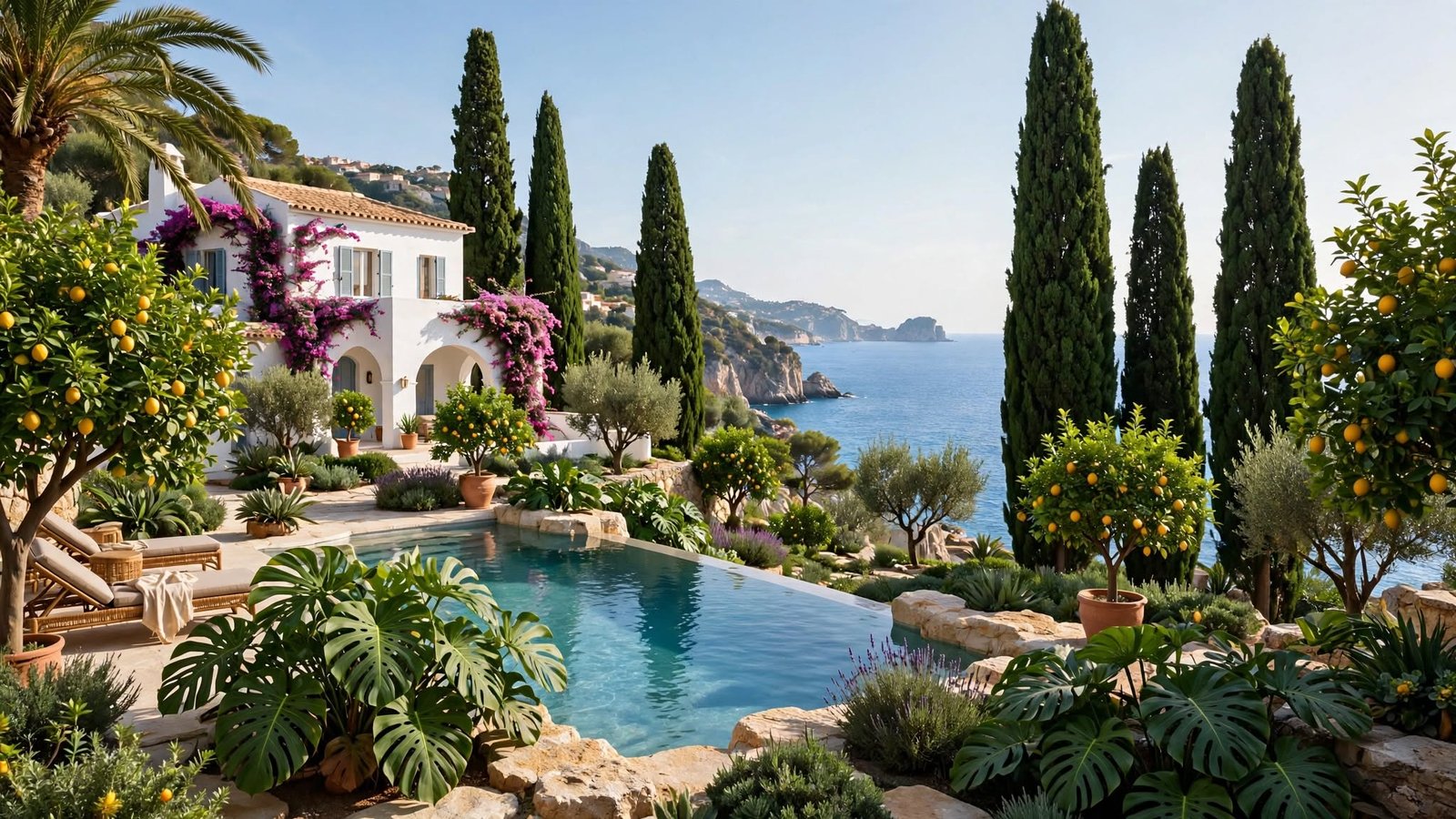
A mediterranean tropical garden blends the sun-baked elegance of southern Europe with the lush, leafy drama of the tropics. Think olive trees beside palms, terracotta pots spilling with bougainvillea, and gravel paths that lead to cool, shaded retreats. This collection of twenty ideas shows how to combine both worlds with confidence.
Whether you garden in a warm climate or simply want to capture the feeling of a holiday villa, a mediterranean tropical garden offers endless inspiration. From pergolas and water features to drought-tolerant planting palettes, these pins cover structure, color, texture, and atmosphere so you can plan a space that thrives under the sun.
The Art of the Mediterranean Tropical Garden, Explained
A few guiding principles turn a sun-drenched yard into a true escape.
- Start With Structure: Walls, pergolas, and stone paths give a mediterranean tropical garden its enduring bones before plants go in.
- Choose Heat Lovers: Combine olives, palms, agaves, and bougainvillea for foliage that shrugs off strong sun.
- Limit the Palette: Whites, terracottas, and soft greens keep a mediterranean tropical garden calm and cohesive.
- Mix Leaf Scales: Pair fine olive leaves with broad banana or palm fronds for rich tropical contrast.
- Plan for Shade: A vine-covered pergola makes the garden usable even at midday.
- Use Gravel Generously: Loose gravel mulches conserve water and echo the dry landscapes of the Mediterranean.
- Add Water and Scent: A small fountain and fragrant herbs like rosemary and lavender complete the sensory picture.
- Repeat Key Plants: Repeating the same few species ties the whole mediterranean tropical garden together.
1. Sun-Baked Courtyard Retreat for a Mediterranean Tropical Garden
Imagine a walled courtyard where warm stone underfoot meets the cool shade of a leafy canopy overhead. This is the classic heart of a mediterranean tropical garden, a private room without a ceiling. Potted palms and climbing vines soften the hard lines of the walls while a small fountain adds the sound of moving water.
Low seating and gravel beds keep maintenance light. The result is a mediterranean tropical garden that feels intimate, sheltered, and made for long evenings outdoors.
2. Olive Trees and Palms Combined in a Mediterranean Tropical Garden
Picture silver-leaved olive trees standing beside fan palms, their contrasting textures creating instant depth. This pairing is the signature of a mediterranean tropical garden, where dry-climate classics meet lush tropical foliage. Olives bring structure and shimmer, while palms supply the bold, oversized leaves that read as holiday escape.
Underplant with lavender and low grasses to knit the scene together. A mediterranean tropical garden built on this duo looks established, elegant, and remarkably water-wise.
3. Terracotta Pots and Bougainvillea for Mediterranean Tropical Style
Discover how clustered terracotta pots can transform a plain patio into a layered mediterranean tropical garden. Each container becomes a small stage for agaves, geraniums, or trailing succulents, while a bougainvillea spills magenta bracts over a nearby wall. The warm clay tones echo the earth and make greens appear richer.
Group pots at different heights for rhythm and movement. Even a small terrace can carry the full spirit of a mediterranean tropical garden with this simple approach.
4. Vine-Covered Pergola Shade in a Mediterranean Tropical Garden
Consider a timber pergola draped in grapevines or fragrant jasmine as the cooling centerpiece of your mediterranean tropical garden. The slatted roof filters harsh sun into dappled light, turning a hot patio into a comfortable outdoor room. Beneath it, a dining table and stone floor invite lingering lunches.
Plant climbers at each post so the canopy fills quickly. A pergola like this gives any mediterranean tropical garden vertical structure and year-round architectural interest.
5. Gravel Paths and Drought-Tolerant Planting for a Mediterranean Tropical Garden
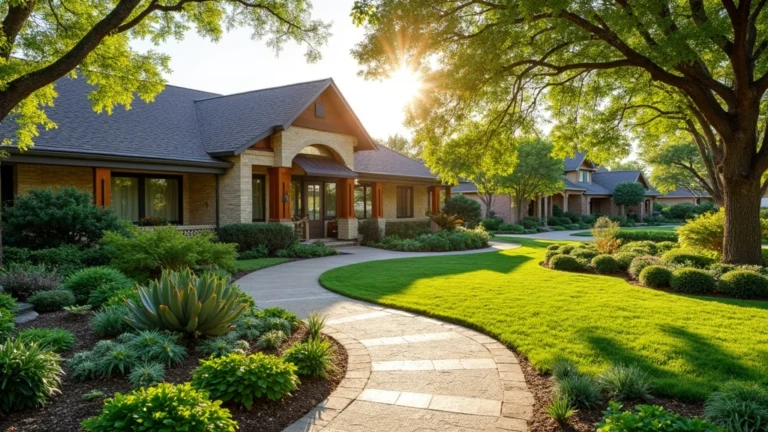
Anchor the layout of your mediterranean tropical garden with sweeping gravel paths that curve between planted beds. Loose gravel suppresses weeds, holds moisture below the surface, and visually ties together drought-tolerant plants like rosemary, agave, and ornamental grasses. The crunch underfoot adds a sensory layer to every walk.
Edge paths with clipped box or stone for crisp definition. This low-water approach keeps a mediterranean tropical garden beautiful through the driest months.
6. Layered Planting Palette for a Lush Mediterranean Tropical Garden
Layer your mediterranean tropical garden from the ground up: groundcover thymes, mid-height lavender and salvia, then taller palms and olives above. This stacking mimics natural plant communities and hides bare soil while keeping every level of the garden productive and green.
Choose plants with similar water needs so irrigation stays simple. A well-layered mediterranean tropical garden looks full within a season and only improves with age.
7. Build a Stone Wall Backdrop for a Mediterranean Tropical Garden
Build warmth into your mediterranean tropical garden with a dry-stone or rendered wall in sandy tones. Walls store heat by day and release it at night, sheltering tender tropical plants from cold snaps. They also provide the perfect foil for climbing figs, citrus espaliers, and trailing succulents.
Let plants soften the masonry over time. A stone backdrop gives a mediterranean tropical garden instant character and a sense of enclosure.
8. Bring Water Features Into Your Mediterranean Tropical Garden
Bring a rill, fountain, or simple stone basin into your mediterranean tropical garden to cool the air and calm the senses. Moving water masks street noise and reflects sky and foliage, doubling the greenery in view. Moorish-style channels and tiled basins feel especially at home among palms and citrus.
Keep the design simple and the sound gentle. Water gives a mediterranean tropical garden its tranquil, holiday-villa atmosphere.
9. Transform a Patio With Mediterranean Tropical Garden Containers
Transform a bare patio into a mediterranean tropical garden using large containers planted with citrus, palms, and oleander. Oversized pots work best, holding enough soil to buffer heat and drought. Arrange them to frame doorways and seating areas, and let foliage overlap to soften hard edges.
Use matching pots for calm or mixed styles for a collected look. Container gardening lets anyone create a mediterranean tropical garden, even without open ground.
10. Frame Views With Arches in a Mediterranean Tropical Garden
Frame a pathway or garden gate with a vine-clad arch to give your mediterranean tropical garden a sense of journey and surprise. Bougainvillea, passionflower, or grapevines turn a simple metal or timber arch into a flowering tunnel. Passing beneath it feels like stepping into another room.
Place arches where they draw the eye toward a focal point. A well-placed arch gives a mediterranean tropical garden drama and vertical greenery.
11. Explore Citrus and Herb Pairings for a Mediterranean Tropical Garden
Explore the productive side of a mediterranean tropical garden by pairing lemon and orange trees with rosemary, thyme, and oregano. The citrus supplies glossy evergreen structure and fragrance, while the herbs fill gaps, attract pollinators, and supply the kitchen. Together they create a garden that is as useful as it is beautiful.
Plant herbs along path edges where they release scent when brushed. This pairing makes a mediterranean tropical garden a daily harvest.
12. Shape a Shaded Lounge Zone in a Mediterranean Tropical Garden
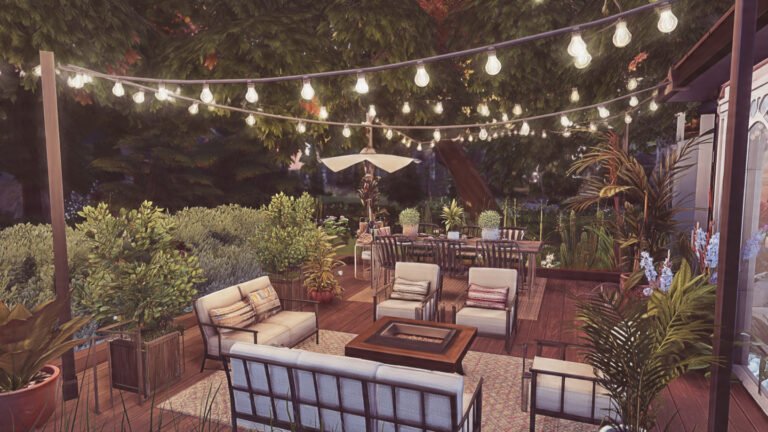
Shape a dedicated lounge area within your mediterranean tropical garden using a sail shade, umbrella, or dense palm canopy. Comfort matters in hot climates, and a shaded corner with soft seating, a rug, and a low table turns the garden into an outdoor living room you will actually use.
Surround the zone with fragrant plants and a fan palm for privacy. A shaded lounge is what makes a mediterranean tropical garden truly livable.
13. Define Borders With Lavender in a Mediterranean Tropical Garden
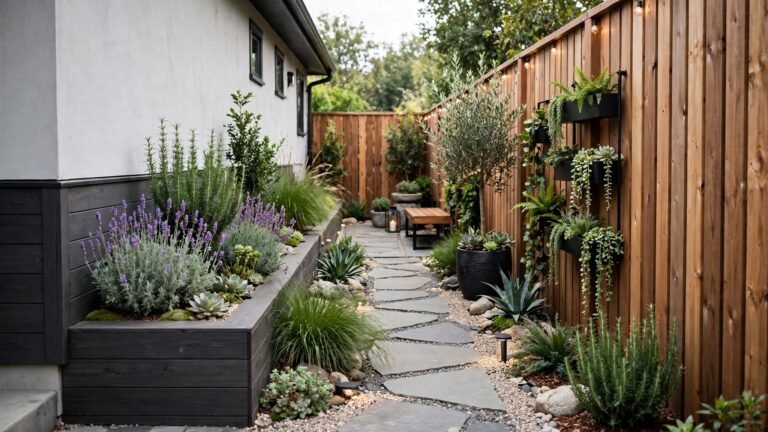
Define the edges of your mediterranean tropical garden with ribbons of lavender that hum with bees in summer. The silver foliage and purple spikes contrast beautifully with bold tropical leaves behind them, and the scent carries across the whole garden on warm air.
Clip plants after flowering to keep them tidy and long-lived. Lavender borders give a mediterranean tropical garden structure, color, and pollinator life in one move.
14. Introduce Bold Tropical Foliage to a Mediterranean Garden
Introduce banana plants, bird of paradise, or elephant ears to push the tropical side of your mediterranean tropical garden. These large, architectural leaves create dramatic focal points and instantly read as lush and exotic against stone and gravel. Site them where they catch backlight for a glowing effect.
Protect them from cold winds and keep water consistent. Bold foliage is what separates a mediterranean tropical garden from a purely dry-climate scheme.
15. Suspend Lighting for Evening Magic in a Mediterranean Tropical Garden
Suspend festoon lights or lanterns among the branches and pergola beams of your mediterranean tropical garden to extend its use into the night. Warm, low-level lighting highlights palm silhouettes and stone textures while keeping the mood relaxed and intimate rather than bright and clinical.
Add a few uplights at tree bases for drama. Thoughtful lighting turns a mediterranean tropical garden into an evening destination.
16. Ground the Design With Natural Stone in a Mediterranean Tropical Garden
Ground your mediterranean tropical garden with natural stone paving in warm sandstone or limestone. Stone stays cool underfoot, ages gracefully, and connects the architecture of the house to the planting. Use large-format slabs for terraces and smaller setts for paths to create subtle rhythm.
Let moss and thyme creep into joints over time. Natural stone gives a mediterranean tropical garden timeless texture and a sense of place.
17. Position Seating Around Focal Points in a Mediterranean Tropical Garden
Position benches and chairs to look toward the best features of your mediterranean tropical garden, whether a fountain, a sculptural palm, or a view beyond the wall. Good garden design directs the eye, and seating placed with intent makes every corner feel purposeful and inviting.
Use built-in benches to save space and anchor walls. Deliberate seating turns a mediterranean tropical garden into a series of framed experiences.
18. Fill Vertical Space in a Mediterranean Tropical Garden
Fill the vertical plane of your mediterranean tropical garden with climbing figs, trumpet vines, and espaliered citrus. Walls and fences become living tapestries, adding greenery without consuming floor space and softening the hard boundaries of a small plot.
Choose climbers suited to your climate and provide sturdy supports early. Vertical planting gives a mediterranean tropical garden lushness and privacy at the same time.
19. Place Sculptural Succulents in a Mediterranean Tropical Garden
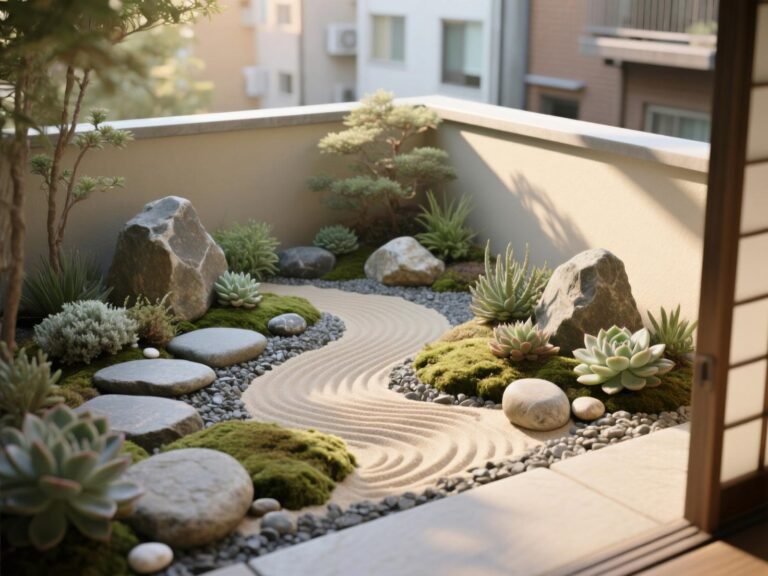
Place agaves, aloes, and euphorbias as living sculptures throughout your mediterranean tropical garden. Their geometric forms and blue-green tones provide striking contrast to soft palms and flowering shrubs, and they thrive on neglect once established, needing little more than sun and sharp drainage.
Repeat a single dramatic species for cohesion. Sculptural succulents give a mediterranean tropical garden modern edge and year-round form.
20. Craft a Fragrant Route Through a Mediterranean Tropical Garden
Craft a sensory route through your mediterranean tropical garden by lining paths with fragrant plants like jasmine, mock orange, and rosemary. Scent is the most overlooked design tool, and a deliberate fragrant walk makes evening strolls memorable and deeply relaxing.
Position the strongest scents near seating and doorways. A fragrant route completes a mediterranean tropical garden that engages every sense.
Frequently Asked Questions
Q. What plants define a mediterranean tropical garden?
Ans. A mediterranean tropical garden typically combines olives, palms, bougainvillea, agaves, citrus, and lavender for structure and color.
Q. Can a mediterranean tropical garden work in a small yard?
Ans. Yes, a mediterranean tropical garden adapts well to small spaces through containers, vertical planting, and compact palm varieties.
Q. How much water does a mediterranean tropical garden need?
Ans. Once established, a mediterranean tropical garden needs moderate water, especially if you favor drought-tolerant species and gravel mulch.
Conclusion
A mediterranean tropical garden works because it balances two moods: the calm, sun-washed structure of the Mediterranean and the lush, leafy abundance of the tropics. Start with walls, paths, and pergolas, then layer heat-loving plants in a restrained palette. Add water, scent, and shade to make the space comfortable.
Use these twenty ideas as a starting point rather than a rulebook. Whether you have a courtyard, a terrace, or a full backyard, a mediterranean tropical garden can be adapted to your climate and space, delivering color, fragrance, and a permanent sense of holiday at home.